How to Inflate Air Suspension on a Lincoln Town Car
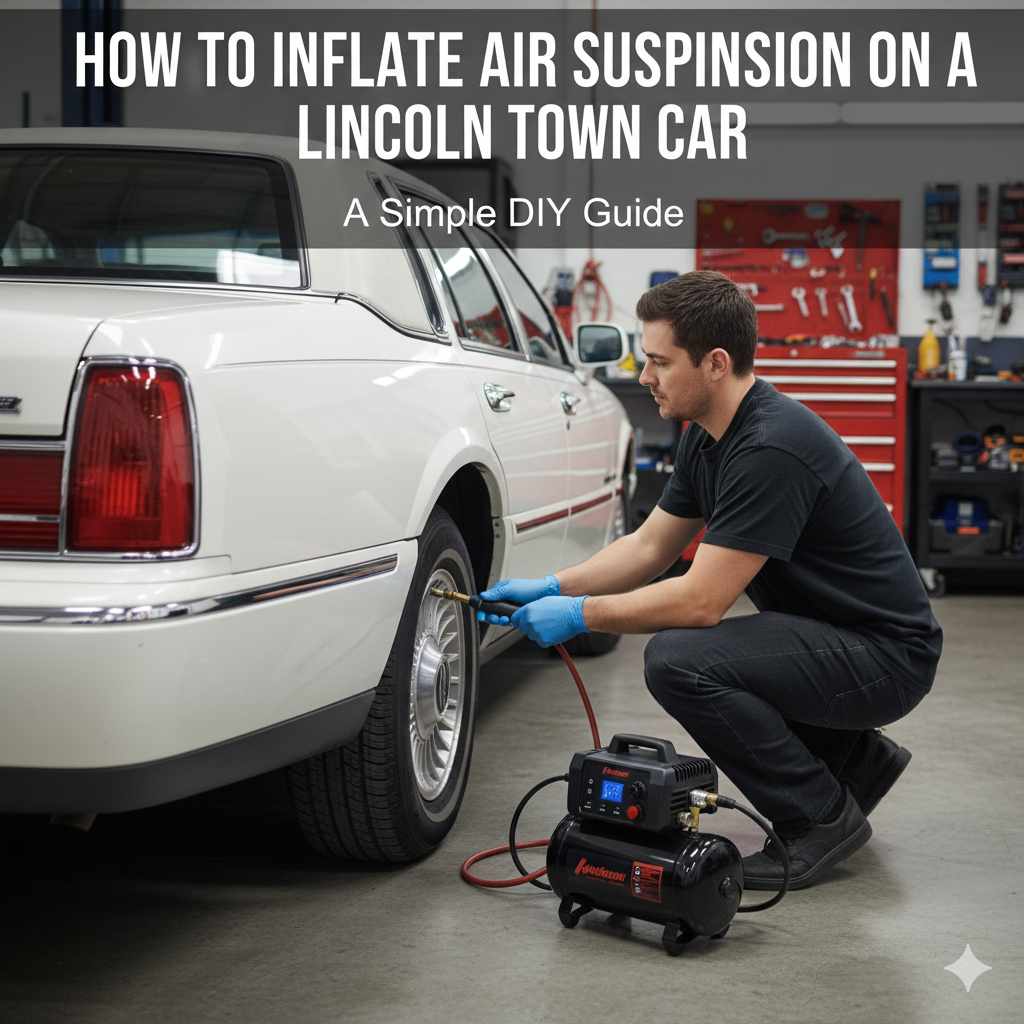
If you own a classic Lincoln Town Car, you’ve likely encountered the air suspension system. Figuring out How to Inflate Air Suspension on a Lincoln Town Car can seem tricky at first, especially if you’re new to car maintenance. Don’t worry, it’s simpler than you might think! This guide will break down the process step-by-step, making it easy for anyone to keep their Town Car riding smoothly. We’ll explore everything you need to know, so let’s get started.
What You Need to Know About Air Suspension
The air suspension system in a Lincoln Town Car is pretty cool. It uses air springs instead of traditional coil springs to give the car a comfy ride. These air springs can be inflated or deflated to change the car’s height and keep it level, no matter how much weight is inside. This system makes the ride smooth and also helps the car handle bumps and turns better. However, over time, the air springs can leak or the compressor might fail, causing the car to sag or ride rough. Knowing how this system functions is important when learning How to Inflate Air Suspension on a Lincoln Town Car. We’ll look at the parts and what they do.
Air Suspension System Components
The air suspension system has several key parts that work together. Understanding these components will help you understand how to fix them. Think of it like a team, each player having a specific job. If one player is injured, the whole team suffers. So if one of these parts is damaged, the suspension won’t work correctly. We are exploring the main parts that help make a smooth ride.
Air Springs: These are the large rubber bags that replace standard springs. They inflate and deflate to adjust ride height. They are the heart of the system.
The air springs, also called air bags, are flexible containers made of rubber or a synthetic material. They expand and contract as air flows in and out, changing the vehicle’s height. Think of them like giant balloons holding up the car. They’re designed to handle weight and cushion the ride. Over time, air springs can wear out due to age, punctures, or extreme temperatures, leading to leaks and a sagging suspension. Replacing or repairing air springs is a common maintenance task for Lincoln Town Car owners experiencing ride height issues.
Air Compressor: This pump provides the air needed to inflate the air springs. It’s like the lungs of the system.
The air compressor is a small electric pump that pressurizes the air, much like a tiny air tank. The compressor draws air from the atmosphere, compresses it, and then sends it to the air springs. It’s usually located near the suspension system, often under the hood or near the rear axle. If the compressor fails, the air springs can’t inflate, and the car will sit low. Problems with the compressor can include leaks, electrical issues, or mechanical failure, which may need to be replaced. Proper maintenance helps keep the compressor running smoothly for years.
Ride Height Sensors: These sensors monitor the car’s height and tell the system what to do. They tell the system how high or low the car sits.
Ride height sensors are small devices located near the suspension components. They measure the distance between the car’s frame and the axles. This data is relayed to the air suspension control module, which then tells the compressor and air springs to adjust the ride height. They work continuously to maintain the car’s level. Problems with these sensors can lead to incorrect ride height or uneven suspension. Replacing the ride height sensor can be a simple fix.
Air Lines and Valves: These tubes and valves carry air between the compressor, air springs, and other components. They are the pathways that carry the air.
Air lines and valves are critical for the function of the air suspension system. The air lines, typically made of plastic or rubber, transport compressed air between the compressor, air springs, and valves. The valves regulate the air flow, opening and closing to inflate or deflate the air springs. Leaks in the air lines or valve failures can cause the suspension to lose air and lower the vehicle. Proper inspection and maintenance of these components are necessary to ensure the system’s performance.
Common Problems and Symptoms of Air Suspension Issues
Air suspension systems can sometimes have problems, which can make your Lincoln Town Car ride less comfortably. Knowing what to watch out for helps you solve issues quickly. Many issues are directly related to the process of learning How to Inflate Air Suspension on a Lincoln Town Car. The sooner you see the signs, the better you can take care of your car.
Recognizing the Signs of Air Suspension Problems
Several symptoms can point to issues with your air suspension. Recognizing these signs helps you avoid bigger problems. A key symptom is a difference in ride height. Let’s look at a few examples.
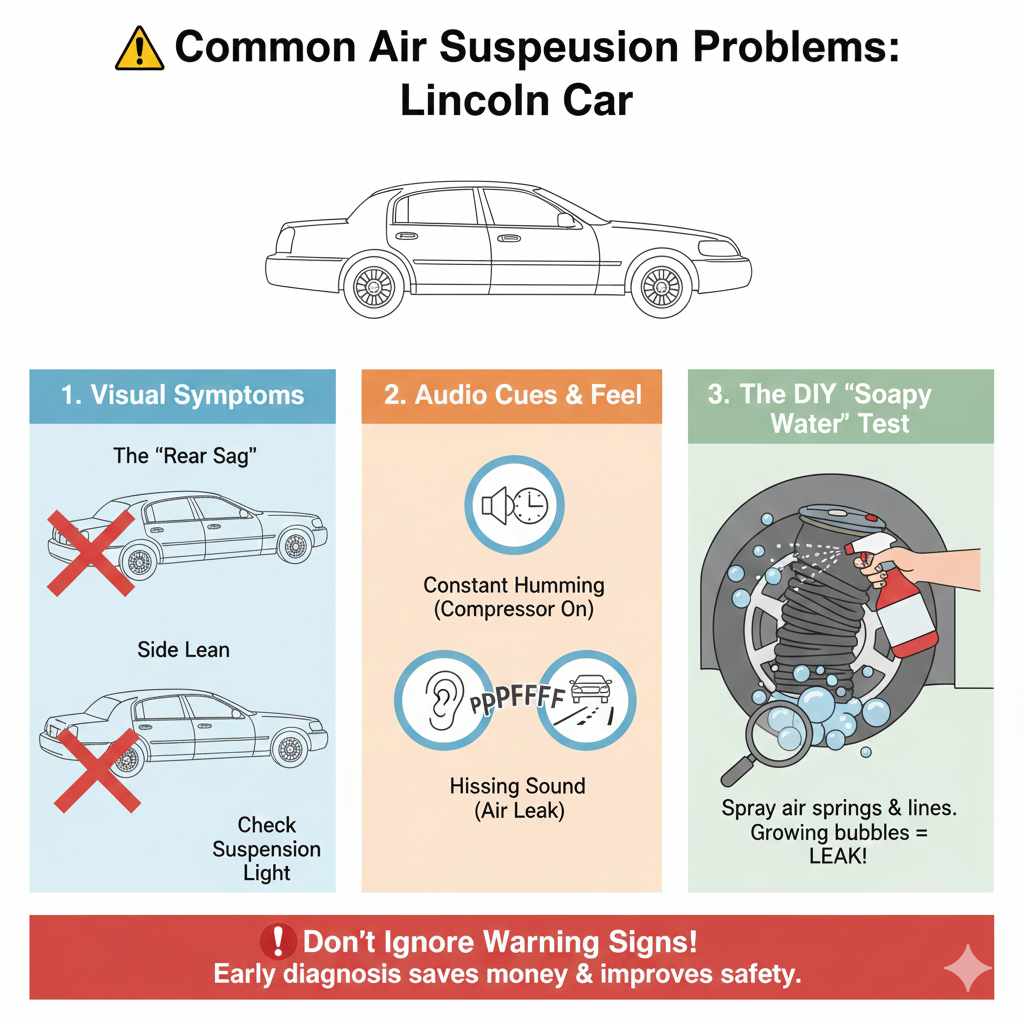
The Car Sags or Leans to One Side: This is a major sign that one or more air springs are leaking air. The affected corner of the car will sit lower than the others.
If your Lincoln Town Car starts to sag or lean to one side, it usually means that there is a leak in one of the air springs. This could be from a small hole, a tear in the rubber, or even just old age. This causes the air to escape, leaving that part of the car lower than the others. Checking the springs will help you find the leak. Repairing or replacing the faulty spring will fix the problem.
Rough Ride: If the air springs aren’t holding air properly, the car might feel bumpy when you drive.
A rough ride can be a sign that the air springs are not doing their job. If the air springs can’t hold the air, the car won’t be cushioned as well. You’ll feel every bump and dip in the road. This can make the car uncomfortable to drive, especially on long trips. Regular checks of the system will help you address the problems.
Compressor Runs Constantly: If the compressor runs all the time, it’s likely trying to compensate for leaks.
If your air compressor keeps running, even when the car is parked, it is trying to keep the air springs inflated because there’s a leak. This constant use can cause the compressor to wear out faster. If you hear the compressor working constantly, it’s important to have the system inspected for leaks to prevent further damage. Repairing the leaks quickly will prolong the life of the compressor.
Warning Lights on the Dashboard: Many Town Cars have warning lights that alert you to air suspension problems.
Your Lincoln Town Car’s dashboard has warning lights. The air suspension warning light will turn on if it detects an issue. These lights are there to warn you about potential problems. If the light comes on, it’s essential to check the suspension to find the issue. Addressing these problems immediately prevents major issues.
Step-by-Step Guide on How to Inflate Air Suspension on a Lincoln Town Car
Now, let’s learn how to get your air suspension back in shape. Following these steps can help you maintain your car. Here’s a detailed guide that makes the process of How to Inflate Air Suspension on a Lincoln Town Car simple.
Getting Started and Safety First
Before you begin, safety is the most important thing. Make sure you’re in a safe place and have everything you need. Ensure your safety before you begin working on your car. Let’s dive in.
Park on a Level Surface: Park your Lincoln Town Car on a flat, even surface. This ensures accurate measurements and avoids extra issues.
Parking on a level surface is important because it prevents any uneven pressure on the air springs. When the car is level, you can accurately assess if one side is lower than the other. This ensures the best performance and ride.
Turn Off the Engine and Set the Parking Brake: This prevents any unwanted movement while you are working. Always turn the engine off.
Before you start working, turn off the engine and set the parking brake. This simple step prevents the car from moving accidentally. It prevents any risk of injury and makes your work safer. Make it a habit to keep yourself safe.
Gather Your Tools: You’ll need a jack, jack stands, and possibly an air compressor. Always keep the tools nearby.
Having the right tools is important for any car repair job. If you do not have the right tools, it is best to take the car to a mechanic. If you have the tools, make sure you know how to use them safely. Having the correct tools helps make the process smoother.
Locate the Air Suspension Components: Familiarize yourself with the location of the air springs, compressor, and other parts. You’ll need to know where these things are to properly use them.
Knowing where everything is in your car makes the job much easier. Air springs are usually located near the wheels. The compressor is often under the hood. Familiarizing yourself with these parts can save you time. This knowledge is important for repairs.
Inflating the Air Suspension
Now, let’s get down to business. This process will make your ride comfortable again. Here is what you will need to do to begin.
Jack Up the Car (If Necessary): If you need to access the air springs or compressor, jack up the car. Secure it with jack stands.
If you’re working directly with the air springs or compressor, raise the car. Place the jack stands under the frame to keep it steady. This step provides better access to the components. Following safety precautions is a must.
Locate the Air Valve or Fill Port: Some Town Cars have a dedicated valve for inflating the air springs. It will look like a tire valve. If you have an air valve, this is the spot to add air.
The air valve is often near the air spring. Use a flashlight if you need to. It is made to add air with ease. This spot lets you add air with your compressor or a portable air source.
Connect an Air Compressor: Attach an air compressor to the air valve. Make sure the connection is snug. This will let you add the air.
Connect your air compressor or portable air source to the valve. Ensure a tight seal to prevent air leaks. This allows you to add air directly to the system. A tight connection avoids air leaks. If you do not have an air compressor, you can take your car to a mechanic for assistance.
Inflate the Air Springs: Slowly add air until the car reaches its normal ride height. Watch the air springs to prevent overinflation.
Carefully inflate the air springs, observing the car’s height. Inflate gradually to avoid overfilling. Overfilling can cause damage. Once the car is at the correct height, stop adding air.
Check for Leaks: After inflating, check for any leaks. Listen for hissing sounds or use soapy water to find leaks.
Check for leaks to ensure the system is holding air. A common way is to listen for hissing. You can also use soapy water. A leak will cause bubbles. This helps locate air leaks. Repair any leaks right away.
The average replacement cost for an air spring on a Lincoln Town Car is between $300 and $600 per spring, depending on labor and parts. Keeping an eye on your air springs can help you avoid costly repairs down the line. Preventative maintenance will save you money.
Maintaining Your Air Suspension
Regular maintenance will keep your air suspension running smoothly. Small actions now will prevent major problems later. Proper care will also help avoid issues. Here are a few key maintenance practices.
Regular Inspections and Care
Take care of your air suspension. Small efforts now will pay off later. Regular checks keep your Town Car running. Here are the simple steps.
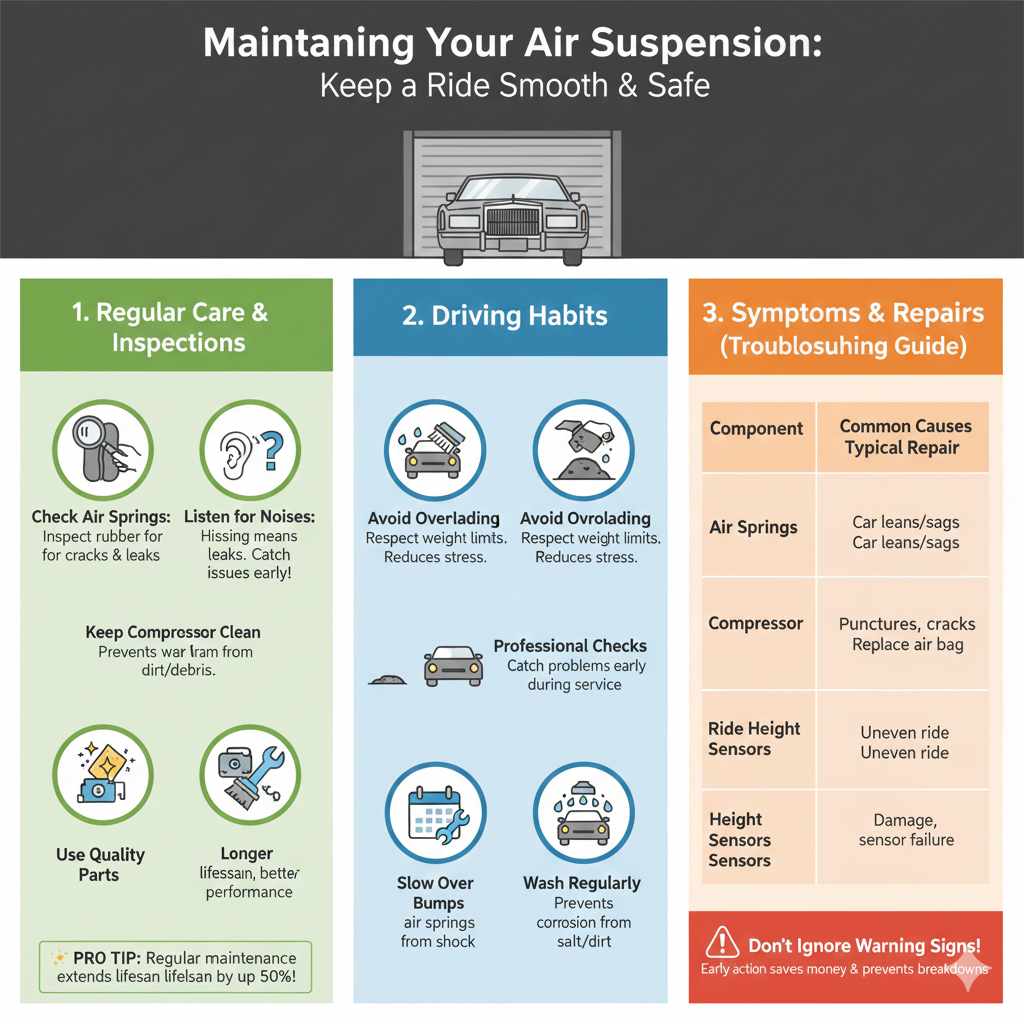
Check Air Springs Regularly: Inspect your air springs for cracks, leaks, or wear. Check the rubber for damage.
Inspect the air springs often to catch any problems early. Look for signs of damage or wear. This helps prevent sudden failures. Make this a part of your regular car care.
Listen for Unusual Noises: Pay attention to any hissing or other sounds. The sound of escaping air can suggest a leak.
Listen carefully for unusual noises while driving. Sounds such as hissing or popping can suggest a leak. This simple step can help you find issues quickly. Addressing the problem early can prevent major issues.
Keep the Compressor Clean: Keep the compressor free of dirt and debris. This helps it function properly.
Keep the compressor clean and clear of any dirt. Regular cleaning prevents it from wearing down faster. This will prevent issues with the system. A clean compressor lasts longer.
Use Quality Parts: When replacing components, always use high-quality parts. This will extend the life of your air suspension.
Use quality parts to replace the damaged components. This may cost more now, but it will save you money in the long run. High-quality parts last longer and perform better. Using quality parts will save you money.
Driving Habits
The way you drive can affect the air suspension. You can help extend the life. Here’s a look at what you should do to help protect your air suspension.
Avoid Overloading the Car: Don’t overload the car beyond its weight limit. Too much weight damages the suspension.
Don’t put too much weight in your Lincoln Town Car. Overloading puts more stress on the suspension. This will shorten its life. Check the weight limits in the owner’s manual. Following these limits helps your air suspension last longer.
Drive Carefully Over Bumps: Go slow over potholes and bumps. Avoid rough roads to reduce the stress on the system.
Be careful when you are driving over bumps and potholes. This helps protect the air springs. Avoid rough roads whenever possible. This will help your suspension last longer. Be gentle with your car.
Regularly Inspect the System: Have your air suspension checked during regular service. Professional inspections find problems quickly.
Have the air suspension system inspected. Regular inspections can find problems early. A qualified mechanic can catch issues before they get worse. Regular service helps your car stay in top condition.
Keep the System Clean: Regularly wash your car to keep the components free of road salt and debris. This helps prevent corrosion.
Wash your car frequently. Cleaning helps protect the air suspension from road salt and dirt. These elements can cause damage and corrosion. Wash the vehicle, including the undercarriage. This simple act can extend the life of your car.
Studies show that regular maintenance can extend the lifespan of an air suspension system by up to 50%. A little care goes a long way. Keeping up with regular maintenance will help prevent expensive issues.
| Component | Symptoms of Failure | Common Causes | Typical Repair |
|---|---|---|---|
| Air Springs | Car leans or sags | Punctures, cracks, wear | Replace air spring |
| Compressor | Compressor runs continuously | Leaks, electrical problems | Replace compressor |
| Ride Height Sensors | Uneven ride height | Damage, sensor failure | Replace sensor |
Frequently Asked Questions
Question: How often should I check my air suspension?
Answer: It’s good to check your air suspension every few months, or more often if you notice any unusual symptoms like a sagging car or rough ride.
Question: Can I fix air suspension problems myself?
Answer: Some basic issues, like inflating the air springs, can be done yourself. More complex problems might need professional help. If you aren’t familiar with car maintenance, have it checked by a mechanic.
Question: What’s the most common problem with air suspension?
Answer: Leaks in the air springs are one of the most common issues. These can be caused by wear, punctures, or age.
Question: What should I do if my air compressor fails?
Answer: If your air compressor fails, you’ll need to have it replaced. Don’t drive the car too far, as it could damage the rest of the suspension.
Question: Is it worth repairing an air suspension system?
Answer: Yes, repairing an air suspension system is often worth it. It improves the ride and handling of your Lincoln Town Car. Repairs can often restore the car’s original ride quality.
Final Thoughts
Learning How to Inflate Air Suspension on a Lincoln Town Car is a manageable task, even for beginners. Understanding the system’s components, recognizing problems, and following the steps can help you keep your Town Car running smoothly. Remember, regular inspections and basic maintenance go a long way in preventing major issues. Don’t let air suspension problems keep you from enjoying your classic Lincoln. By following these easy steps and taking good care of your car, you can ensure a smooth, comfortable ride for years to come. So, take the time to learn and maintain the system. You’ll be glad you did.