How To Keep Car From Rusting: Proven Essential Fixes
To keep your car from rusting, focus on regular washing in winter, immediate chip repair, and applying protective coatings like waxes or undercoating. Consistent cleanliness and barrier protection are your best defense against damage from road salt and moisture.
Rust, that ugly orange enemy, seems to appear out of nowhere, eating away at your car’s shiny finish and, worse, its strength. It’s frustrating because it lowers your car’s value and can lead to expensive repairs down the road. Maybe you live where it snows, or perhaps you just noticed a tiny bubble under the paint. Don’t worry! Protecting your vehicle is simpler than you think. You don’t need to be a professional mechanic to stop rust in its tracks. We will walk through easy, proven fixes you can start doing today to keep your ride looking great for years to come. Let’s dive into the essential steps for rust prevention!
Why Does Car Rust Happen? The Simple Science
Rust isn’t magic; it’s simple chemistry. Rust, or iron oxide, forms when iron (the main component in your car’s steel body) meets oxygen and water. This process is called oxidation.
When you drive, your car is constantly bombarded by things that speed up this chemical reaction:
- Moisture: Rain, snow, and humidity provide the water needed for oxidation.
- Oxygen: This is readily available in the air around us.
- Electrolytes (Road Salt): Salt mixed with snow and water acts as an electrolyte, making the chemical reaction happen much faster—like a fast-forward button for rust.
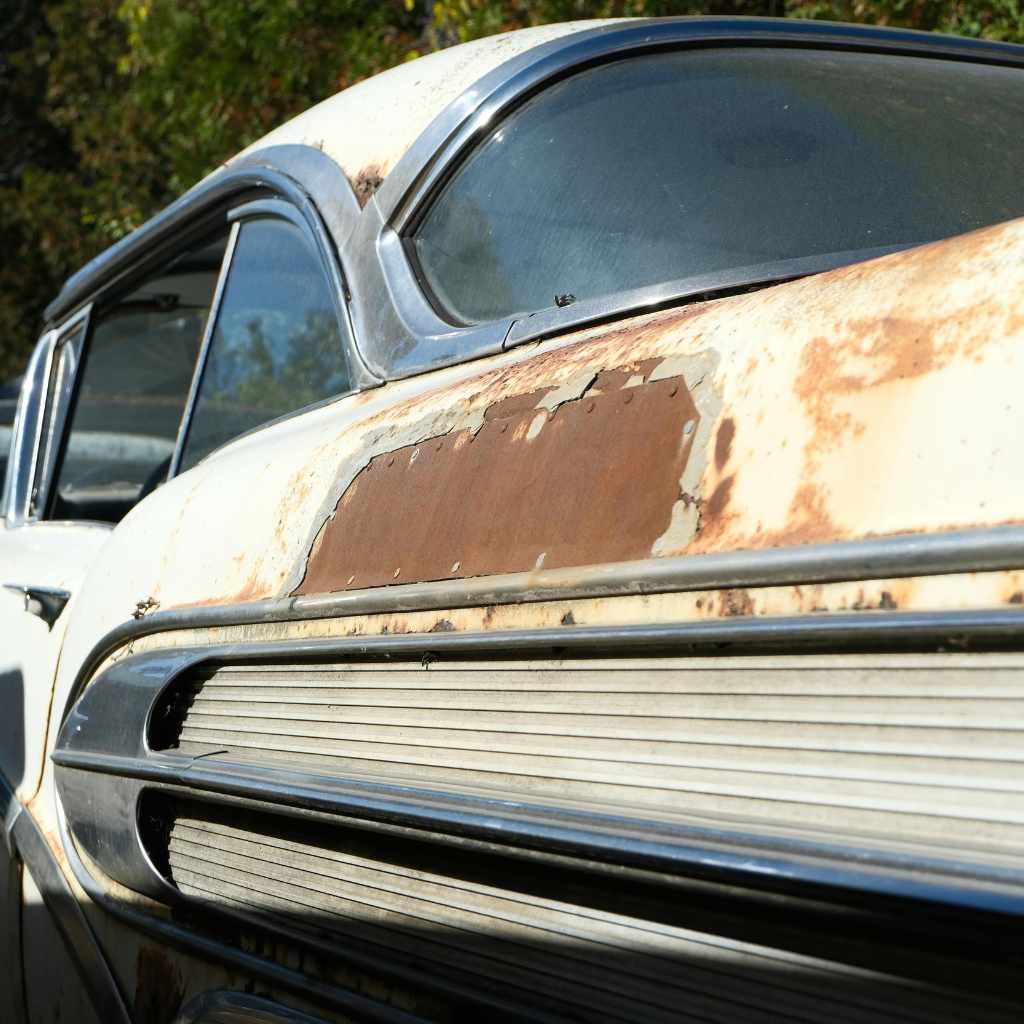
The bottom line is that any place where the protective paint layer is scratched or chipped is an open invitation for rust to start growing. Our goal is to seal that metal away from the elements.
Section 1: Daily Defense – Washing and Drying Habits
The easiest and most fundamental way to keep your car from rusting is by keeping it clean. This is especially crucial if you drive in areas that use road salt during winter months.
The Golden Rule: Wash Frequently, Especially in Winter
Road salt is the number one accelerator of rust. It doesn’t just sit on the surface; it gets trapped in crevices and around the wheel wells.
Here is how to make washing count:
- Frequency: Aim to wash your car every one to two weeks, especially between November and March if you experience snow.
- Focus on the Undercarriage: This is where most damage starts. Use a high-pressure self-service wash bay that offers an “undercarriage spray” option. If you can’t get underneath, try aiming the nozzle up into the wheel wells.
- Hot Water Helps: If possible, use warmer water during winter washes. Cold water can freeze immediately, but warm water helps dissolve and wash away stubborn salt deposits more effectively.
The Importance of Thorough Drying
Leaving standing water on your vehicle is like leaving a puddle of rust accelerant. Water left sitting in door jambs, around badges, or in trim pieces will cause localized rust.
After washing, take these steps:
- Use a soft, absorbent microfiber towel or chamois to dry the body panels.
- Gently dry the edges of doors, the trunk lid, and the fuel filler door.
- If you can, use a leaf blower (on a low, cool setting) or compressed air to blow water out of tight areas like mirror mounts and door handle crevices.
Section 2: Quick Fixes – Repairing Chips and Scratches Immediately
Even the best washes can’t prevent every bit of wear and tear. A tiny stone chip can easily become a frustrating rust spot if ignored for just a few weeks. This section focuses on repairing tiny damage before it spreads.
Step 1: Inspect for Damage
Walk around your car periodically, especially after long highway drives. Look closely at the front bumper, hood edges, side mirrors, and rocker panels (the area below the doors). These take the most abuse.
Damage usually looks like:
- Small, dark brown or red spots (early rust).
- Paint chips where the bare metal is visible (potential rust spot).
- Bubbling paint (rust has already started underneath).
Step 2: Acquire the Right Touch-Up Paint
You must match your car’s exact factory color code. Most car manufacturers put the paint code sticker either on the driver’s side door jamb, under the hood, or sometimes in the owner’s manual.
You can buy touch-up paint systems from:
- Your dealership’s parts department.
- Reputable auto parts stores.
- Online suppliers who color-match using your vehicle’s VIN or color code.
Step 3: The Beginner’s Guide to Chip Repair
This is simple repair that requires a steady hand, not complex tools.
- Clean the Area: Use rubbing alcohol or a dedicated wax/grease remover to thoroughly clean the chip site. Allow it to completely dry.
- Address Active Rust (If Present): If you see actual orange rust, you must remove it first. Gently use a very fine-grit sandpaper (around 400-grit) or a tiny wire brush to lightly scratch away all visible rust until you reach clean, shiny metal. Wipe away the dust.
- Apply Primer (Recommended): If the chip goes down to bare metal, apply one thin layer of rust-inhibiting primer using the fine brush in the kit. Let it dry fully (check the paint bottle instructions).
- Apply Base Coat Color: Apply the base coat color paint. Do this in several very thin layers rather than one thick layer. A thick coat will look messy. Let each layer dry for about 15–30 minutes.
- Apply Clear Coat: Once satisfied with the color coverage, apply a thin layer of clear coat to blend the repair and protect the color.
Pro Tip: Think of it like painting your nails. Thin, even coats dry better and look much smoother than one heavy blob of paint.
Section 3: Protective Barriers – Coatings for Long-Term Defense
While cleaning handles the surface, applying a protective barrier shields the metal from the environment entirely. This is where we get proactive about long-term rust prevention.
Waxing: Your Paint’s First Line of Defense
Wax creates a sacrificial layer over your clear coat. If salt or grit hits the car, it hits the wax first, not your paint.
How Often?
A good quality carnauba wax or synthetic sealant should be applied every 2 to 3 months during driving season. If you live in a harsh, salty environment, consider applying it before winter hits and reapplying mid-season.
Undercoating and Rustproofing: Protecting the Underside
The underside of your car is the most vulnerable area because it’s constantly splashed with water, dirt, and salt slush. Applying specialized protection here is the single most effective anti-rust measure you can take for areas that are hidden.
There are generally two main types of undercoating:
| Type of Coating | Mechanism | Best For |
|---|---|---|
| Traditional (Tar-Based) Coating | Creates a thick, hard, waterproof barrier. | Long-term, static protection on new cars. Can trap existing moisture if applied incorrectly. |
| Woolwax/Fluid Film (Creeping Oils) | Penetrates small seams and creeps into crevices, pushing out moisture. Needs reapplication yearly. | Older vehicles, areas with existing light rust, and winter-heavy climates. DIY friendly. |
For beginners, fluid-based coatings (like lanolin or paraffin oil sprays) are often the easiest and safest DIY option. They creep into seams where standard paint can’t reach. You spray them onto the frame, suspension components, and inner body panels. Check out reputable brands like The National Highway Traffic Safety Administration’s resources for general vehicle maintenance guidelines, which often touch upon corrosion prevention.
Don’t Forget the Inside: Sealing Door Jambs and Trunk Crevices
Rust often starts where two pieces of metal meet, like the seams inside your door jambs or where the trunk floor panel meets the side panel. These areas collect moisture and debris.
Use a wax-based rust preventative spray (often sold in aerosol cans with a long straw applicator) to mist these hidden seams annually before winter. This coating won’t dry hard, so it stays pliable and keeps water from sitting against the metal.
Section 4: Environmental Control – Where You Park Matters
Where you store your vehicle plays a huge role in its lifespan. Concrete, humidity, and sunlight all affect the integrity of your paint and metal.
The Garage Advantage
Parking inside a warm, dry garage is ideal. However, there’s a catch homeowners often overlook:
The Warming Effect: When you drive a car covered in snow and salt into a warm garage, the heat melts the snow and salt quickly. This sudden rush of salty water sitting on the metal is very corrosive. If the garage is not well-ventilated, the trapped humidity speeds up the process.
Smart Garage Parking Tips:
- If possible, wait until the snow or ice has mostly melted off the car before pulling it into a warm garage.
- If you must park it immediately, open the doors briefly (for 5–10 minutes) to allow the trapped warm, moist air to escape before closing everything up.
If You Must Park Outdoors
If a garage isn’t an option, focus on minimizing direct exposure:
- Avoid Low Spots: Don’t park in areas where rainwater puddles or sits for a long time.
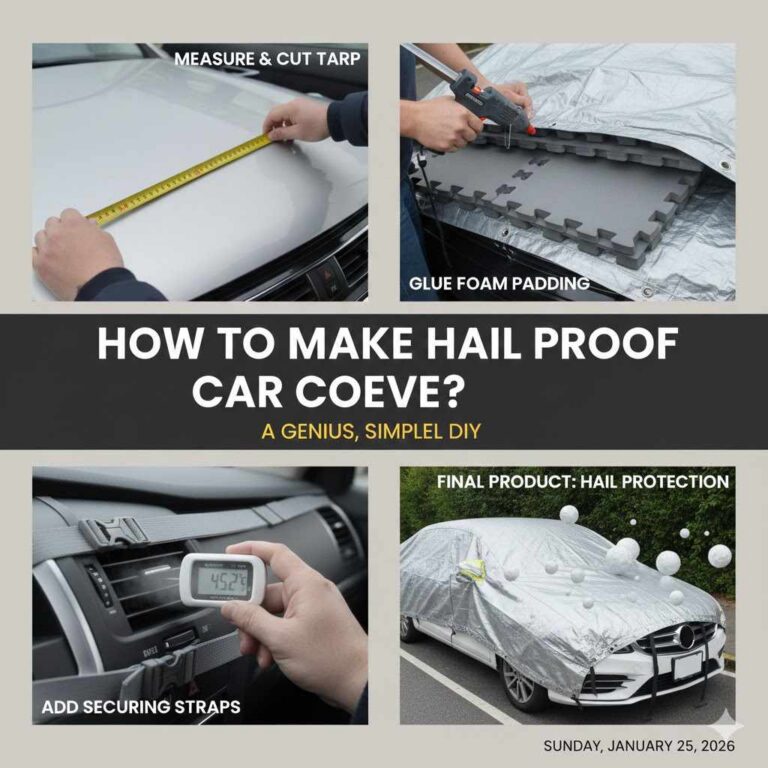
- Use a Quality Car Cover (Carefully): If you use a cover, ensure it is breathable. A cheap plastic tarp traps moisture against the paint, which encourages mildew and rust. Breathable covers allow trapped moisture to evaporate.
- Check Under Trees: Sap, bird droppings, and fallen leaves hold moisture against the paint surface. Wash these off immediately if your car sits under trees for long periods.
Section 5: Advanced Care for High-Risk Areas
Some areas of the car are simply more prone to rusting due to design or chemical exposure. Focus extra preventative energy here.
Wheel Wells and Rocker Panels
These areas take constant abuse from flung stones and road chemicals. If the factory liner gets damaged or falls out, you are exposing raw metal to every splash.
DIY Inspection Routine:
- Visually inspect all wheel well liners monthly. If you find a large crack, use heavy-duty silicone sealant or even duct tape temporarily to plug the hole until a proper liner can be replaced.
- After washing, spray a protective rubberized coating (like bed liner spray, carefully applied) to the inside of the wheel wells for extra rock chip protection.
Drain Holes: Keeping Water Moving
Car bodies are designed with small drain holes to let out water that seeps in during heavy rain or washing. If these get clogged with dirt, leaves, or debris, water sits inside the panel, causing rust from the inside out.
Key drain locations to check:
- The bottom edges of doors.
- The area directly under the battery tray (if applicable).
- All corners of the trunk floor.
To clear them, use a thin piece of wire (like a straightened paperclip) or a thin nylon brush. Be gentle; you just want to puncture the debris blockage, not widen the hole.
Exhaust System Care
The exhaust system rusts quickly because it deals with intense heat and acidic condensation. While you can’t paint it easily, regular inspection is key. If you notice your exhaust pipe thinning or developing holes, it needs replacement. Rust management here is more about spotting imminent failure than prevention.
Summary of Rust Prevention Actions
To give you a clear checklist, here is a quick reference table summarizing when and what to do.
| Action | Frequency | Best Time/Condition |
|---|---|---|
| Wash Undercarriage | Every 2–4 weeks (Weekly in winter) | After driving on salted roads. |
| Apply Wax/Sealant | Every 2–3 months | When the paint starts to look dull or wet spots dry too quickly. |
| Inspect/Repair Chips | Monthly or after long trips | As soon as bare metal is spotted. |
| Apply Penetrating Oil (Fluid Film) | Annually | Late fall, before winter driving begins. |
| Clear Debris from Drain Holes | Twice a year (Spring and Fall) | When changing seasons to prep for heavy rain or snow. |
Frequently Asked Questions (FAQ) for Beginners
Q1: Can I stop rust that has already started spreading?
A: Surface rust (light brown discoloration) can often be stopped by aggressively sanding it down to clean metal and immediately applying primer and paint. Once rust has penetrated deep into structural metal (like a hole), professional repair or panel replacement is usually necessary.
Q2: Is washing my car in the cold bad for the paint?
A: Washing in the cold is fine, but you must dry the car immediately, especially around seals and door edges, or the water will freeze and potentially damage seals. Use warm water if possible, and avoid automatic washes that blast freezing air directly at the vehicle.
Q3: How do I know if my touch-up paint matches?
A: The best match comes from using the specific paint code for your car (found on the door jamb sticker). Even with the correct factory code, touch-up paint might look slightly different if your original paint is very old due to sun fading. Use thin layers and try to feather the repair into the surrounding paint for the best blend.
Q4: What is the difference between rustproofing and undercoating?
A: Undercoating usually refers to a thick, rubbery, or tar-like substance applied to the wheel wells and frame rails to resist physical damage and water intrusion. Rustproofing often refers to oil-based or wax-based products that creep into seams and actively displace moisture, preventing rust from forming inside cavities.
Q5: Will detailed car care training help me avoid future rust?
A: Yes. Understanding simple automotive best practices, like those discussed here, builds confidence. Resources like the Consumer Reports automotive section or local automotive education programs can provide more in-depth maintenance schedules that complement these hands-on fixes.
Q6: Do I need to replace my plastic fender liners if they crack?
A: While not strictly required for driving, cracked or missing fender liners expose the metal behind them to constant stone chips and mud splatter. It is highly recommended to replace or temporarily seal these liners, as they are key to protecting the backside of your paint finish.
Conclusion: Taking Control of Your Vehicle’s Health
Keeping your car from rusting isn’t a one-time chore; it’s a commitment to simple, regular maintenance. By incorporating these proven fixes—frequent washing (especially of the belly), immediately addressing paint chips, and applying protective barriers like quality wax and specialized undercoatings—you are actively fighting the elements. You now have the knowledge to look beyond the surface shine and protect the vital structure underneath. Remember, small actions done consistently save you massive repair bills later. Drive confidently, knowing you are equipped to keep your vehicle sound, safe, and rust-free for many miles ahead.