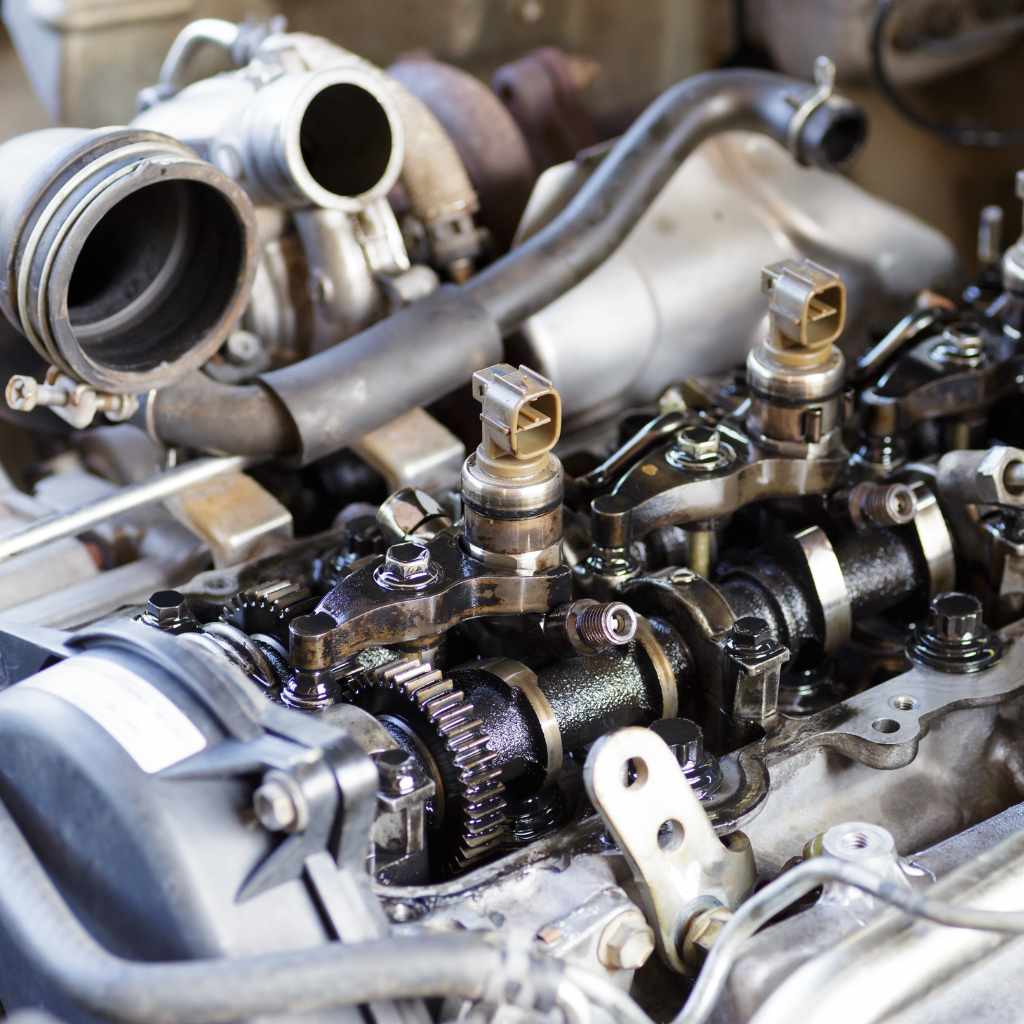
How To Prevent Carbon Buildup In Direct Injection Engines
Dealing with carbon buildup in your car’s engine can seem tricky, especially if you’re new to car maintenance. Direct injection engines have specific needs, and understanding them is key. But don’t worry!
We’ll walk you through How to Prevent Carbon Buildup in a Direct Injection Engine with simple steps. Get ready to learn how to keep your engine running smoothly.
Why Carbon Buildup Happens in Direct Injection Engines
Direct injection engines are pretty cool. They spray fuel right into the combustion chamber, which makes them more efficient and powerful than older engine types. However, this design also means that the intake valves don’t get the cleaning effect of fuel washing over them.
As a result, oil vapors and unburned fuel can stick to the hot intake valves and ports, gradually turning into hard carbon deposits. These deposits can get quite significant over time.
Understanding the Direct Injection System
In a traditional port-injected engine, fuel is sprayed into the intake manifold, before the intake valve. This fuel spray helps to keep the intake valves clean by washing away any oil vapors or other residues that might pass by the valve stem seals. The fuel then enters the combustion chamber where it mixes with air.
Direct injection engines, on the other hand, inject fuel directly into the combustion chamber at very high pressures. This allows for more precise control over the fuel-air mixture, leading to better fuel economy and lower emissions. However, because the fuel is injected after the intake valve, there’s no fuel washing action to clean the back of the valves.
This is the primary reason why carbon buildup is a more common issue with these engines.
Factors Contributing to Carbon Buildup
Several things can make carbon buildup worse:
- Driving Habits: Lots of short trips where the engine doesn’t get fully warmed up can contribute. When the engine is cold, combustion isn’t as efficient, leading to more unburned fuel and oil vapor.
- Oil Quality and Type: Using the wrong type or lower-quality oil can lead to more oil vapor escaping into the intake system.
- Engine Design: Some direct injection engine designs are more prone to carbon buildup than others due to factors like PCV system routing and valve stem seal design.
- Environmental Conditions: Extreme temperatures or driving in dusty conditions can sometimes play a role, though less significantly than driving habits.
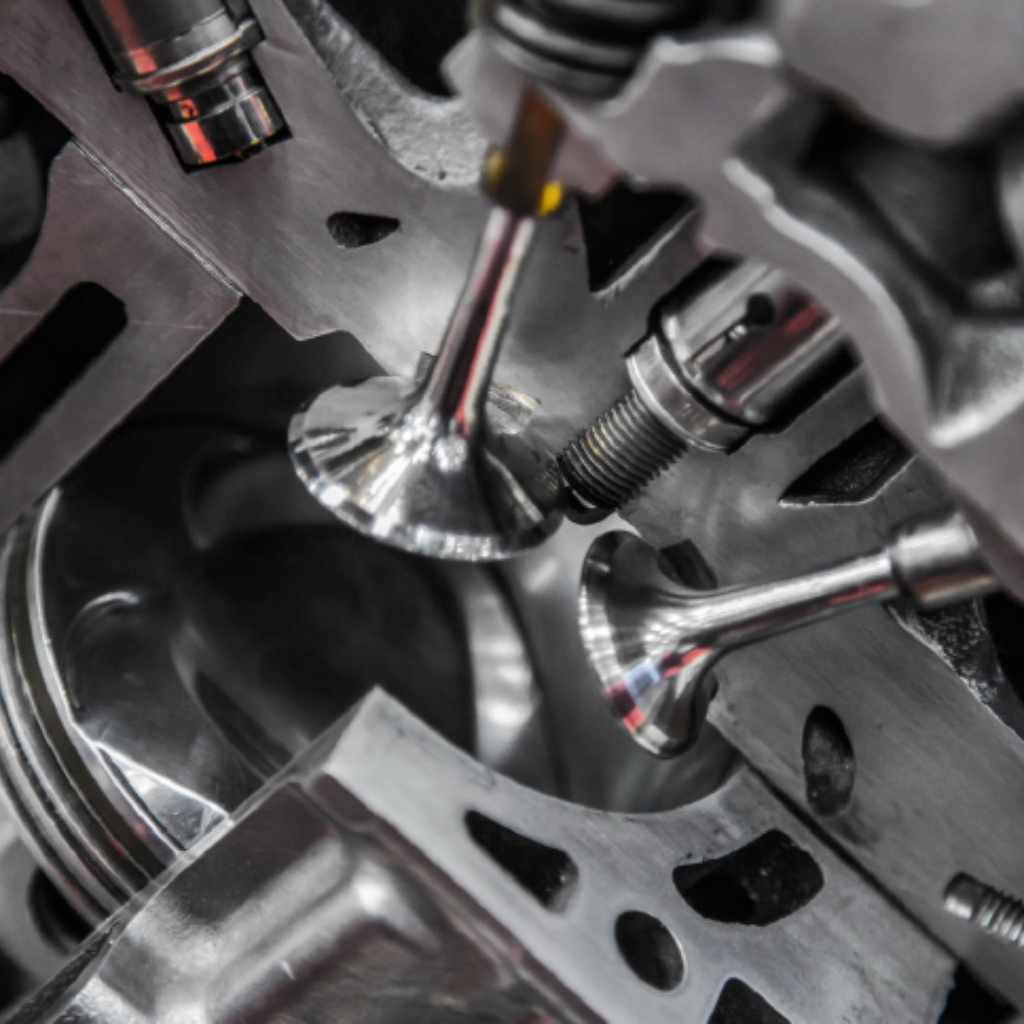
The Impact of Carbon Buildup
When carbon starts to form on your intake valves, it’s not just a cosmetic issue. It can seriously affect how your engine performs. Here’s what happens:
Reduced Airflow
Imagine trying to breathe through a straw with something blocking the end. That’s essentially what happens to your engine when carbon builds up on the intake valves. The deposits restrict the amount of air that can enter the combustion chamber.
Less air means less fuel can be burned efficiently, leading to a loss of power.
Poor Fuel Efficiency
With reduced airflow and less efficient combustion, your engine has to work harder to produce the same power. This often translates directly into worse gas mileage. You’ll start noticing you’re filling up the gas tank more often.
Rough Idling and Hesitation
Carbon deposits can cause the intake valves to not seal properly. This means some air might leak out when it shouldn’t, or not enough air can get in. This can cause the engine to run unevenly, leading to a rough idle, sputtering, or hesitation when you accelerate.
Increased Emissions
When the fuel-air mixture isn’t optimal due to airflow restrictions, the combustion process becomes less complete. This results in higher levels of harmful emissions being released from your exhaust. Your car might fail an emissions test because of this.
Potential for Engine Damage
In severe cases, large carbon chunks can break off the intake valves and fall into the combustion chamber. This can cause significant damage to pistons, cylinder walls, and valves. It’s a serious issue that can lead to very expensive repairs.
Methods to Prevent Carbon Buildup
Fortunately, you can take steps to keep your direct injection engine clean. Prevention is always better than cure, and these methods are designed to be straightforward.
Regular Oil Changes with Quality Oil
This is fundamental for any engine, but especially for direct injection. Using a high-quality synthetic oil that meets your manufacturer’s specifications is important. Synthetic oils are generally better at withstanding heat and preventing breakdown.
Make sure to change your oil and filter according to your car’s maintenance schedule, or even a bit sooner if you often drive in harsh conditions.
Why it helps: High-quality oil is less likely to produce excessive vapor that can travel into the intake system and contribute to carbon formation. Regular changes ensure the oil’s lubricating and cleaning properties are maintained.
Using Top-Tier Gasoline
Top-tier gasoline is specifically formulated with higher levels of detergents and additives. These additives are designed to help keep fuel injectors and intake valves clean. While direct injection engines don’t have fuel washing the intake valves, the overall cleanliness of the combustion process can still be influenced by the fuel used.
Why it helps: These detergents can help reduce the rate at which deposits form and can, to some extent, help clean existing minor buildup. It’s a simple change that can have a positive cumulative effect.
Driving Habits Matter
As mentioned, short trips can be problematic. Whenever possible, try to incorporate longer drives into your routine. A good highway run allows the engine to reach and maintain its optimal operating temperature.
This higher temperature helps burn off some of the deposits that might otherwise accumulate.
Why it helps: Higher engine temperatures promote more complete combustion and can help vaporize or burn away some of the lighter carbon precursors before they harden into tough deposits.
Periodic Induction Cleaning or Fuel System Cleaning
Many mechanics recommend periodic intake manifold or fuel system cleaning services. This usually involves a special chemical solution being introduced into the engine’s intake system while the engine is running. This solution is designed to break down and remove carbon deposits from the intake valves and ports.
How it works: The cleaning solution is typically introduced through a vacuum line or a specialized spray nozzle connected to the intake. It’s then drawn into the engine and atomized, circulating through the intake ports and over the valves. The heat of combustion and the chemical action work together to dissolve and remove the carbon buildup.
This is often done every 20,000 to 30,000 miles, or as recommended by your vehicle manufacturer or a trusted mechanic.
PCV System Maintenance
The Positive Crankcase Ventilation (PCV) system is designed to vent crankcase gases back into the intake system to be re-burned. While this is good for emissions, it can also introduce oil vapor, a primary contributor to carbon buildup. A clogged or malfunctioning PCV system can increase the amount of oil vapor entering the intake.
Why it helps: Ensuring your PCV valve is functioning correctly and replacing it as part of your regular maintenance schedule can help regulate the flow of these vapors, reducing their contribution to carbon deposits.
Consider a Catch Can
A PCV catch can (also known as an oil separator or oil catch can) is a device installed in the PCV system that traps oil vapor before it can re-enter the intake manifold. The trapped oil can then be drained out periodically. This is a popular modification among car enthusiasts concerned about carbon buildup.
How it works: As the crankcase gases flow through the catch can, the oil vapor cools and condenses, collecting in the bottom of the can. This significantly reduces the amount of oil and other contaminants that reach the intake valves, thereby minimizing the fuel for carbon deposits. Installation is typically straightforward for most DIYers, but professional installation is also an option.
When Prevention Isn’t Enough
Despite your best efforts, some carbon buildup might still occur over the life of the vehicle. If you notice symptoms like rough idling, reduced power, or poor fuel economy, it might be time for a more aggressive cleaning.
Professional Intake Valve Cleaning Service
When DIY methods or fuel additives aren’t sufficient, a professional intake valve cleaning is often the most effective solution. This process uses specialized equipment and chemicals to thoroughly clean the intake valves without requiring the engine to be fully disassembled.
The process typically involves:
- Connecting a specialized cleaning machine to the engine’s intake system.
- Running the engine at a specific RPM.
- Introducing a potent chemical cleaning solution through the machine.
- Allowing the solution to work on the carbon deposits on the back of the intake valves.
- Running the engine at higher RPMs to burn off any residue and clear the intake system.
This service is highly effective at restoring proper airflow and engine performance. It’s generally recommended every 30,000 to 50,000 miles, depending on the vehicle and driving conditions.
Decarbonizing the Engine
In more extreme cases, or as part of a more comprehensive service, a full engine decarbonization might be performed. This can sometimes involve more hands-on cleaning of ports or even manual cleaning of valves if the buildup is very severe. However, for most direct injection engines experiencing typical carbon issues, the specialized intake cleaning service is usually sufficient.
DIY vs. Professional Cleaning
Many car owners like to do their own maintenance. For preventing carbon buildup, regular oil changes and using good fuel are easy DIY tasks. Adding a catch can is also manageable for many with basic tools.
However, for actual cleaning of accumulated carbon, especially on intake valves, professional service is often the safest and most effective route.
DIY Advantages:
- Cost savings
- Learning experience
- Convenience
Professional Advantages:
- Specialized tools and chemicals
- Expert knowledge and experience
- Guaranteed results (usually)
- Safer for the engine if done incorrectly by a DIYer
For intake valve cleaning, the chemicals and equipment used by professionals are often more potent and specific than what’s readily available to consumers. Improper use of strong cleaning agents can potentially damage engine components.
Comparing Maintenance Strategies
Let’s look at how different strategies stack up:
| Strategy | Effectiveness Against Carbon Buildup | Ease of Implementation (DIY) | Cost | Frequency Recommendation |
|---|---|---|---|---|
| Regular Oil Changes (Quality Synthetic) | Moderate (Preventative) | Easy | Low to Moderate | Every 5,000-7,500 miles |
| Using Top-Tier Gasoline | Low to Moderate (Preventative) | Easy | Slightly Higher Fuel Cost | Always |
| Incorporating Longer Drives | Moderate (Preventative) | Easy | Free | Weekly or Bi-weekly |
| PCV System Maintenance | Moderate (Preventative) | Moderate | Low | Every 30,000-60,000 miles (or as needed) |
| Install Oil Catch Can | High (Preventative) | Moderate | Moderate | Check/Drain monthly, inspect annually |
| Fuel System/Induction Cleaner (Additive) | Low to Moderate (Preventative/Minor Cleaning) | Easy | Low to Moderate | Every 15,000-30,000 miles |
| Professional Intake Valve Cleaning Service | Very High (Corrective) | Not Applicable | High | Every 30,000-50,000 miles (or when symptoms appear) |
Frequently Asked Questions
Question: How often should I clean my direct injection engine’s intake valves?
Answer: It’s recommended to have a professional intake valve cleaning service every 30,000 to 50,000 miles, or sooner if you notice symptoms like rough idling or reduced power. Regular preventative measures can extend this interval.
Question: Can using a fuel injector cleaner additive prevent carbon buildup on intake valves?
Answer: Fuel injector cleaner additives primarily clean the fuel injectors and combustion chamber. While they contribute to overall engine health, they do not directly clean the intake valves in a direct injection engine because fuel doesn’t wash over them.
Question: What are the first signs of carbon buildup in my direct injection engine?
Answer: Early signs include a slightly rough idle, hesitation during acceleration, a noticeable decrease in fuel economy, and sometimes a check engine light for misfires or lean conditions.
Question: Is it safe to use a seafoam treatment on my direct injection engine?
Answer: Seafoam and similar products can be used in the intake system of direct injection engines, but care must be taken. It’s often best done by a professional who knows the correct procedure to avoid hydrolocking the engine or causing damage from overly aggressive cleaning.
Question: Will driving my car hard prevent carbon buildup?
Answer: Occasional spirited driving or highway runs are beneficial as they help the engine reach higher operating temperatures, which can burn off some deposits. However, “driving hard” constantly without proper engine warmup can sometimes create more issues than it solves. Consistent higher temperatures are the key.
Final Thoughts
Keeping your direct injection engine running smoothly involves understanding its unique needs, especially concerning carbon buildup. By adopting a proactive approach, you can significantly reduce the chances of encountering serious issues. Regular maintenance like using quality oil and top-tier fuel are your first lines of defense.
Simple changes to your driving habits, such as incorporating longer trips, can also make a real difference. Considering an oil catch can is a smart step for many owners looking to enhance preventative measures. When deposits do start to form, professional intake valve cleaning services offer a highly effective solution to restore performance.
Taking these steps helps maintain your engine’s efficiency, power, and longevity, ensuring a better driving experience and potentially saving you from costly repairs down the road.