How to Properly Ground a Car Battery: Expert Tips for Safety
When it comes to your car’s battery, one simple step can save you from a lot of trouble: proper grounding. If your battery isn’t grounded correctly, your car might face electrical issues, starting problems, or even damage to key parts.
You might not see the problem right away, but it can cause frustration down the road. You’ll learn exactly how to ground your car battery the right way—quickly, safely, and effectively. Stick with me, and you’ll avoid costly mistakes and keep your car running smoothly.
Let’s get started!
Importance Of Battery Grounding
Proper battery grounding is key for any car’s electrical system. It ensures the battery’s energy flows safely and efficiently. Without good grounding, many problems can occur. These issues affect the car’s performance and safety. Understanding why grounding matters helps maintain your vehicle better.
Preventing Electrical Issues
Battery grounding stops electrical problems like flickering lights. It avoids voltage drops that can harm sensitive parts. A poor ground causes the car’s electronics to fail or act oddly. Good grounding keeps the electrical system stable and reliable. This reduces repair costs and keeps systems working smoothly.
Enhancing Vehicle Performance
Strong grounding helps the engine run well. It ensures the starter gets enough power to turn the engine. Sensors and computers receive correct signals from a solid ground. This means better fuel use and smoother driving. Proper grounding supports all parts working together efficiently.
Avoiding Safety Hazards
Bad grounding can cause sparks and short circuits. These lead to fires or damage to the car’s wiring. A secure ground reduces the chance of electric shocks. It protects both the vehicle and people inside it. Safety improves with proper battery grounding every time.
Tools And Materials Needed
Properly grounding a car battery requires specific tools and materials. Having the right items makes the job easier and safer. It ensures a solid connection and prevents electrical problems. Below, find the essential tools, safety gear, and recommended materials for this task.
Essential Tools
A wrench or socket set is needed to loosen and tighten battery terminals. A wire brush helps clean corrosion from battery posts and connectors. Needle-nose pliers can assist with small clips or wires. A multimeter checks electrical connections and voltage levels. These tools ensure a secure and effective ground.
Safety Gear
Wear safety goggles to protect your eyes from sparks or battery acid. Gloves protect your hands from chemicals and sharp parts. Use long sleeves and pants to avoid skin contact with battery acid. Keep a fire extinguisher nearby in case of emergencies. Safety gear reduces risks during the grounding process.
Recommended Materials
Use a high-quality grounding cable with proper thickness for your vehicle. Battery terminal protectors prevent corrosion and extend battery life. Dielectric grease helps seal connections against moisture. Clean cloths or rags are useful to wipe dirt and acid residues. These materials improve grounding quality and battery performance.
Preparing For Grounding
Preparing your car for battery grounding is a key step to ensure safety and success. This stage helps avoid sparks, shocks, and damage to your vehicle’s electrical system. It also makes the grounding process smooth and effective.
Follow these simple steps before you start grounding your car battery. Each step sets the foundation for a safe and proper connection.
Locating The Battery
Open your car’s hood carefully. Look for a rectangular box with two cables attached. This is the battery. Usually, it sits near the front of the engine compartment. Some cars may have the battery in the trunk or under the rear seat. Check your car manual if unsure.
Identifying Ground Points
Ground points are metal parts of the car’s body or engine. They connect the battery’s negative terminal to the car’s frame. Look for a clean, unpainted metal surface near the battery. Common ground points include bolts or brackets on the engine block or chassis. A good ground point ensures a strong connection.
Ensuring Vehicle Is Off
Turn off the car’s engine completely. Remove the key from the ignition. Switch off all electrical accessories like lights and radio. This step prevents electrical shorts and reduces the risk of shock. It also protects your car’s electronics during grounding.
Step-by-step Grounding Process
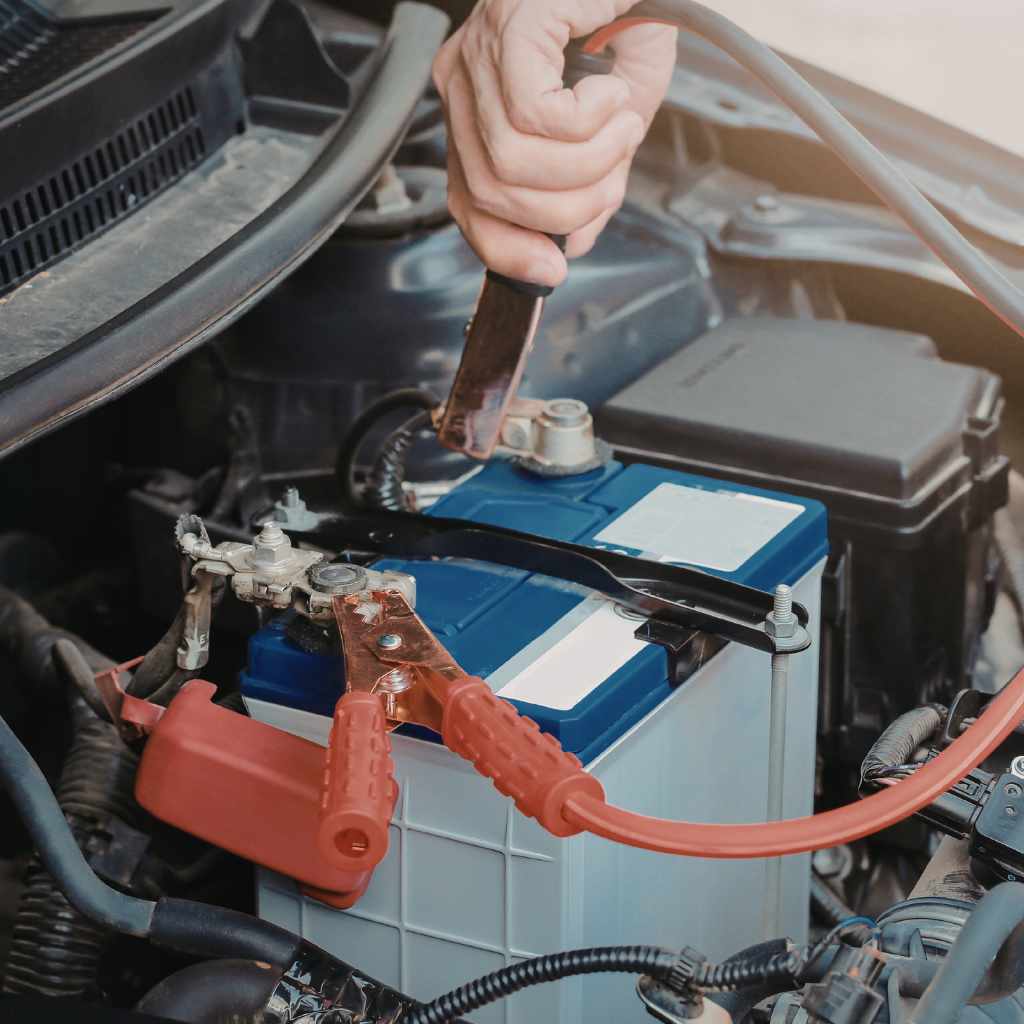
Properly grounding a car battery is essential for safe and reliable vehicle performance. The grounding process connects the battery’s negative terminal to the car’s chassis. This ensures a stable electrical path and prevents electrical problems. Follow these clear steps to ground your car battery correctly.
Cleaning Battery Terminals
Start by removing any dirt or corrosion from the battery terminals. Use a wire brush or terminal cleaner. Clean terminals help ensure a strong electrical connection. Wipe off any debris with a clean cloth. Make sure the terminals are dry before proceeding.
Attaching The Ground Cable
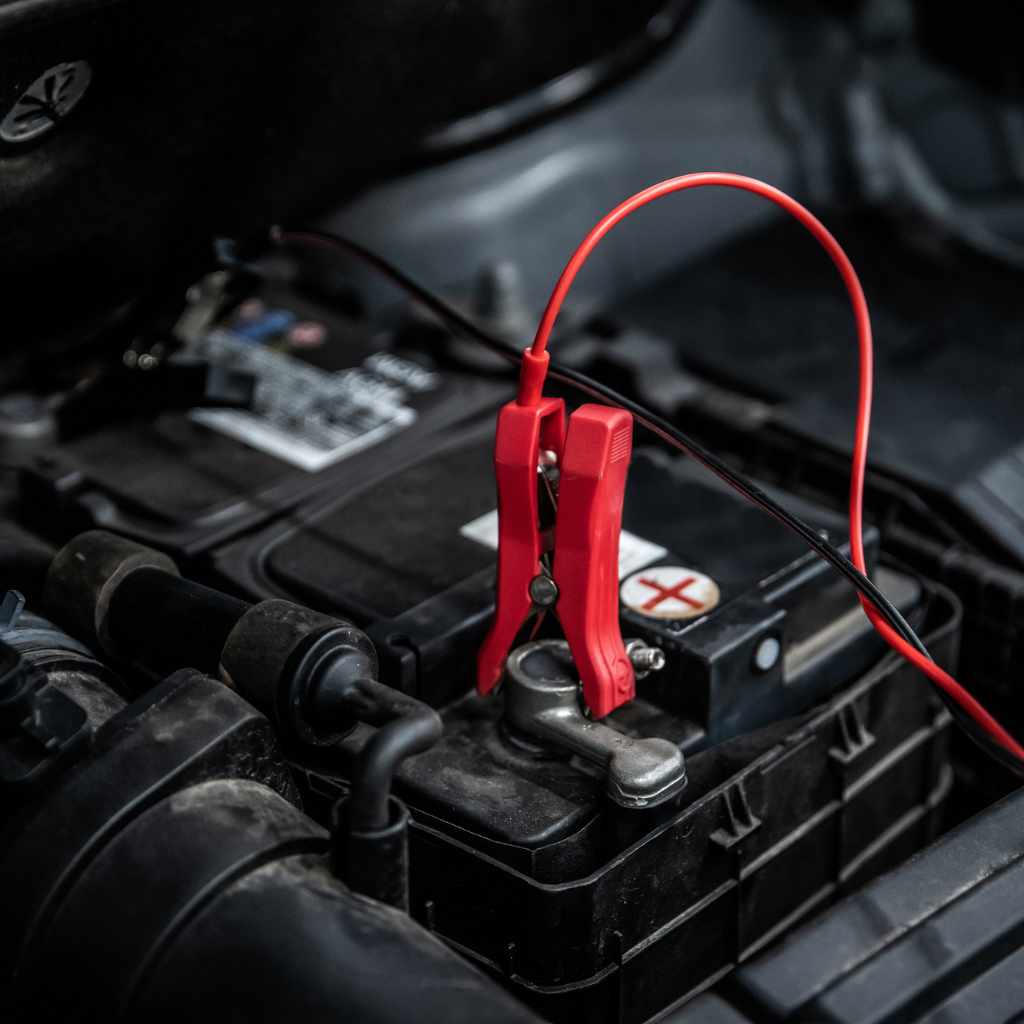
Locate the negative terminal of the battery. Attach the ground cable to this terminal firmly. Check that the cable fits snugly without wiggle. A loose connection can cause electrical issues. Connect the other end of the cable to a clean metal part of the car’s frame.
Securing Connections
Tighten the cable clamps using a wrench or pliers. The connection must be tight but avoid over-tightening. Loose connections may cause power loss. After tightening, check for any movement. A secure connection ensures steady current flow for your car.
Common Grounding Mistakes
Grounding a car battery is simple but easy to get wrong. Mistakes in grounding cause starting problems and electrical issues. Avoiding common errors saves time and money. Learn what to watch for to ensure a safe connection.
Using Corroded Surfaces
Corrosion stops electricity from flowing well. Rust or dirt on the metal surface blocks a good ground. Always clean the area before attaching the cable. Use sandpaper or a wire brush to remove corrosion. A clean surface means better contact and a stronger ground.
Loose Connections
A loose ground cable causes flickering lights or no start. The cable must be tight on the battery terminal or car frame. Check the connection with your hand to be sure it does not move. Tight connections keep the electrical system stable and safe.
Ignoring Manufacturer Guidelines
Car makers give rules for grounding to fit each model. Not following these guides risks damage or poor performance. Read the owner’s manual before working on the battery. Use the recommended grounding points and tools for best results.
Testing The Ground Connection
Testing the ground connection is a key step in grounding a car battery properly. It ensures the electrical path is strong and safe. A poor ground can cause many car problems. Checking the ground helps catch issues early. It also improves the car’s performance and battery life.
Using A Multimeter
A multimeter measures voltage and resistance in the ground connection. Set the multimeter to measure voltage (DC). Connect the black probe to the car’s metal frame. Touch the red probe to the battery’s negative terminal. A reading close to 0 volts means a good ground. Next, set the multimeter to resistance mode. Place probes the same way. Low resistance means a strong ground. High resistance shows a weak or broken connection.
Signs Of A Good Ground
A good ground connection has no corrosion or rust. The metal surfaces should be clean and tight. The car’s electrical parts work smoothly. Lights stay bright and the engine starts easily. No flickering or dimming of dashboard lights. No strange sounds or electrical smells. These signs point to a solid ground connection.
Troubleshooting Issues
High resistance or voltage means a bad ground. Check the cable for damage or loose connections. Clean any rust or corrosion with sandpaper. Tighten bolts and clamps firmly. Replace cables if they look worn or broken. Test again with the multimeter after fixing. Repeat the process until the ground reads correctly. This keeps the car’s electrical system reliable and safe.
Maintaining Battery Grounding
Maintaining the battery grounding is crucial for your car’s electrical system. A good ground connection helps your car start easily and keeps electrical parts working well. Poor grounding can cause dim lights, slow engine start, and other problems. Regular care keeps the grounding strong and your car reliable.
Regular Inspections
Check the battery ground cable every few months. Look for signs of wear, rust, or loose connections. Make sure the cable is firmly attached to the car body or engine. A quick inspection can prevent bigger issues later.
Cleaning And Tightening
Remove any dirt or corrosion from the ground connection. Use a wire brush or sandpaper for cleaning metal parts. After cleaning, tighten the cable clamp securely. A clean and tight ground cable ensures good electrical contact.
When To Replace Cables
Replace the ground cable if it shows cracks or heavy corrosion. Old cables may lose their ability to conduct electricity. Buying a new cable is better than risking electrical failure. Keep cables fresh for the best car performance.
Safety Tips During Grounding
Grounding a car battery is a task that requires care and attention. Safety should be your top priority to avoid accidents. Follow these tips to protect yourself and your vehicle during the process.
Avoiding Sparks
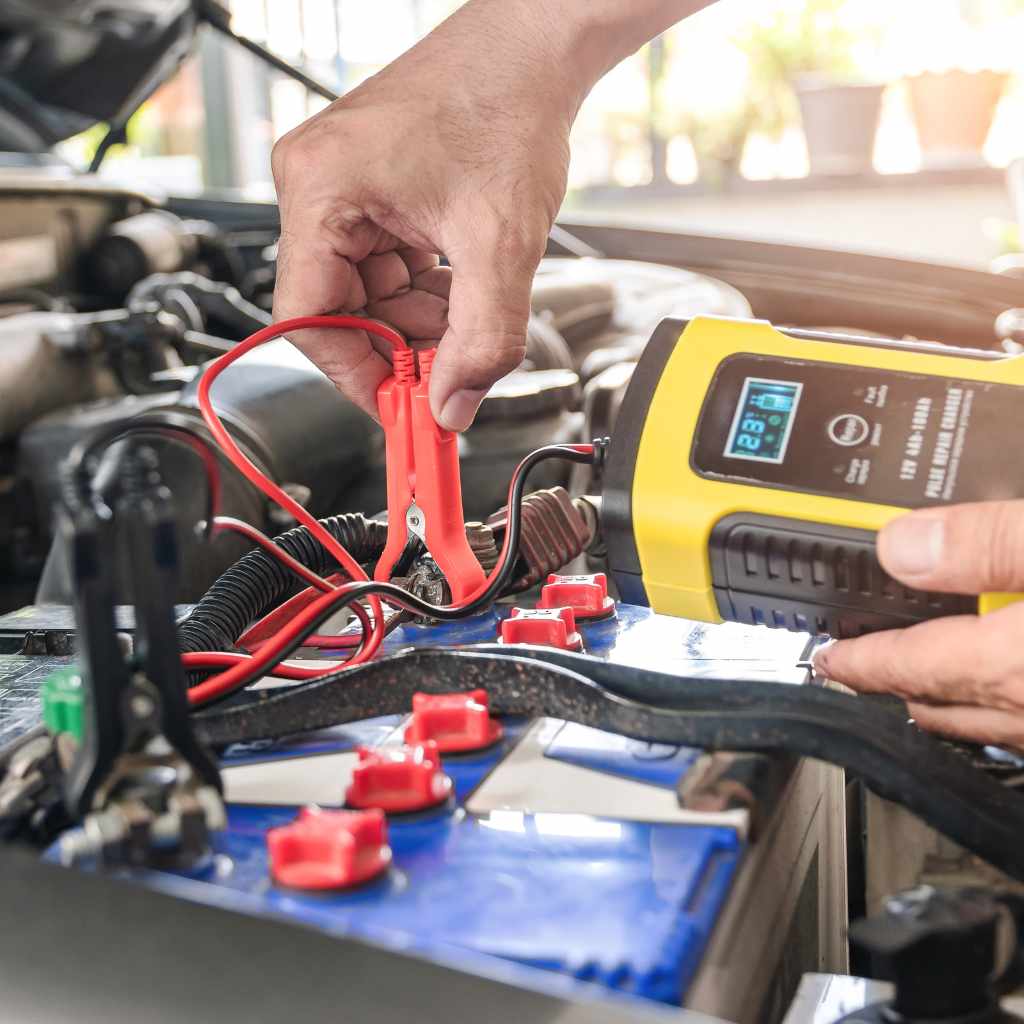
Sparks can cause fires or explosions near the battery. Always connect the negative terminal last. Use insulated tools to reduce the risk. Do not smoke or use open flames nearby. Keep metal objects away from the battery terminals.
Handling Battery Acid
Battery acid is corrosive and can burn your skin. Wear gloves and safety glasses before starting. Avoid touching your face or eyes during the process. If acid spills, rinse the area immediately with water. Keep baking soda nearby to neutralize any acid spills.
Working In A Ventilated Area
Batteries release harmful gases during grounding. Work outdoors or in a well-ventilated space. Avoid closed rooms or garages with no airflow. Proper ventilation lowers the risk of inhaling toxic fumes. Keep a fan or open window nearby if needed.
Frequently Asked Questions
How Do You Ground A Car Battery Safely?
To ground a car battery safely, connect the negative terminal to the car’s chassis. Use a clean, unpainted metal surface to ensure proper grounding. Always disconnect the negative terminal first when removing the battery to prevent sparks and short circuits.
Why Is Grounding Important For Car Batteries?
Grounding ensures the electrical system functions properly by completing the circuit. It prevents electrical shocks, reduces the risk of damage, and helps the battery deliver consistent power. Proper grounding also avoids electrical noise that can affect sensitive components.
What Tools Are Needed To Ground A Car Battery?
You need a wrench or socket set to loosen battery terminals. Use a wire brush to clean the grounding point. Protective gloves and safety glasses are recommended for safety during the process.
Can A Poor Ground Cause Battery Problems?
Yes, a poor ground connection can cause slow starts, dim lights, and electrical failures. It may lead to battery drain and erratic electrical behavior. Ensuring a solid ground connection helps maintain battery health and vehicle performance.
Conclusion
Properly grounding a car battery keeps your vehicle safe and running well. Always connect the negative cable to a clean, solid metal part of the car. Check connections often to avoid problems. A good ground helps your car start smoothly and protects its electrical system.
Simple steps make a big difference in battery performance. Take care with grounding, and your car will thank you. Easy to do, but very important. Keep your battery grounded right every time.