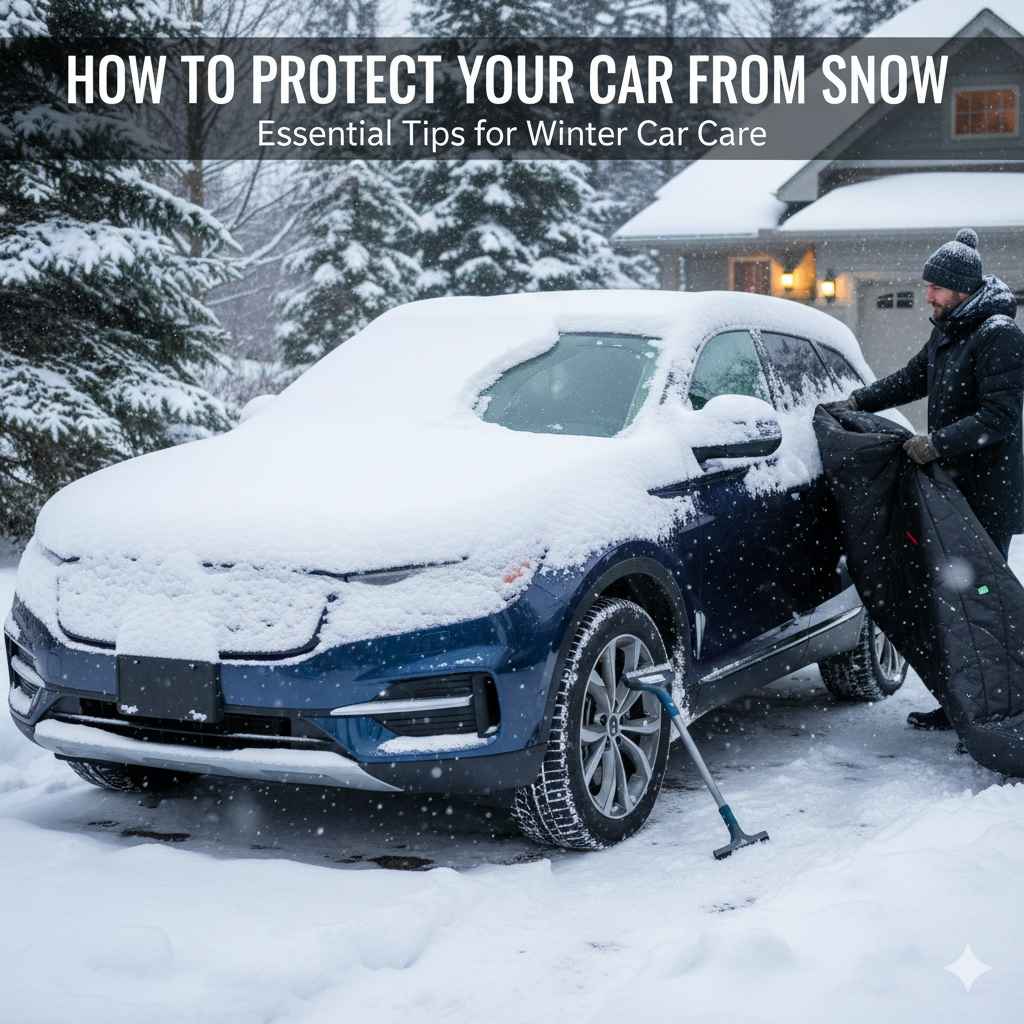
How to Protect Your Car From Snow: Essential Tips
Don’t let winter weather catch you off guard! Protecting your car from snow is simple with these essential tips. Learn easy ways to shield your vehicle from frost, ice, and the damaging effects of salt, ensuring it stays in great shape all season long.
Winter weather can be tough on your car. Cold temperatures, snow, and ice might seem like a hassle not just for driving, but for keeping your vehicle looking good and running smoothly. You might worry about frost etching your paint, ice making it impossible to see, or road salt causing rust. It’s a common concern for many drivers, but don’t let it stress you out! With a few straightforward steps, you can effectively protect your car from the harshness of winter. We’ll walk you through simple, practical ways to safeguard your ride, making winter a lot less worry-free. Read on to discover how easy it is to keep your car safe and ready for anything the season throws at it.
Why Winter Protection for Your Car Matters
Winter brings a unique set of challenges for your vehicle. The cold can affect fluids, batteries, and even tire pressure. More visibly, snow and ice can accumulate on surfaces, obscuring your vision and making it difficult to operate your car safely. Beyond the immediate driving hazards, the elements themselves can take a toll. Moisture, combined with road salt and chemicals used to melt ice, can accelerate rust and corrosion, leading to expensive repairs down the line. Protecting your car isn’t just about aesthetics; it’s about preserving its value, ensuring its reliability, and keeping you and your passengers safe.
The Impact of Snow and Ice
Snow and the freezing temperatures associated with it can cause several problems:
- Reduced Visibility: Frost, fogged-up windows, and snow buildup on windshields and mirrors make it hard to see the road, increasing the risk of accidents.
- Frozen Components: Door locks, windows, and even fuel lines can freeze, preventing you from using your car or causing damage if forced open.
- Battery Strain: Cold weather significantly reduces a battery’s cranking power, making it harder to start your engine.
- Tire Issues: Cold air causes tire pressure to drop, affecting handling and fuel efficiency.
- Paint Damage: Ice can stick to paint, and the freeze-thaw cycle can expand existing cracks or chip areas.
The Corrosive Threat of Road Salt
While road salt is essential for keeping roads clear and safe, it’s a major enemy of your car’s metal components. Salt (and other de-icing chemicals) forms a corrosive brine when it mixes with moisture. This brine can:
- Accelerate Rust: It aggressively attacks exposed metal, especially the undercarriage, wheel wells, and body panels, leading to rust and eventual perforation.
- Damage Paint and Finish: Salt residue can etch into your car’s paint if left on for too long, dulling its shine and weakening protective layers.
- Harm Brake Lines and Fuel Lines: These critical components are also susceptible to salt-induced corrosion, which can compromise their integrity and performance.
Essential Car Protection Strategies for Snow
Keeping your car protected from snow and winter elements involves a combination of preventative measures and regular maintenance. Think of it as giving your car a warm coat and a shield against the harsh winter environment. Here are the key strategies you can adopt:
1. Invest in a Quality Car Cover
A good car cover is your first line of defense. It acts like a cozy blanket for your vehicle, shielding it from snow, frost, ice, and even UV rays. When choosing a cover, look for one that is:
- Waterproof or Water-Resistant: To prevent moisture from soaking through to your car’s paint.
- Breathable: To allow trapped moisture and heat to escape, preventing condensation buildup that can lead to mold or rust.
- Durable: Made from robust materials that can withstand harsh weather without tearing.
- Fitted or Semi-Fitted: A snugger fit offers better protection against windblown snow and debris.
Tips for Using a Car Cover in Snow:
- Ensure the car is dry before covering: Putting a cover on a wet or snowy car can trap moisture.
- Allow for ventilation: Some covers have vents; ensure they are not blocked.
- Secure it properly: Use straps or elastic hems to prevent the cover from blowing away.
- Consider a multi-layer cover: These often offer better insulation and protection against extreme cold.
For those who park outdoors and face frequent snow, a universal car cover can be found for as little as $30-$50, while custom-fitted, heavy-duty options can range from $100 to $300 or more. The investment is often well worth it to avoid costly paint repairs and other winter-related damages.
2. Protect Your Windshield and Other Glass
Clear visibility is crucial for driving safety. Keeping your windshield and windows free of snow and ice is paramount. Here’s how:
- Windshield Snow Cover: This is a simple yet incredibly effective tool. It’s a fabric cover that you place over your windshield, securing it under the wiper blades. In the morning, you simply pull it off, along with the accumulated snow and ice, leaving your glass clear. Many are designed to fit a range of vehicles and are quite affordable.
- Ice Scraper and Snow Brush: These are essential tools. A good quality scraper with a comfortable grip and a brush with stiff bristles can tackle even thick layers of frost and snow. Always scrape gently to avoid scratching the glass. For heavy snow, a brush with an extendable handle is very useful.
- Water Repellent Treatment: Applying a water-repellent coating to your windshields and windows can help snow and ice slide off more easily. Products like Glassparency or similar treatments create a hydrophobic surface. This helps water bead up and roll off, making de-icing easier and improving visibility in rain and snow.
- De-icing Spray: Keep a bottle of de-icing spray in your car. These sprays lower the freezing point of water, helping to melt ice on contact. They are particularly useful for stubborn frost or when you’re in a hurry.
3. Maintain Your Tires for Winter Driving
Tires are your car’s only contact with the road, making their condition critical in winter. Properly maintained tires provide the grip needed to navigate snowy and icy conditions safely.
- Tire Pressure Check: Cold weather causes tire pressure to drop. For every 10°F (5.6°C) drop in temperature, tire pressure can decrease by 1 PSI. Check your tire pressure when the tires are cold (before you’ve driven on them) and inflate them to the manufacturer’s recommended level, usually found on a sticker in the driver’s side doorjamb or in your owner’s manual. Proper inflation ensures optimal contact with the road and prevents uneven wear.
- Winter Tires: If you live in an area with frequent snow and ice, consider investing in a set of winter tires. These tires are made with a special rubber compound that stays flexible in the cold and feature deeper treads designed to grip snow and ice more effectively than all-season tires. Organizations like the National Highway Traffic Safety Administration (NHTSA) recommend winter tires for improved traction in cold weather.
- Tread Depth: Ensure your tires have sufficient tread depth. Worn tires have reduced grip, making it much harder to accelerate, brake, and steer in slippery conditions. You can check tread depth using a tread depth gauge or by inserting a penny into the deepest part of the tread. If you can see the top of Lincoln’s head, your tread is likely too worn.
- Tire Rotation: Regular tire rotations help ensure even wear, extending the life of your tires and maintaining consistent performance throughout the year.
4. Protect Your Car’s Exterior Paint and Undercarriage
The salt and chemicals used on roads are corrosive. Protecting your car’s exterior and bottom side is crucial to prevent rust and maintain its value.
- Wax Your Car: Applying a good quality wax or sealant to your car’s paint before winter creates a protective barrier. This barrier helps repel water, salt, and other contaminants, making it harder for them to stick to and damage the paint. A good coat of wax can also add a nice shine, making your car look its best even in dreary weather.
- Wash Regularly: This is perhaps the most important step. Even if you aren’t going to a professional detailer, washing your car regularly throughout the winter is essential. Focus on thoroughly rinsing the undercarriage, wheel wells, and lower body panels where salt and grime tend to accumulate. Antifreeze and degreasing formulas can be helpful for tough road grime. Consider early morning washes on milder days to allow the car to dry before temperatures drop below freezing again.
- Undercarriage Treatment: Some car owners opt for specialized undercoating or rust-proofing treatments applied by professionals. These treatments add an extra layer of protection to the vulnerable undercarriage of the vehicle. While the effectiveness and necessity of these treatments can vary depending on the product and climate, they can offer peace of mind, particularly in regions with heavy salt usage.
- Touch-Up Paint: Address any paint chips or scratches promptly. These bare spots are prime entry points for rust. Use a touch-up paint pen or kit matched to your car’s color to cover these areas before winter’s harshness can take hold.
5. Safeguard Your Car’s Interior
Winter doesn’t just affect the outside; your car’s interior can also take a beating from snow, salt, and moisture brought in on shoes and clothes.
- All-Weather Floor Mats: Invest in heavy-duty, all-weather floor mats made of rubber or similar synthetic materials. These mats have deep channels and raised edges to trap snow, slush, salt, and dirt, preventing them from reaching the carpeting. They are easy to remove and clean with a hose. Standard carpet mats can absorb moisture, leading to dampness, odors, and potential mold growth underneath.
- Keep Interior Dry: If snow and slush get tracked inside, try to dry it off as soon as possible. You can use towels or even a small portable car vacuum. Ensure your car’s interior is well-ventilated when possible to prevent condensation buildup on windows, which can lead to decreased visibility and potential mold.
- Leather Conditioner: If you have leather seats, consider using a leather conditioner before winter. This can help keep the leather supple and prevent it from drying out and cracking due to the dry, cold air.
- Protect Dashboard and Trim: Apply a protectant to your dashboard and interior plastic or vinyl trim. This helps prevent fading from any exposure to sunlight that might occur and can make surfaces easier to clean.
6. Maintain Essential Fluids and Battery
Your car’s operating fluids and battery are deeply affected by cold temperatures. Ensuring they are in top condition is vital for reliable winter operation.
- Antifreeze/Coolant Check: Make sure your antifreeze is at the correct level and concentration. Antifreeze prevents your engine from overheating and also stops the coolant from freezing in cold temperatures. Most modern antifreeze is a 50/50 mix of antifreeze and water, providing freeze protection down to about -34°F (-37°C). Your owner’s manual or a local mechanic can help you verify the correct type and mixture for your vehicle. You can test the freeze protection level with an inexpensive coolant tester.
- Windshield Wiper Fluid: Ensure your windshield washer fluid reservoir is full. Use a fluid specifically designed for winter, which contains de-icing agents and has a much lower freezing point than regular washer fluid. This is crucial for quickly clearing away road spray, salt, and grime that can obstruct your view.
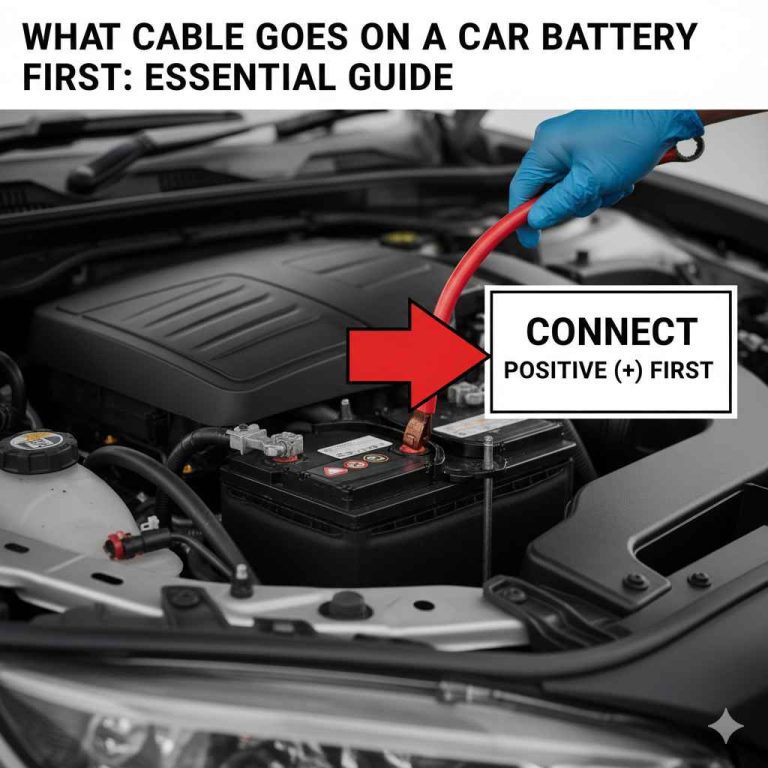
- Battery Health: Cold weather is hard on car batteries. If your battery is more than three years old or has shown signs of sluggish starting, have it tested. Most auto parts stores offer free battery testing. Consider replacing an aging battery before winter sets in to avoid being stranded. Ensure battery terminals are clean and free of corrosion for optimal connection.
- Engine Oil: Use the manufacturer-recommended oil viscosity for your climate. Thinner oils flow better in cold temperatures, making it easier for your engine to start and run smoothly when cold. Check your owner’s manual for the appropriate oil type.
7. Prepare an Emergency Winter Kit
Even with the best preparation, breakdowns can happen. Having a prepared emergency kit in your car is a smart safety measure.
Your kit should include:
- Jumper cables (ensure they are good quality and long enough)
- A flashlight with extra batteries
- First-aid kit
- Blanket or sleeping bag
- Non-perishable snacks (energy bars, nuts) and water
- A small shovel
- Sand, salt, or cat litter for traction if your tires get stuck
- Tow rope
- Basic tool kit (screwdrivers, pliers, adjustable wrench)
- Warm gloves, hat, scarf
- Reflective triangles or flares
- Phone charger or power bank
- A fully charged cell phone
This kit provides essential items to keep you safe and comfortable if you find yourself stranded. Many of these items are inexpensive and can be assembled over time. Places like AAA and automotive safety websites often provide comprehensive lists of recommended emergency kit items.
A Quick Guide to Winter Car Checklist
To make things easy, here’s a quick checklist you can use to prepare your car for winter:
| Check Item | Action Needed | Notes |
|---|---|---|
| Tires | Check pressure, tread depth, consider winter tires | Proper inflation prevents wear and ensures grip. Winter tires are best for heavy snow. |
| Battery | Test health, clean terminals | Cold weather weakens batteries; replace if old or weak. |
| Fluids | Top off antifreeze, use winter washer fluid | Ensures engine protection and clear visibility. |
| Wipers | Check condition, replace if worn | Essential for clearing snow and slush. Consider winter wiper blades. |
| Exterior | Wax/seal paint, check for chips/scratches | Protects paint from salt and corrosion. |
| Interior | Install all-weather mats | Traps moisture and salt, protecting carpets. |
| Emergency Kit | Assemble/restock essential items | For safety and comfort if stranded. |
| Car Cover | Inspect for damage, ensure proper fit | Provides physical protection against snow and ice. |
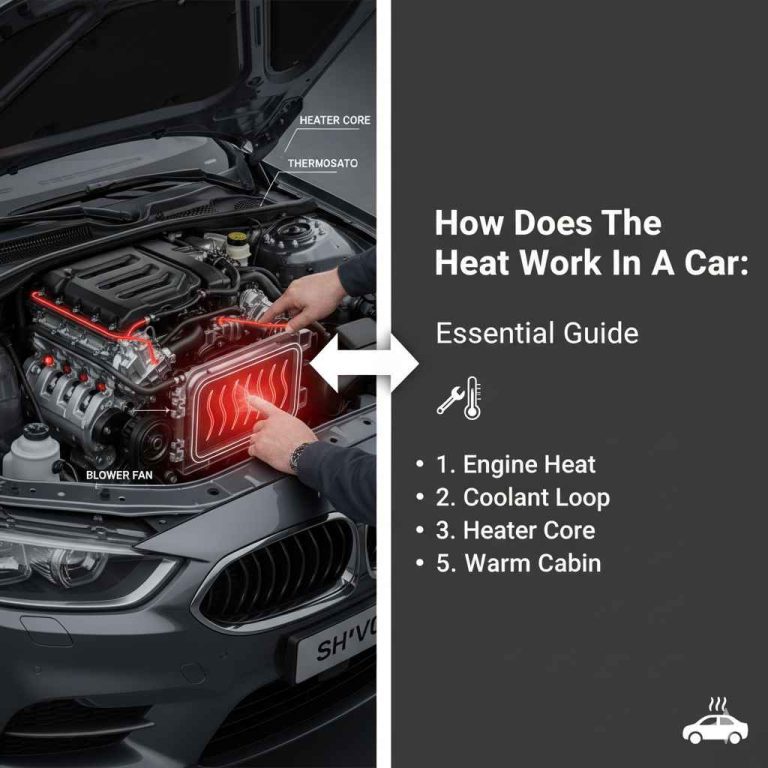
| Defroster/Heater | Test functionality | Crucial for clearing windows and maintaining comfort. |
Frequently Asked Questions About Protecting Your Car from Snow
Here are answers to some common questions beginner drivers have about winterizing their cars:
Q1: How often should I wash my car in winter?
A: It’s best to wash your car at least every two weeks during months with snow or road salt. More frequent washing is recommended if you drive on salted roads regularly, especially focusing on the undercarriage.
Q2: Can frost damage my car’s paint?
A: Light frost usually won’t damage your paint. However, if you scrape it off aggressively with something that might have grit on it, or if you use hot water which can cause thermal shock, you could cause scratches or even cracks. A cover or de-icer is safer.
Q3: Do I really need winter tires if I have all-season tires?
A: While all-season tires offer versatility, winter tires are specifically designed for cold temperatures and snow/ice. They provide significantly better traction and braking performance in winter conditions. If you experience frequent snow or icy roads, winter tires dramatically improve safety.
Q4: What’s the best way to de-ice my car’s windows?
A: The safest and most effective methods include using a dedicated ice scraper and snow brush, or a commercial de-icing spray. Always give your car some time to warm up with the defroster on, as this helps loosen ice and frost, making it easier and safer to remove without damaging the glass or seals.