How to Remove Epoxy From Car Paint Safely
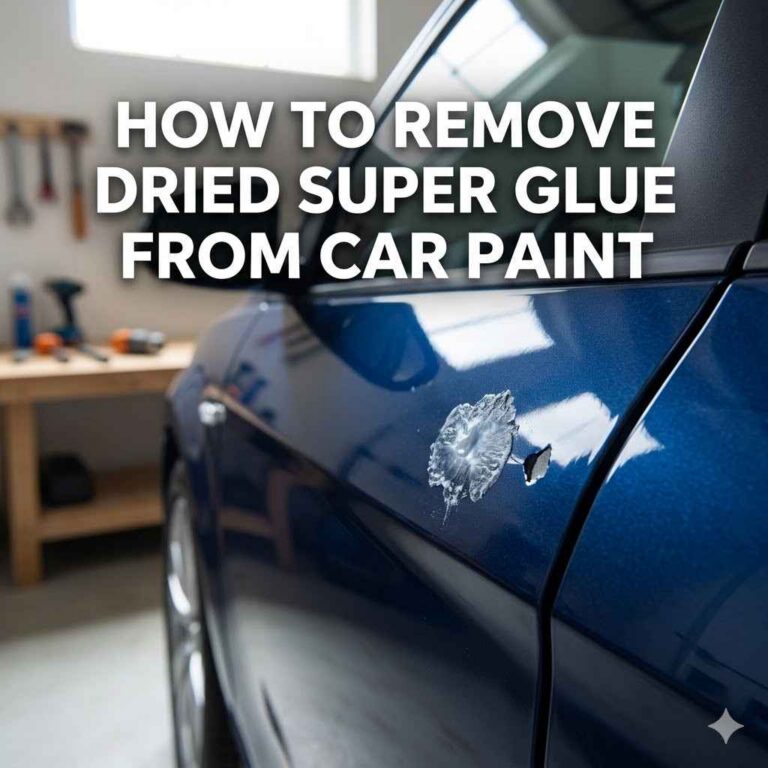
You’re washing your beloved car, a routine you enjoy, when suddenly you notice it – a hardened blob of epoxy staring back at you. It might have happened during a DIY project, a garage mishap, or even a stray drop from someone else’s work. Panic sets in.
You know epoxy is tough, and the thought of scraping it off your car’s paint is terrifying. What’s the best way to get rid of it without causing scratches or dulling the finish? This guide will show you precisely how to remove epoxy from car paint without damage, saving your car’s appearance and your peace of mind.
You’ll learn safe methods and essential precautions, ensuring your car looks as good as new after the ordeal.
Understanding Epoxy and Car Paint
Epoxy is a powerful adhesive known for its incredible strength and durability. When it hardens, it forms a plastic-like substance that can be challenging to remove, especially from a delicate surface like car paint. Car paint, while designed to withstand the elements, is not immune to abrasion or harsh chemicals.
The goal when removing epoxy is to soften or dissolve the adhesive without compromising the clear coat, base coat, or any protective layers of the paint. This requires a careful approach, choosing the right tools and methods that are effective against the epoxy but gentle on your vehicle.
Why Epoxy Sticks and What It Means for Your Paint
Epoxy works by a chemical reaction between two components that, when mixed, create a strong bond. This bond adheres very well to most surfaces, including the smooth, often slightly porous surface of automotive paint. Once cured, it’s no longer a liquid but a solid plastic.
This transformation is why simply wiping it away won’t work. The challenge lies in reversing this curing process or weakening the bond without etching, scratching, or burning through the paint layers. Understanding this helps in choosing methods that target the epoxy’s structure.
Assessing the Epoxy Situation
Before you grab any cleaning supplies, take a moment to look closely at the epoxy. Is it a small, thin drip, or a large, thick blob? Is it freshly spilled and still somewhat pliable, or has it been on your car for days or weeks, fully hardened?
The size, thickness, and age of the epoxy will influence the best removal method. A small, fresh drip might be manageable with simpler techniques, while a large, hardened patch will require more effort and potentially stronger (but still paint-safe) solutions.
Fresh Epoxy vs. Cured Epoxy
Fresh epoxy is generally easier to remove because it hasn’t fully hardened. You might be able to gently lift or wipe it away with a soft cloth and a mild cleaner. Cured epoxy, on the other hand, is a solid mass.
It will resist scraping and requires more targeted efforts to break down its molecular structure or adhesion. Patience is key with cured epoxy; rushing can lead to scratches.
Safe Removal Methods for Epoxy on Car Paint
When dealing with epoxy on your car’s paint, safety and caution are paramount. The wrong approach can turn a minor annoyance into a costly repair. We will explore several methods, starting with the least aggressive and moving to more involved techniques if necessary.
Always test any cleaning solution or method on an inconspicuous area of your car first, like the lower rocker panel or inside the door jamb, to ensure it doesn’t harm your paint.
Method 1 Using Heat
Heat can soften epoxy, making it more pliable and easier to remove. This is often a good first step for cured epoxy.
Gather Your Supplies
- A hairdryer or a heat gun on a low setting
- A plastic scraper or an old credit card
- Microfiber cloths
- Mild car soap and water
Step-by-Step Process
- Apply Gentle Heat: Hold the hairdryer or heat gun a few inches away from the epoxy. Move it constantly in a circular motion to avoid overheating any single spot. You want to warm the epoxy until it just starts to feel soft to the touch, not hot enough to damage the paint.
- Test for Softness: Gently try to nudge the edge of the epoxy with your fingernail or a plastic scraper. If it yields easily, you’re ready for the next step.
- Scrape Carefully: Use the plastic scraper or credit card to carefully lift the softened epoxy away from the paint. Work from the edges, lifting the epoxy gradually. Avoid digging into the paint.
- Wipe Away Residue: Once the bulk of the epoxy is removed, use a clean microfiber cloth to wipe away any remaining softened residue. You may need to reheat the area slightly if the residue starts to harden again.
- Clean the Area: Wash the area thoroughly with car soap and water to remove any lingering residue and clean the paint.
Method 2 Using Solvents
If heat alone isn’t enough, or for more stubborn epoxy spots, solvents can be used. However, it’s crucial to select solvents that are safe for automotive paint.
Recommended Paint-Safe Solvents
- Isopropyl alcohol (rubbing alcohol)
- Dedicated automotive paint-safe adhesive removers (e.g., Goo Gone Automotive, 3M Adhesive Remover)
Important Precautions with Solvents
- Test First: Always apply a small amount of the chosen solvent to an hidden area of your paint. Wait a few minutes to see if there’s any discoloration, dulling, or damage. If there is, do not use that solvent on the epoxy.
- Ventilation: Work in a well-ventilated area.
- Gloves: Wear chemical-resistant gloves to protect your skin.
- Avoid Prolonged Contact: Don’t let the solvent sit on the paint for longer than recommended by the product manufacturer or until it has loosened the epoxy.
- Work in Sections: If you have a large area, tackle it in smaller sections.
Step-by-Step Process with Isopropyl Alcohol
- Apply Alcohol: Dampen a clean microfiber cloth with isopropyl alcohol.
- Dab and Wait: Gently dab the alcohol onto the epoxy. Allow it to sit for a minute or two to start breaking down the adhesive.
- Gently Rub: Use the damp cloth to gently rub the softened epoxy. You should start to see it lift away. You might need to reapply alcohol and continue rubbing.
- Scrape if Needed: If the epoxy is thick and doesn’t fully rub away, you can use a plastic scraper or credit card to gently lift off loosened pieces.
- Clean Up: Once the epoxy is removed, wash the area thoroughly with car soap and water.
Step-by-Step Process with Automotive Adhesive Remover
- Read Instructions: Carefully read and follow the instructions on the product label.
- Apply Remover: Apply the adhesive remover to the epoxy according to the product’s directions. Usually, this involves spraying or dabbing it on.
- Allow Dwell Time: Let the product sit for the recommended time to work on the epoxy.
- Gently Work the Epoxy: Use a plastic scraper or microfiber cloth to gently lift or wipe away the softened epoxy.
- Clean Thoroughly: After removing the epoxy, wash the area extensively with car soap and water to ensure all chemical residue is gone.
Method 3 Using Clay Bar
A clay bar is excellent for removing surface contaminants from paint, and it can sometimes help with stubborn, thin epoxy residue after other methods have done most of the work.
Gather Your Supplies
- Automotive clay bar
- Clay lubricant (or a 50/50 mix of car soap and water)
- Microfiber cloths
Step-by-Step Process
- Lubricate the Surface: Generously spray the clay lubricant over the area where the epoxy was removed. This is crucial to prevent scratching.
- Knead the Clay Bar: Knead a small portion of the clay bar until it is pliable.
- Glide the Clay Bar: Gently glide the clay bar over the lubricated surface in straight lines. You should feel the clay pick up any remaining epoxy residue.
- Fold and Reuse: As the clay bar picks up contaminants, fold it over to expose a clean surface. If you drop the clay bar, discard it as it will have picked up grit that can scratch your paint.
- Wipe Clean: After using the clay bar, wipe the area with a clean microfiber cloth.
- Wash and Wax: Wash the car again and apply a coat of wax to protect the paint.
Method 4 Mechanical Removal (Use with Extreme Caution)
This method involves physical removal and carries the highest risk of paint damage. It should only be considered as a last resort for very small, localized, and stubborn spots, and only after all other methods have been attempted.
Tools to Consider (Use with Utmost Care)
- A very sharp, single-edge razor blade (new and clean)
- A plastic razor blade scraper
Step-by-Step Process (Razor Blade Method – High Risk)
- Preparation is Key: Ensure the area is clean and well-lubricated. You can use soapy water or a dedicated lubricant spray.
- Angle the Blade: Hold the razor blade at a very shallow angle (almost flat) against the paint surface. The goal is to slide under the epoxy, not to cut into the paint.
- Gentle Pushing Motion: Apply very light pressure and use a gentle pushing motion to try and lift the edge of the epoxy. If you feel resistance or hear a scraping sound on the paint, stop immediately.
- Work in Small Areas: Attempt this on the smallest possible areas of epoxy at a time.
- Follow Up Immediately: After successfully lifting the epoxy with the blade, immediately follow up with a clay bar and lubricant to ensure no tiny particles are left behind.
- Wash and Inspect: Wash the area thoroughly and inspect it carefully for any signs of scratches or dulling.
Note: Using a razor blade is inherently risky. A plastic razor blade scraper is a safer alternative, though it may require more effort. Always err on the side of caution.
If you are not confident, professional help is recommended.
Preventing Future Epoxy Mishaps
The best way to deal with epoxy on your car paint is to avoid it in the first place. This involves being mindful during any activities that might involve epoxy, especially near your vehicle.
Practical Prevention Tips
- Cover Your Vehicle: If you’re working with epoxy in your garage or driveway, cover your car with a protective sheet or old blankets.
- Work Away from the Car: Set up your epoxy work area as far away from your car as possible.
- Use Drop Cloths: Always use drop cloths to catch any drips or spills.
- Wear Appropriate Gear: Use gloves and wear old clothing to prevent accidental transfer.
- Proper Ventilation: Ensure good airflow when using epoxy, which can sometimes affect how it behaves.
- Clean Spills Immediately: If a spill does occur, address it when it’s fresh. Fresh epoxy is much easier to clean than cured epoxy.
When to Seek Professional Help
While many epoxy removal tasks can be handled at home, there are times when it’s wise to consult a professional detailer or body shop.
- Large or Deep Epoxy Deposits: If the epoxy coverage is extensive or very thick, professionals have specialized tools and knowledge.
- If You’ve Damaged the Paint: If you’ve accidentally scratched or dulled the paint during your removal attempts, a professional can often repair this.
- Valuable or Classic Cars: For vintage, rare, or high-value vehicles, it’s often best to let experts handle the situation to prevent irreversible damage.
- Lack of Confidence: If you feel uncomfortable or uncertain about any step of the removal process, don’t risk damaging your car.
Frequently Asked Questions
Question: Can I use a general-purpose adhesive remover on car paint
Answer: Not all adhesive removers are safe for car paint. Many contain harsh chemicals that can damage the clear coat or paint. Always look for products specifically labeled as safe for automotive paint or test any product on an inconspicuous area first.
Question: How long does it take for epoxy to cure on car paint
Answer: Epoxy typically cures within 24-72 hours, depending on the product and environmental conditions like temperature and humidity. However, it can remain somewhat workable or be easier to remove within the first few hours.
Question: Will sanding remove epoxy from car paint
Answer: Sanding is a very aggressive method and will almost certainly damage your car’s paint. It should only be considered by professionals as a last resort for severe damage, and will require repainting the affected area.
Question: Is nail polish remover safe for removing epoxy from car paint
Answer: Nail polish remover, which usually contains acetone, is highly likely to damage car paint. Acetone can melt and discolor the clear coat and paint. It should not be used for epoxy removal from car paint.
Question: What if I can’t get all the epoxy off
Answer: If you’ve tried the recommended methods and are left with minor residue, a clay bar treatment followed by a good polishing and waxing can often help to remove the last traces and restore shine. If significant amounts remain, consider professional help.
Final Thoughts
Dealing with epoxy on your car’s paint can be a stressful experience, but with the right approach, you can successfully remove it without causing further damage. Remember to start with the gentlest methods, such as using heat to soften the epoxy, before moving on to more robust solutions like paint-safe solvents. Always test any product or technique on a hidden area first to confirm it’s safe for your car’s specific paint finish.
Patience is a key virtue here; rushing the process is a sure way to introduce scratches or other imperfections. Keeping a good supply of microfiber cloths and having a plastic scraper or old credit card handy will be invaluable. For those stubborn spots that resist home remedies, professional automotive detailers possess the expertise and specialized tools to resolve the issue safely.
Prevention is also a significant part of car care, so taking precautions during any DIY projects involving adhesives will save you this trouble down the line. Ultimately, a careful, informed, and patient approach is your best bet for restoring your car’s flawless appearance.