How To Fix Car Wheel Alignment Yourself: What To Know
Checking your car’s wheel alignment yourself involves looking for specific signs. These include uneven tire wear, a car that pulls to one side, or a steering wheel that isn’t straight. While full alignment adjustments require special tools, you can often identify problems at home and know when to visit a professional.
Understanding Your Car’s Wheel Alignment
What exactly is wheel alignment? Think of it as setting your car’s wheels. They need to point straight.
They also need to be level. This helps your car drive straight down the road. It also helps your tires wear evenly.
Proper alignment makes your car easier to steer. It improves fuel economy too. When your wheels are out of alignment, they don’t point correctly.
This can cause a few problems.
Your car has several alignment angles. These are called camber, caster, and toe. Camber is the tilt of the wheel inward or outward.
Caster is the angle of the steering axis. Toe is about the angle of the tires from above. These angles work together.
They keep your car stable. They make steering smooth. Even a small change in these angles matters.
It can affect how your car drives.
Why do wheels go out of alignment? Many things can cause it. Hitting a curb is a common one.
Driving over potholes can do it. Even normal wear and tear can lead to it over time. Sometimes, after replacing suspension parts, an alignment is needed.
It’s like your car taking a tumble. The parts get knocked out of their perfect spots.
My Own Wheel Alignment Scare
I remember one rainy Tuesday. I was driving home from a friend’s house. The road was wet and a bit bumpy.
Suddenly, I noticed it. My car was drifting to the left. I corrected it, but it kept pulling.
My heart sank a little. I’m not a mechanic. The thought of an expensive repair loomed.
I pictured myself at the dealership, paying a lot of money.
I pulled over safely. I looked at my tires. They seemed okay at first glance.
But then I saw it. The left front tire looked a bit more worn on the inside edge. This was a clear sign.
I knew then it was likely an alignment issue. It was a relief to identify a potential cause. But I still had to figure out what to do next.
It felt like a puzzle I needed to solve.
Signs Your Car Needs an Alignment Check
Your car will often tell you when something is wrong. You just need to listen and look. Several signs point to a wheel alignment problem.
Recognizing these early can save you money and hassle. It’s like your car waving a small flag to get your attention.
The most common sign is your car pulling to one side. If you’re driving on a flat, straight road, your car should go straight. If you have to constantly steer to keep it centered, that’s a big clue.
It might pull left or right. This happens because the wheels aren’t pointing in the same direction.
Another major indicator is uneven tire wear. Look closely at your tires. If one tire is worn more on one edge (inside or outside), that’s a problem.
All four tires should wear fairly evenly. If the front tires wear out faster than the back ones, that can also signal trouble. This is because the front wheels do most of the steering.
Your steering wheel can also give clues. If it’s not centered when you’re driving straight, that’s a sign. For example, if your car drives straight but the steering wheel is tilted to the left, an alignment issue is likely.
Sometimes, you might feel vibrations in the steering wheel. This could be related to alignment, but it can also mean other things are wrong.
You might also notice your car feels less responsive. Steering might feel loose. Or it might feel too stiff.
These subtle changes can be hard to spot at first. But they add up over time. They make driving less enjoyable and potentially less safe.
Quick Alignment Symptom Checklist
Car Pulls to One Side: You constantly steer to keep your car going straight.
Uneven Tire Wear: One edge of a tire looks more worn than the rest.
Crooked Steering Wheel: The wheel is not straight when you drive on a flat road.
Squealing Tires: Tires make noise when turning, even at low speeds.
Vibrations: You feel shaking in the steering wheel or car body.
How to Check Wheel Alignment at Home
You can do a few simple checks at home. These don’t require special tools. They can help you confirm if an alignment issue is likely.
It’s important to do these checks on a flat, level surface. A quiet road or your driveway works well.
First, check your tires. Look at all four tires. Are any of them worn unevenly?
Is one side of a tire much smoother than the other? Pay close attention to the edges. If you see significant wear on the inside or outside of a tire, your alignment is probably off.
This is especially true if it’s just one or two tires showing this wear pattern.
Next, test the steering. Find a safe, open, and flat stretch of road. Drive slowly.
Let go of the steering wheel for a few seconds. Does the car pull strongly to one side? If it drifts a little, that might be normal due to road crowning.
But if it veers sharply, it’s a problem. Remember to keep your foot near the brake. Be ready to steer if needed.
While you’re driving, notice your steering wheel position. When you are driving straight, is the steering wheel perfectly centered? If you have to hold it at an angle to go straight, your alignment is likely off.
This is a very common and easy-to-spot symptom.
Another test involves how your car handles turns. When you make a gentle turn, do your tires squeal? This can happen if the tires are fighting to go in the direction you’re steering.
It suggests they aren’t pointing correctly. This is more common in sharper turns, but even gentle ones can sometimes reveal it.
Simple Steering Wheel Test
What to do: Find a flat, empty road. Drive slowly. Let go of the steering wheel for about 3-5 seconds.
What to look for: Does the car pull sharply left or right? Is the steering wheel off-center when you drive straight?
Understanding Tire Wear Patterns
Tire wear is one of the most telling signs of alignment issues. Different wear patterns point to different problems. Being able to read your tires is a valuable skill.
It can save you money on premature tire replacement.
Feathering: This looks like small, fine lines on the tire tread. The edges of the tread blocks feel rough in one direction. This often means the toe setting is off.
Your wheels are either pointing too far in or too far out. It’s like your shoes scuffing on the floor.
Edge Wear: If the tire is worn more on the outer edges, this is often a camber issue. This means the wheel is tilting outward. If the inside edge is worn, the wheel is tilting inward.
This can happen with bent suspension parts or incorrect camber angles.
Center Wear: If the very center of the tire tread is worn smooth, this usually means your tires are overinflated. This is not directly an alignment issue. But it’s important to check tire pressure regularly.
Proper inflation helps tires wear evenly.
Scalloping or Cupping: These are irregular wear spots. They look like patches or cups worn out of the tread. This often indicates a suspension problem.
Things like worn-out shocks or ball joints can cause this. Sometimes, it can also be related to alignment settings.
Tire Wear Guide
| Pattern | Possible Cause |
| Feathering (rough edges) | Incorrect Toe Setting |
| Edge Wear (inside or outside) | Incorrect Camber |
| Center Wear | Overinflated Tires |
| Cupping/Scalloping | Worn Suspension Parts |
When You Need Professional Alignment
While you can spot problems at home, fixing alignment requires special equipment. A professional alignment machine is precise. It measures all the angles accurately.
Mechanics use these machines to make exact adjustments.
You should always go to a professional if:
You’ve hit something hard (like a large pothole or curb). You’ve been in an accident, even a minor one. You notice significant uneven tire wear.
Your car pulls strongly to one side. Your steering wheel is crooked when driving straight. You’ve had suspension or steering components replaced.
A professional mechanic has the knowledge and tools. They can measure camber, caster, and toe angles. They can adjust them to factory specifications.
This ensures your car drives safely and your tires wear evenly. It’s an investment in your car’s longevity and your own safety.
Don’t try to adjust these angles yourself without the right gear. You could make the problem worse. This could lead to more expensive repairs.
It could also compromise your car’s handling and safety. Trusting an expert for this specific job is usually the best route.
What Factors Affect Alignment?
Many things can knock your car’s wheels out of alignment. It’s not just about hitting big things. Smaller events add up.
Understanding these factors helps you be more aware.
Road Conditions: Driving on rough roads is a big one. Potholes are notorious for causing alignment issues. Even small cracks and bumps can contribute over time.
Driving on unpaved or uneven surfaces frequently can also be a factor.
Driving Habits: Speeding over bumps or hitting curbs while parking can damage your wheels and suspension. Aggressive driving, like sharp turns at high speeds, puts stress on the system. These actions can gradually affect alignment.
Vehicle Load: Carrying heavy loads or towing can put extra stress on your suspension. While designed to handle weight, extreme or constant heavy loads can affect alignment over time. Make sure your vehicle’s load capacity is not exceeded.
Wear and Tear: As your car ages, suspension components naturally wear out. Bushings can degrade. Ball joints can loosen.
Shocks and struts can weaken. All these parts are crucial for maintaining proper alignment. When they wear, alignment can suffer.
Accidents: Even minor fender benders can cause subtle damage to the frame or suspension. This damage might not be obvious but can be enough to affect wheel alignment. Major accidents will almost certainly require an alignment check.
Common Alignment Culprits
Impacts: Hitting curbs, potholes, or debris.
Suspension Wear: Aging shocks, struts, ball joints, and bushings.
Improper Loading: Exceeding vehicle weight limits.
Road Surfaces: Driving on rough or uneven terrain regularly.
Accidents: Any collision, big or small.
The Alignment Adjustment Process
When you take your car for an alignment, the process is quite specific. Technicians use specialized equipment. This ensures accuracy.
It’s not something you can replicate in your garage with basic tools.
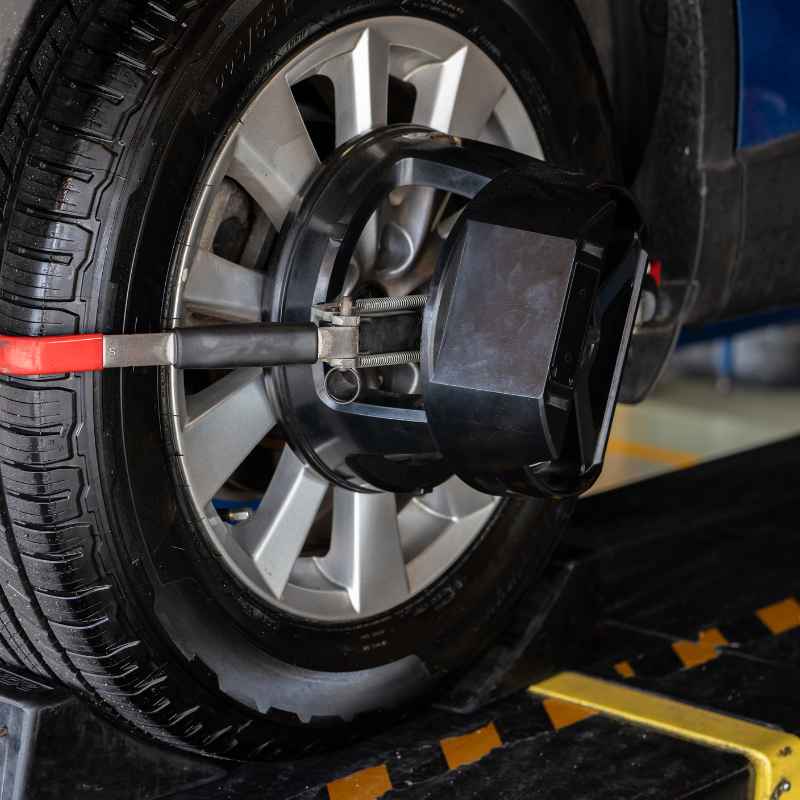
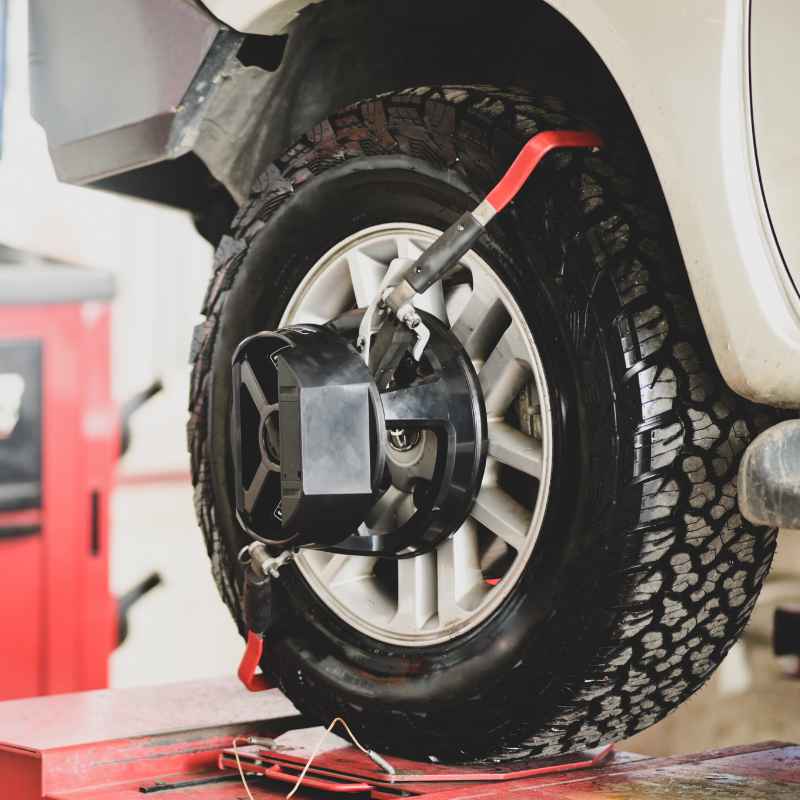
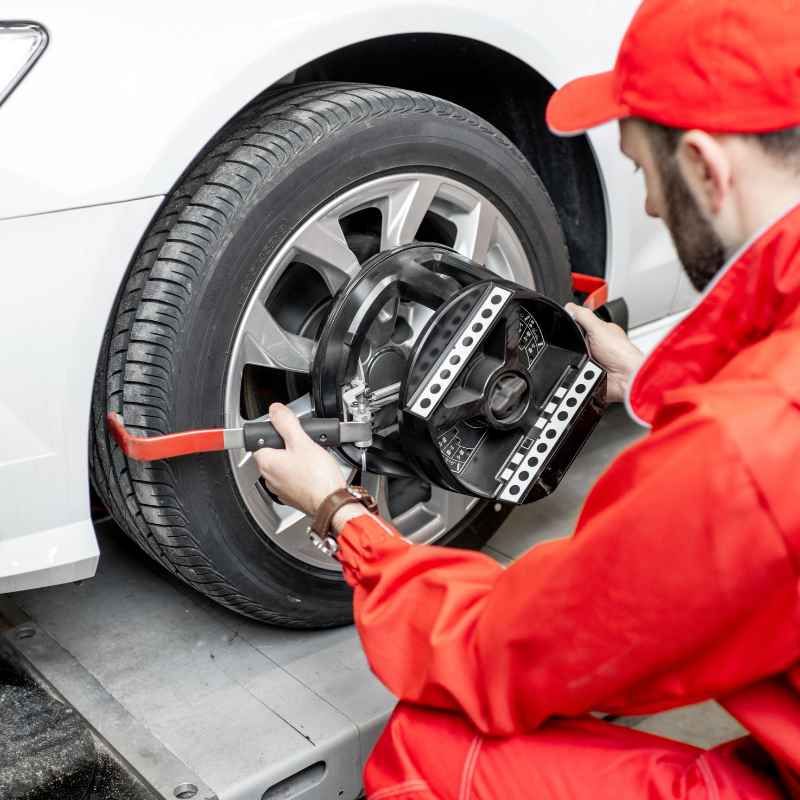
First, your car is placed on an alignment rack. This is a flat, level platform. Sensors are attached to each wheel.
These sensors communicate with a computer. The computer shows the current alignment angles. It compares them to the manufacturer’s specifications.
The main angles measured are:
Camber: The inward or outward tilt of the top of the tire. Caster: The angle of the steering axis relative to the road. * Toe: The angle of the tires pointing inward or outward, as seen from above.
If any of these angles are out of spec, the technician will adjust them. Adjustments are made by turning bolts or nuts on the suspension components. For example, adjusting the tie rods changes the toe angle.
Adjusting the control arms or strut mounts can change camber and caster.
The goal is to bring all angles within the manufacturer’s recommended range. This ensures proper handling, tire wear, and steering. After adjustments, the technician will re-check all angles.
They make sure everything is perfect. The sensors and computer are used again to confirm the work.
What Happens If You Ignore Alignment Problems?
Ignoring a car alignment problem is like ignoring a small leak in your roof. It might seem minor at first. But it can lead to bigger, more costly issues down the line.
It’s really not worth putting off.
Premature Tire Wear: This is the most obvious consequence. If your wheels are not aligned, your tires will wear unevenly and much faster. You’ll find yourself buying new tires more often.
This costs money. It also means your tires may not perform as well, especially in wet conditions.
Poor Fuel Economy: When your wheels are not pointing straight, your car has to work harder to move forward. This increased resistance means your engine uses more fuel. Over time, this can add up to a noticeable increase in your gas bill.
It’s like dragging your feet everywhere you go.
Compromised Handling and Safety: This is the most serious risk. Poor alignment affects how your car steers and handles. It can make steering feel vague or unpredictable.
In emergency situations, like sudden braking or swerving, your car might not respond as it should. This can put you and others in danger.
Damage to Suspension Components: Constant stress on misaligned wheels can also put extra strain on other parts of your suspension. This can lead to premature wear on ball joints, tie rods, and other steering components. These repairs are often more expensive than an alignment itself.
So, while you can check alignment at home, getting it fixed professionally when needed is crucial. It’s about keeping your car running well, saving money, and ensuring safety on the road.
Ignoring Alignment: The Ripple Effect
Costly Tire Replacement: Tires wear out fast.
Wasted Fuel: Your car uses more gas.
Safety Risks: Handling and steering become unreliable.
Suspension Damage: Other parts wear out quicker.
When is Alignment Normal?
It’s important to know when minor car behavior is normal versus when it signals a problem. Your car doesn’t always need an alignment. Sometimes, what you feel is just the road or normal driving.
Slight Drifting on Crowned Roads: Most roads are slightly curved. This is called crowning. It helps water run off.
Your car might drift slightly towards the lower side of the road. This is normal. If you have to make constant, strong corrections, that’s different.
Steering Wheel Play: Most steering wheels have a little bit of free play. This means you can turn the wheel slightly before the tires start to move. This is normal.
It prevents every tiny road vibration from shaking your steering wheel. But if this play is excessive (more than an inch or two), it could be an issue.
Tire Noise on Sharp Turns: Tires might make a little noise when you make very sharp turns at low speeds, like in a parking lot. This is often normal. But if you hear squealing during regular turns or while driving straight, it’s a sign.
New Tires Settling: Sometimes, after getting new tires, you might feel a slight difference. The tires need a little time to “settle” on the road. This feeling usually goes away within a day or two of normal driving.
Normal Wear on All Tires: If all four tires show similar, even wear over time, your alignment is likely okay. Even wear means the forces on your tires are balanced. This is the ideal scenario.
The key is to notice significant changes or consistent odd behavior. A healthy car should feel stable and predictable to drive.
Can I Do a “Temporary” Alignment Fix Myself?
It’s important to be very clear here. You cannot perform a true, accurate wheel alignment yourself at home without specialized equipment. The angles involved (camber, caster, toe) are very precise.
They require measurements to the tenth of a degree and adjustments made with specific tools.
However, you can sometimes make very minor, temporary adjustments to the toe setting. This is usually only an option on older vehicles with easily accessible tie rod ends. But even then, it’s risky.
You are essentially guessing at the correct position.
Why it’s not recommended:
Lack of Precision: You can’t measure accurately. Risk of Damage: You can overtighten or damage parts. Making it Worse: Incorrect adjustments can cause more problems.
Safety Concerns: Improper alignment is dangerous.
If you suspect an alignment issue, the safest and most effective step is always to visit a qualified mechanic. They have the right tools and expertise. They can perform a proper alignment.
This ensures your car is safe to drive. It also protects your tires and other car parts.
Maintaining Good Wheel Alignment
Once your car’s alignment is corrected, you want it to stay that way. There are a few things you can do to help maintain it. These are mostly about being mindful while driving.
Avoid Potholes and Curbs: This is the most important advice. Be aware of the road ahead. Try to steer clear of potholes and avoid hitting curbs.
Even small impacts can affect alignment over time. Slow down when you can’t avoid them.
Drive Carefully: Avoid aggressive driving habits like speeding over bumps or making sharp turns at high speeds. These actions put unnecessary stress on your suspension and steering components.
Check Tire Pressure Regularly: Properly inflated tires are crucial. Incorrect tire pressure can affect how your car handles. It can also lead to uneven tire wear, which can mask or contribute to alignment issues.
Check your tire pressure at least once a month.
Rotate Your Tires: Following your car manufacturer’s recommended tire rotation schedule is important. This helps tires wear more evenly. It can also help you spot alignment problems earlier by noticing wear patterns.
Listen to Your Car: Pay attention to any changes in how your car drives. If you notice pulling, vibrations, or strange noises, get it checked out. It’s better to catch a problem early.
Keeping Alignment True
Watch the Road: Dodge potholes and curbs.
Gentle Driving: Avoid sudden braking or sharp turns.
Check Tire Air: Keep tires properly inflated.
Rotate Tires: Helps them wear evenly.
Pay Attention: Notice any new car behaviors.
Frequently Asked Questions About Car Wheel Alignment
How often should I get my wheel alignment checked?
It’s a good idea to have your alignment checked at least once a year. You should also get it checked if you notice any of the common signs like pulling, uneven tire wear, or a crooked steering wheel. Some mechanics recommend checking it every oil change, especially if you drive a lot.
Can a car alignment be done at home?
No, a true and accurate wheel alignment cannot be done at home without specialized equipment. You can check for signs of misalignment yourself, but the actual adjustments require precision tools and expertise found at a mechanic shop.
What is the cost of a professional wheel alignment?
The cost can vary, but typically a front-end alignment might range from $80 to $150. A four-wheel alignment, which is more comprehensive, can cost between $100 and $200. Prices depend on your location, the vehicle, and the shop.
What’s the difference between a front-end and a four-wheel alignment?
A front-end alignment adjusts only the front wheels. A four-wheel alignment adjusts all four wheels. Most modern cars benefit from a four-wheel alignment because rear wheels can also go out of alignment and affect handling.
My steering wheel is off-center, but my car drives straight. Do I need an alignment?
Yes, this is a common sign of an alignment issue. Even if your car drives straight, a crooked steering wheel indicates that the wheels are not pointing correctly relative to each other and the car’s direction. It’s best to get it checked and adjusted.
Will changing my tires require an alignment?
Changing tires itself does not require an alignment. However, if you are replacing tires due to significant uneven wear, it’s a strong indicator that your alignment was already off and needs to be checked and corrected. It’s good practice to check alignment after new tires are installed.
Final Thoughts
Understanding your car’s wheel alignment is key. It helps you spot problems early. You can do simple checks at home.
These tell you when to seek professional help. Proper alignment means safer driving. It also saves you money on tires and gas.
Don’t ignore the signs your car gives you. A little attention can go a long way.
Products related to this article
Sponsored / affiliate links. As an Amazon Associate I earn from qualifying purchases. I may earn additional commission from eligible campaigns.