How To Remove Super Glue From Car Paint Without Damage
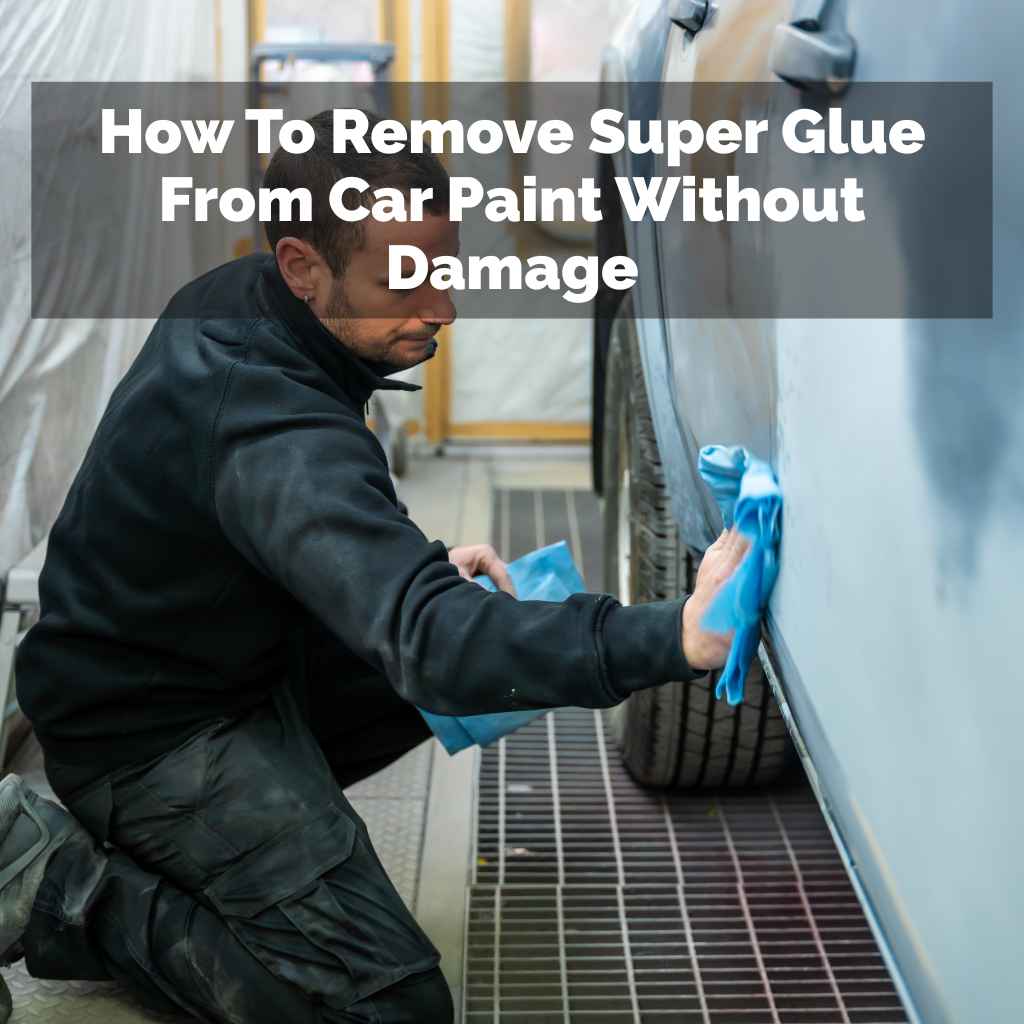
The quickest way to remove super glue from car paint involves a gentle, patient approach. Start with mild methods like warm soapy water and a soft cloth. If that doesn’t work, carefully try a specialized automotive adhesive remover or a very small amount of isopropyl alcohol.
Always test a small, hidden area first. Avoid harsh scrubbing or abrasive materials to prevent paint damage.
Understanding Super Glue and Car Paint
Super glue, also known as cyanoacrylate, is designed to bond things fast and strong. It hardens quickly when exposed to moisture, which is what happens when it hits your car’s paint. This makes it cling tightly.
Car paint, while tough, has layers. There’s the primer, the color coat, and the clear coat on top. Each layer can be sensitive.
Harsh chemicals or rough rubbing can damage this clear coat. This can lead to dull spots, scratches, or even take off the paint itself. Knowing this helps us choose methods that lift the glue without lifting the paint.
Many people think super glue is a permanent stain on car paint. They might try to scrape it off or use a strong solvent meant for other materials. These methods often cause more harm than good.
The glue itself isn’t the main problem; it’s how we try to get rid of it. Patience is key. Rushing the process usually leads to regrettable mistakes.
We need to work with the paint’s sensitivity in mind. Think of it like caring for delicate fabric; you wouldn’t scrub a silk shirt with a wire brush, would you? Your car’s paint deserves that same gentle consideration.
My Own Sticky Surprise: A Garage Story
I remember one crisp autumn evening. I was trying to fix a small, decorative plastic piece for my garage wall. It was a tiny repair.
I grabbed my trusty tube of super glue. The job was supposed to take seconds. I squeezed a tiny bead onto the plastic.
Then, disaster. My hand jolted. A small droplet of clear, viscous glue landed right on the rear fender of my pride and joy, my car.
It was a small spot, maybe the size of a pea, but it glared at me. My heart sank. I knew super glue was a nightmare to remove from porous surfaces, let alone paint.
My first instinct was to wipe it. I grabbed a paper towel. That was mistake number one.
The glue was already starting to set. Rubbing just smeared it and made it worse. It felt like I was grinding it into the paint.
Panic started to bubble. I imagined a permanent white smudge. Then, I took a deep breath.
I reminded myself that most problems have solutions if you approach them calmly. I decided to stop touching it and think. I went inside, brewed some tea, and researched.
That night, I learned a lot about gentle removal. It took a few tries, but I eventually got it off. The key was finding the right balance of a mild solvent and extreme gentleness.
It taught me that the immediate reaction is often the wrong one.
Super Glue Removal: What NOT to Do
Harsh Scrubbing: Using abrasive pads, steel wool, or stiff brushes will scratch your paint.
Scraping: Never use knives, razor blades, or hard objects to pry off the glue. This will gouge your paint.
Strong Solvents Unsafely: Using nail polish remover (acetone) or industrial solvents without testing can dissolve your clear coat.
Excessive Heat: While some heat can help, too much can warp or damage the paint.
The Gentle Approach: Starting with Soapy Water
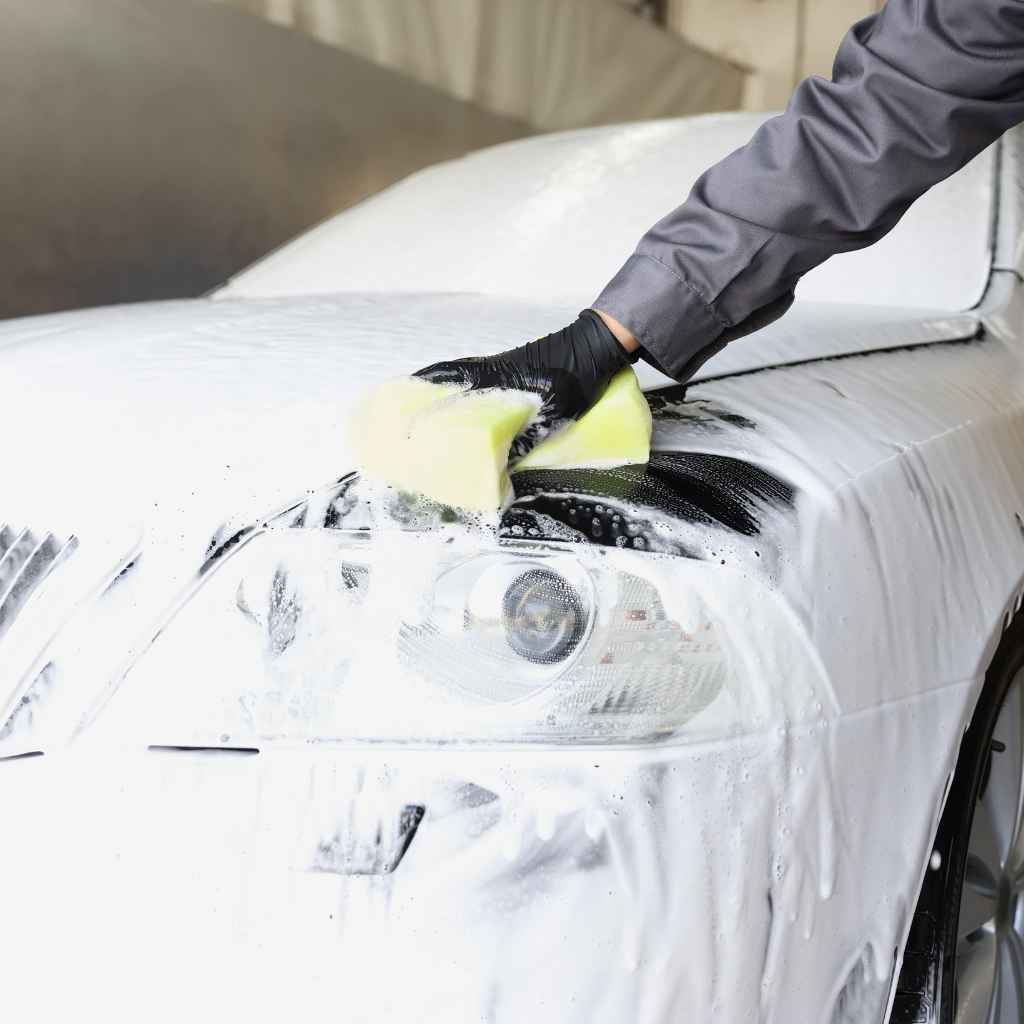
When you first spot super glue on your car’s paint, don’t panic. The very first step is always the gentlest. Grab some mild car wash soap.
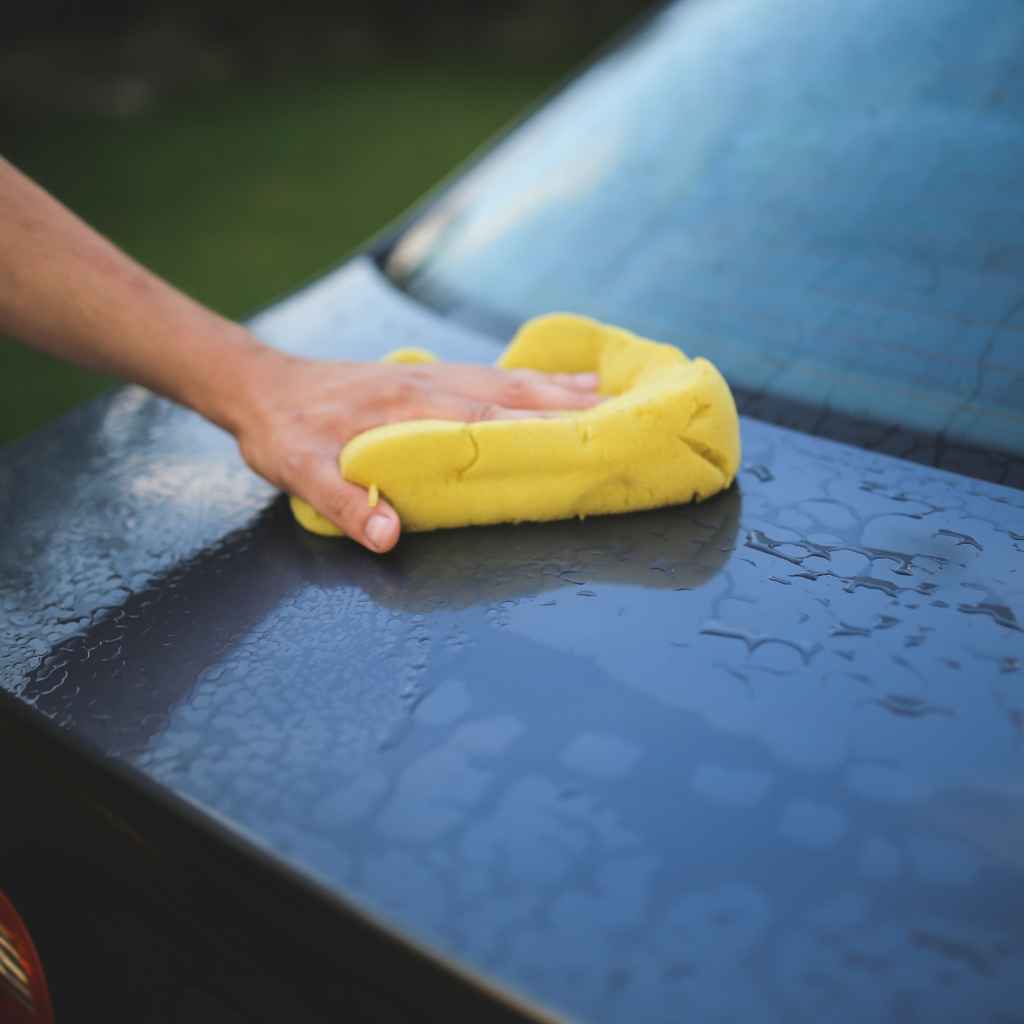
Mix a good amount with warm water. Use a soft microfiber cloth. Gently wash the area around the glue.
Then, try to gently dab or wipe at the glue itself. Sometimes, if the glue is still relatively fresh or hasn’t fully hardened, warm, soapy water is enough. It can help soften the edges.
The goal here is to lubricate the area. This helps prevent any fibers from your cloth from snagging the paint. It also helps to lift away any loose bits of glue.
You want to be very careful not to spread the glue further. If the glue is already a hard, noticeable lump, this step might not remove it completely. But it’s an important first move.
It prepares the area and ensures you’re not starting with anything too aggressive. Think of it as a warm bath for the stubborn spot. It’s relaxing for the paint and might just coax the glue into letting go.
Keep dabbing and gently swirling. Don’t rub hard in circles. That can embed dirt and scratch the paint.
Instead, use a patting motion or very light side-to-side dabs. If the glue starts to budge, even a little, you’re on the right track. If it feels like nothing is happening after a few minutes of gentle effort, it’s time to move on to slightly more potent, but still safe, methods.
Moving Up: Isopropyl Alcohol (Rubbing Alcohol)
Isopropyl alcohol, commonly known as rubbing alcohol, is often the next step. It’s a mild solvent. It can break down the bond of super glue without being overly harsh on most car paints.
However, and this is crucial, you must test it first. Find an inconspicuous spot on your car. This could be on the lower door jamb or under the edge of the hood.
Apply a tiny amount of 70% or 91% isopropyl alcohol to a cotton swab. Gently dab it on the test spot. Wait about 30 seconds.
Then, wipe it clean with a soft cloth. Check for any dulling, discoloration, or damage to the paint. If the test spot looks good, you can proceed with caution on the glue itself.
For the actual glue spot, use a cotton swab or a corner of a microfiber cloth. Dip it in the isopropyl alcohol. Don’t soak it.
You want it damp, not dripping. Gently dab at the edges of the super glue. Work your way inwards.
The alcohol will start to soften the glue. You might see it become a little gummy or less solid. As it softens, gently try to lift it away with the swab or cloth.
Avoid pushing too hard. You’re trying to dissolve the glue’s bond, not scrape it off.
This process can take time. You might need to reapply the alcohol several times. As you work, wipe away the loosened glue and alcohol mixture.
This prevents it from re-hardening. If you see any signs of the paint reacting negatively – like hazing or dullness – stop immediately. Rinse the area with water and dry it.
You might need to use a different method or consult a professional. But in most cases, careful use of isopropyl alcohol is quite effective and safe for car paint.
Isopropyl Alcohol: Your Go-To Solvent
- Type: Use 70% or 91% isopropyl alcohol.
- Application: Apply with a cotton swab or corner of a microfiber cloth.
- Method: Dab, don’t rub. Work from the edges inward.
- Patience: Reapply as needed. Remove softened glue promptly.
- Testing: Always test on a hidden area first.
- Aftercare: Rinse with water and dry the area thoroughly.
Specialized Automotive Adhesive Removers
If soapy water and isopropyl alcohol don’t cut it, there are products made specifically for removing adhesives from cars. These are often found at auto parts stores. Look for products labeled as “adhesive removers,” “tar and bug removers,” or “gummy residue removers.” These are formulated to break down sticky substances without harming your car’s clear coat.
Brands like Goo Gone, 3M, or Turtle Wax often have suitable options.
Read the product instructions very carefully. Every product is different. They will tell you exactly how to apply it, how long to leave it on, and how to remove it.
The general idea is similar to alcohol. You’ll apply the remover to the glue. Let it sit for a few minutes to work.
Then, gently wipe or lift the softened glue away. You’ll likely use a clean microfiber cloth for this. Some products might recommend using a plastic scraper to gently nudge the loosened glue.
Again, testing is super important. Even these specialized removers can be too strong for some paint types or finishes. Apply a small amount to a hidden area first.
Look for any adverse reactions. If the test is good, proceed to the glue spot. Be thorough but gentle.
After you’ve successfully removed the glue, make sure to wash the area with car soap and water. This removes any residue from the adhesive remover. Then, dry it well.
Many of these products also contain oils that can leave a slight film. Washing helps get rid of that. It restores the paint’s natural finish.
It also ensures no leftover chemicals are sitting on your paint. Think of it as cleaning up after the cleaning agent. This final step is crucial for a perfect finish.
The Power of Heat (Use With Extreme Caution!)
Sometimes, a little bit of heat can help soften super glue, making it easier to remove. This is a trickier method. You have to be very careful not to overheat your car’s paint.
Overheating can cause the paint to bubble, warp, or discolor. This is a serious damage. It’s usually best to avoid this method unless other, gentler options have failed.
If you decide to try it, use a hairdryer on a low or medium setting.
Hold the hairdryer several inches away from the glue spot. Move it constantly. Don’t focus the heat on one spot for more than a few seconds.
You want to warm the glue, not bake the paint. As the glue warms up, it might become softer and slightly pliable. At this point, you can try to gently lift it.
Use a plastic scraper or the edge of a credit card. Be very, very careful. The heat makes the paint softer too.
Avoid any pressure that could cause a scratch.
Once you’ve lifted a piece of the softened glue, try to peel it away. You might need to reapply heat as you go. If the glue doesn’t start to soften and lift easily, stop.
Don’t force it. The risk of paint damage is too high. If you succeed, wash the area thoroughly afterward.
This method is best reserved for situations where the glue is a bit thicker and won’t respond to solvents. But always remember, gentler is usually better when it comes to your car’s paint.
Heat Method Quick Guide
- Tool: Hairdryer (low to medium heat).
- Distance: Keep it 6+ inches away.
- Movement: Move constantly, never linger.
- Goal: Warm the glue, not cook the paint.
- Removal: Use a plastic scraper or credit card gently.
- Stop if: Paint seems soft, shiny, or damaged.
- Aftercare: Wash and dry the area well.
What If It’s Still Stuck? When to Call the Pros
There might be times when, despite your best efforts, the super glue remains stubbornly attached. Or, perhaps you’re worried about causing damage. In these cases, it’s always wise to seek professional help.
A reputable auto detailer or body shop has the expertise and specialized tools to handle delicate paint jobs. They understand the different types of car paint and the safest ways to treat them.
Don’t feel defeated if you can’t remove it yourself. Some situations are just tougher than others. A small, well-intentioned attempt to fix a problem can sometimes lead to a bigger one if not done carefully.
Professionals have access to commercial-grade removers and polishes. They also know the exact techniques to avoid damaging your car’s clear coat. They can often polish out minor imperfections if any slight marking occurs during removal.
Consider the cost of professional help versus the cost of repainting a section of your car. Usually, a professional removal is much cheaper. It’s a good investment to protect the value and appearance of your vehicle.
If the glue has been on for a very long time, or if it’s a very large spot, calling a pro is likely your safest bet. They can assess the situation and give you the best advice.
Real-World Scenarios and Prevention
Super glue accidents on cars can happen anywhere. You might be working on a bike rack attached to your car in the driveway. Maybe you’re repairing a small piece of trim that fell off.
Even something as simple as applying a decal or a small magnetic badge can go wrong. The key is always to be prepared. Have your cleaning supplies handy.
Work in a well-lit area.
Think about the environment. Is it windy? Is it very hot or cold?
Extreme temperatures can affect how quickly glue dries and how it adheres. Also, consider your own state. Are you rushed?
Are you tired? Trying to do a precise repair when you’re distracted is a recipe for disaster. Take a moment to focus.
Ensure you have a stable surface to work on, and that the car part you’re fixing is secure.
Prevention is truly the best cure. When using super glue near your car, lay down a protective barrier like an old towel or newspaper on the paint. This catches any drips before they land.
If you’re attaching something to your car, like a small accessory, consider using automotive-specific double-sided tape or adhesive. These are designed for car exteriors and are much safer and easier to remove if needed. Always read the instructions for any product you use on or near your car’s paint.
Prevention Tips for Super Glue Near Your Car
- Work Area: Always protect the surrounding car paint with a towel or drop cloth.
- Lighting: Ensure you have good light so you can see what you’re doing.
- Calm Moment: Don’t rush. Take your time with the application.
- Secure Parts: Make sure any pieces you’re gluing are stable before applying glue.
- Alternative Adhesives: For car attachments, use automotive-grade tapes or glues.
- Read Labels: Always check product instructions before use.
When It’s Normal and When to Worry
A fresh, small drop of super glue on your car’s paint is common. It’s an accident that happens. The worry comes when you try to remove it the wrong way.
If the glue is still wet, it’s relatively easy to manage. The worry intensifies if the glue has fully hardened into a solid lump. This is when it’s most bonded to the paint.
You should worry if you’ve already tried aggressive methods. If you’ve scraped at it, or used a harsh chemical that caused the paint to haze over, that’s a sign you need to stop. Any visible scratch, dull spot, or change in paint color is cause for concern.
If the glue spot is large, or if it’s on a highly visible area like the hood or door panel, you might want to seek professional advice sooner rather than later.
The good news is that most super glue spots on car paint are repairable with careful methods. The ‘worry’ stage is usually about preventing further damage. If you notice the paint around the glue spot seems to be lifting or peeling, that’s a more serious issue.
It might mean the glue has compromised the paint layers. In such a case, professional assessment is essential. But for most typical scenarios, a patient, gentle approach will be enough.
Quick Fixes and Best Practices
The best “quick fix” for super glue on car paint is really about a quick, gentle process. Start with the mildest method possible. Warm, soapy water and a soft cloth are your first line of defense.
If that doesn’t work, move to isopropyl alcohol applied with a cotton swab, testing first. If it’s still there, consider a specialized automotive adhesive remover, again, testing first. Always follow product instructions.
The best practice is to be prepared and careful. Keep a small cleaning kit in your car or garage. This could include microfiber cloths, a bottle of car soap, and a small bottle of rubbing alcohol.
Knowing these simple steps ahead of time can save you a lot of stress if an accident happens. Remember the key principles: gentleness, patience, and testing.
Avoid the temptation to rush. It’s better to take an hour or two to carefully remove a small spot than to cause damage that requires expensive repair. Think of it as a small puzzle to solve.
Each step is about finding the right key to unlock the glue’s bond without hurting the paint. Following these best practices will help you maintain your car’s pristine appearance.
Frequently Asked Questions
Can I use nail polish remover to get super glue off my car?
Nail polish remover often contains acetone, which is a very strong solvent. While it can dissolve super glue, it can also easily damage your car’s clear coat, leading to dull spots or discoloration. It’s generally not recommended.
If you choose to try it, test it on a hidden area first and use it sparingly.
How long does super glue take to fully cure on car paint?
Super glue typically cures quite quickly, often within 30-60 seconds to initial set. However, it can take up to 24 hours to reach its full strength. This means that even if it feels hard quickly, it might still be somewhat pliable or susceptible to damage for a while.
Is it safe to use WD-40 on super glue on car paint?
WD-40 can sometimes help soften adhesives. However, it’s not specifically designed for automotive paint and can leave an oily residue that might be difficult to remove. If you use it, test it on a hidden spot first.
Always follow up with a thorough wash of the area with car soap and water afterward to remove any residue.
What’s the difference between removing super glue from glass vs. car paint?
Glass is much more durable than car paint. You can often use stronger solvents or even a razor blade on glass with less risk of damage. Car paint, especially the clear coat, is delicate.
It can be easily scratched, etched, or dissolved by harsh chemicals, so methods for paint must be much gentler.
Can a tiny dot of super glue really damage my car’s paint permanently?
A tiny dot of super glue itself is unlikely to cause permanent damage if removed correctly. The “permanent” damage usually comes from improper removal attempts. Aggressive scrubbing, scraping, or using the wrong chemicals are what typically lead to scratches, dullness, or paint etching that requires professional repair.
Should I wax my car after removing super glue?
Yes, it’s a good idea to wax the area after successfully removing super glue and cleaning the spot. This helps restore the protective layer and shine to your car’s paint. It’s like giving the treated area a little extra protection and making it blend back in seamlessly with the rest of your car.
Final Thoughts on Sticky Situations
Dealing with super glue on car paint can be a stressful moment. But as we’ve seen, it’s usually a solvable problem. The key is a gentle, patient approach.
Always start with the mildest methods and work your way up only if necessary. Testing any product in an inconspicuous spot is non-negotiable. Remember that your car’s paint is a sensitive finish.
Treat it with care. With the right knowledge and a bit of patience, you can tackle that sticky situation and keep your car looking its best, just like new.
Products related to this article
Sponsored / affiliate links. As an Amazon Associate I earn from qualifying purchases. I may earn additional commission from eligible campaigns.
 Car Scratch Remover for Vehicles, Car Paint Scratch Repair Kit for Light Scratches, Swirl Marks, Scuffs & Water Spots, Comes with Sponge, Safe for All Paint Colors, 100g, 1 Pack
 Car Scratch Remover with Sponge & Gloves for Deep Scratches, Car Paint Scratch Remover for Vehicles, Car Scratch Repair Kit for All Paint