How to Shampoo Car Carpet and Remove Deep Stains Fast
Quick Answer: Shampoo car carpet by pre-treating stains first, then applying a car-safe carpet shampoo, agitating with a stiff brush, and extracting with a wet/dry vacuum. Rinse lightly, extract again, and ventilate for 24-48 hours so the carpet dries fully and mildew never gets a chance to start.
Understanding Car Carpet and Stains
Car carpet is often made of synthetic fibers. These are tough. But they can still absorb liquids and trap dirt.
The fibers are usually short and dense. This makes them durable. It also means stains can set in quickly.
Different types of stains need different approaches. Food spills, mud, grease, and even ink all behave differently. Knowing the source of the stain helps you choose the best cleaning method.
Understanding the carpet itself also matters. Most car carpets have a backing. This backing can be damaged by too much moisture.
It can also lead to mold or mildew if not dried properly. So, it’s not just about cleaning the surface. It’s about cleaning smart.
Think about the last time you had a spill. Maybe it was coffee on your morning commute. Or maybe your kids had snacks in the back seat.
Perhaps a pet had an accident. Whatever it was, it left a mark. These marks aren’t just unsightly.
They can also hold odors. These odors can make your car less pleasant to be in. Over time, dirt and grime build up.
This makes the carpet look dull and worn. Regular cleaning is important. But deep cleaning is needed for tough spots.
This is where shampooing comes in. It’s a more thorough way to clean.
Why Regular Cleaning Isn’t Enough
Your everyday vacuum cleaner is great. It picks up loose dirt. It grabs crumbs and dust.
But it can’t reach deep into the carpet fibers. It can’t lift embedded stains. Think of it like brushing your hair.
You can brush the top layer. But you can’t get out all the knots that way. Shampooing gets down into the fibers.
It loosens the trapped dirt and grime. It lifts the stains that vacuuming misses. It brings new life to tired-looking carpet.
Without shampooing, your car carpet will never be truly clean. It will always hold onto some level of dirt and odor. Over time, this builds up.
It can even damage the fibers. So, while vacuuming is a must, it’s only the first step.
I remember a time when I thought vacuuming was enough. My car was new then. I was careful.
But a soda spilled. It was a small spill. I wiped it up right away.
But a faint sticky patch remained. I kept vacuuming. The stickiness was still there.
It felt gross under my feet. It started to smell a little sweet, then musty. That’s when I realized vacuuming alone wasn’t going to cut it.
I needed something stronger. I needed to get deeper into the carpet. That’s when I started looking into car carpet shampooing.
It felt like a big job at first. But the results were worth it.
Gathering Your Cleaning Supplies
Before you start, you need the right tools. Having everything ready makes the job smoother. You don’t want to stop halfway.
You’ll need a good carpet cleaner. Look for one made for car interiors. They are usually pH-balanced.
This is better for car fabrics. Some are spray bottles. Others are concentrated liquids.
You’ll also need a stiff-bristled brush. This helps agitate the cleaner into the carpet. A wet/dry vacuum is a game-changer.
It sucks up the dirty water. This is crucial for a good clean. If you don’t have one, a good old-fashioned towel can work.
But it takes more effort. You’ll also need a bucket of clean water. And old towels or microfiber cloths are helpful.
For tough stains, a dedicated spot remover is a good idea. Don’t forget gloves. Some cleaners can be harsh on your skin.
Make sure you have good ventilation. Open your car doors wide.
It’s also a good idea to have a small vacuum attachment. This helps get into tight spots. Think about the edges of the carpet.
Or the area around the seat rails. These spots often collect a lot of dirt. A small nozzle makes it easier to clean them.
Also, consider a soft brush. This is for more delicate areas. Or if you’re worried about damaging the fibers.
Always test your cleaner in an inconspicuous spot first. This is usually under a floor mat. Or on the edge of the carpet.
You don’t want to cause discoloration. Doing a small test patch saves you from bigger problems later. It’s a simple step that offers great peace of mind.
Knowing your supplies are ready makes you feel prepared.
Essential Cleaning Kit Checklist
Carpet Shampoo: Choose a quality auto carpet cleaner.
Stain Remover: For specific tough spots (grease, ink, etc.).
Stiff-Bristle Brush: For working cleaner into fibers.
Wet/Dry Vacuum: Or plenty of absorbent towels/microfiber cloths.
Buckets: One for cleaning solution, one for rinse water.
Gloves: To protect your hands.
Microfiber Towels: For blotting and wiping.
Water Source: Hose or jug for rinsing.
Ventilation: Open doors/windows.
What’s In Our Shampooing Kit
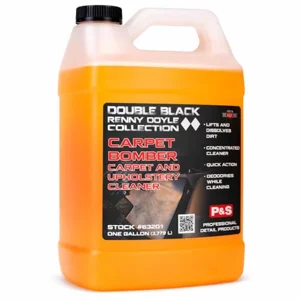
P&S Carpet Bomber Upholstery & Carpet Cleaner (1 Gal.)
A citrus-based, highly dilutable car carpet shampoo built to lift grease, dirt, and odors from fabric fibers without harsh fumes.
- Best for: the main shampoo step in your cleaning kit checklist
- Why we picked it: dilutes up to 8:1, so one gallon covers many cleaning sessions
- Main drawback: citrus scent is strong until the carpet is fully dry
Compare more car carpet cleaning tools
|
Option 1 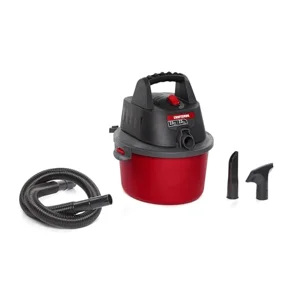 CRAFTSMAN 2.5-Gal. Wet/Dry Shop Vacuum
|
Option 2 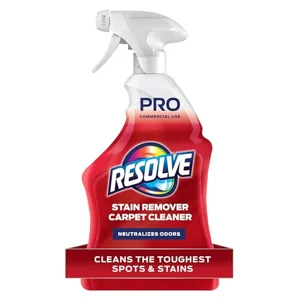 Resolve Professional Strength Spot & Stain Remover
|
Option 3 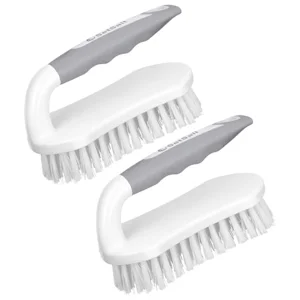 SetSail Heavy-Duty Stiff-Bristle Scrub Brush (2-Pack)
|
As an Amazon Associate we earn from qualifying purchases.
Pre-Treating Stubborn Stains
This is where you win the battle against tough stains. Don’t just spray cleaner everywhere. Look at the stain first.
What caused it? If it’s mud, let it dry. Then vacuum up the loose dirt.
If it’s grease, you need a degreaser. For food stains, an enzymatic cleaner can break down organic matter. Always blot, never rub.
Rubbing pushes the stain deeper. It can also spread it. Apply your spot remover directly to the stain.
Let it sit for a few minutes. This gives it time to work. Then, gently agitate with your brush.
You want to lift the stain, not scrub it in. Blot with a clean towel. See if it’s coming out.
Some stains are tricky. Red wine, for example. Or ink.
These often need specific treatments. For red wine, cold water and a bit of salt can help. For ink, rubbing alcohol can be effective.
But always test these solutions. They can be harsh. Once you’ve treated the spot, you can move on.
But don’t skip this step. It makes the overall shampooing process much easier. It means you won’t have those stubborn spots reappearing later.
It’s like prepping a canvas before painting. You want a clean surface to start with. Pre-treating is that important.
It saves you time and effort in the long run.
I had a terrible incident with a leaky pen once. It was in my bag. My bag was on the passenger seat.
Ink spread across the tan carpet. It was a disaster. I panicked.
My first instinct was to scrub. That made it worse. It spread into a bigger mess.
Then I remembered what I’d learned. Blotting first. Then spot treatment.
I grabbed a bottle of upholstery cleaner. I sprayed it on a cloth. I blotted gently.
Then I used a specific ink remover. I dabbed it on. I let it sit.
I blotted again. It took several tries. But it faded.
It was a huge relief. This experience taught me the power of pre-treating. It’s not just an extra step.
It’s the most important step for tough spots.
The Shampooing Process
Now for the main event: shampooing. Make sure your car is well-ventilated. Open all the doors.
If you have a wet/dry vacuum, set it up. Start by applying your carpet cleaner. Follow the instructions on the bottle.
Some you spray on. Some you dilute in water. Work in small sections.
Don’t soak the carpet. Too much moisture is bad. Use your stiff brush to work the cleaner into the carpet fibers.
Scrub gently. You want to lift the dirt. After scrubbing a section, let the cleaner sit for a few minutes.
This allows it to break down the grime.
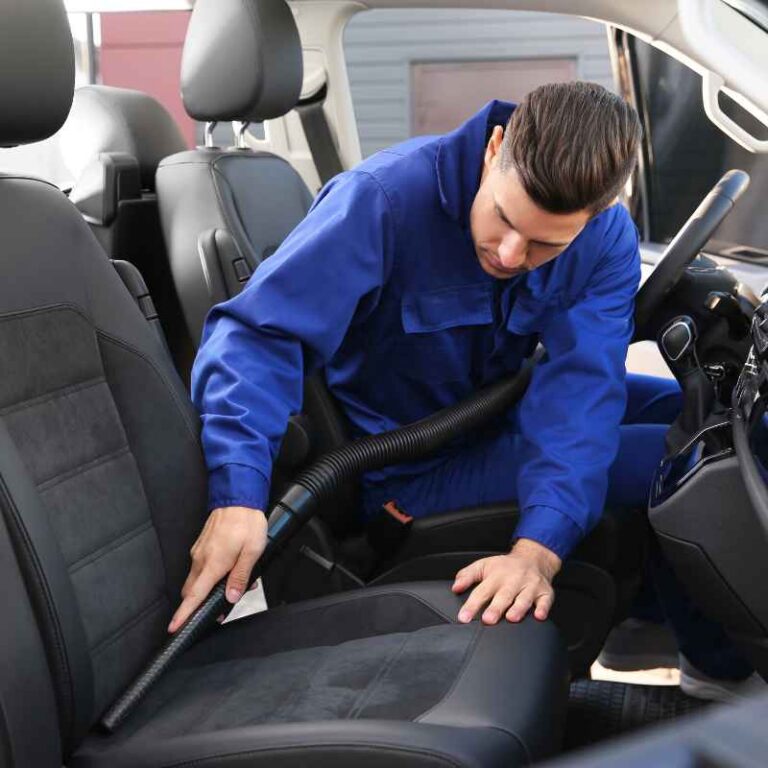
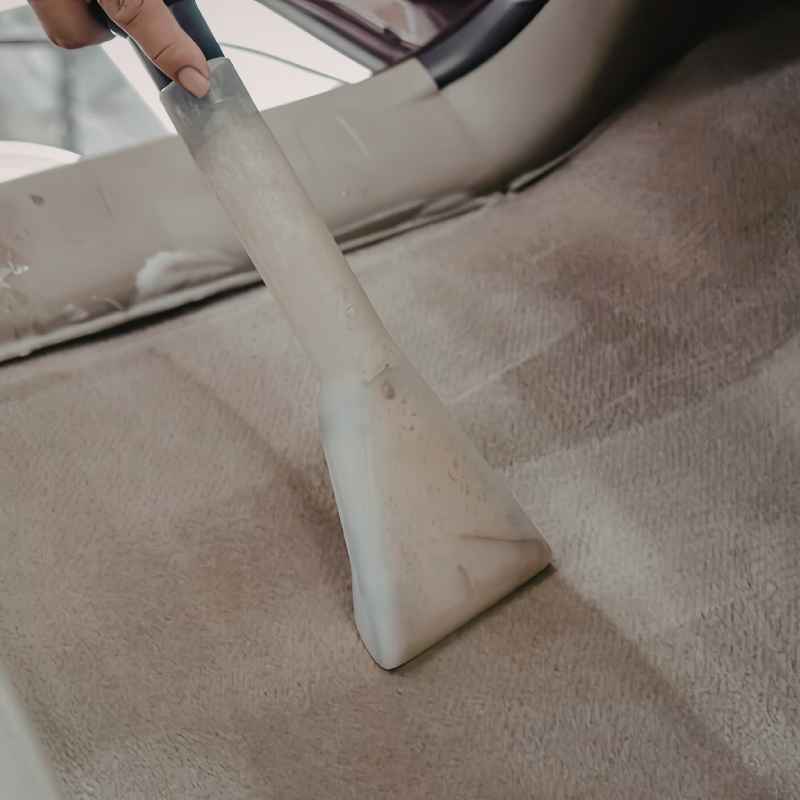
Next, it’s time to extract the dirty water. This is where the wet/dry vacuum is amazing. Go over the section you just cleaned.
It will suck up the dirty foam and water. This leaves the carpet much cleaner and less wet. If you don’t have a wet/dry vac, use clean, absorbent towels.
Press them down firmly onto the carpet. Soak up as much moisture as possible. You’ll need to change towels often.
It takes more work. But it’s doable. Once you’ve extracted the cleaner, you need to rinse.
Use a clean bucket of water. Apply a light mist of clean water to the section. Then, vacuum or blot it up again.
This removes any leftover cleaner residue.
Residue can attract more dirt. It can also make the carpet feel stiff. So rinsing is important.
Move to the next section. Repeat the process: apply cleaner, scrub, let sit, extract, rinse, extract again. Work your way through the entire carpet.
Pay attention to high-traffic areas. These areas get dirtiest. Under the pedals.
The driver’s side floor mat area. The rear seat floor. These are prime spots for grime.
Don’t rush. A thorough job takes time. But the results will be a fresh, clean-smelling car.
And carpet that looks almost new. It’s a satisfying feeling. Knowing you’ve made such a difference.
Shampooing Steps at a Glance
1. Ventilate: Open all car doors.
2. Apply Cleaner: Follow product instructions for your chosen shampoo.
3. Agitate: Gently scrub with a stiff brush in small sections.
4. Dwell Time: Let the cleaner sit for a few minutes.
5. Extract: Use a wet/dry vacuum to remove dirty water.
6. Rinse: Lightly mist with clean water and extract again.
7. Repeat: Work section by section until complete.
Dealing with Specific Stain Types
Different stains need different attacks. Grease and oil are common. For these, a degreaser works best.
Or even a bit of dish soap mixed with water. Apply it. Let it sit.
Blot it up. Mud is another frequent visitor. Let it dry completely.
Then vacuum. What’s left might need a bit of cleaner and a brush. Food stains, like ketchup or chocolate, can be tough.
Enzymatic cleaners are great here. They break down the food particles. Coffee and soda stains are acidic.
They can bleach fabric. Use a cleaner designed for them. Ink stains are notoriously difficult.
Rubbing alcohol or a specialized ink remover might be needed. Always test these first. They can be strong.
Pet accidents are a big problem. They leave behind not just stains but odors. Enzymatic cleaners are essential here.
They break down the urine or waste. They neutralize the odor. Regular cleaners just mask the smell.
The smell will come back. For salt stains in winter, a mixture of vinegar and water can help. The vinegar neutralizes the salt.
After cleaning, always make sure the area dries fully. This is especially important in humid climates. Or if you used a lot of water.
A fan can help speed this up. Or parking in the sun with doors open. Proper drying prevents mold and mildew.
I once had a terrible experience with a melted lollipop. It was summer. The sun baked it into the carpet.
It became a sticky, gummy mess. Nothing I tried seemed to work. It just spread the stickiness.
Finally, I tried a bit of ice. I put ice cubes in a plastic bag. I held the bag over the melted candy.
It hardened it. Then, I was able to scrape off the bulk of it. What was left was a sticky residue.
I used a strong carpet cleaner on that. And a lot of blotting. It took patience.
But I got it out. It taught me that sometimes, you need to think creatively. Not every stain is the same.
Quick Stain Guide
Grease/Oil: Degreaser or dish soap solution. Blot, don’t rub.
Mud: Let dry completely. Vacuum. Then shampoo any remaining spots.
Food Stains: Enzymatic cleaner. Works best on organic matter.
Coffee/Soda: Use a specialized carpet cleaner. Blot gently.
Ink: Rubbing alcohol or ink remover. Test first. Dab carefully.
Pet Accidents: Enzymatic cleaner is key for odor and stain removal.
Salt Stains: Vinegar and water solution. Helps neutralize salt.
Blood/Protein Stains: Cold water and 3% hydrogen peroxide, never hot water. Heat sets protein stains permanently.
Drying Your Car Carpet Properly
This is a step many people overlook. But it’s critical. Damp carpet is a breeding ground for mold and mildew.
These cause bad smells. They can also damage your car’s interior. After shampooing and rinsing, extract as much water as you possibly can.
Use your wet/dry vac on the carpet for a long time. If using towels, keep pressing until the towels come up almost dry. Then, open all car doors and windows.
Let fresh air circulate. If you have a fan, point it at the carpet. Parking in the sun helps too.
But be mindful of sun fading other interior parts. Keep the doors open for as long as possible.
Don’t close up a damp car. It traps moisture. This leads to that musty smell.
It’s hard to get rid of. You might need to drive with the windows down for a while. Or park in a sunny, dry spot.
Check the carpet. Feel it. Is it dry to the touch?
Especially in thicker areas. It can take several hours, or even a full day, for car carpet to dry completely. Especially if it’s humid outside.
Be patient. It’s better to wait for it to dry. Than to deal with mold later.
A good drying process ensures your car smells fresh. And your carpet stays healthy.
I learned this the hard way. I shampooed my carpets one rainy afternoon. I thought I had extracted enough water.
I closed the doors. The next morning, my car smelled terrible. Like a wet dog.
It was mold. I had to go back and re-clean the worst spots. And then I spent hours with fans and open doors.
It was a long process. Now, I always make sure to dry my car thoroughly. I’ll even run a dehumidifier in the garage if I’m cleaning indoors on a damp day.
It makes all the difference. It prevents that awful smell from ever starting. Dryness is your friend.
Drying Tips for Success
Extract Thoroughly: Get out as much water as possible.
Ventilate Heavily: Open all doors and windows for hours.
Use Fans: Point fans directly at the wet carpet.
Sunlight Helps: Park in a sunny spot if possible.
Avoid Trapping Moisture: Do not close up a damp car.
Feel for Dryness: Ensure all layers are dry to the touch.
Expect 24-48 Hours: Full drying usually takes a day or two depending on humidity; check daily until no dampness remains.
Using an Extractor Machine
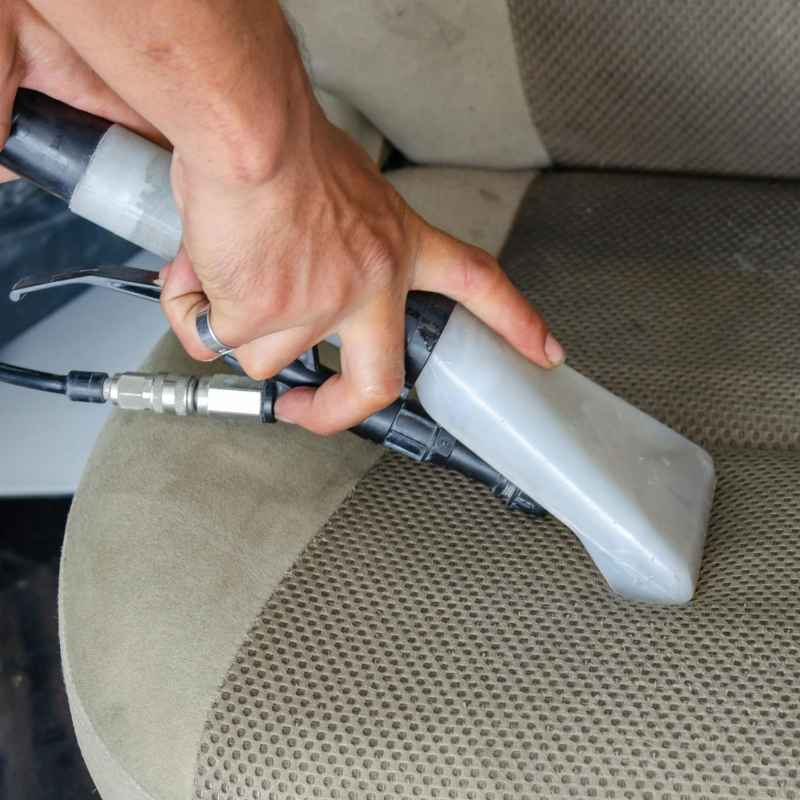
An extractor machine is like a professional carpet cleaner for your car. It’s a wet/dry vacuum with an added feature. It sprays water and cleaning solution onto the carpet.
Then, it vacuums it all up. This is the most effective way to deep clean. It removes more dirt and water than manual methods.
You can rent these machines. Or buy them. If you clean your car interior often, investing in one can be worthwhile.
The process is similar to manual shampooing. You’ll spray your cleaner or use one designed for the machine.
Then, you’ll pass the machine over the carpet. It sprays and vacuums at the same time. This is incredibly efficient.
It lifts deep-down dirt and stains. It leaves the carpet much drier than blotting. You’ll still need to pre-treat tough stains.
The machine helps with general grime. But specific spots might need extra attention first. After using the extractor, you still need to ensure good drying.
Even though it extracts well, some moisture remains. So, ventilation is still key. But the effort is less.
And the results are often superior.
If you want to tackle the rest of the interior at the same time, our DIY car interior detailing guide walks through seats, dash, and headliner using the same shampoo-and-extract approach.
I rented an extractor for the first time a few years ago. My car carpet was looking pretty sad. It had years of dirt and a few mystery stains.
I was skeptical. I wasn’t sure if a rental machine could do much. But it blew me away.
The amount of dirt it pulled out was astonishing. The carpet looked and felt so much cleaner. It was softer.
It even smelled better. It was a lot less work than I expected. I felt like a pro.
Since then, I’ve been tempted to buy my own. For serious car interior cleaning, an extractor is the way to go.
Alternative Cleaning Methods (When Shampooing Isn’t Possible)
Sometimes, you might not have a wet/dry vac. Or an extractor. Or you might need a quick spot clean.
There are other ways. For light dirt and minor spots, a good quality upholstery cleaner spray works. Spray it on a cloth.
Then, dab the stain. Blot it up. For odors, baking soda is your friend.
Sprinkle it generously on the dry carpet. Let it sit for several hours, or even overnight. Then vacuum it up thoroughly.
It absorbs smells. Vinegar is another natural deodorizer. Mix equal parts white vinegar and water in a spray bottle.
Lightly mist the carpet. Let it air dry. The vinegar smell will disappear as it dries.
For greasy spots, cornstarch can help. Sprinkle it on. Let it absorb the grease.
Then vacuum. For general freshening, you can also use dryer sheets. Tuck them under the floor mats.
They release a pleasant scent. Steam cleaning is another option. It uses hot steam to lift dirt and kill bacteria.
You can rent steam cleaners. Or use a handheld steam cleaner for small areas. Always check if your car carpet can handle steam.
Some delicate materials might be damaged. These methods are not as deep as shampooing or extraction. But they can help maintain your car’s interior between full cleans.
Quick Spot Cleaning & Deodorizing
Light Stains: Upholstery cleaner spray on a cloth. Dab and blot.
Odors: Baking soda. Sprinkle, let sit, vacuum thoroughly.
Vinegar Freshener: Mix 1:1 white vinegar and water. Lightly mist, let dry.
Grease Spots: Cornstarch. Sprinkle, let absorb, vacuum.
Fresh Scent: Dryer sheets tucked under floor mats.
Maintaining Your Clean Car Carpet
Keeping your car carpet clean is easier than deep cleaning it. The best defense is a good offense. Use floor mats.
All-weather mats are great. They catch dirt, mud, and spills. They are also easier to remove and clean.
Shake them out regularly. Or hose them down. Try to clean up spills immediately.
Don’t let them set. Blot spills as soon as they happen. Don’t rub.
Vacuum your car carpet regularly. At least once a week. This prevents dirt from getting ground in.
It removes surface dust and debris.
Avoid eating messy foods in the car. Or at least, be very careful. Keep a small trash bag in your car.
Use it for wrappers and crumbs. If you have pets, consider a pet seat cover. This protects your seats and carpet from fur and accidents.
When you park, especially in dusty areas, try to avoid kicking up dirt. These small habits make a big difference. They extend the time between deep cleans.
They keep your car looking nicer for longer. A little bit of care goes a long way. It’s about consistent effort, not just occasional big jobs.
I once found a simple hack that really helped. I keep a small, cheap spray bottle of water in my car. If I notice a small smudge or spot, I can lightly spray it.
Then I blot it with a paper towel I keep in the glove box. It’s not for big spills, but for those little daily marks. It stops them from becoming bigger problems.
It’s like a little shield against everyday car life. It makes the car feel cleaner day-to-day. And it means less scrubbing later.
It’s a small thing, but it makes a difference.
When to Call a Professional
There are times when DIY cleaning just won’t cut it. If you have very old, set-in stains. Or if the carpet is heavily soiled.
Professional detailers have powerful equipment. They use commercial-grade cleaners. They know how to treat difficult stains.
If you’ve tried everything. And the stain is still there. Or if you’re worried about damaging your car’s interior.
Calling a pro is a good idea. They can often achieve results that are hard to replicate at home. Especially for things like deep grease stains, large pet accidents, or dye transfer.
Also, consider the value of your car. If it’s a classic car or a high-end vehicle. You might want professional care.
To ensure the best possible outcome. Professionals can assess the carpet type. They know which treatments are safe.
They can also offer advice on maintenance. While it costs more upfront. It can sometimes save you from making costly mistakes.
Or from having to replace the carpet entirely. It’s about knowing your limits. And when to hand it over to the experts.
For most general cleaning and stain removal, you can do a great job yourself. But for the really tough jobs, professionals are worth considering.
Professional interior detailing that includes carpet shampoo and hot-water extraction typically runs about $100-$350+, depending on vehicle size and how soiled the carpet is. Compare that against a DIY kit, which usually costs $20-$60 for shampoo, a brush, and spot remover, before factoring in a rented or owned wet/dry vac or extractor. See what’s included in a full car detailing service if you’re comparing the two.
Frequently Asked Questions
How often should I shampoo my car carpet?
It depends on your usage. If you transport kids or pets regularly, or live in a dusty area, aim for every 3-6 months. For less frequent use, once a year might be enough. Regular vacuuming is more important for daily upkeep.
Can I use household carpet cleaners in my car?
Some can be used, but it’s best to use cleaners made for automotive interiors. Household cleaners can be too harsh. They might damage carpet fibers or cause discoloration. Always test in an inconspicuous spot first.
What’s the best way to remove a pet odor from car carpet?
Enzymatic cleaners are your best bet. They break down the organic matter causing the odor. Sprinkle baking soda on dry carpet overnight to absorb smells. Ensure the area is thoroughly dried after cleaning.
Will shampooing my car carpet damage the backing?
Using excessive water can damage the backing. It’s important to extract as much water as possible. A wet/dry vacuum or extractor is highly recommended. Avoid soaking the carpet.
How do I get rid of melted plastic or gum?
For gum or plastic, try freezing it. Place ice cubes in a bag and hold over the substance until it hardens. Then, carefully scrape it off. Use a spot remover for any residue left behind.
Is it safe to use bleach on car carpet?
No, bleach should almost never be used on car carpet. It can cause severe discoloration and damage the fibers. Stick to cleaners specifically designed for car interiors.
How long does it take for car carpet to dry after shampooing?
Most car carpets take 24-48 hours to fully dry, depending on humidity and airflow. You can speed this up with a fan, sunlight, and by leaving doors open, but never close up a damp car right after cleaning. Trapped moisture is what causes that musty, mildew smell within a day or two.
Final Thoughts on a Fresh Interior
Cleaning your car carpet might seem daunting. But with the right approach, you can tackle even the toughest stains. Remember to pre-treat.
Work in sections. Extract the moisture well. And most importantly, dry your carpet thoroughly.
A clean interior makes a big difference. It feels good to drive a car that looks and smells fresh. You can achieve great results with a little effort and the right tools.
Enjoy your clean car!
Products related to this article
Sponsored / affiliate links. As an Amazon Associate I earn from qualifying purchases. I may earn additional commission from eligible campaigns.