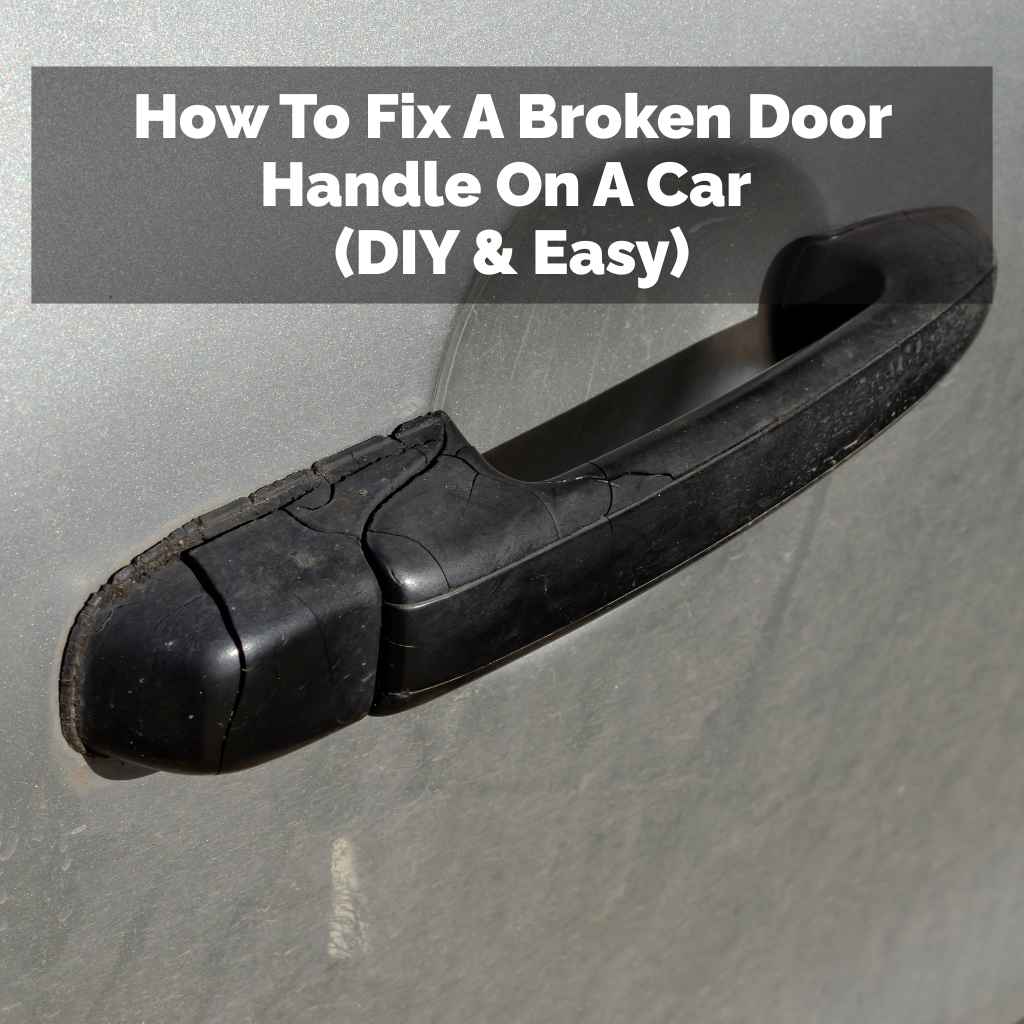
How To Fix A Broken Door Handle On A Car (DIY & Easy)
A broken car door handle often means a loose or detached connection inside the door. This can happen due to wear and tear, damage, or broken internal clips. Common fixes involve realigning or replacing these internal parts.
The process usually requires basic tools and patience. Many drivers can successfully repair it themselves, saving time and money.
Understanding a Broken Car Door Handle
Your car door handle is part of a system. It connects to latches and locks inside the door panel. When you pull the handle, it pulls a rod or cable.
This action tells the door latch to open. If the handle feels loose, something in this connection is broken. It could be the handle itself.
Or it might be the rod, cable, or the clips holding them together. Understanding these parts helps you see where the problem lies.
Car door handles look simple from the outside. But inside, they have several moving pieces. The outer handle is what you touch.
It’s usually attached to a lever or pivot. This lever is connected to a metal rod or a plastic cable. This rod or cable then goes to the latch mechanism.
The latch is what keeps the door shut. When you pull the handle, the rod moves. This movement releases the latch.
Then, the door can open. A break anywhere in this chain causes the handle to fail.
There are many reasons why a door handle might break. The most common is wear and tear. Over years of use, plastic parts can become brittle.
Metal parts can bend or break. Extreme weather can also play a role. Freezing temperatures can make plastic snap.
Direct sun can degrade plastics over time. Sometimes, a forceful pull or a bump can cause damage. Even a simple fall can snap a clip.
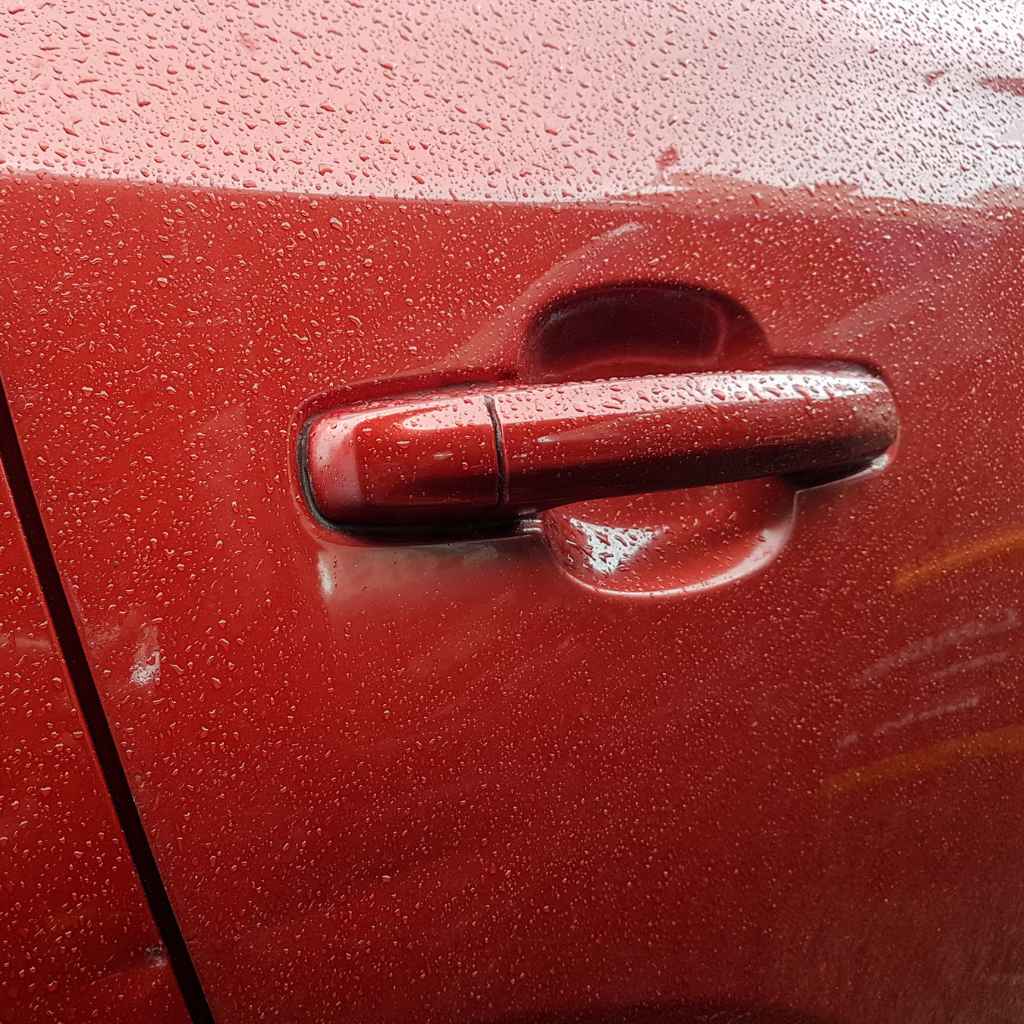
My Own Door Handle Scare
I remember one sweltering summer afternoon. I was at the grocery store, bags loaded. I went to open the passenger side door for my wife.
I grabbed the handle, and it just… flopped. It felt completely disconnected. My heart sank.
I pictured a huge bill from the dealership. I stood there for a minute, feeling a bit silly and very annoyed. All I wanted was to get the groceries inside.
I ended up having to climb over from the driver’s side. It was a hassle and a bit embarrassing. That day, I vowed to learn how to fix it myself.
It took some digging and a few YouTube videos, but I eventually figured it out. It wasn’t as hard as I feared.
Common Signs of a Broken Door Handle
Loose Handle: It wiggles or feels like it’s about to fall off.
No Action: You pull the handle, but nothing happens. The door stays shut.
Stuck Handle: The handle won’t return to its normal position. It stays out.
Handle Detached: The handle has completely come off the door.
Types of Car Door Handles
Cars have different kinds of door handles. Some are on the outside. Others are on the inside.
Both can break. Exterior handles are exposed to the elements. They often see more stress.
Interior handles are usually less exposed. But they can still wear out. There are also keyless entry buttons.
These are part of the handle assembly sometimes. If these buttons fail, it’s a different type of repair.
Exterior handles can be flush-mounted or traditional pull-style. Flush-mounted handles hide when not in use. They pop out when you press a button or sensor.
Traditional handles stick out from the door. They are what most people picture. Interior handles are usually levers.
They are easy to reach from the driver’s seat. They operate the same locking mechanism.
The material of the handle matters too. Most are made of strong plastic. Some higher-end cars use metal.
Metal handles are more durable. But they are also heavier. Plastic handles are lighter and cheaper.
They can become brittle with age. This makes them prone to cracking or snapping. Knowing your car model helps identify the handle type.
Interior vs. Exterior Handle Issues
Interior: Often a linkage or cable issue. Can also be the handle lever itself breaking.
Exterior: Can be the handle, the rod, or the clips that hold the rod. Weather can be a bigger factor.
Diagnosing the Problem: Where Did It Break?
First, you need to figure out what’s wrong. Is the handle itself loose? Does it feel disconnected?
Or does it pull, but the door doesn’t open? These are key clues. A loose handle often means a broken clip or a detached rod.
If the handle moves freely with no effect, the rod or cable might be broken or disconnected further down the line. Sometimes, the latch mechanism itself is the issue. But most often, it’s related to the handle connection.
The best way to diagnose is to remove the interior door panel. This sounds scary, but it’s usually the first step for most repairs. You’ll need to see the parts inside.
Look for any obvious breaks. Check if any rods or cables have popped out of their clips. Feel the connections.
Is there play where there shouldn’t be? This visual and tactile inspection is crucial. It tells you exactly what needs fixing.
Don’t forget to check the weatherstripping. Sometimes, a door can stick due to extreme cold or heat. If the door feels stuck and the handle doesn’t work, it might not be broken.
It could just be sealed tight. Try a firm but gentle push on the door while you pull the handle. This can sometimes help if the seal is too strong.
Quick Diagnosis Checklist
- Does the handle feel loose?
- Does it move without opening the door?
- Does it feel stuck in the pulled-out position?
- Is there any visible damage to the handle?
Step-by-Step: Removing the Door Panel
Removing the door panel is the gateway to fixing your handle. Every car is a bit different. But the process is generally similar.
You’ll need a set of trim removal tools. These are plastic tools that won’t scratch your car’s interior. You’ll also need screwdrivers, often a Phillips head.
Sometimes, a Torx bit is needed. Look up your specific car model online. Many guides and videos show exactly how to do it.
Start by looking for screws. They are often hidden behind small plastic covers. Pop these covers off gently with a trim tool.
You might find screws near the door handle, armrest, and window controls. Once all screws are out, start prying the panel away from the door frame. Work your way around the edges.
You’ll hear popping sounds as clips release. Be patient and use steady pressure. Don’t yank too hard.
Once the panel is loose, be careful. There are wires connected to window motors and speakers. You don’t want to pull the panel completely off and rip these wires.
Gently pull the panel away from the door frame. You should be able to tilt it out enough to see the inside. Locate the door handle mechanism.
You’ll see rods and cables connected to it.
Tools You’ll Likely Need
Trim Removal Tool Set: Essential for safely prying panels.
Screwdrivers: Phillips head and flathead.
Socket Set or Wrenches: For specific bolts.
Pliers: For manipulating rods and clips.
Gloves: To keep hands clean and improve grip.
Common Issues and Fixes Inside the Door
Once the panel is off, you can see the problem. The most frequent culprit is a detached rod. A metal rod connects the outer handle to the latch.
This rod is held in place by plastic clips. These clips can break or loosen. If the rod has popped out of its clip, simply reinsert it.
Make sure it snaps firmly into place. Sometimes, you might need to bend the rod slightly. Or the clip might be worn.
In that case, you’ll need a new clip.
Another common issue is a broken cable. Some cars use cables instead of rods. These cables work like bicycle brake cables.
They connect to the handle and the latch. If a cable is frayed or has come loose from its anchor point, it won’t work. Check both ends of the cable.
Ensure it’s securely attached. If the cable itself is damaged, it needs replacement. Replacing cables can be a bit trickier than rods.
The handle itself can also break. The lever that you pull might have a crack. Or the part where the rod or cable attaches could be snapped.
If the handle is physically broken, you will need to replace the entire handle assembly. This involves disconnecting all the rods and cables from it. Then, you’ll attach them to the new handle.
This is usually a straightforward swap if the handle is the clear problem.
Contrast: Rods vs. Cables
Rods: Simpler, more direct connection. Prone to clips breaking or rods bending.
Cables: More flexible, can navigate tight spaces. Prone to fraying, stretching, or anchor point failure.
Fixing a Detached Rod or Cable
Let’s say you find the rod has popped out. This is often the easiest fix. Locate the clip holding the rod to the handle or the latch.
If the clip is still intact, try to push the rod back into it. You might need to wiggle it. Listen for a click.
This means it’s seated. Test the handle to see if it works now. If it feels secure and operates the latch, you’re good to go.
If the clip is broken, you need a replacement. Many auto parts stores sell universal door handle clips. Or you can order specific ones online for your car model.
Take a picture of the broken clip. This helps you find the right one. Once you have the new clip, attach it to the door frame or mechanism.
Then, insert the rod into the new clip. Ensure it’s snug and secure. Test the handle again.
It should now operate smoothly.
For cables, ensure the cable end is properly seated in its anchor. Sometimes, these can be plastic ferrules. If the ferrule is damaged, you might need a new cable.
If the cable is just loose, try tightening its connection. Some systems have adjusters. If the cable itself is frayed or snapped, replacement is necessary.
Cable replacement often involves feeding the new cable through the door frame. This can be tricky.
Replacing the Exterior Door Handle
If the handle itself is broken,
First, disconnect all rods and cables from the old handle. Take pictures as you go. This is your guide for reassembly.
Once everything is disconnected, you can remove the old handle. This might involve unscrewing a mounting bracket. Or it could be a simple clip release.
Clean the area where the new handle will sit. Make sure it’s free of dirt and debris.
Install the new handle. Reverse the removal process. Reconnect all rods and cables.
Make sure they are seated correctly and securely. Test the handle operation before you put the door panel back on. This is a critical step.
You don’t want to have to take the panel off again. Once you’re sure the new handle works perfectly, reassemble the interior door panel. Screw everything back in place.
Key Steps for Handle Replacement
Disconnect: Safely detach all linkages from the old handle.
Remove: Take out the old handle assembly.
Clean: Prepare the mounting area for the new part.
Install: Fit the new handle and secure it.
Reconnect: Reattach all rods and cables to the new handle.
Test: Verify it works before reassembling the door panel.
When to Call a Professional
While many door handle issues are DIY-friendly, some situations call for expert help. If you’ve removed the door panel and can’t find the problem, it’s time to consult a mechanic. Some cars have very complex locking systems.
The internal mechanisms might be delicate. You could accidentally cause more damage if you’re unsure. For example, if you deal with electronic door lock actuators.
These are sensors and motors that control the locks. If these are faulty, it’s a more advanced repair.
Also, if you’re uncomfortable working with car parts, that’s okay. Many people are not. If you don’t have the right tools, or if the repair seems too complex, don’t hesitate to seek professional help.
Mechanics have specialized tools. They also have years of experience. They can diagnose and fix the issue quickly.
They will also guarantee their work. This peace of mind can be worth the cost.
Consider the risk. If you have a newer car with advanced features, like integrated cameras or sensors in the door. Mishandling these parts can be very expensive to fix.
Always weigh the cost of a professional repair against the potential cost of DIY mistakes. For simple rod or clip issues, DIY is great. For complex electronic or internal mechanism failures, a pro is often better.
When to Get Expert Help
Unsure of the Cause: If diagnosis is baffling.
Complex Systems: Cars with advanced electronics in doors.
Lack of Tools/Confidence: If you don’t have the right equipment or feel uncomfortable.
Risk of Further Damage: If you fear making the problem worse.
What This Means for Your Car’s Security
A broken door handle isn’t just an inconvenience; it can be a security risk. If the latch mechanism is compromised, the door might not close properly. This could allow it to open while driving.
It also makes your car easier to break into. A thief could potentially bypass the lock system. They might even jimmy the door open through the faulty handle mechanism.
Keeping your door handles in good working order is important for your safety and the safety of your belongings.
When the handle is broken, the door might not latch securely. This means the door could pop open, especially when turning or hitting bumps. This is a major safety hazard for you and other drivers.
It can also damage the door. If it opens while you’re moving, it could hit other cars or objects. Ensure your doors latch firmly every time.
Furthermore, a broken handle can mean the lock isn’t fully engaged. This makes your car an easier target for theft. If the door can be pulled open even slightly, a thief might be able to reach inside.
They could try to disable alarms or steal items. Regularly check that your doors lock and unlock properly. Ensure the handles operate correctly.
Security Checkpoints
Door Latching: Does the door close securely with a solid click?
Locking Mechanism: Do locks engage and disengage properly from inside and outside?
Handle Feel: Does the handle feel solid and connected? No excessive looseness?
Preventative Care for Your Door Handles
Can you prevent your car door handles from breaking? While you can’t stop all wear and tear, some care helps. Avoid slamming the car doors.
This puts stress on the entire door mechanism, including the handle. When it’s very cold, be gentle with the handles. Don’t force them if they feel stiff.
Wait for the car to warm up a bit. This prevents brittle plastic from snapping.
Keep the handles clean. Dirt and grime can get into the moving parts. This can cause them to stick.
A simple wash can help. Lubricating the mechanism occasionally can also be beneficial. Use a silicone-based lubricant.
Apply it sparingly to the pivot points. This helps keep things moving smoothly. This reduces friction and stress on the parts.
Protect your car from extreme weather when possible, and consider a set of door edge guards to prevent dings while you’re at it. Parking in a garage or under a carport reduces exposure to harsh sun and freezing temperatures. These elements can degrade plastic parts over time.
Even small steps can extend the life of your car’s door handles. They help maintain their function and appearance. This saves you hassle and money later.
Frequently Asked Questions
How much does it cost to fix a car door handle?
The cost varies greatly. For a simple clip replacement, it might be under $20 for the part. For a full exterior handle replacement by a mechanic, it can range from $150 to $500 or more, depending on the car make and model.
DIY repairs can be as low as $10-$50 for parts if you’re doing it yourself.
Can I drive my car with a broken door handle?
Yes, you can usually drive with a broken exterior door handle if the door still latches securely. However, it’s a safety risk. If the latch is also faulty, the door could open while driving.
It’s best to get it fixed as soon as possible. For interior handles, you can still get in and out from the other side, but it’s inconvenient and a safety concern if that’s your only access point.
Do I need special tools to fix a car door handle?
You will likely need basic tools like screwdrivers and a trim removal tool set. For some cars, you might need Torx bits or a socket set. These are common tools found in most home tool kits or can be purchased affordably at auto parts stores or online.
For more complex issues, a mechanic will have specialized tools.
How long does it take to replace a car door handle?
For a DIYer, it can take anywhere from 1 to 3 hours, depending on your experience and the car model. A professional mechanic can usually replace a door handle in about 1 to 2 hours.
What is the most common reason for a car door handle to break?
The most common reason is wear and tear. Over time, the plastic components and clips that hold the handle mechanism together can become brittle and break. Other common causes include extreme weather (hot or cold), accidental damage, or excessive force when opening or closing the door.
Can a broken door handle affect my car’s central locking system?
Yes, in some cars, the door handle mechanism is linked to the central locking system. If the linkage is broken or disconnected, it can prevent the door from locking or unlocking properly with the remote or key fob. You might need to repair the handle linkage for the central locking to work again on that door.
Final Thoughts
A broken car door handle is a common issue. It doesn’t always mean a big expense. By understanding the parts involved and following a step-by-step approach, many people can fix it themselves.
Always prioritize safety. If you feel unsure, seek professional help. Keeping your car in good working order means peace of mind and reliable transportation.
Fixing small issues yourself can save money and give you a great sense of accomplishment.
Products related to this article
Sponsored / affiliate links. As an Amazon Associate I earn from qualifying purchases. I may earn additional commission from eligible campaigns.