How to Start Car With Dead Battery: Quick Solutions
Starting a car with a dead battery can be tricky. First, check for safety.
Next, find a method to jump-start the battery. A dead battery can catch anyone off guard. Whether you’re rushing to work or heading out for a trip, a non-starting car is a huge inconvenience. This blog post will guide you through the steps to start your car when faced with a dead battery.
From ensuring safety to using jumper cables effectively, we’ve got you covered. Knowing these steps can save you time and stress. So, let’s dive into the essential techniques that will get your car running again.
Recognizing A Dead Battery
Dim headlights are a clear sign of a dead battery. If the lights do not shine bright, the battery might be weak. Slow engine cranking is another sign. The engine takes longer to start than usual. Clicking sound when turning the key means trouble. This sound indicates a lack of power. No sound or response from the car when turning the key suggests a dead battery. Dashboard lights not turning on is also a sign. If the radio or AC does not work, the battery might be dead.
| Cause | Description |
|---|---|
| Old Battery | Batteries weaken over time and can fail. |
| Leaving Lights On | Car lights drain the battery quickly. |
| Cold Weather | Cold temperatures reduce battery power. |
| Loose Connections | Loose cables cause power loss. |
Safety Precautions
Always have a pair of gloves in your car. Gloves keep your hands safe. Also, they protect against dirt and electricity. A flashlight is very helpful. It helps you see in the dark. A first aid kit is a must. It is useful in case of small accidents.
Park your car in a safe place. Make sure it is away from traffic. Keep the car on a flat surface. This prevents it from moving. Stay alert to the weather. Rain or snow can make it slippery. Be careful around other cars.
Jump-starting The Car
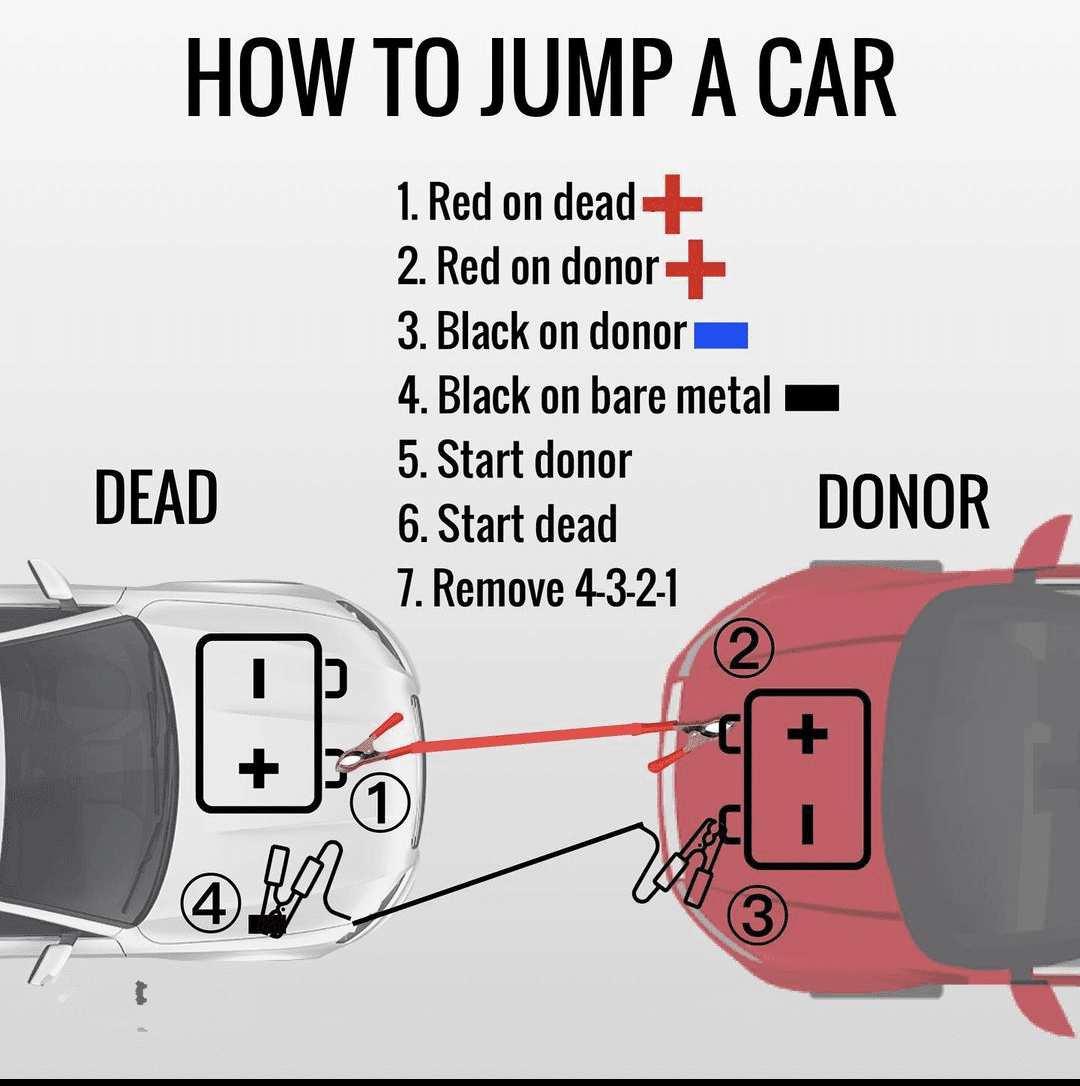
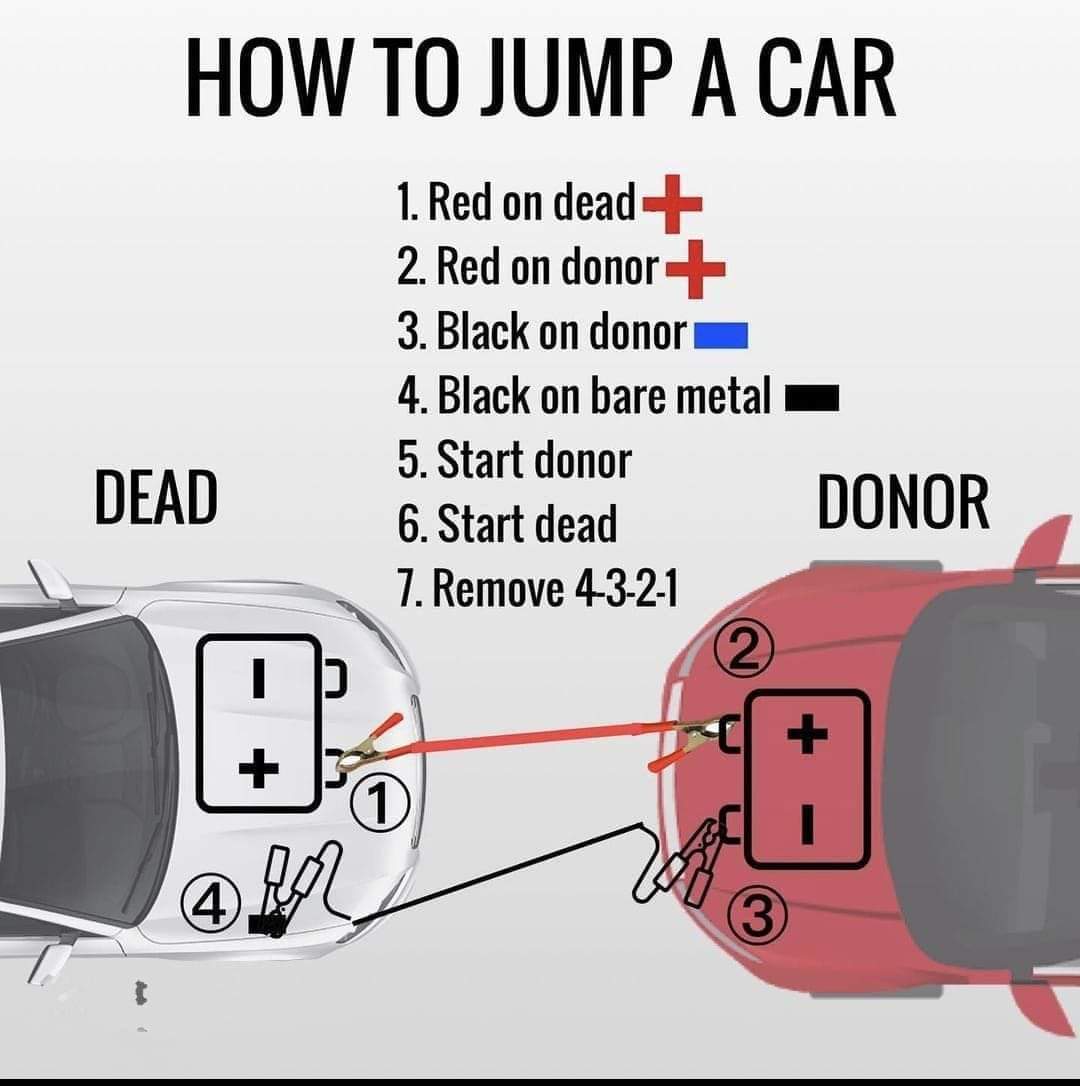
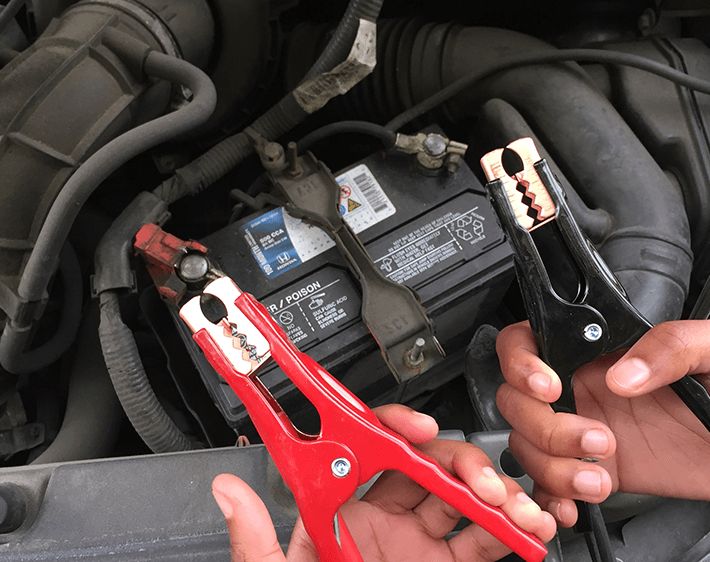
Find another car with a working battery. Park it close to yours. Turn both cars off. Get your jumper cables. Connect the red cable to the positive terminal of the dead battery. Attach the other end to the positive terminal of the good battery. Use the black cable. Connect one end to the negative terminal of the good battery. Attach the other end to a metal part of the dead car.
Start the working car. Run it for a few minutes. Try starting your car. If it starts, keep it running. Remove the cables in reverse order. Drive your car to charge the battery. Make sure to thank the other driver.
Portable Jump Starters
Portable jump starters come in different sizes and power levels. Choosing the right one is important. Check the battery capacity. More power is better for bigger engines. Look at the safety features. They should protect against overcharging. Size matters too. Pick a size that fits in your car easily. Consider the price. Some are expensive, but you don’t need the most costly one. Find a balance between features and cost. Reading reviews helps. See what others say about the device.
First, make sure the jump starter is fully charged. Then, locate the car battery. Connect the red clamp to the positive terminal. Next, connect the black clamp to the negative terminal. Turn on the jump starter. Wait for a few seconds. Try to start the car. If the car starts, disconnect the clamps. Red first, then black. Turn off the jump starter after use.
Push Starting A Manual Car
Push starting works only in manual cars. A flat road is ideal. Avoid slopes. Ensure enough space ahead. At least two people should help push. Make sure the battery is the only problem. Do not attempt if engine issues are present.
First, turn on the ignition. Make sure the car is in second gear. Ensure the clutch is pressed down. Begin pushing the car until it gains speed. Release the clutch slowly when speed builds up. The engine should start now. If not, repeat the steps.
Credit: www.rmi.org.za
Battery Maintenance Tips
Check your car battery often. Look for any cracks or leaks. A damaged battery can cause problems. Make sure the battery is securely in place. Loose batteries can be dangerous. Use a voltmeter to check the battery charge. A healthy battery should have a good charge.
Clean the battery terminals to keep them working well. Use a mix of baking soda and water. Apply it with a small brush. This will remove any corrosion. Wipe the terminals with a clean cloth after cleaning. Make sure they are dry before reconnecting them. Clean terminals help the battery last longer.
Preventing Future Issues
Keeping your car battery healthy is vital. Check your car battery often. Look for any signs of wear or damage. Make sure the battery terminals are clean. Dirty terminals can cause problems. Test the battery’s power. This will help you know if it is weak. A weak battery may not start your car. Have a professional check it if needed. Regular checks can prevent bigger issues.
A battery charger is a useful tool. It helps keep your battery charged. Connect the charger to the battery terminals. Follow the charger’s instructions carefully. Do not touch the metal parts. This can be dangerous. Charge the battery until full. A fully charged battery works better. It reduces the chances of getting stuck. Always store the charger safely. Keep it away from small kids.
Credit: www.firestonecompleteautocare.com
When To Replace The Battery
Car batteries can wear out over time. Signs of a weak battery include slow engine start and dim lights. Look for swelling in the battery case. Corrosion around the terminals is another clue. A four-year-old battery might need replacing soon. Cold weather can also weaken a battery. Regular checks can prevent sudden failure. If a battery test shows low charge, consider replacement.
Selecting the right battery is important. Match the battery size to your car. Check the cold cranking amps (CCA). This number shows how well a battery works in cold. Choose a reliable brand for better performance. Compare warranties before buying. A longer warranty often means better quality. Make sure the battery fits snugly in the car. Proper fit ensures no damage during driving.
Frequently Asked Questions
Is There A Way To Start A Car With A Dead Battery?
Yes, you can jump-start a car with a dead battery using jumper cables. Connect to another vehicle or a portable jump starter. Ensure both vehicles are off during setup. Follow proper safety procedures to avoid risks and ensure successful startup.
Regularly check battery health to prevent future issues.
How Do You Start A Car With A Dead Battery Without Cables?
Push the car to gather momentum. Shift the car into second gear while moving. Release the clutch quickly to jump-start the engine. Ensure the ignition is on during this process. This method requires manual transmission cars.
What To Do If Your Car Battery Dies And You Can’t Jump It?
Call roadside assistance or a tow service for help. Consider replacing the battery if it’s old. Use public transport or a ride-sharing service as a temporary solution. Purchase a portable jump starter for future emergencies. Ensure all electrical components are turned off to preserve remaining battery life.
How To Start An Automatic Car If The Battery Died?
Jump-start the car using jumper cables and a functioning vehicle. Connect positive and negative terminals correctly. Once started, let the engine run to recharge the battery. Alternatively, use a portable jump starter for convenience. Ensure all connections are secure and follow manufacturer instructions for safety.
Conclusion
Starting a car with a dead battery can be simple. Use jumper cables or a portable jump starter. These tools bring your car back to life. Always check connections for safety. Remember, a working battery saves time and stress. Keep one in your car for emergencies.
Regular maintenance prevents battery issues. Check your battery health often. Replace it if needed. A healthy battery ensures your car starts every time. Stay prepared, and drive with peace of mind.