Spark Plug Replacement Cost / Price / How Much
Spark plug replacement is often reported at about $100 to $400 at an independent shop, and some V6, V8, turbo, and transverse engines can reach $500 or more when access is tight or iridium plugs are specified. Skip a worn-plug repair and you can end up paying for misfires, poor fuel economy, hard starts, and catalytic converter damage. This guide breaks down parts, labor, engine layout, and common add-ons so you can judge whether a quote is fair.
Typical cost range
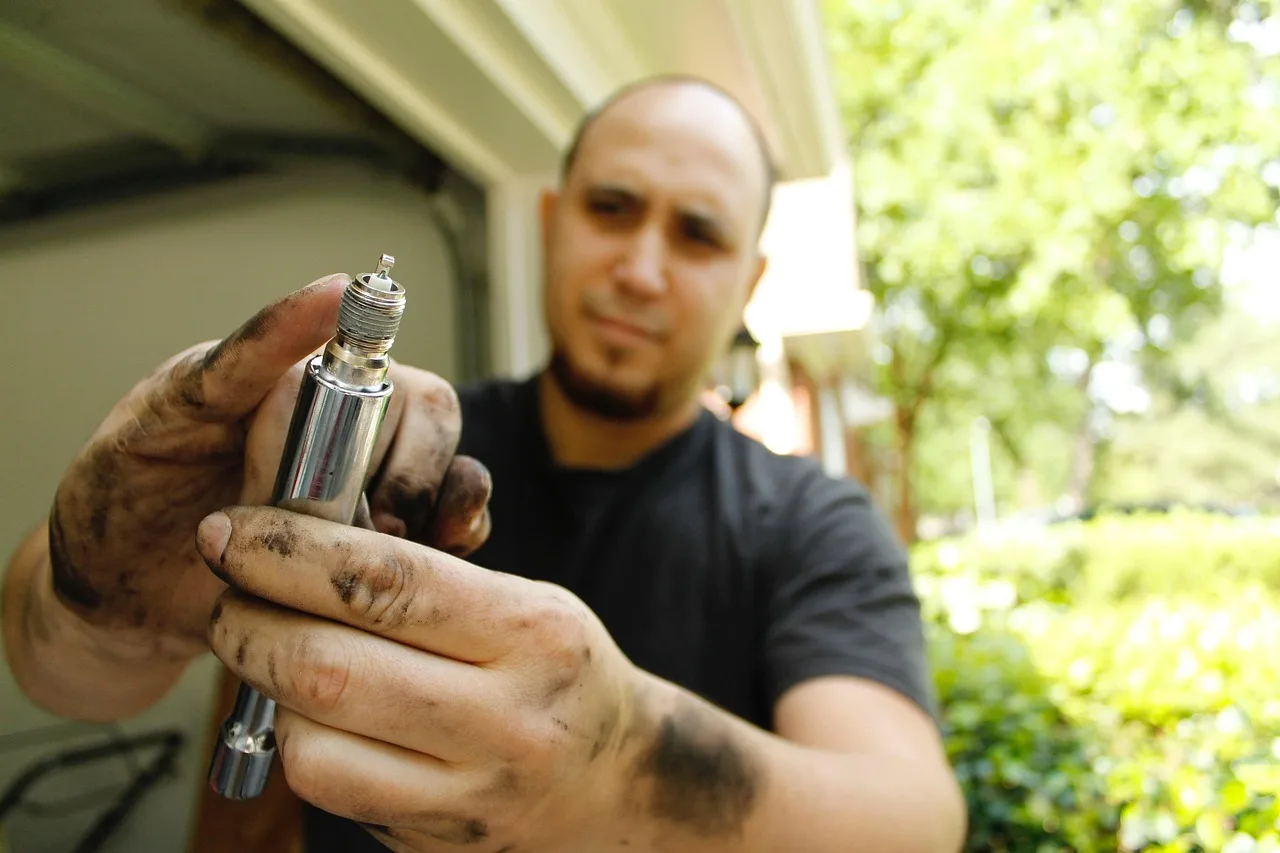
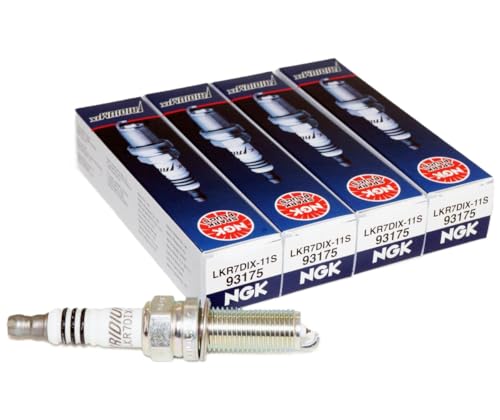

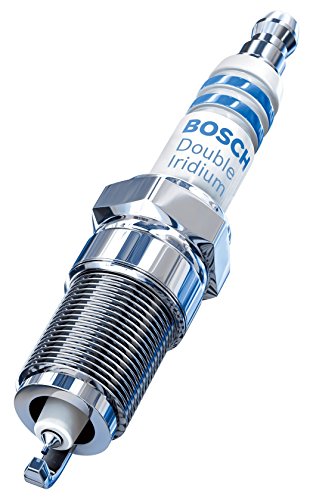
A broad national spark plug replacement cost range is $50-$200, but the actual bill depends on parts, labor, access, and add-ons. A simple four-cylinder with easy access may stay near the low end, while a transverse V6 or a turbo engine with rear-bank plugs can land much higher once labor and extra parts are included.
Parts versus labor split
The bill usually breaks into parts and labor. A spark plug can cost $5-$25 each, and labor can cost $60-$250 before add-ons, tax, or diagnosis. On a basic job, parts may be the smaller line item. On a difficult engine, labor usually drives the total.
Most cars use one spark plug per cylinder, and the car average is 4 spark plugs, with no more than 8 in the typical passenger-car range. That makes cylinder count a useful starting point, but it does not tell the whole story.
DIY versus shop pricing
DIY can cut the total bill because you pay only for parts, but the savings are real only if the plugs are accessible and you have the correct tools. If the job needs intake removal, coil-pack handling, or stuck-plug removal, the labor savings can vanish fast if something breaks or threads are damaged.
Spark plug types and prices
Copper plugs are usually the least expensive, but they also wear out fastest. Platinum and double platinum plugs cost more and last longer, and iridium plugs usually sit at the top of the price range while offering the longest service life in many factory applications. A pricier plug is not automatically a mark-up; sometimes it is simply the plug the engine was designed to use.
Copper plugs
Copper plugs are the budget choice. They can work well in older or simpler engines, but they generally do not last as long as platinum or iridium designs, so the apparent savings can disappear if replacement intervals are short.
Platinum and double platinum
Platinum and double platinum plugs usually cost more than copper and last longer. Double platinum designs are often used where the ignition system benefits from a more durable center and ground electrode pairing.
Iridium plugs and factory spec
Iridium plugs are the priciest common option, but they are often the correct factory-spec part for newer engines. Do not assume they are an upsell. If the owner’s manual or factory catalog calls for iridium, paying more for the right plug is the safer move than downgrading to a cheaper type that does not match the engine’s requirements.
Why some engines cost more
Some engines cost more because the plugs are harder to reach, not simply because there are more plugs. A transverse V6, a V8 with rear-bank access issues, or a turbocharged engine with crowded hardware can take much longer than a straightforward four-cylinder. The parts may be similar; the labor time is not.
Four-cylinder access
A four-cylinder engine is often the cheapest layout to service because the plugs are usually easier to reach. That said, some compact turbo fours still bury the rear plugs under intake plumbing, which can push the quote upward even with only four plugs.
V6 and V8 rear-bank access
V6 and V8 engines commonly cost more because the rear bank may sit close to the firewall or under the cowl. That can mean extra disassembly, longer flat-rate time, and higher labor charges. The plug count is higher too, but the access problem is often the bigger factor.
Turbocharged engine layout
Turbocharged engines often cost more because heat shields, charge pipes, and tight packaging make the plugs slower to reach. High heat can also make old plugs more stubborn. A quote that looks high on a turbo engine may be fair if the shop must remove surrounding components just to get to the plugs.
Spark plug quote check table
Use this table to sanity-check a quote before approving the work. The fair-price range is not a fixed price list; it is a practical check based on plug count, access, and common add-ons. A quote is not automatically overpriced because it is above the broad average.
| Engine type | Plug count | Plug type | Labor hours | Labor rate | Likely add-ons | Fair-price range |
|---|---|---|---|---|---|---|
| 4-cylinder, easy access | 4 | Copper or platinum | 0.8-1.2 | $100-$175/hr | Shop supplies, tax | $120-$250 |
| 4-cylinder, tight access | 4 | Platinum or iridium | 1.2-2.0 | $100-$200/hr | Coil boots, diagnosis | $180-$350 |
| V6, rear-bank access | 6 | Iridium often factory spec | 2.0-3.5 | $120-$220/hr | Intake gaskets, coil boots | $300-$500+ |
| V8, tight packaging | 8 | Platinum or iridium | 2.5-4.5 | $120-$250/hr | Coils, gaskets, diagnosis | $400-$700+ |
| Turbocharged four-cylinder | 4 | Iridium common | 1.5-3.0 | $120-$225/hr | Heat-related add-ons, shop supplies | $200-$450+ |
How to read the table
Start with plug count, then ask whether the plugs are easy to reach. A cheap set of plugs does not mean a cheap job if the shop needs to remove the intake manifold or work around a firewall. Labor time and the shop’s hourly rate usually matter more than the plug price alone.
Suppose a shop quotes $420 for a V6 with iridium plugs. If the estimate includes rear-bank access, intake removal, new gaskets, and a higher labor rate, that number may be reasonable. If the same quote only lists four plugs on an easy-access four-cylinder, it needs a second look.
What extra parts can raise the bill?
Extra parts can turn a basic plug swap into a larger repair. Intake manifold gaskets, coil boots, ignition coils, shop supplies, tax, and diagnosis fees are the most common add-ons. These items matter most on engines where the plugs sit under other hardware or where the ignition system shows wear at the same time.
Intake manifold gaskets
If the intake manifold has to come off, the gasket should usually be replaced rather than reused. That add-on is common on some V6 and V8 layouts, and it is one reason spark plug replacement can jump from a routine service to a much higher bill.
Coil boots and ignition coils
Coil boots can crack, carbon-track, or tear during removal. Ignition coils may also need replacement if a misfire has already damaged them or if the shop finds weak output during diagnosis. Replacing failed coils at the same visit can be cheaper than paying for a repeat labor charge later.
Shop supplies, tax, and diagnosis
Small fees can add up. Shop supplies, environmental charges, sales tax, and diagnosis time may appear on the invoice even when the plug swap itself is straightforward. If the vehicle came in with a misfire light, ask whether the quote includes diagnosis or only the physical replacement.
How much for a 4-cylinder, V6, or V8?
A 4-cylinder is usually the cheapest, a V6 often lands in the middle, and a V8 tends to cost the most. The difference is usually labor time and access, not just the number of plugs. A quote that separates parts from labor will usually make that clear.
Four-cylinder cost
How much are spark plugs for a 4-cylinder car? A basic four-cylinder often falls near the low end of the national range, especially if the plugs are easy to reach. The TheCostGuys page lists a Subaru Forester spark plug set at $20-$80, which shows how parts pricing can stay modest even before labor is added.
V6 cost
How much does it cost to replace spark plugs on a V6? A V6 often costs more than a four-cylinder because one bank may be difficult to reach. Labor can climb quickly if the intake manifold or other components must come off. Some quotes for a Toyota Highlander list labor at $340-$390, which is a strong sign that access time is doing the heavy lifting.
V8 cost
How much does it cost to replace spark plugs on a V8? V8s can be expensive because there are more plugs and more places for access to get awkward. On some engines, the rear bank and surrounding hardware turn a simple maintenance job into several hours of labor, which is why the total can rise well above the average.
Can you save money with DIY?
DIY can save money if the plugs are easy to reach and you are comfortable following the torque spec, removing coils carefully, and inspecting the old plugs. It is less attractive on engines where the plugs are buried under intake parts or where a mistake can damage threads, coils, or the ignition system.
- Confirm the factory plug type before buying parts.
- Check whether the plugs are visible and reachable without major disassembly.
- Compare the parts total against one or two shop quotes.
- Budget for new gaskets if the intake must come off.
- Stop if a plug feels stuck or a coil boot tears.
A common first-timer mistake is assuming a basic four-cylinder spark plug swap will stay cheap if the mechanic has to spend extra time removing rusted plugs from an old engine. That can strip aluminum threads or snap the plug body, which turns a low-cost maintenance job into a much more expensive repair. Another risk is guessing at the plug type and buying the wrong heat range or material.
Picture a 2014 four-cylinder sedan with a visible coil-on-plug setup and four plugs on top of the engine. That may be a sensible DIY job. Picture a transverse V6 where the rear bank sits against the firewall and the intake must come off. That is the kind of job where paying a shop often makes more sense.
Frequently asked questions
How much does spark plug replacement cost?
The average spark plug replacement cost is $50-$200, but the real-world bill often lands higher when the engine is hard to access. Some shops quote about $100 to $350, and complex engines or premium parts can push the full range to around $60 to $500 or more.
How much should spark plugs cost installed?
Installed pricing depends on plug count, labor rate, and access. A simple four-cylinder may stay near the lower end, while a V6 or V8 with intake removal can cost much more. Ask for a line-item quote so you can separate plug price from labor and add-ons.
Why is spark plug replacement so expensive on some cars?
It gets expensive when the plugs are buried under intake hardware, close to the firewall, or surrounded by turbo plumbing. Labor can cost $60-$250, and the shop may need gaskets, coil boots, or diagnosis time. The plug itself is rarely the biggest part of the bill.
How much are spark plugs for a 4-cylinder car?
A 4-cylinder usually uses four plugs, and the plugs themselves often cost $5-$25 each. That means the parts total can stay relatively modest. The final installed price still depends on whether the plugs are easy to reach and whether the engine calls for iridium or another premium type.
How much does it cost to replace spark plugs on a V6 or V8?
V6 and V8 engines often cost more because they use more plugs and often have tighter access. A V6 may need rear-bank work or intake removal, while a V8 can add even more labor. Quotes above the average are common when the job takes several hours.
Can I replace spark plugs myself to save money?
Yes, if the plugs are accessible and you have the right tools, DIY can reduce total cost. But it is not risk-free. Broken plugs, damaged threads, torn coil boots, and skipped diagnosis can erase the savings fast, especially on engines with tight packaging or stubborn old plugs.
Why do turbocharged engines cost more for spark plug replacement?
Turbocharged engines often cost more because the engine bay is tighter and heat shields, charge pipes, and related hardware can block access. Some turbo engines also specify iridium plugs, which raises parts cost. The extra time to reach the plugs is usually the bigger cost driver.
What extra parts can add to a spark plug replacement bill?
Intake manifold gaskets, coil boots, ignition coils, shop supplies, tax, and diagnosis can all add to the bill. These items are most common on engines where the intake must come off or where a misfire has already damaged ignition parts. Ask for each add-on to be listed separately.
Products related to this article
Sponsored / affiliate links. As an Amazon Associate I earn from qualifying purchases. I may earn additional commission from eligible campaigns.