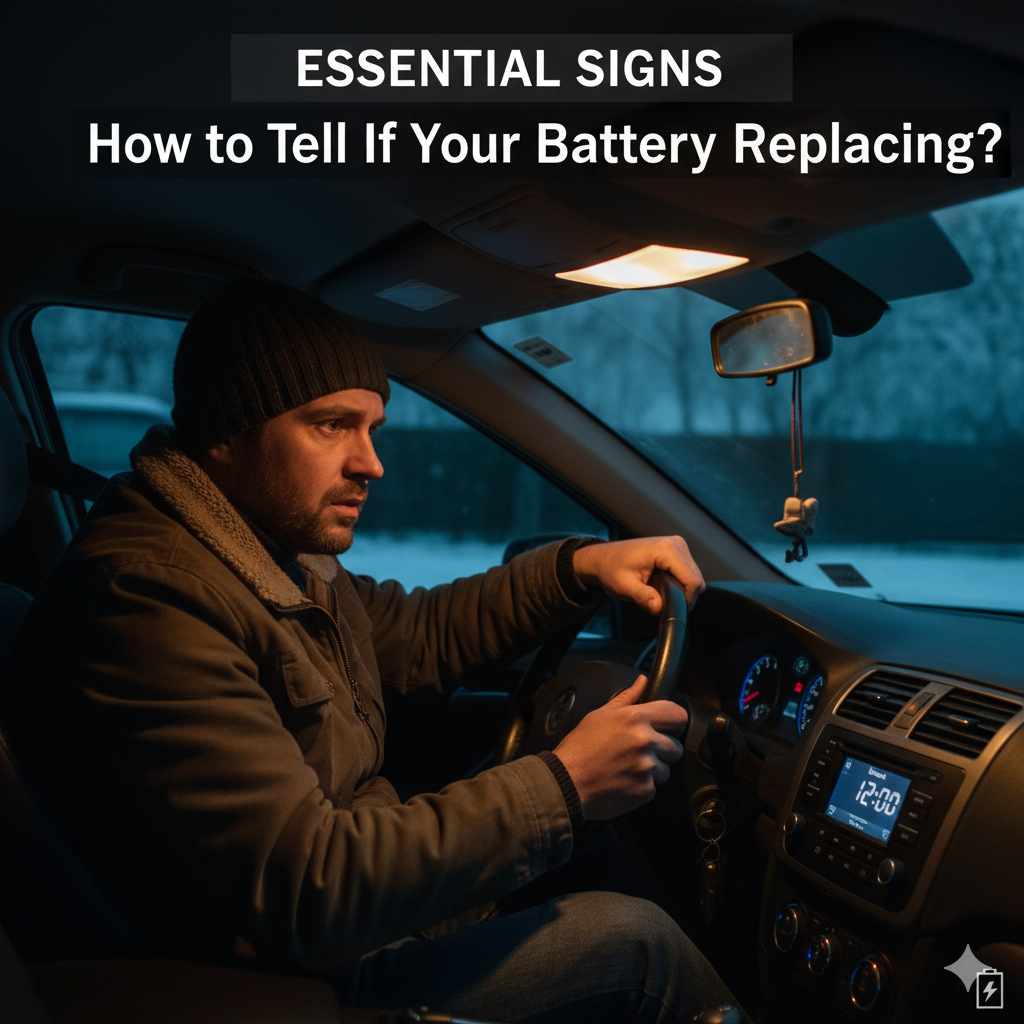
How to Tell If Your Car Battery Needs Replacing: Essential Signs
Your car battery might need replacing if it’s slow to start, the lights are dim, or you hear clicking noises. Watch for these warning signs to avoid getting stranded and know when it’s time for a new one.
Feeling that sinking feeling when your car won’t start? It’s a common frustration, but don’t worry! Most of the time, a dead or dying battery is the culprit, and knowing the early signs can save you a lot of hassle. Think of your car battery as its heart; it needs to be strong to get you going.
This guide is here to help you understand exactly what to look and listen for. We’ll walk through the essential signs that signal your car battery is on its last leg. By the end, you’ll feel confident about recognizing these issues and knowing when it’s best to get a replacement. Let’s dive in and get you back on the road with peace of mind!
Understanding Your Car Battery: The Basics
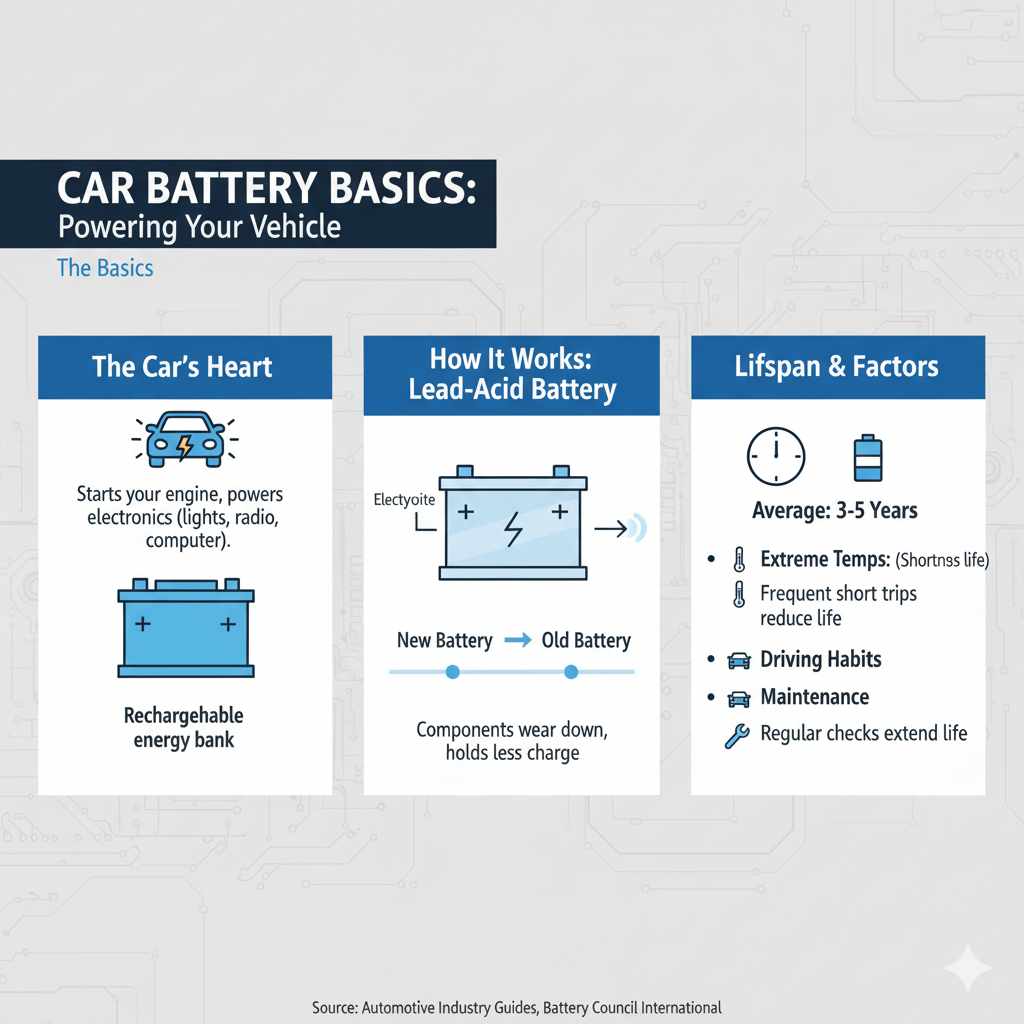
Your car battery is a small but mighty powerhouse. Its main job is to provide the electrical energy needed to start your car’s engine. It also powers your car’s lights, radio, and all those other electronic gadgets when the engine isn’t running. Think of it as a rechargeable energy bank for your vehicle.
A car battery is typically a lead-acid battery. It has a chemical reaction inside that creates electricity. Over time, this chemical reaction wears down the battery’s components, and eventually, it won’t be able to hold a charge as well. This is normal wear and tear, similar to how a smartphone battery loses its ability to hold a charge after a few years of use.
Batteries don’t last forever. Most car batteries last between 3 to 5 years. This lifespan can change depending on where you live (extreme temperatures can shorten it), how you drive, and how well you maintain it. Knowing the typical lifespan can help you anticipate when it might be time for a replacement.
Essential Signs Your Car Battery Needs Replacing
Spotting the signs of a weakening battery early is key to preventing unexpected breakdowns. These symptoms are your car’s way of telling you it needs some attention. Let’s look at the most common indicators:
1. Slow Engine Crank
This is often the most noticeable sign. When you turn the key or push the start button, instead of the engine roaring to life instantly, you might hear a slow, sluggish cranking sound. It sounds like the engine is struggling to turn over. This is because the battery doesn’t have enough power to spin the starter motor as fast as it should. The weaker the battery, the slower and more labored the crank will be.
Imagine trying to start a toy with weak batteries – it might whir weakly before giving up. Your car’s engine crank is similar. If this happens regularly, especially on colder mornings, it’s a strong indicator that your battery is losing its cranking power.
2. Clicking Noise When Turning the Key
If you turn the key to start your car and hear a rapid clicking sound, but the engine doesn’t crank at all, it’s a classic symptom of a weak battery. This clicking noise is usually the starter solenoid trying to engage but not getting enough power from the battery to turn the engine. It’s like the starter is saying, “I’m trying, but I don’t have enough juice!”
Sometimes, this clicking can be intermittent. You might experience it one day and then it’s fine the next. This unpredictability is a sign that the battery is on its way out and might leave you stranded soon.
3. Dim Headlights and Interior Lights
Your car battery not only starts your engine but also powers your car’s electrical systems. When the battery starts to weaken, you might notice that your headlights seem dimmer than usual, especially when the engine is off or at idle. The same can happen with interior lights; they might appear less bright or even flicker.
This is because the battery is struggling to provide a consistent and strong electrical current. When you turn on other electrical accessories like your radio or air conditioning, you might see the headlights dim even further as they draw more power, and the weak battery can’t keep up. This is a clear sign that the battery’s capacity is significantly reduced.
4. Warning Lights on the Dashboard
Modern cars have sophisticated warning systems. If your battery is low on power or if there’s an issue with the charging system (which includes the alternator), a battery warning light will illuminate on your dashboard. This light often looks like a battery symbol. Don’t ignore it!
While this light could sometimes indicate an issue with the alternator (the component that recharges the battery while the engine is running), it’s very often directly related to the battery’s health. It’s the car’s automated way of saying, “I’m having trouble with my electrical power.”
The U.S. Department of Energy’s FuelEconomy.gov website provides helpful information about maintaining your vehicle, including the importance of a properly functioning battery and charging system for optimal fuel efficiency. A warning light is a signal to investigate this system.
5. Malfunctioning Electronics
Beyond dim lights, a weak battery can cause other electronic components in your car to act strangely. This could include issues with power windows operating slower than normal, the radio cutting out or behaving erratically, or even the car’s anti-theft system acting up. These systems rely on a steady supply of power, and a failing battery can disrupt that.
If you notice multiple electronic systems acting up at once, it’s a strong indicator that the overall power supply, likely from the battery, is insufficient. This can be inconvenient and even lead to more significant issues if critical systems are affected.
6. Swollen or Leaking Battery Case
This is a more serious physical sign that your battery is in trouble. If you inspect your battery and notice that the casing looks swollen, bulging outwards, or if you see any fluid leaking from it, it means the battery is likely overheating or has been damaged. This can happen due to overcharging or extreme heat.
A swollen or leaking battery is not only a sign of failure but also a potential safety hazard. The chemicals inside a lead-acid battery are corrosive. If you see these signs, it’s crucial to get the battery replaced immediately and to handle it with extreme care. Always wear gloves and eye protection if you need to inspect a battery.
7. The Age of the Battery
As mentioned, car batteries have a limited lifespan, typically 3 to 5 years. If your battery is approaching or has passed this age, even if you haven’t experienced any major symptoms yet, it’s wise to have it tested. Batteries often fail without much warning, especially as they get older. Proactive testing can prevent you from being caught off guard.
Many auto parts stores offer free battery testing. It’s a quick and easy way to get a reading on your battery’s health and to see if it’s still performing optimally. You can also check the date code on the battery itself, usually a sticker with a letter and a number (e.g., C1 for March 2021) or just a month/year. Here’s a common way date codes are interpreted:
| Letter Code | Month |
|---|---|
| A | January |
| B | February |
| C | March |
| D | April |
| E | May |
| F | June |
| G | July |
| H | August |
| I | September |
| J | October |
| K | November |
| L | December |
If the date code is J22, for instance, it usually means the battery was manufactured in October 2022.
What to Do If You Suspect Your Battery is Failing
If you’re experiencing any of the signs above, it’s time to take action. Ignoring them can lead to being stranded and a potentially more costly repair if a dead battery causes other issues.
1. Get Your Battery Tested
The best first step is to have your battery professionally tested. Most auto parts stores offer this service for free. They use a specialized device called a battery tester that can accurately measure the battery’s voltage, cranking amps, and overall health. This will give you a definitive answer on whether the battery needs replacement or if another issue might be at play.
2. Check the Battery Terminals and Cables
While you’re there, or even before you go for a test, it’s a good idea to check the battery terminals. These are the metal posts where the cables connect to the battery. Look for any signs of corrosion, which appears as a white or bluish powdery substance. Corrosion can interfere with the electrical connection and prevent the battery from delivering full power. If you see corrosion, you can clean it with a wire brush and a mixture of baking soda and water. Ensure the cables are also securely tightened.
3. Consider Your Driving Habits
Your driving habits can significantly impact battery life. If you often take very short trips, your alternator might not have enough time to fully recharge the battery. Similarly, if you frequently use electronics with the engine off, you’re draining the battery faster than it can be replenished. If you have a lot of accessories that draw power, ensure your battery can handle the load.
4. Replace the Battery If Necessary
If the test results confirm your battery is failing, it’s time for a replacement. Don’t put it off, especially if you rely on your car for daily commuting or important errands. When buying a new battery, make sure it’s the correct size and type for your specific vehicle. Check your car’s owner’s manual or ask the auto parts store for recommendations.
Signs Your Alternator Might Be the Problem (Not the Battery)
It’s important to know the difference between a failing battery and a failing alternator, as both can cause starting issues and warning lights. The alternator is responsible for recharging the battery while the engine is running and powering the car’s electrical systems. If the alternator is faulty, it can cause the battery to drain, leading you to think the battery is the sole problem.
Here are some signs that your alternator might be the culprit:
- Dimming lights that get brighter as you accelerate: If your headlights get brighter when you rev the engine, it often indicates the alternator is struggling to maintain a consistent charge.
- Whining or squealing sounds: A worn-out alternator belt or failing alternator bearings can produce a whining or squealing noise that changes with engine speed.
- The battery warning light stays on: While a battery light can mean a bad battery, if it illuminates constantly and doesn’t go away, it’s a strong indicator of an alternator issue.
- Difficulty starting the car and a dead battery: If you find your car won’t start and your battery is completely dead, but it was fine the day before, an alternator that stopped charging could be the cause.
A mechanic can perform tests specifically on the alternator to determine its health. Sometimes, a faulty alternator can ruin a new battery, so it’s crucial to get the correct diagnosis.
Battery Maintenance Tips to Extend Life
While batteries have a limited lifespan, a little maintenance can go a long way in helping them last as long as possible:
- Keep Terminals Clean: Regularly check and clean battery terminals for corrosion. A wire brush and a baking soda/water paste work wonders.
- Ensure Secure Connections: Make sure the battery cables are tightly fastened to the terminals. Loose connections can impede electrical flow.
- Test Regularly: Especially as the battery ages (past 2-3 years), have it load-tested annually. Many auto shops offer this for free.
- Avoid Deep Discharges: Try not to run your car’s electronics with the engine off for extended periods. This can overly drain the battery.
- Protect from Extreme Temperatures: If possible, park in a garage during extreme heat or cold. Extreme temperatures are harsh on batteries.
For more in-depth maintenance advice for your vehicle, the National Highway Traffic Safety Administration (NHTSA) is an excellent resource for safety and maintenance tips.
Choosing the Right Replacement Battery
When it’s time for a new battery, selecting the right one is important for your car’s performance and longevity. Here’s what to consider:
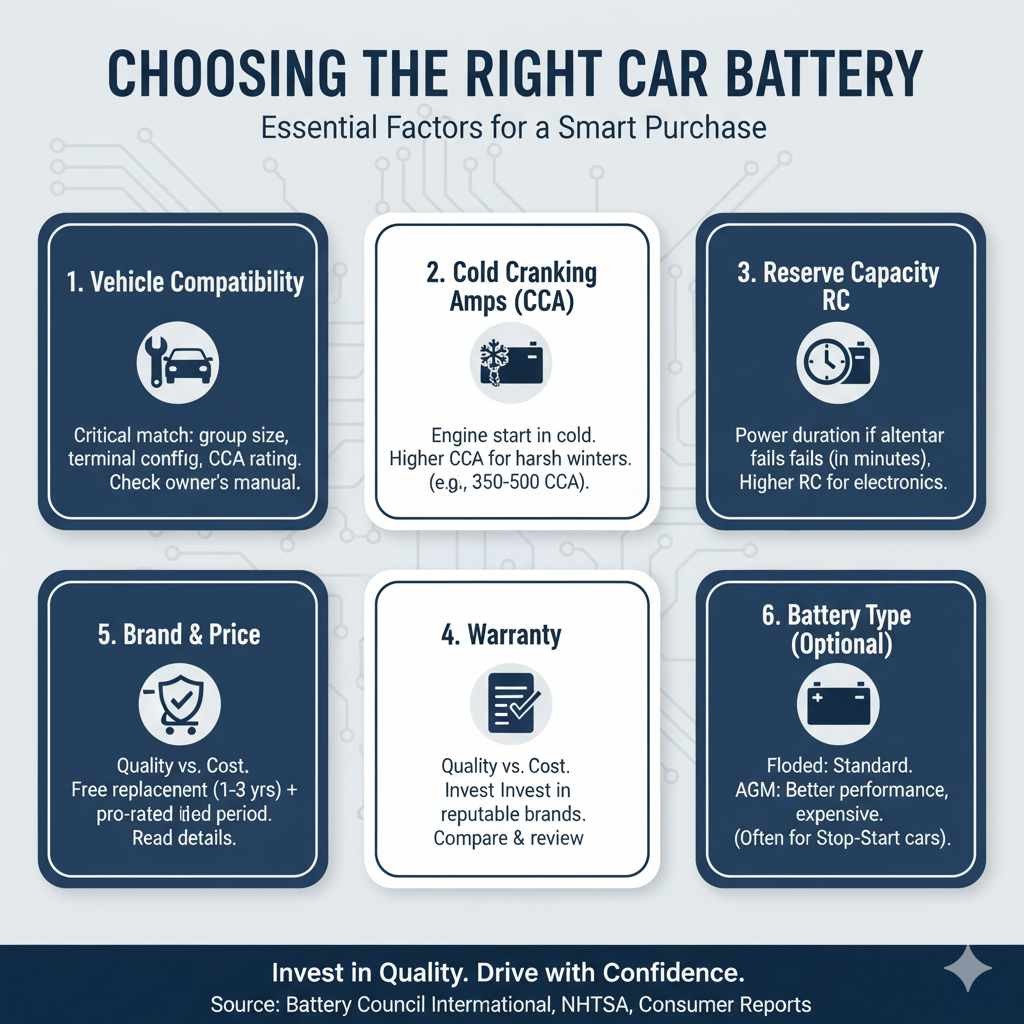
1. Vehicle Compatibility
This is the most critical factor. Your car’s manufacturer specifies the correct battery group size, terminal configuration (top post, side post), and Cold Cranking Amps (CCA) rating needed for your vehicle. Using the wrong battery can lead to fitment issues, electrical problems, or reduced performance.
2. Cold Cranking Amps (CCA)
CCA measures a battery’s ability to start an engine in cold temperatures. If you live in a region with harsh winters, you’ll want a battery with a higher CCA rating than the minimum recommendation for your car. A common recommendation for many vehicles is around 350-500 CCA, but always check your owner’s manual. You can find information on battery testing and ratings from sources like the Battery Council International.
3. Reserve Capacity (RC)
Reserve capacity indicates how long a fully charged battery can provide power if the alternator fails. It’s measured in minutes. A higher RC is generally better, especially if you have a lot of electronic accessories in your car.
4. Warranty
Most new car batteries come with a warranty. This warranty usually consists of two parts: a free replacement period (e.g., 1-3 years) and a pro-rated period (where you get a discount on a new battery based on how long you’ve had the old one). Check the warranty details carefully when purchasing.
5. Brand and Price
Well-known brands often offer reliable batteries with good warranties. While it might be tempting to go for the cheapest option, investing a little more in a quality battery can save you money and hassle in the long run. Compare prices and reviews before making a decision.
Frequently Asked Questions (FAQ)
Q1: How often should I replace my car battery?
Most car batteries last between 3 to 5 years. However, this can vary depending on your climate, driving habits, and battery quality. It’s a good idea to get it tested after 3 years, even if it seems to be working fine.
Q2: Can I replace my car battery myself?
Yes, for many vehicles, replacing a car battery is a DIY-friendly task. You’ll need some basic tools like a wrench or socket set. However, it’s crucial to disconnect the negative terminal first and reconnect it last to prevent short circuits. If you’re unsure, it’s always best to have a professional do it.
Q3: What happens if I don’t replace a dying car battery?
A dying battery can leave you stranded unexpectedly. It might also cause problems with other sophisticated electronic systems in your car, potentially leading to more expensive repairs. It’s a reliability issue more than anything else.
Q4: How do I know if it’s the battery and not the alternator?
Symptoms can overlap. However, dimming lights that improve with acceleration often point to the alternator, while a consistent clicking sound with no crank usually means the battery is just too weak. A professional load test can help differentiate.
Q5: Can extreme temperatures affect my battery?
Yes, both extreme heat and cold can shorten a battery’s lifespan and affect its performance. Heat causes the internal fluids to degrade faster, while cold reduces the battery’s power output and makes it harder for the engine to start.
Q6: What does a “dead” battery mean?
A dead battery means it has discharged all of its stored electrical energy and cannot provide enough power to start the engine or operate the car’s electrical systems. This can happen if the car isn’t driven for a long time, if lights are left on, or if the battery itself has failed.
Conclusion
Keeping your car running smoothly often comes down to understanding its key components, and the battery is undoubtedly one of the most vital. By paying attention to the signs—like slow cranking, clicking noises, dimming lights, and warning indicators—you can proactively identify a battery that’s nearing its end. Remember, a failing battery is rarely a surprise if you know what to look for. Regular checks, especially as your battery approaches its typical 3-5 year lifespan, can save you from the inconvenience of a breakdown.
Don’t let a weak battery leave you stranded. Whether it’s a simple visual inspection for swelling, listening to that engine crank, or getting a quick, free test at your local auto shop, taking these simple steps empowers you to make