Is Ceramic Car Coating Worth It: Essential Guide
Yes, ceramic car coating is generally worth it for most car owners if you want excellent, long-lasting paint protection, a glossy finish, and easier cleaning. It’s an investment that can preserve your car’s looks and value over time, especially when applied correctly.
Ever look at a car on the road, gleaming and looking brand new, and wonder how they keep it so pristine? It’s a common question, and one that often leads people down the rabbit hole of car care products. You might have heard about something called “ceramic coating” and wondered if it’s just another fancy product or a genuine game-changer for your ride. Figuring out if a ceramic car coating is worth the investment can feel a bit overwhelming, especially if you’re not a car detailing expert. But don’t worry! I’m here to break it all down in a way that makes sense, so you can make a confident decision about protecting your beloved vehicle. We’ll explore what ceramic coating is, how it works, its benefits, and what to consider before diving in.
Is Ceramic Car Coating Worth It? The Beginner’s Guide
As your friendly neighborhood automotive guide, I know how important it is to keep your car looking its best and protected from the everyday wear and tear. So, let’s get straight to the heart of it: is ceramic car coating really worth the hype and the cost? For many drivers, the answer is a resounding “yes,” but it’s not a one-size-fits-all situation. Think of it as a super-powered shield for your car’s paint that goes way beyond what traditional waxes or sealants can offer. It adds a layer of protection that makes your car easier to keep clean and keeps that showroom shine for longer. We’ll explore exactly why this is the case and what you need to know.
What Exactly Is Ceramic Car Coating?
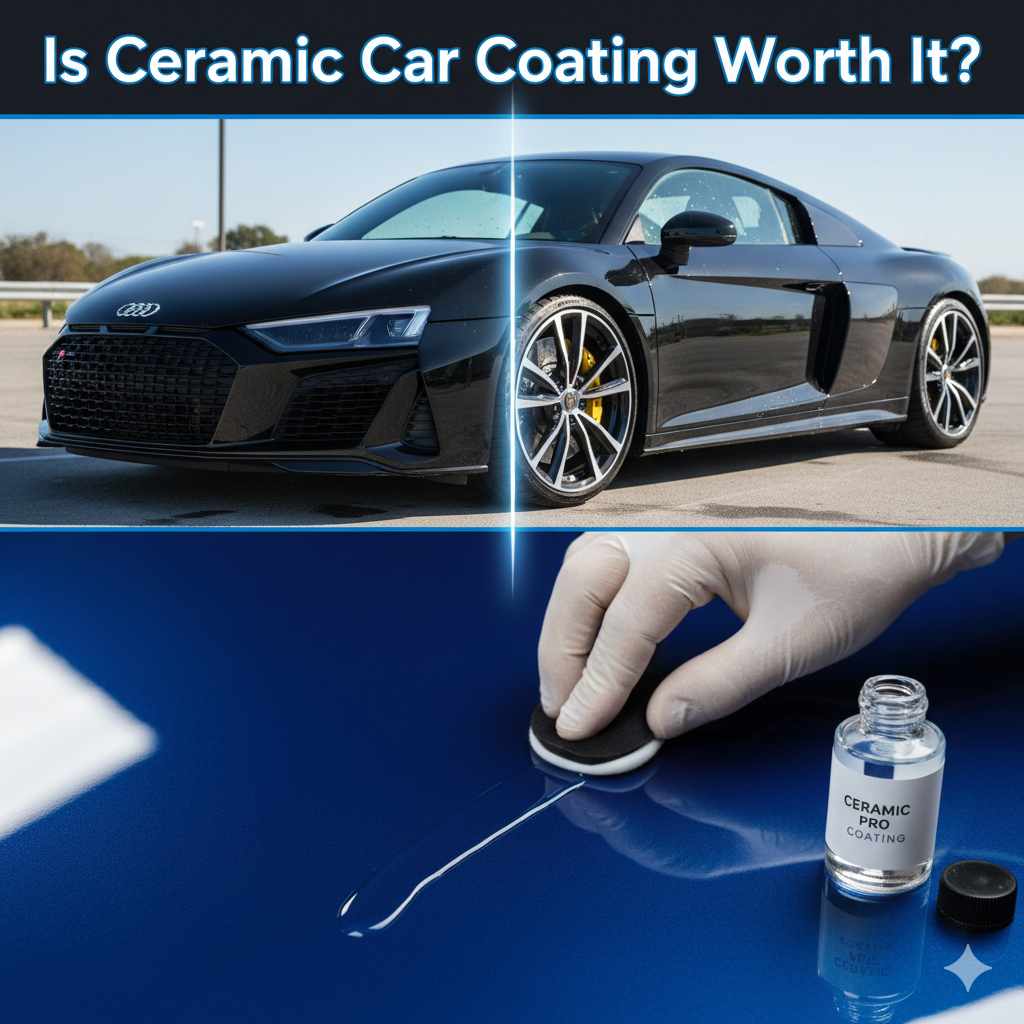
Let’s start with the basics. Ceramic car coating, often referred to as a ceramic paint sealant or nano-coating, is a liquid polymer that chemically bonds with your car’s factory paint. When applied, it forms a durable, flexible, and transparent layer of protection over your vehicle’s surface. Unlike waxes that sit on top of the paint, ceramic coatings fuse with it at a molecular level. This creates a much harder and longer-lasting barrier against the elements. The science behind it involves nanotechnology, where tiny particles create an exceptionally smooth and hydrophobic (water-repelling) surface.
These coatings are typically made with silicon dioxide (SiO2), a compound found in quartz and sand. When mixed with other materials and applied, the SiO2 reacts with oxygen and forms a hard, glass-like layer. This layer is significantly harder than your car’s clear coat.
Why Consider Ceramic Coating? The Big Benefits
You’re probably wondering, “Okay, but what does this actually do for me and my car?” That’s where the real value comes in. Ceramic coatings offer a host of advantages that can make owning and maintaining a car more enjoyable and less of a chore.
- Superior Protection: This is the main draw. Ceramic coatings provide a robust shield against common threats like UV rays, acidic rain, bird droppings, tree sap, road salt, and minor scratches. The hardness of the coating resists light abrasions that could otherwise mar your paint.
- Hydrophobic Properties: One of the most visually satisfying benefits is the water-repelling effect. Water and dirt simply bead up and roll off the surface. This makes washing your car much easier – often, a quick rinse is all you need.
- Enhanced Gloss and Depth: Ceramic coatings fill in the microscopic pores of your paint, creating a smoother surface. This reflects light more uniformly, resulting in a deep, glossy shine that makes your car look stunning.
- UV Resistance: Prolonged exposure to the sun can cause your car’s paint to fade and oxidize. The ceramic layer acts as a barrier, preventing these damaging UV rays from reaching the paintwork, preserving its color and integrity.
- Chemical Resistance: The bonding process creates a surface that is resistant to many common chemicals found in car washes, breakdown products, and environmental contaminants.
- Easier Cleaning: Because dirt and grime have a harder time adhering to the slick surface, washing your car becomes a breeze. You’ll spend less time scrubbing and more time enjoying your clean vehicle.
Ceramic Coating vs. Wax vs. Sealant: What’s the Difference?
It’s easy to get confused between ceramic coatings, traditional car wax, and synthetic paint sealants. They all aim to protect and enhance your car’s paint, but they differ significantly in durability, performance, and application.
Here’s a simple breakdown:
| Feature | Ceramic Coating | Car Wax (Carnauba) | Synthetic Sealant |
|---|---|---|---|
| Durability | Years (typically 2-5+) | Weeks to a few months | Several months (4-6) |
| Protection Level | High (UV, chemicals, minor scratches) | Moderate (UV, light contaminants) | Good (UV, light contaminants) |
| Gloss/Shine | Deep, reflective, glass-like | Warm, wet look | Bright, slick |
| Water Repellency | Excellent (hydrophobic) | Good | Very Good |
| Application Difficulty | Challenging (requires prep, precision) | Easy | Moderate |
| Cost | High (DIY kits to professional installs) | Low | Moderate |
As you can see, ceramic coatings offer the longest-lasting and most robust protection. While wax gives that classic “wet” look and is easy to apply, its protection is very temporary. Synthetic sealants offer a good balance between ease of use and durability, but they still don’t match the sheer longevity and hardness of a ceramic coating.
How Is Ceramic Coating Applied?
This is a crucial part of understanding its value. Ceramic coating proper application is not a “slap it on and wipe it off” job like wax. It requires meticulous preparation and careful application to ensure it bonds correctly and achieves its full protective potential.
- Thorough Cleaning: The car must be washed meticulously to remove all dirt, grime, and debris. This includes wheels, tires, and even door jambs.
- Decontamination: A chemical decontamination wash (using iron removers and tar removers) is often performed to strip away bonded contaminants that washing alone can’t remove. You can learn more about effective car washing techniques from resources like the Environmental Protection Agency’s (EPA) guidance on recycling automotive products, which indirectly emphasizes proper maintenance and care.
- Paint Correction (Optional but Recommended): This is a vital step for the best results. It involves polishing the paint to remove swirl marks, scratches, and oxidation. This creates a smooth, flawless surface for the coating to adhere to. Without correction, the coating will seal in any imperfections already present.
- Application: The ceramic coating is typically applied by hand using specialized applicator pads, working in small sections at a time. It’s a precise process, and the coating needs to be spread evenly.
- Leveling and Buffing: After a short flash time (the time it takes for the coating to react and start hardening), the excess coating is carefully wiped off or “leveled” with microfiber towels. This leaves behind the hardened protective layer.
- Curing: The coating needs time to cure and harden fully. This can take anywhere from 12 hours to several days, depending on the product and environmental conditions. During this time, the vehicle should be kept dry and out of direct sunlight.
This detailed process is why professional ceramic coating services can be quite expensive. However, many high-quality DIY ceramic coating kits are available for those who are comfortable with meticulous prep work.
DIY vs. Professional Ceramic Coating: Which is Right for You?
The decision between doing it yourself or hiring a professional is a big one when it comes to ceramic coating. Both have their pros and cons.
Professional Ceramic Coating
Pros:
- Expert preparation and application ensures optimal results.
- Access to professional-grade coatings that offer superior longevity and performance.
- Often comes with a warranty, giving you peace of mind.
- Saves you time and the headache of learning a complex process.
Cons:
- Significantly more expensive than DIY.
- Requires scheduling appointments.
DIY Ceramic Coating
Pros:
- Much more affordable than professional application.
- Great sense of accomplishment and learning a new skill.
- Flexibility to choose when and how you apply it.
Cons:
- Steep learning curve; requires careful research and practice.
- Risk of errors like high spots, streaks, or incomplete curing if not done correctly.
- Requires significant time for preparation and application.
- You’ll need to purchase necessary tools and supplies.
If you’re a beginner who enjoys hands-on work and is willing to invest time in learning and practicing, a DIY kit can be a rewarding option. However, if you want the absolute best possible result with minimal risk, or if you have a high-value vehicle, a professional application is usually the way to go.
How Much Does Ceramic Coating Cost?
The cost can vary widely depending on the type of coating, the size and condition of your vehicle, and whether you opt for DIY or professional application.
- DIY Kits: These can range from $50 to $200 for a kit that includes the coating, applicators, and towels. You might need additional supplies like IPA (Isopropyl Alcohol) for paint prep or a polisher for paint correction, which add to the total cost.
-
Professional Application: Expect to pay anywhere from $500 to $3,000 or more. Factors influencing this price include:
- Coating Quality: Higher-end, longer-lasting coatings command higher prices.
- Paint Correction: If your car needs significant paint correction (removing scratches and swirl marks), this is a labor-intensive process that adds substantially to the cost. A good paint correction can easily add several hundred dollars.
- Number of Layers: Some installers recommend multiple layers for added durability.
- Additional Services: Some packages might include coatings for wheels, glass, or interior surfaces.
- Reputation of the Detailer: Experienced and reputable detailers often charge more.
So, while the upfront cost of professional ceramic coating is high, remember you are paying for expertise, time, and high-quality materials that are designed to last for years.
Ceramic Coating vs. Clear Bra (PPF)
Another protective option often compared to ceramic coating is Paint Protection Film (PPF), also known as a clear bra. It’s important to understand the difference:
- Ceramic Coating: Primarily a chemical-resistant, hydrophobic layer that protects against UV, chemicals, and light scratches. It enhances gloss but offers minimal impact resistance.
- Paint Protection Film (PPF): A thick, transparent urethane film applied to the vehicle’s paint. PPF offers superior protection against rock chips, scratches, and minor impacts. Many self-healing PPFs can even repair minor scratches when exposed to heat.
Often, car enthusiasts opt for a combination: PPF on high-impact areas (like the front bumper, hood, and fenders) and a ceramic coating over the entire vehicle to seal the PPF and the rest of the paintwork. This provides the ultimate defense.
My Personal Take: Is It Really “Worth It”?
From my experience as a car enthusiast and guide, if you plan on keeping your car for more than a couple of years, and you value its appearance and resale value, then yes, a ceramic coating is generally very much worth it. It’s an investment in preserving the integrity and beauty of your vehicle’s paintwork.
Think about it this way:
- Long-Term Savings: While the initial cost can be high, a good ceramic coating can last for years. This means you won’t be spending money on frequent waxing or polishing. Plus, it makes washing much faster and easier, saving you time and effort.
- Resale Value: A car that has been well-maintained with protected paint will always fetch a higher resale price. Ceramic coating helps maintain that “like new” appearance.
- Pride of Ownership: Let’s be honest, a shiny, protected car just feels good. It’s a way to show pride in your vehicle and enjoy it more.
However, if you only plan to keep your car for a year or two, or if your budget is extremely tight, a high-quality wax or sealant might be a more practical choice. The key is to match the protection method to your needs and expectations.
Maintaining Your Ceramic Coating
Even with the best ceramic coating, proper maintenance is still key to ensuring its longevity and performance. Here’s how to keep that coating looking its best:
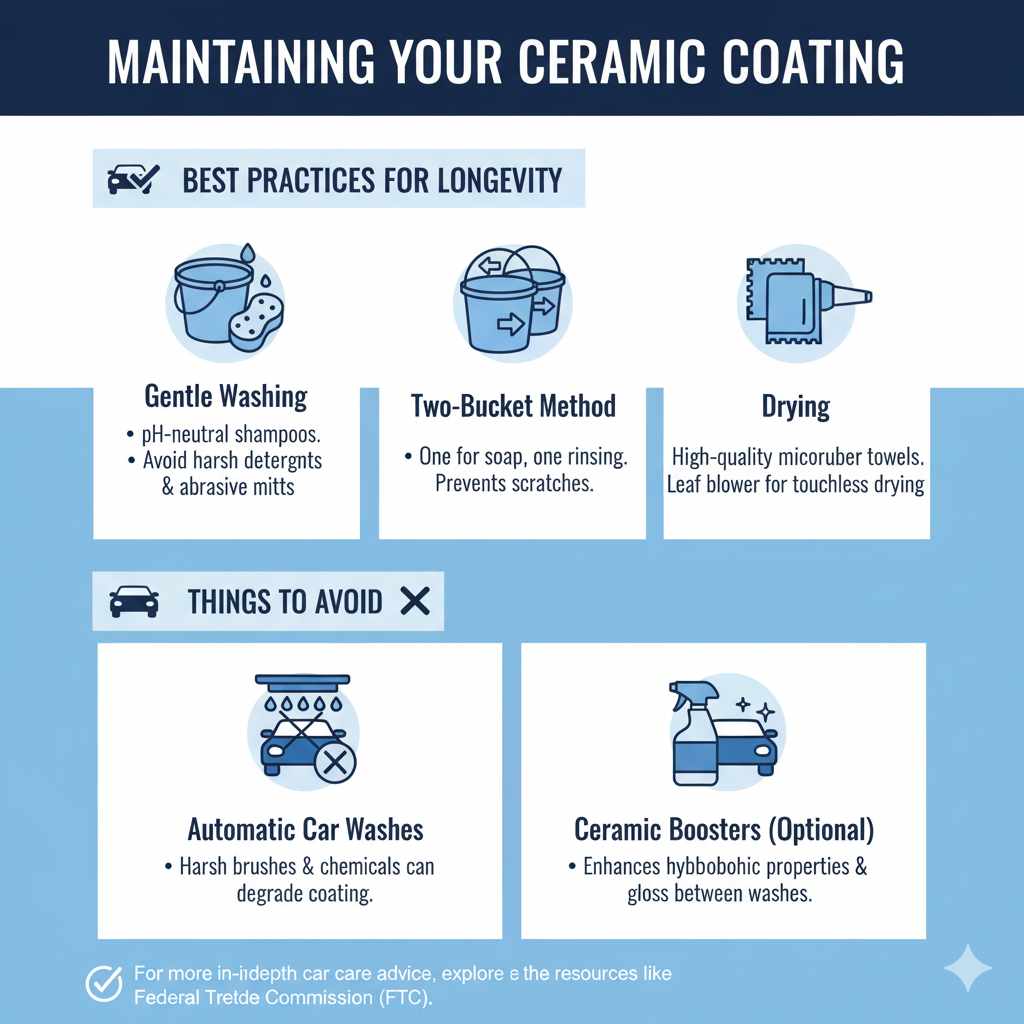
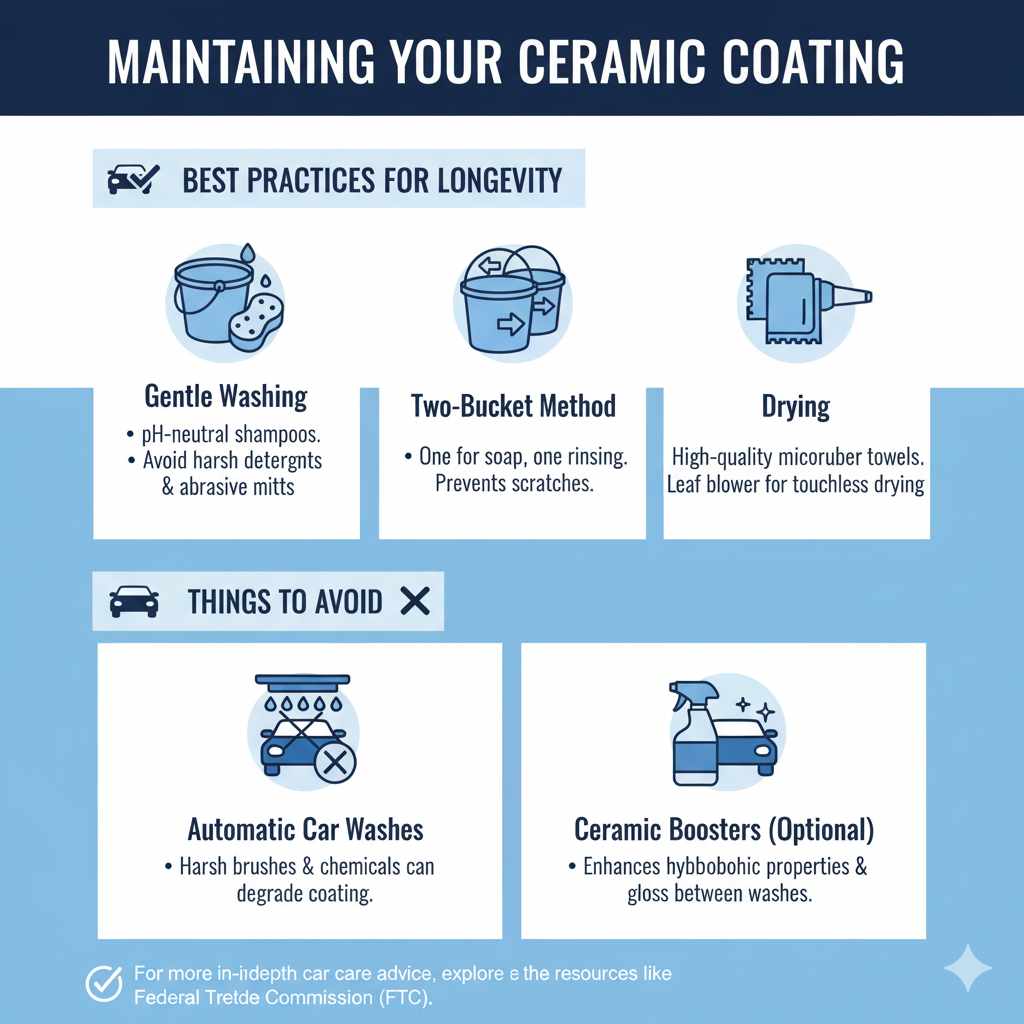
- Gentle Washing: Continue to wash your car regularly (every 1-2 weeks) using pH-neutral car shampoos. Avoid harsh detergents or abrasive wash mitts.
- Two-Bucket Method: This is a great practice for any car, but especially for those with coatings. Use one bucket for soapy water and another for rinsing your wash mitt to prevent transferring grit back onto the paint.
- Drying: Gently dry your car with clean, high-quality microfiber drying towels to avoid scratching the surface. A leaf blower can also be a safe way to remove excess water, especially from crevices.
- Avoid Automatic Car Washes: Many automatic car washes use harsh brushes and chemicals that can degrade or even damage your ceramic coating and scratch your paint.
- Use Ceramic Boosters (Optional): Some enthusiasts like to use ceramic spray sealants or detailers periodically between washes. These can “top up” the hydrophobic properties and add a bit more gloss, extending the life of the main coating.
For more in-depth car care advice, you can explore resources like those provided by the Federal Trade Commission (FTC), which offers consumer advice on auto repair and maintenance, helping you make informed decisions for your vehicle.
Frequently Asked Questions (FAQ)
Q1: Will ceramic coating make my car scratch-proof?
A1: No, ceramic coatings are not “scratch-proof.” While they significantly increase the hardness of your paint and can resist minor swirl marks and light scratches, they will not prevent damage from deeper scratches or abrasions caused by keys, rocks, or improper washing techniques.
Q2: How long does a ceramic coating last?
A2: When applied correctly and maintained properly, a quality ceramic coating can last anywhere from 2 to 5 years, and sometimes even longer. DIY kits might offer slightly shorter durability compared to professional-grade coatings.
Q3: Can I apply ceramic coating over a waxed or sealed car?
A3: No, you cannot. For the ceramic coating to bond properly, the paint surface must be completely clean and free of any pre-existing waxes or sealants. This is why thorough paint preparation and decontamination are essential steps.
Q4: Is ceramic coating safe for all car colors?
A4: Yes, ceramic coating is safe and beneficial for all car colors, including dark colors that show imperfections more easily. It enhances the depth and gloss of any paint color.
Q5: What happens if I get water spots on my ceramic coating?
A5: While ceramic coatings are hydrophobic, if water is left to evaporate on the surface (especially hard water with mineral deposits), it can leave behind spots. These are usually only on the surface of the coating and can often be removed with a detail spray and microfiber towel.
Q6: Do I still need to wash my car if it has a ceramic coating?
A6: Absolutely! While the coating makes washing easier and dirt less likely to stick, regular washing is still necessary to remove contaminants that can degrade the coating over time and cause spotting.