Is It Illegal To Have LEDs In Your Car? Essential Guide
Whether it is illegal to have LEDs in your car depends entirely on where you live and where you install them. While many aftermarket LEDs are legal for interior use, exterior lights must meet strict Federal Motor Vehicle Safety Standards (FMVSS). Always check your local laws.
Upgrading to bright, modern LED lights can make your car look amazing and feel safer to drive. But you might have heard scary stories about getting pulled over or facing fines just because of your lights. It’s confusing! Are those cool blue underglow lights or super-bright headlights breaking the law? Don’t worry. As your auto guide, I am here to clear up all the confusion surrounding LED light legality. We will break down the rules simply, focusing on what is safe, what is allowed, and how you can upgrade your ride with confidence. Let’s look at exactly what the laws say about LEDs inside and outside your vehicle.
Decoding Car Lighting Laws: The Basics You Need to Know
When it comes to car lights, the government has rules. These rules exist primarily for safety. They need to make sure that your brake lights work clearly, your turn signals are visible, and nobody else on the road is blinded by your headlights. The big question, “Is it illegal to have LEDs in your car?” doesn’t have one simple “yes” or “no” answer. It depends on the lamp’s function and location.
For the most part, the legality hinges on three main factors:
- Location: Is the light inside the cabin or visible from the outside?
- Color: What color is the light being emitted?
- Intensity/Aim: Is the light too bright, or is it aimed improperly?
We need to look at the rules set by the National Highway Traffic Safety Administration (NHTSA) in the US, which govern things like headlight standards, and then see how they interact with state and local laws. Keep in mind that while federal standards set the baseline, your local Department of Motor Vehicles (DMV) or state police might have stricter rules.
Exterior Lighting: Where Most of the Legal Trouble Happens
The rules are tightest for lights that other drivers see. If you are swapping out your factory halogen bulbs for LED replacements, you must ensure the new bulbs meet specific performance criteria. This is especially true for headlights and taillights.
Headlights: The Brightest Legal Challenge
This is the most common area where people run into trouble. Many drivers buy cheap, aftermarket LED headlight kits designed to plug into a housing meant for a regular halogen bulb. This is often where the legality fails.
Why an LED swap can be illegal:
- Beam Pattern: Headlights are precisely engineered to throw a specific pattern onto the road—a pattern that illuminates your path without blinding oncoming traffic. An LED bulb often has its light source positioned differently than the original halogen filament.
- Reflector/Projector Issue: When you put an aftermarket LED in a housing designed for halogen, the light scatters. This scattering creates glare for other drivers, which is why police often enforce these laws strictly.
According to federal standards, lighting devices must conform to the Federal Motor Vehicle Safety Standards (FMVSS), particularly FMVSS No. 108 for lamps, reflective devices, and associated equipment. If your LED replacement bulb prevents the assembly from meeting this standard, it is generally illegal for road use.
Table 1: Common Exterior Light Colors and Their Legal Status
| Location/Use | Typically Legal Colors | Typically Illegal Colors (While Driving Forward) |
|---|---|---|
| Headlights/Driving Lights | White, Amber (Yellow) | Blue, Red, Green, Any flashing color |
| Turn Signals | Amber (Yellow) or Red (depending on mounting position) | Blue, Green, White |
| Brake Lights | Red | Blue, Green, White (except when reversing) |
| Side Marker Lights | Amber (Front/Side), Red (Rear/Side) | Flashing colors other than intended signal |
Taillights and Brake Lights
Replacing stock red or amber bulbs with colored LEDs (like deep blue or purple) is almost universally illegal while driving. These lights need high visibility and specific colors to communicate your intentions (braking, turning) effectively to others.
Tip for Taillight LEDs: If you buy a new taillight assembly specifically designed by the manufacturer to use LEDs, it is legal because that entire unit has been tested and certified to meet FMVSS 108.
Auxiliary and Decorative Lighting (Underglow and Accent Lights)
This category often causes the most confusion: underglow lighting, rock lights, or decorative accent lights mounted externally.
In nearly every state, it is illegal to have exterior lights (excluding specific permitted features like side marker reflectors) that flash, blink, or display colors that could be mistaken for emergency vehicles (Red or Blue).
Key Takeaway on Underglow: If your underglow light color is highly visible or can be mistaken for a police car (Red/Blue), or if it flashes while driving, it is likely illegal under state vehicle equipment codes, regardless of how modern the LED technology is. Many states specifically list prohibited colors for lights visible from the exterior.
Interior Lighting: Mostly Your Business (With Limits)
The good news is that the rules governing the car’s interior are much more relaxed. You have a lot more freedom when choosing LEDs for inside your vehicle.
Dashboards and Instrumentation
Swapping out dimmer incandescent bulbs for crisp white or colored LEDs for your gauge cluster or dashboard lights is generally permitted. Why? Because these lights are contained within the vehicle and are not meant to communicate with other drivers on the road.
The One Caveat: The color you choose must not be distracting or overly bright, especially if it reflects sharply onto the windshield or hinders your ability to see the road clearly. White or soft blue/green tends to be the most accepted, as they mimic the standard illumination colors.
Dome Lights and Map Lights
Changing the overhead dome light or map light bulbs to bright white LEDs is extremely popular and usually perfectly legal. These are interior lights, and their primary function is to help you see inside the cabin—not to advertise your presence on the highway.
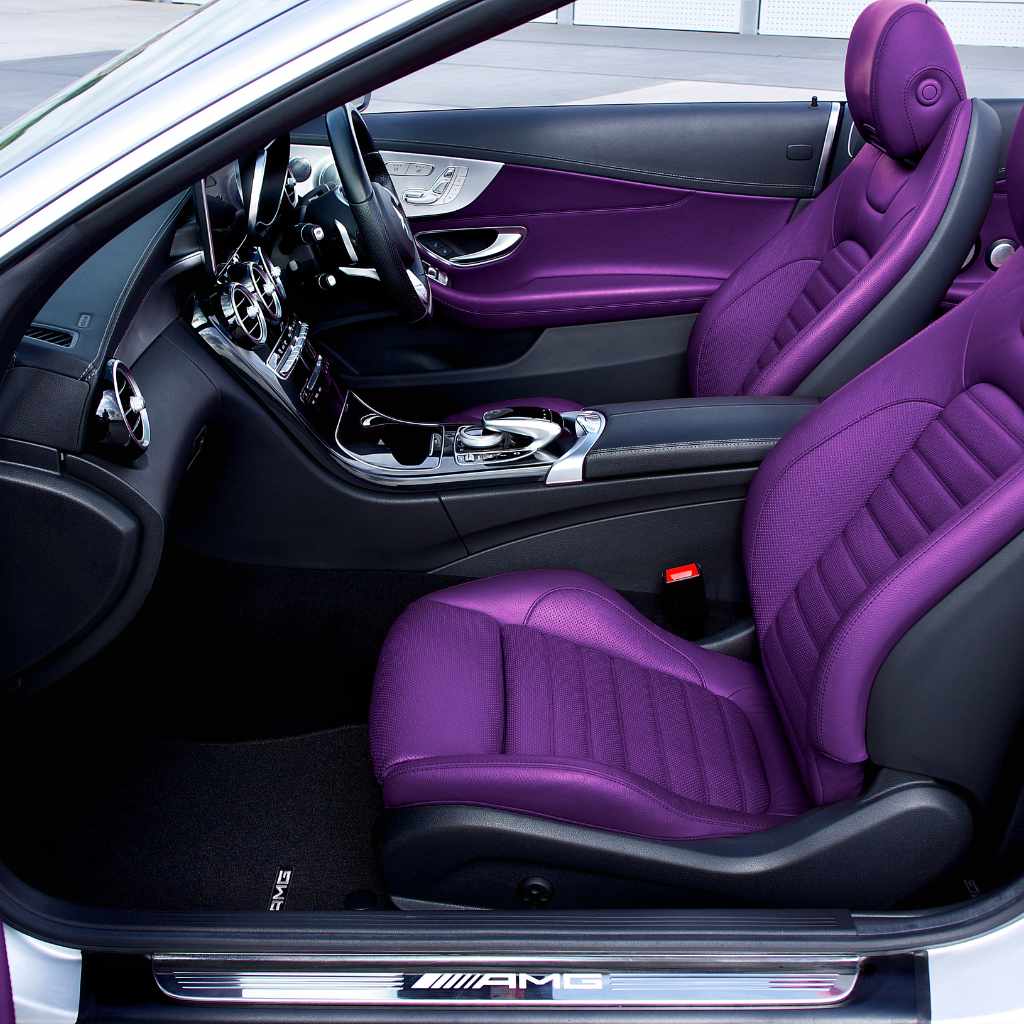
Footwell and Accent Lighting
The popular footwell lighting kits are generally legal because the light source is directed downward and completely contained within the cabin space. You should take care, however, that the light does not bleed through windows in a way that might mimic a flashing emergency vehicle color (red or blue).
Step-by-Step: Assessing Your LED Installation Legality
If you are considering an LED upgrade, follow this simple decision-making flowchart to keep yourself on the right side of the law.
1. Identify the Application
Is this light for:
- Exterior (Headlights, Turn Signals, Brake Lights)?
- Interior (Dome, Dash, Footwell)?
- Auxiliary/Decorative (Underglow, Grille Lights)?
2. Check the Function and Visibility
If it’s exterior, what is its job? If it communicates to other drivers (like a brake light), it must precisely mimic the original function, color, and beam pattern.
3. Research Your State’s Specific Equipment Codes
Federal guidelines are broad; state laws get specific. Search online for your state’s official vehicle equipment code. For example, you might search for California Vehicle Code or official state DMV resources related to lighting. Look for sections detailing required colors for forward-facing lights versus rear-facing lights.
4. Headlight Certification (Crucial Step)
If upgrading headlights, only use LED systems explicitly labeled as “DOT Compliant” or “SAE Certified” for your specific housing. Unless the manufacturer provides documentation showing the bulb/housing combination passes FMVSS 108 testing, treat the swap as potentially illegal.
5. Color Matters Most
When in doubt about exterior color, stick to:
- White or Amber for forward-facing lights.
- Red or Amber for rear-facing lights.
Avoid any light that flashes or strobes unless it’s a factory-installed hazard light system.
The Difference Between Bulbs and Assemblies
Understanding the difference between swapping components and replacing the whole unit is key to legality.
LED Replacement Bulbs (Plug-and-Play)
These are generally risky for critical exterior components like headlights. They are often illegal because they don’t work correctly with the existing housing optics, scattering light and causing glare, even if the bulb itself is technically an LED.
Complete LED Assemblies
These are light fixtures engineered from the ground up by the manufacturer to house LED chips. Because the housing, lens, and internal reflector are designed around the LED’s light source, these units are typically street legal and certified, provided they are designed for vehicles registered in your jurisdiction.
Understanding How State Laws Approach Non-Factory Lights
State legislatures understand that technology changes fast. Therefore, many codes are written broadly to manage safety rather than specifically calling out “LEDs.” They usually regulate based on effect rather than technology.
For instance, a law might state that no light visible from the front of the vehicle shall be red or blue. This applies whether the light comes from a candle, a halogen bulb, or a modern LED chip.
Common State Prohibitions (Typically Handled by Local Police)
Here is what police officers often focus on when pulling someone over for illegal lighting:
- Apparent Emergency Vehicle Colors: Any red or blue light visible from the front or sides (unless it’s a permitted turn signal).
- Excessive Glare: Headlights that shine too high or scatter light widely enough to distract other drivers.
- Flashing Lights: Any unauthorized flashing light system visible externally.
- Street Rod/Antique Exemptions: Some states offer exceptions for classic cars, but these do not always apply to standard modern vehicles using aftermarket parts.
Safety Note: Even if a state law is vague, if a police officer believes your lighting creates a hazard, they have the authority to issue a citation based on general unsafe equipment regulations.
Pros and Cons of LED Upgrades (Legality in Mind)
Before committing to an upgrade purely for aesthetics, consider the practical trade-offs.
Pros of Switching to LEDs
- Longevity: LEDs last significantly longer than traditional bulbs, saving replacement costs.
- Energy Efficiency: They draw much less power from your vehicle’s electrical system.
- Instant Brightness: LEDs achieve full brightness instantly, which can improve reaction time for brake lights.
- Aesthetics: Modern white light looks crisp and clean.
Cons and Legal Risks of Switching
- Cost: Quality, DOT-compliant LED assemblies are much more expensive than simple bulbs.
- Installation Complexity: Some sophisticated lighting requires wiring expertise.
- Legal Risk (Headlights): If you install non-certified LED bulbs in halogen housings, you risk tickets and being told you cannot drive the car until it is fixed or inspected.
- Heat Issues: Some high-powered LEDs require heat sinks or fans which must fit properly within the headlight housing without trapping moisture.
Tool Spotlight: Checking Your Vehicle’s Light System
You don’t need a full mechanic’s shop to do a basic legality check. Here are the simple tools you can use:
- Owner’s Manual: Always check this first for factory specifications.
- Screwdriver Set/Trim Removal Tools: For accessing bulb housings that might be behind removable trim panels.
- Color-Correct Reading Glasses (Optional but fun): If you suspect your interior lights are too distracting, a friend wearing standard glasses can check if the light output seems overwhelming from the outside.
- Your Phone Camera: Take a picture of your headlights illuminating a wall from 25 feet away in a dark area—this helps judge the beam pattern quality. Look for sharp, well-defined cut-off lines.
FAQ: Beginner Questions About Car LED Legality
Q1: Are blue or red LEDs legal anywhere on my car?
A: Generally, no, if they are visible when you are driving forward. Red lights are reserved for the rear of the vehicle (brake and taillights). Blue lights are almost exclusively reserved for law enforcement or emergency vehicles and using them can lead to serious fines.
Q2: Can I get a ticket for having bright white interior LEDs?
A: It is highly unlikely if the light is confined inside the vehicle. However, if the light is so bright that it reflects excessively off the road or blinds the driver next to you, an officer could cite you for general unsafe equipment or reckless endangerment.
Q3: If I buy an LED bulb that says “DOT Compliant,” am I safe?
A: Not necessarily for headlights. DOT/SAE compliance applies to the entire lighting system (bulb PLUS reflector/housing). A bulb labeled DOT compliant might only meet standards when paired with a specific housing designed for it. If you put it in your old halogen housing, it might not be compliant anymore.
Q4: What about side marker and corner lights—what colors must they be?
A: Standard US regulations require amber (yellow) on the front and sides toward the front, and red on the rear and sides toward the rear. If you are replacing these, stick to the original color specification.
Q5: If I am only using LEDs for daytime running lights (DRLs), are they legal?
A: Yes, provided the DRLs meet the specifications for brightness and color (usually white or amber) set by FMVSS 108. If your DRLs are integrated into the main headlight structure, they must adhere to those same requirements.
Q6: Does the law change if I put LEDs in my license plate light?
A: License plate lights must illuminate the plate clearly, usually using white light, so that the license plate is legible from 50 feet away (a common registration standard). As long as the light is white, aimed only at the plate, and bright enough for visibility, it is usually fine.
The Final Word on LED Upgrades and the Law
Upgrading your vehicle with modern LED lighting is a fantastic way to enhance your driving experience, whether for better visibility at night (using certified components) or for styling inside the cabin. The fear that “Is it illegal to have LEDs in your car?” should transform from a scary question into a manageable checklist.
The most important rule to take away is this: If the light is visible to other drivers and communicates intent (like braking or signaling), it must meet the original equipment standards for color, aim, and intensity. If it’s decoration or interior lighting, you have much more freedom, provided you aren’t blinding yourself or acting like an emergency vehicle on the road.
Always prioritize safety over style, especially with exterior lights. By sticking to certified assemblies for critical functions like headlights, and choosing appropriate, non-emergency colors for everything else, you can enjoy the benefits of LED technology while driving confidently, knowing you are following the rules of the road. Happy driving, and enjoy your bright new view!