Is It Ok To Put Unleaded 88 In My Car? Essential Guide
Check your owner’s manual first. If your car requires 89 octane or less, Unleaded 88 (which is 88 AKI, or typically 91 RON) might be okay for infrequent use in some modern, flexible-fuel vehicles, but it’s usually better to stick to the manufacturer’s minimum requirement.
Welcome! If you’ve pulled up to the pump and seen “Unleaded 88” priced lower than regular 87, you might wonder if you can save a few dollars. Seeing new fuel options can feel confusing. Will it hurt your respected vehicle? Will you notice a difference? Many drivers feel unsure about trying these newer, slightly different fuels.
Don’t worry! We are here to clear up all the confusion about this mid-grade option. We will break down exactly what Unleaded 88 is, how it compares to the fuel you use now, and the simple steps to check if it’s safe for your specific car. By the end of this guide, you will feel completely confident knowing which fuel is best for your wallet and your engine.
What Exactly is Unleaded 88? The octane Rating Explained
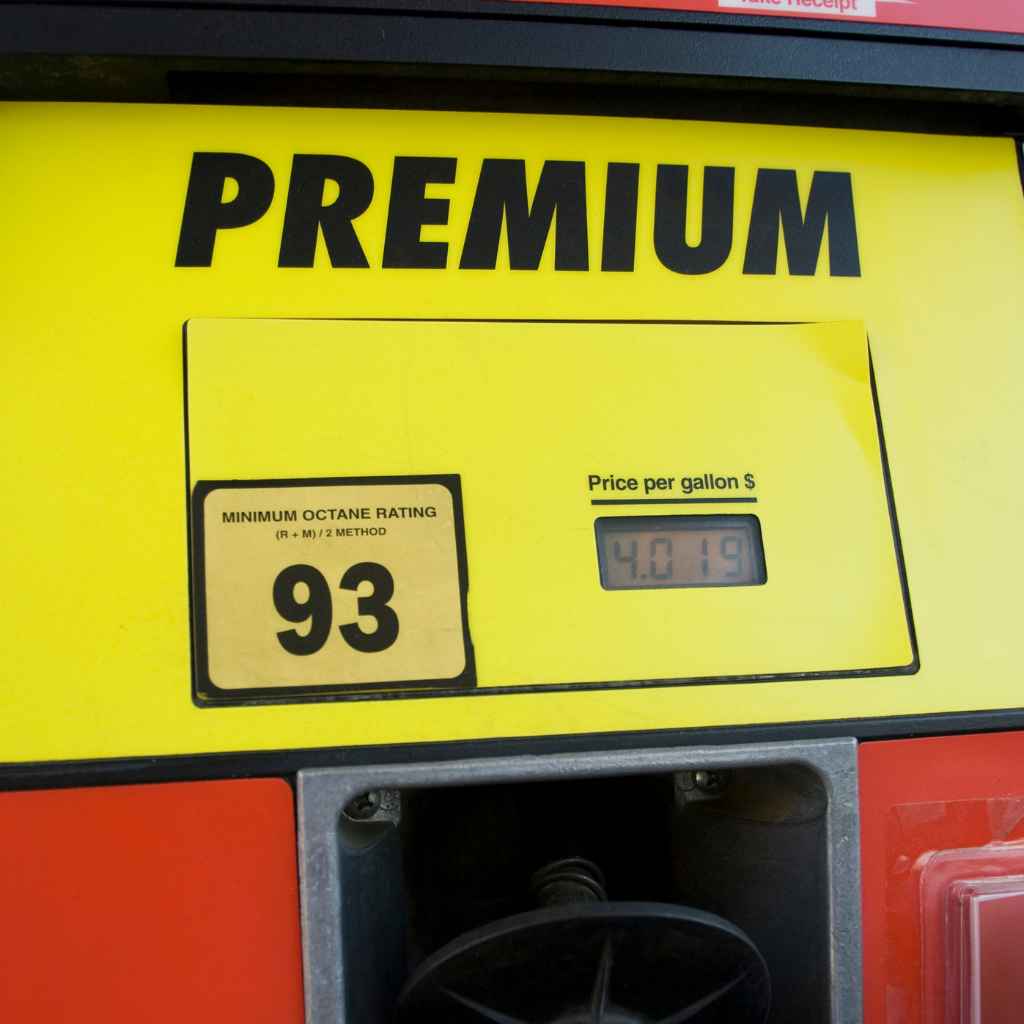
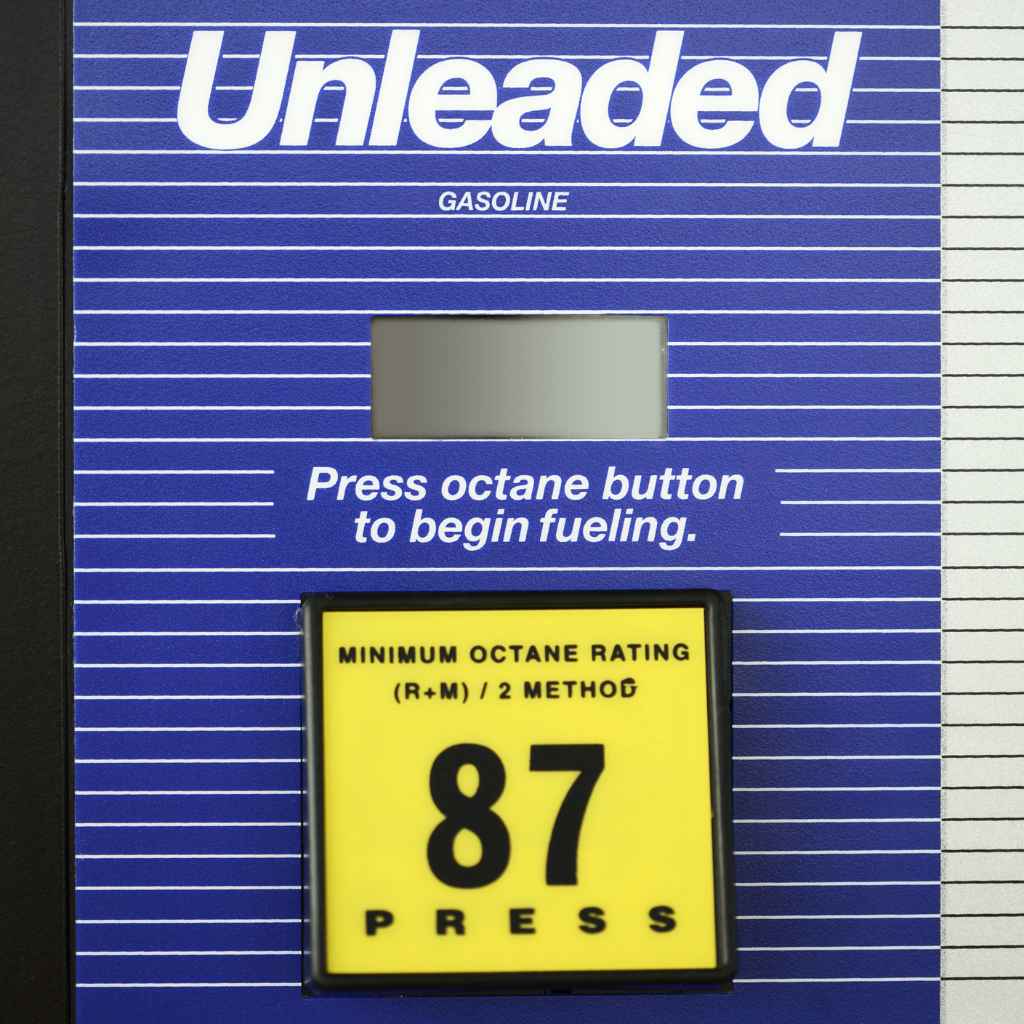
To understand if Unleaded 88 is right for your car, we first need to understand what gasoline ratings mean. The number you see on the pump—like 87, 88, or 93—tells you the octane rating. Octane is a measure of the fuel’s resistance to “knocking” or premature ignition inside your engine cylinders.
Understanding Octane Ratings: AKI vs. RON
Fuel ratings can be tricky because they often use two different scales:
- Anti-Knock Index (AKI): This is the number you typically see printed on pumps in the United States and Canada. It’s an average of two other ratings.
- Research Octane Number (RON): This is used in most other parts of the world.
For our purposes, when you see Unleaded 88 in the US, it generally means it has an AKI rating of 88. Regular unleaded is usually 87 AKI.
Key Takeaway: Higher octane means the fuel resists compression and heat better before it naturally burns. This is important for high-compression engines found in many performance or modern turbocharged cars.
Where Does Unleaded 88 Fit In?
Unleaded 88 is often positioned between Regular (87) and Mid-Grade (89). However, because octane ratings can be confusing, it’s helpful to look at regional definitions. In some areas, Unleaded 88 is simply a slightly higher-quality version of 87 that costs a little less than true 89 octane. It’s designed to offer a slight buffer against knocking without the higher price tag of premium fuel.
It’s important to realize that Unleaded 88 often contains up to 10% ethanol (E10), just like regular 87 octane. The primary difference is that slightly higher resistance to knocking.
How to Determine if Your Car Accepts Unleaded 88
This is the most critical step. Putting the wrong fuel in your car can cause immediate performance issues or long-term damage. Making sure your vehicle is compatible is simple if you know where to look.
Step 1: Consult Your Owner’s Manual (The Golden Rule)
Your car’s manufacturer gives you the final word on gasoline compatibility. Dive into your owner’s manual and look for the section on “Fuel and Lubricants,” or “Refueling.”
The manual will state the minimum recommended octane rating for safe operation. For example, it might say:
- “Use a minimum of 87 AKI (R+M)/2.” (This means 87 is the lowest acceptable grade.)
- “Use premium unleaded fuel with an octane rating of 91 or higher.” (This means anything lower than 91 is risky.)
If your manual states the minimum is 87 or 89, Unleaded 88 (at 88 AKI) is likely compatible, especially if you are driving a modern vehicle designed with knock sensors.
Step 2: Check the Fuel Door Sticker
Many manufacturers place a small sticker right inside the fuel filler door. This is the fastest, most accessible place to check. These stickers usually state the minimum required octane. If it says 87, you are generally safe to use 87, 88, 89, or 91. If it specifies higher, avoid 88 if it’s below that number.
Step 3: Look for Modern Engine Technology (Knock Sensors)
Modern engines (especially those made in the last 15-20 years) are much more forgiving than older models. They are equipped with “knock sensors.”
These sensors constantly listen for the telltale signs of premature detonation (knocking or pinging). If they detect it, the car’s computer (ECU) instantly adjusts the engine timing to prevent damage. This usually means the engine runs slightly less efficiently, but it protects the engine.
If your car is newer, using 88 octane occasionally when 87 is specified is generally not a major mechanical risk, thanks to these sensors. However, using a fuel below the manufacturer’s minimum recommendation (for example, using 85 octane where 87 is required) can cause the engine to constantly retard timing, leading to poor performance and reduced fuel economy.
Comparing Unleaded 88, 87, and 89 Octane
To make things super clear, let’s compare the common mainstream options drivers see at the pump. This table helps visualize the differences:
| Fuel Grade | Typical AKI Rating | Common Use | Ethanol Content |
|---|---|---|---|
| Regular (Standard) | 87 | Most standard, naturally aspirated cars. | Up to 10% (E10) |
| Unleaded 88 (Newer Option) | 88 | Modern cars requiring minimum 87 or 89. | Up to 10% (E10) or sometimes higher |
| Mid-Grade | 89 | Often listed as the minimum for some engines. | Usually less than 10% |
| Premium | 91 or 93 | Required for high-performance or turbocharged engines. | Varies, often standard E10 |
When Unleaded 88 Is Usually Safe (The “Better Than 87” Scenario)
If your owner’s manual recommends a minimum of 87 octane, you can often safely use 88. Why bother switching?
- Slight Knock Resistance: It offers a marginal improvement in resisting knocking, which is helpful on very hot days or if you drive aggressively occasionally.
- Price Point: If 88 is clearly priced lower than 89 mid-grade fuel in your area, it might be a smart, budget-friendly choice for a car that runs fine on 87.
When You Should Absolutely Avoid Unleaded 88
You must avoid Unleaded 88 if your vehicle explicitly requires a higher octane rating. If your manual says 91, using 88 is a bad idea.
If you use fuel with an octane rating lower than what your engine demands, you force the engine computer to compensate. This compensation (called timing retardation) means:
- Less overall engine power.
- Reduced fuel efficiency (you burn more gas to go the same distance).
- In severe or continuous cases, potential long-term engine damage due to increased heat and stress.
Always prioritize the manufacturer’s minimum specification over a lower price tag if using the lower octane risks voiding your warranty or causing poor performance. For reliable information on fuel standards, you can consult resources from the U.S. Department of Energy, such as information regarding alternative fuels and fuel economy.
What If My Car is Flex-Fuel Compatible?
If you drive a vehicle designed to run on both gasoline and ethanol blends (like E85), the relationship with Unleaded 88 is slightly different, though still generally okay.
Flex-fuel vehicles (FFVs) are engineered to handle a huge range of octane levels because ethanol itself has a much higher octane rating than gasoline. If you put 88 in an FFV, the computer will simply adjust its fuel mapping to ensure optimal performance based on the oxygen sensors and knock readings. For these versatile vehicles, 88 octane is usually a non-issue, though most drivers still opt for E85 (which has a very high octane rating) if they want the maximum ethanol benefit.
The Ethanol Factor (E10 vs. E15)
Another crucial difference between standard pump gas and newer options like Unleaded 88 often relates to the percentage of ethanol mixed in. Most gasoline sold today is E10 (10% ethanol).
Some newer fuels being tested or rolled out might contain up to 15% ethanol (E15). Unleaded 88 is sometimes marketed alongside E15 in certain regions. E15 fuel is generally NOT safe for vehicles made before 2001. Most cars built after 2001 can handle E15, but you must verify this on the fuel door sticker. If your car is Flex-Fuel compatible, it can handle E15 easily. If you see a pump labeled 88 and it explicitly states it contains E15, and your car manual does not specifically approve E15, stick to 87 or 89.
For the safest path, if you are unsure about the ethanol content of the 88 octane offering at a specific station, try to find a source that clearly defines the fuel blend, or stick to the known quantity of 87 octane.
Practical Guide: How to Switch Fuel Graded Safely
Let’s say you’ve checked your manual, and you’re confident your 87-recommended car can handle the slight bump to Unleaded 88. How should you transition?
The Simple Safe Switching Procedure
You never need to “flush” your tank or do anything complicated when moving between standard octane grades (like 87 to 88 or 89). Fuel systems are designed to blend.
- Finish Current Tank (Almost): Drive your current tank down to about one-quarter full. This minimizes the amount of the old fuel mixing with the new.
- Select 88 Octane: Go to the pump and select the Unleaded 88 grade.
- Fill Up Normally: Fill your tank as you usually would. The new 88 octane fuel will immediately begin mixing with the existing 87 octane fuel in your tank.
- Pay Attention: Drive your car normally. Listen for any unusual engine noises (pinging or knocking). If you hear any knocking, especially while accelerating up a hill, switch back to your normal 87 octane next time.
- Monitor Performance: On a modern car, you should notice no difference, or perhaps a tiny, unnoticeable improvement in smoothness. If performance feels worse, immediately revert to the manufacturer’s minimum required grade.
When to Monitor Your Engine Closely
You need to be most cautious when making the jump to a lower octane than recommended. Since 88 is usually higher than the baseline 87, the risk is lower. However, pay close attention if your vehicle has high mileage or if you notice any existing pre-ignition issues. A small bump in octane can sometimes smooth out mild, pre-existing knocking, but it cannot fix a mechanical issue.
Pros and Cons of Choosing Unleaded 88
As your friendly automotive guide, I always want you to weigh the trade-offs before making a choice at the pump.
The Benefits (Pros)
- Potential Cost Savings: If 88 is priced noticeably lower than the traditional 89 mid-grade, you save money while moving slightly above the lowest required octane level.
- Slightly Higher Resistance: It provides a minor buffer against engine knock in high-heat environments or under sustained load.
- Modern Engine Compatibility: Contemporary engines with sophisticated ECU tuning can generally adapt to this minor increase without issue.
The Drawbacks (Cons)
- Confusion: It adds another pump number to remember, increasing the chance of accidentally putting in the wrong fuel if you aren’t careful.
- Ethanol Uncertainty: If the 88 grade includes E15 and your car isn’t rated for it, you risk problems. Always check for E15 labeling.
- Zero Benefit in High-Octane Cars: If your car demands 91 or higher, 88 octane will cause performance loss, making the purchase counterproductive.
FAQ: Your Top Questions About Unleaded 88 Answered
Q1: If my car requires 87 octane, is it okay to use 88 octane all the time?
A: Yes, usually. Since 88 is a marginally higher octane rating than 87, it is safe for a car designed for 87. Your engine computer will just ignore the extra octane, and you continue running reliably.
Q2: Will using Unleaded 88 actually improve my gas mileage?
A: Probably not. Mileage improvements only happen if you step up to an octane level that your engine truly demands (e.g., moving from 87 to 91 in a turbocharged engine). For a car requiring 87, using 88 will not meaningfully change efficiency.
Q3: Should I worry if Unleaded 88 has E15 ethanol?
A: You should be cautious. If your car was made after 2001, it likely handles E15. If your manual does not mention E15 approval, it is safer to avoid the fuel until you can confirm your vehicle’s rating for higher ethanol blends.
Q4: I hear pinging when I use 87. Should I switch to 88?
A: If you hear light pinging only occasionally, trying 88 might help smooth it out if the pinging is due to mild, borderline combustion issues. However, if the pinging is severe or constant, you should immediately upgrade to the next required grade (usually 89 or 91), as this indicates your engine truly needs higher resistance fuel.