Is White a Good Car Color? Analyzing Advantages and Drawbacks
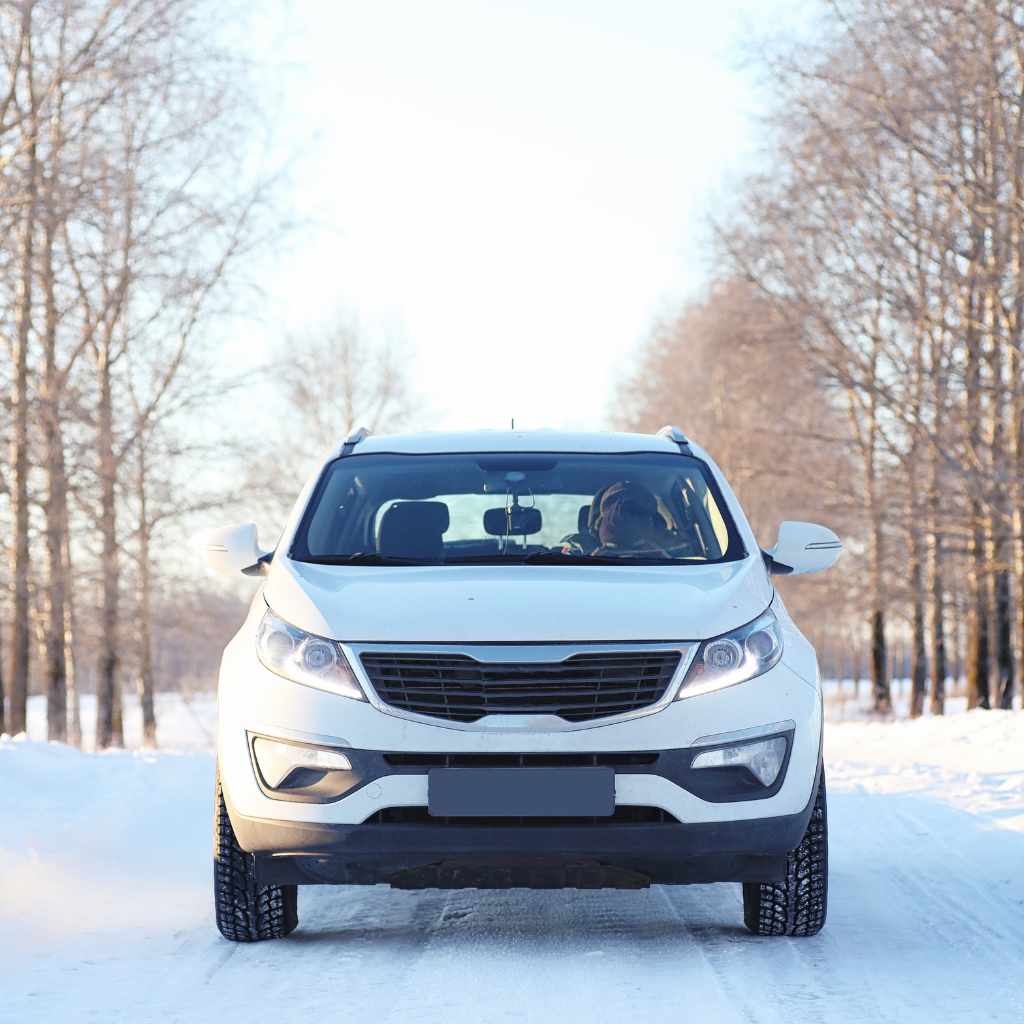
Thinking about getting a white car and wondering, Is White a Good Car Color? Pros and Cons? It’s a common question, especially for new drivers or those unfamiliar with car colors. Don’t worry, it’s simpler than you might think! This post will walk you through everything, making it easy to decide if white is the right choice for you. We’ll explore the main points so you can make an informed decision.
Advantages of a White Vehicle
White cars have many benefits that make them a popular choice. They can be a practical option for various reasons. From its ability to hide certain types of imperfections to its impact on a car’s temperature, white cars have several plus points. We’ll discuss these in more detail, exploring why white is a frequently chosen color.
Heat Reflectance and Temperature Management
One of the biggest advantages of a white car is its ability to reflect sunlight. This is because white surfaces don’t absorb as much heat as darker colors. When sunlight hits a white car, most of the light waves bounce off, keeping the car’s interior cooler. In contrast, dark-colored cars absorb a lot of sunlight, converting it into heat that warms the cabin. This temperature difference can impact your comfort and the need for air conditioning.
This is related to the concept of albedo, which measures how well a surface reflects light. White has a high albedo, meaning it reflects a large portion of the light. Dark colors, with low albedo, absorb more light. Consequently, white cars help lower the amount of solar heat gain inside the vehicle. This means you might find your car is more comfortable on hot days and reduces your need to use air conditioning.
- Reduced Interior Temperature: White cars often have a cooler interior, making the driving experience more comfortable.
- Less Air Conditioning Use: A cooler cabin means less need for air conditioning, saving fuel and energy.
- Good for All Climates: While especially beneficial in sunny regions, the heat-reflecting ability is also useful in areas with any sunlight.
This difference in heat absorption is significant. For example, studies have shown that in direct sunlight, a black car can get up to 20 degrees Fahrenheit hotter inside than a white car. This is a substantial variance and directly impacts comfort and energy use. Also, the difference extends beyond just comfort, impacting the lifespan of interior components like the dashboard and seats, which are susceptible to damage from intense heat.
Concealing Dirt and Scratches
White cars are surprisingly good at hiding minor imperfections. Dirt and dust are less visible on white compared to darker colors like black or dark blue. This can save you trips to the car wash and make your car look cleaner for longer. Small scratches and swirl marks are also harder to spot on a white surface. This doesn’t mean white cars are immune to showing wear, but they can maintain a cleaner appearance with less effort.
The way light interacts with the car’s surface is key. Scratches are less noticeable on white because they reflect light similarly to the surrounding surface. Darker colors, on the other hand, show scratches because they create a contrast that highlights the damage. The result is that white cars can look better for longer, especially if you have a busy lifestyle. You can often get away with washing a white car less often, without it looking obviously dirty.
- Less Visible Dirt: Dirt and dust are less obvious on white, keeping your car looking clean.
- Hiding Minor Scratches: Small scratches blend in better, improving the car’s overall appearance.
- Less Frequent Washing: You can wash your car less often and still maintain a clean appearance.
Consider the daily exposure your car gets. If you often drive on dusty roads or park outside where environmental conditions are a factor, the ability of white to mask dirt is a substantial benefit. A well-maintained white car can appear cleaner for a longer time compared to cars of other colors that require frequent cleaning to maintain their appearance. This aspect is especially important for those with less time for regular car care.
Safety and Visibility
White is a highly visible color. White cars stand out in various lighting conditions, making them more noticeable to other drivers. This enhanced visibility is a safety advantage, reducing the likelihood of accidents. This is particularly important at dawn and dusk, or in conditions with low visibility, like fog or heavy rain. The color’s ability to reflect light makes it easier for other vehicles to spot your car, potentially preventing accidents.
Visibility impacts how quickly other drivers perceive and react to your vehicle. High visibility colors like white contrast well with the road and surroundings. This contrast helps drivers recognize your car sooner, thus reducing the reaction time needed to take preventative measures. It’s also crucial at night, where proper headlights can reflect off white surfaces, making the car more prominent on the road.
- Increased Visibility: White cars are highly noticeable, enhancing safety.
- Reduced Accident Risk: Better visibility helps other drivers see you, which lowers accident chances.
- Optimal in Various Conditions: Useful in many lighting situations, including low-light environments.
Research from traffic safety organizations consistently shows a link between vehicle color and accident rates. While the correlation is complex, lighter-colored cars like white tend to be involved in fewer accidents compared to darker ones, thanks to the inherent visibility. Safety is often a key aspect for those considering which car color to purchase. Being more visible is also helpful for people who are newer drivers or if you frequently drive during peak traffic hours.
Drawbacks of a White Vehicle
While white cars come with significant advantages, there are some potential downsides to consider before choosing this color. From showing certain types of stains to possible aesthetic issues, understanding these factors helps provide a complete picture. We’ll explore the issues that may arise with a white car.
Showing Certain Stains and Discoloration
Despite its ability to hide dirt, white can show certain types of stains. Things like tree sap, bird droppings, and industrial fallout can be more visible on a white surface. The contrast between these dark-colored contaminants and the white paint can make them stand out. Prolonged exposure to such elements can even cause discoloration or staining that is difficult to remove. This means regular cleaning and prompt attention to spills are essential to maintain the car’s appearance.
White paint is not immune to damage. The porous nature of car paint allows substances to penetrate the surface over time. Unlike general dirt that can be wiped off, stains from organic matter can become permanent if not treated quickly. The acidity in bird droppings, for example, can eat into the clear coat and paint, leaving lasting marks. Also, contaminants can react with the paint’s pigments, resulting in discoloration. This may be difficult or costly to repair.
- Visible Stains: Dark-colored stains like tree sap are more noticeable on white.
- Potential Discoloration: Prolonged exposure to contaminants can lead to staining.
- Requires Prompt Cleaning: Regular cleaning to prevent stains from setting in.
Here’s a real-world example: A car parked under a tree will likely experience tree sap stains over time. The sap will be obvious, requiring immediate cleaning to prevent it from permanently damaging the paint. Regular cleaning, using a suitable car wash and potentially specialized cleaners, is crucial to manage this problem. If left untreated, the car can develop unsightly streaks or spots that impact its overall look and value.
Yellowing and Oxidation Concerns
Over time, white car paint can yellow or become oxidized, especially in environments with high sun exposure. Oxidation occurs when the paint’s surface reacts with sunlight and the environment, leading to a faded, dull appearance. This is more of a concern with older cars or vehicles exposed to the elements. While modern paints are more resistant, yellowing can still happen. Regular care, including waxing and protection from UV rays, is necessary.
The ultraviolet (UV) rays from sunlight are the main cause of paint oxidation. They break down the chemical bonds in the paint, causing the color to fade and the surface to look dull. Yellowing is a form of this, where the white pigment gradually degrades, resulting in a yellow tint. The process is accelerated by exposure to direct sunlight. The degree of this varies. The quality of the paint, climate conditions, and how the car is maintained determine how fast this happens.
- Fading: Long-term sun exposure can lead to fading and loss of color.
- Yellowing: White paint can gradually develop a yellowish tint over time.
- Oxidation: Paint becomes dull and less reflective, requiring attention and care.
A good example of this is a car parked outdoors without any protection. The sun will eventually cause the white paint to fade and yellow. Regular waxing and the use of UV protectants can significantly slow down this process. Without these protections, the car’s appearance will decline and its value may decrease, as the paint’s condition directly impacts the overall value and aesthetics of a vehicle. Keeping your car clean and well-protected is key to preventing these issues.
Resale Value Considerations
While white is generally a popular car color, resale values can vary depending on market trends and the specific type of white paint. Some buyers might prefer more unique or trendy colors, which could influence resale values. Also, the condition of the white paint itself plays a big role. Cars with yellowing or oxidation may fetch a lower price. Proper care and maintaining the paint’s condition can help keep your car’s resale value.
The resale value of a car is determined by several factors, including the color. While white is consistently among the most popular colors, other colors might be particularly fashionable at the time of sale. The specific type of white – such as metallic white or pearl white – can also influence the car’s worth. A well-maintained white car in good condition is likely to hold its value. Neglected paint, however, can make buyers hesitant, impacting resale prices.
- Market Trends: Preferences change; unique colors can have more value.
- Paint Condition: Yellowing or fading paint can decrease value.
- Care: Protecting and maintaining the paint helps preserve value.
For example, if a specific automotive brand launches a new white shade that becomes highly sought-after, cars in that particular white might have a better resale value. Conversely, if the paint has noticeable defects, the car may sell for less. Overall, maintaining the car’s appearance is important. It ensures the car looks its best and maximizes its value when you eventually decide to sell it. Remember, potential buyers carefully inspect the vehicle’s paint, which affects their final decision.
Types of White Car Paint
There are multiple varieties of white car paint. Understanding the differences between these types can affect the car’s appearance and maintenance. From basic solid white to more complex options like pearl or metallic, each has distinct features. We’ll explore various white paint types and their properties.
Solid White
Solid white is the most basic and typically the most affordable white car paint option. It’s a single-layer paint that offers a clean, classic look. Solid white is easy to repair. It is a good choice for those who value simplicity and cost-effectiveness. It usually lacks the sparkle or depth of other paint types, and may be less effective at hiding minor imperfections. However, solid white remains a popular and reliable choice.
Solid white consists of a single coat of paint. It does not include metallic flakes or pearlescent pigments. The simplicity of the paint makes it easy to repair. Simple touch-ups are often easier to blend. This type of paint can be more prone to showing scratches or chips than those with multiple layers. The advantage, though, is the lower cost. This makes it an appealing choice for budget-conscious buyers.
- Simple Composition: A single layer, making it easy to apply and repair.
- Cost-Effective: Generally more affordable than other paint options.
- Classic Look: Offers a clean, straightforward appearance.
In practice, a solid white car is easy to maintain with regular washing and waxing. However, if the car gets a scratch, it’s typically simple to repair with a paint pen or touch-up. This simplicity extends to the overall maintenance routine. Solid white is often the base paint available on entry-level models. It is a suitable option for drivers who want a clean, classic look without spending extra on more complex paints.
Metallic White
Metallic white paint has small metallic flakes mixed into the paint. These flakes reflect light, giving the car a shimmering, sparkling appearance, especially in sunlight. Metallic white offers a more luxurious look than solid white. It often has a deeper, richer finish. The addition of the metallic flakes can make it more resistant to scratches and chips. It’s a step up in terms of aesthetic appeal.
The metallic flakes are usually made of aluminum or other reflective materials. They are mixed into the paint base. As light hits the car, these flakes cause the paint to appear to shift and change color depending on the angle of view. Metallic paints usually need multiple layers and a clear coat to protect them, enhancing their durability. The paint’s depth helps it hide minor imperfections better than solid white. However, metallic paints may cost more.
- Shimmering Effect: Metallic flakes add a sparkling appearance.
- Deeper Finish: The paint often looks more luxurious and complex.
- Increased Durability: The paint resists scratches and chips more.
Imagine a sunny day when a metallic white car glitters as it drives down the street. The light plays off the metallic flakes, making the car visually appealing. Also, the added layers offer better protection against the elements, which makes the paint last longer. The enhanced appearance and durability of metallic white make it a strong choice. It’s ideal for drivers looking for a premium aesthetic and an extra layer of defense against minor damage.
Pearl White
Pearl white paint contains ceramic crystals or mica flakes. These create a lustrous, iridescent effect, giving the car a rich, multi-layered look. Pearl white often appears to change colors under different lighting conditions. This makes it a popular choice for those who want a premium, eye-catching finish. This paint type is generally the most expensive. Also, it may be more difficult to match during repairs.
The special pigments in pearl white reflect light in multiple directions, leading to the iridescent effect. This paint usually consists of several layers, including a base coat, pearl coat, and clear coat. Each layer provides depth and enhances the color shifts. Pearl white is typically a more complex and expensive option compared to solid or metallic paints. This complex composition requires extra skill to apply during the manufacturing process and repairs.
- Iridescent Effect: Provides a rich, multi-layered look that can change.
- Premium Look: Highly appealing with a distinctive, luxurious appearance.
- Advanced Composition: The most complex and expensive paint type.
Consider a pearl white car parked under streetlights at night. The colors will shimmer and shift as the light moves, giving it a captivating visual effect. Although it can be more challenging to match, the extra cost is worthwhile for drivers seeking a luxurious and unique look. The sophisticated finish and depth of color makes pearl white an excellent option for car owners who value aesthetics and distinctive styling.
Car Color Comparison Table
The table compares car colors to help decide whether white is the right choice for you. It includes pros, cons, and other relevant details about different car colors.
| Feature | White | Black | Silver | Red |
|---|---|---|---|---|
| Visibility | High | Low | Medium | Medium |
| Heat Absorption | Low | High | Medium | Medium |
| Dirt Visibility | Medium | High | Low | Medium |
| Scratch Visibility | Low | High | Low | Medium |
| Resale Value | Good | Good | Good | Variable |
| Maintenance | Moderate | High | Low | Moderate |
Frequently Asked Questions
Question: Is white car paint difficult to maintain?
Answer: White cars require regular cleaning. You will need to remove stains like tree sap and bird droppings promptly, especially compared to colors like silver or gray.
Question: Does white car paint fade easily?
Answer: White paint can fade or yellow over time, particularly under direct sunlight. Regular waxing and UV protectants help slow down this process.
Question: Are white cars safer?
Answer: White cars are generally more visible. This enhanced visibility can reduce the risk of accidents compared to darker colored cars.
Question: What’s the difference between solid white, metallic white, and pearl white?
Answer: Solid white is the base color. Metallic white has tiny metallic flakes for a shimmer, while pearl white has iridescent pigments for a multi-layered effect.
Question: Does white car color affect resale value?
Answer: White is often a popular choice and can maintain its value well. But, the condition of the paint and changing market trends play a part.
Final Thoughts
Choosing a car color is personal. Deciding Is White a Good Car Color? Pros and Cons involves balancing the advantages and disadvantages. White cars offer benefits such as reflecting heat, enhanced visibility, and hiding minor imperfections. On the flip side, white cars are prone to showing stains, yellowing, and their resale value can vary. The type of white paint also matters, with options like solid, metallic, and pearl each having specific qualities.
Before making a decision, consider your lifestyle, climate, and how much time you are willing to spend on car care. White can be an excellent choice if you live in a sunny area and value safety and a clean appearance. However, if you are concerned about specific stains or plan to have a car that spends time in harsh outdoor environments, you should be aware of the extra care it may need. Ultimately, the best car color is the one that best suits your needs and preferences, so weigh these factors to make a decision.