OEM Car Audio vs Aftermarket Car Audio
OEM Car Audio wins on factory fit and low hassle. Aftermarket Car Audio wins on sound and upgrade headroom. For vehicles under five years old, a hybrid upgrade often gives a good balance. Pick the wrong path and you can lose steering-wheel controls, safety features, or spend more than the car audio is worth. Here’s how OEM, aftermarket, and hybrid setups compare on integration, sound quality, cost, and vehicle age.
| Factor | OEM Car Audio | Aftermarket Car Audio | Winner |
|---|---|---|---|
| Fitment and dash integration | Vehicle-specific fit, factory screen, and native control layout | Requires dash kit, wiring adapters, and model-specific parts | OEM Car Audio |
| Sound quality and bass potential | Good in some premium trims, limited tuning in base systems | More power, more tuning, more bass options | Aftermarket Car Audio |
| Installation complexity | Low if left stock | Ranges from speaker swap to full head-unit replacement | OEM Car Audio |
| Cost | No upgrade cost, but limited change | Costs vary by head unit, amp, speakers, and interfaces | OEM Car Audio |
| Steering-wheel controls and vehicle settings | Retained by default | Often needs an integration module | OEM Car Audio |
| Best fit by vehicle age | Newer cars with climate and camera tied to the screen | Older cars and simpler dash layouts | Depends on the vehicle |
Factory systems versus third-party audio upgrades
OEM Car Audio is the factory-installed system built around the vehicle’s dash, wiring, and controls. Aftermarket Car Audio uses third-party audio brands, so it can replace the head unit, speakers, amplifier, or only part of the system. The right choice depends on how much factory integration you want to keep.
What OEM car audio means
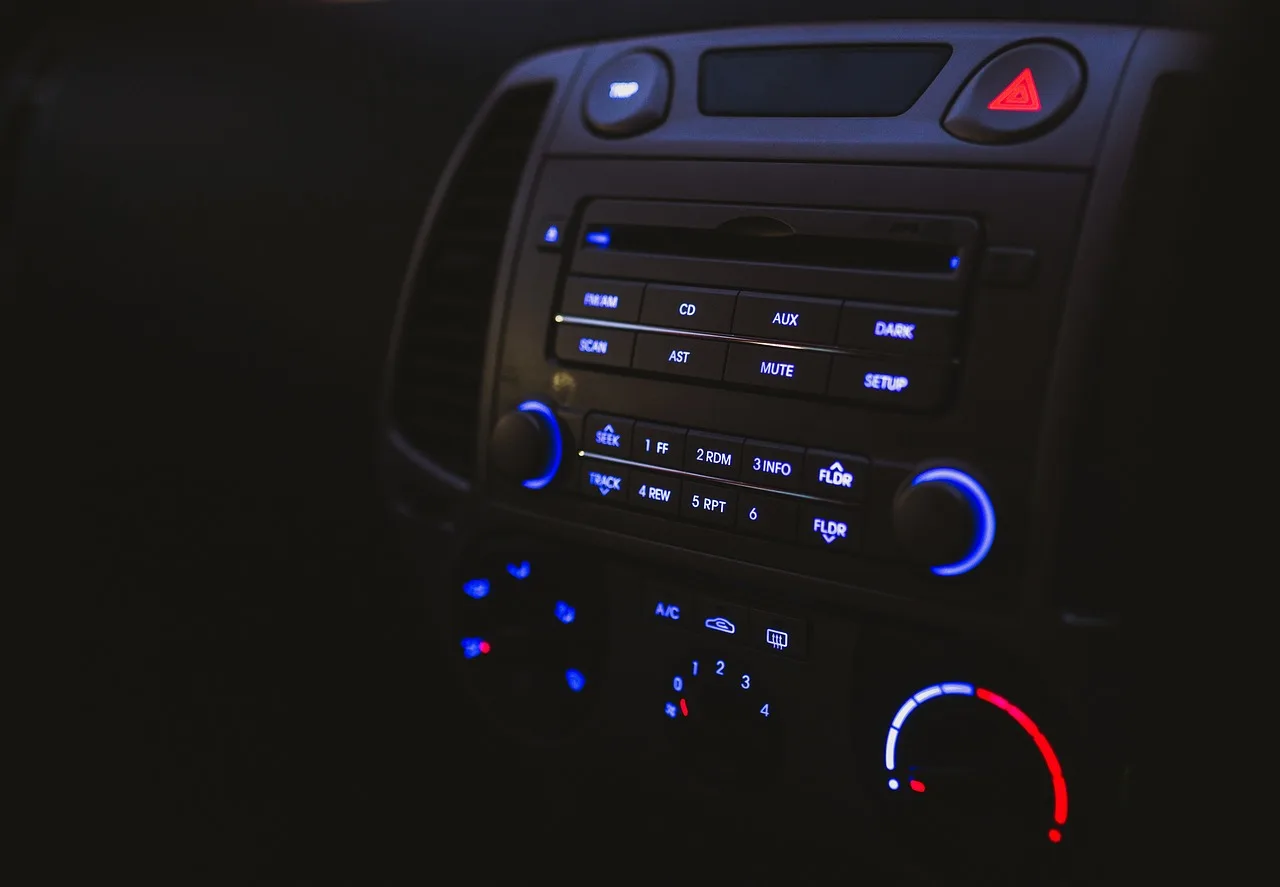
An OEM car audio system is the audio equipment installed by the vehicle manufacturer. Factory systems can include the head unit, door and dash speakers, wiring harness, and a separate amplifier on higher trims. That matters because the system is designed to fit the car and communicate with its other electronics.
What aftermarket car audio means
Aftermarket car audio uses equipment made by audio companies instead of the carmaker. It can be a simple speaker upgrade, a new head unit, or a full build with an amplifier and subwoofer. Aftermarket receivers may include features such as Apple CarPlay, Android Auto, an EQ, and RCA pre-outs.
Why the right answer depends on the vehicle
The gap between OEM and aftermarket is not the same in every car. A base model with a plain radio is an easy upgrade target, while a newer vehicle with a factory screen may lose climate controls, backup camera access, parking sensors, warning chimes, or vehicle settings if you remove that screen.
Audio comparison matrix
The key split is between keeping factory behavior and chasing more control. OEM Car Audio usually wins on integration and simplicity, while Aftermarket Car Audio wins when you want stronger sound, more bass, and better source features. A hybrid path often lands in the middle.
| Decision factor | OEM Car Audio | Aftermarket Car Audio | Winner |
|---|---|---|---|
| Fitment | Built for the dash and factory trim | Needs adapter parts and correct sizing | OEM Car Audio |
| Sound quality | Strong in some premium systems, modest in base trims | Can improve clarity, staging, and output | Aftermarket Car Audio |
| Bass potential | Limited unless the factory system is already premium | Easy to add amplifier and subwoofer support | Aftermarket Car Audio |
| Phone integration | Depends on model year and trim | Often includes Apple CarPlay and Android Auto | Aftermarket Car Audio |
| Steering-wheel control retention | Native | Often needs a steering wheel control integration module | OEM Car Audio |
| Installation complexity | Lowest if unchanged | Higher, especially with full head-unit swaps | OEM Car Audio |
| Cost | No upgrade spend | Parts and labor add up fast | OEM Car Audio |
| Resale impact | Usually easier to return to stock | Depends on reversibility and install quality | OEM Car Audio |
Fitment and dash integration
OEM Car Audio fits the car by design, so the dash, trim, and menus line up cleanly. Aftermarket Car Audio can still fit well, but single DIN and double DIN openings differ in height, and some floating-screen receivers need extra depth. That adds parts and planning.
Sound quality and bass potential
Aftermarket Car Audio usually has the stronger ceiling because a separate amplifier typically adds 50 watts RMS or more per channel, while an aftermarket head unit’s built-in amplifier usually makes about 14 to 22 watts RMS per channel. OEM systems can still sound good, especially in premium trims, but they are often tuned around fixed factory choices. If the goal is real bass, aftermarket has more room to grow.
Installation complexity and cost
OEM Car Audio wins on simplicity because leaving it alone costs nothing and avoids hidden compatibility problems. Aftermarket Car Audio can be as simple as speakers, or as involved as a head unit, amp, subwoofer, wiring, and interfaces. The more you change, the more the labor bill rises.
Steering-wheel controls and resale impact
Many factory systems keep steering-wheel buttons, vehicle settings, and warning tones working with no extra parts. A full aftermarket swap often needs a steering wheel control integration module, and that module is vehicle-dependent. Resale usually favors reversibility, so a cleanly reversible upgrade is safer than a hacked-in dash job.
What changes with a factory system?
Factory audio is more than a radio in many newer cars. The head unit may control climate, backup camera display, chimes, and settings, so replacing it can create side effects that go beyond sound. That is why a factory swap is not always a simple upgrade path.
Factory head unit duties in newer cars
In many newer vehicles, the factory head unit handles climate controls, backup camera display, parking sensors, warning chimes, and vehicle settings. It also fits the dash exactly and often sends speaker-level outputs to the rest of the system. Remove it, and you may need extra modules to keep the car functional.
Factory amplifier behavior in premium trims
Some premium OEM systems use a factory amplifier with cabin-specific equalization. Some premium OEM systems run speakers at 2 ohms instead of the usual 4 ohms, which changes how replacement speakers and amplifiers should be matched. A random speaker swap can make the sound thinner, not better.
Speaker impedance and signal matching
Speaker impedance matters because the factory system and the replacement parts need to agree on load and signal type. A 2-ohm premium OEM setup may not behave like a typical 4-ohm aftermarket speaker. If you change only one piece, the result can be weak output or poor tonal balance.
What changes with an aftermarket system?
Aftermarket Car Audio changes the signal chain. Instead of accepting the factory layout as-is, you choose the source unit, amplification, speakers, and tuning path. That gives you more control, but it also means you must match the parts correctly.
Aftermarket receiver features and pre-outs
An aftermarket receiver often brings Apple CarPlay, Android Auto, a 13-band EQ, and 4 or 5 volt RCA pre-outs. Those higher-voltage outputs give an amplifier a cleaner signal path than a bare speaker-level feed. That is useful if you want a system that sounds stronger without fighting noise or clipping.
When a line output converter is enough
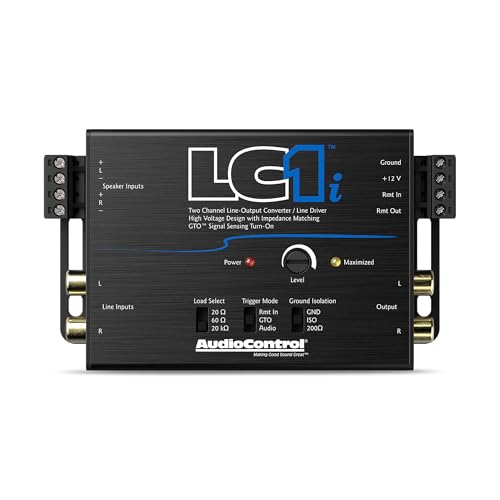
Factory radios often require a line output converter or DSP with speaker-level inputs to add an amplifier. A LOC converts speaker-level signal to RCA signal so the amp can accept it. For a straightforward bass or speaker upgrade, that can be the cleanest way to keep the factory head unit.
When a DSP makes the upgrade cleaner
A DSP does more than convert signal. It accepts speaker-level inputs, corrects the signal, and adds tuning tools that can fix factory equalization problems. In partial and advanced aftermarket builds, that can be the difference between loud and actually balanced.
Suppose a 2019 crossover keeps its factory screen because climate controls live there, but the owner adds a subwoofer through a LOC. The bass can improve without breaking the dash functions. A full radio swap in that same vehicle is the one that risks the backup camera and chimes.
Which sounds better?
Aftermarket Car Audio can sound better than factory audio, but not by default. The result depends on how the parts match, whether the signal chain is clean, and whether the system is tuned. A poor speaker swap or bad gain setting can sound worse than the stock setup.
Base OEM systems versus partial upgrades
Base OEM systems often leave room on the table because the factory amp, if there is one, is modest and the tuning is generic. A partial upgrade, such as better speakers plus a suitable amp or DSP, can make a major difference without deleting the dash unit. That is the smartest path for many newer cars.
Premium OEM systems versus full replacements
Premium factory systems are different. With a factory amplifier, cabin-specific EQ, and sometimes 2-ohm speakers, the stock sound can already be strong enough that a full replacement is not automatically better. A full aftermarket system can beat it, but only if the signal path and tuning are rebuilt correctly.
Why tuning can matter more than brand names
Good parts do not fix bad setup. Mismatched impedance, weak factory signal correction, or the wrong crossover points can create thin mids, harsh highs, or muddy bass. In audio, the final tuning often matters more than the badge on the box.
Decision matrix
This matrix separates three paths that are often mixed together: staying stock, upgrading part of the system, or replacing the whole front end. Use it to match the path to the car, not the other way around. The best choice changes with age, dash integration, and how much factory tech is tied to the screen.
| Criteria | OEM Car Audio | Partial aftermarket | Full aftermarket | Best choice by scenario |
|---|---|---|---|---|
| Fitment | Best | Very good | Good if the kit is right | Older cars: Full aftermarket |
| Sound quality | Average to very good | Very good | Best ceiling | Newer infotainment-heavy cars: Partial aftermarket |
| Bass potential | Limited | Strong | Strongest | Premium factory systems: Partial aftermarket |
| Phone integration | Depends on vehicle | Depends on the retained radio | Best modern features | Bass-focused builds: Full aftermarket |
| Steering-wheel control retention | Native | Usually retained | Needs a module | Older cars: Full aftermarket |
| Installation complexity | Lowest | Moderate | Highest | Newer infotainment-heavy cars: Partial aftermarket |
| Cost | Lowest | Middle | Highest | Premium factory systems: Partial aftermarket |
| Resale impact | Best if stock matters | Often good if reversible | Depends on install quality | Newer infotainment-heavy cars: Partial aftermarket |
Choose OEM Car Audio if…
Choose OEM Car Audio if you want the cleanest factory fit, you rely on the screen for climate or camera functions, or your car already has a premium system that sounds good enough. It is also the safer choice when resale, factory features, and low hassle matter more than maximum output.

Choose Aftermarket car Audio if…
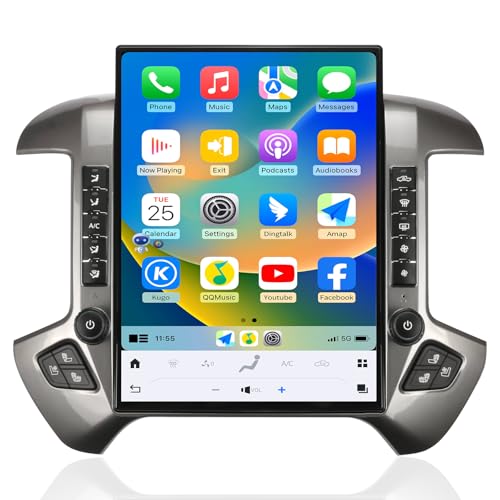
Choose Aftermarket Car Audio if the car is older, the factory system sounds weak, or you want Apple CarPlay, Android Auto, more bass, and more tuning control. It is the better path when you are ready to add an amplifier, a subwoofer, or a full DSP-based signal chain.
A common first-timer mistake is swapping only the speakers in a premium factory system and expecting a dramatic upgrade. If the factory amp was tuned for 2-ohm speakers, a random 4-ohm replacement can sound flatter and quieter. Matching the whole signal path matters more than buying one expensive part.
Frequently asked questions
What is an oem vs aftermarket?
OEM means the part or system came from the vehicle manufacturer; aftermarket means it came from a third-party company. In car audio, OEM Car Audio is the factory setup, while Aftermarket Car Audio covers replacement radios, speakers, amplifiers, subwoofers, and integration parts made outside the carmaker.
What is the difference between OEM and aftermarket car audio?
The difference is integration versus flexibility. OEM Car Audio is built to fit the vehicle and work with its factory controls. Aftermarket Car Audio gives you more options for source units, power, tuning, and bass, but it usually adds wiring work and may need extra interfaces.
Is OEM car audio better than aftermarket?
OEM Car Audio is better when you care most about factory behavior, easy fitment, and keeping every vehicle function intact. Aftermarket Car Audio is better when sound quality, bass, and modern phone features matter more. The better choice depends on whether your car’s screen controls other systems.
Does aftermarket car audio sound better than factory audio?
Often yes, but only when the parts and tuning are matched correctly. A cleaner amplifier signal, proper speaker impedance, and good crossover settings can beat a factory system. A bad install can do the opposite, especially if the factory radio still sends an uneven signal.
Will aftermarket car audio affect resale value?
It can, especially if the work is hard to reverse or removes factory features. A neat, reversible upgrade is less likely to hurt value than a hacked dash or a missing screen. OEM Car Audio usually keeps resale expectations simpler because the car remains stock.
Can I keep steering wheel controls with an aftermarket stereo?
Yes, but you usually need a steering wheel control integration module. That module must match the vehicle, and some cars need additional adapters to keep chimes, camera functions, or other screen-based features. Without the right module, the wheel buttons may stop working.
Products related to this article
Sponsored / affiliate links. As an Amazon Associate I earn from qualifying purchases. I may earn additional commission from eligible campaigns.