OEM Floor Mats vs Aftermarket Floor Mats: Which Fits Best
OEM mats are the safest pick for factory-perfect fit and lease returns; custom-fit aftermarket mats often provide equal or better winter protection for less money; universal mats are only the cheapest low-risk choice if trimming and some fit loss are acceptable. Bad fit lets slush, salt, and grit reach carpet, and loose mats can interfere with pedals. I have pulled too many mats out of footwells to trust a sloppy one. This guide compares OEM, custom-fit aftermarket, and universal mats on fit, cleaning, winter use, safety, and resale value.
This guide is part of our Car exterior accessories guide series.
OEM floor mats vs aftermarket floor mats: the real trade-off

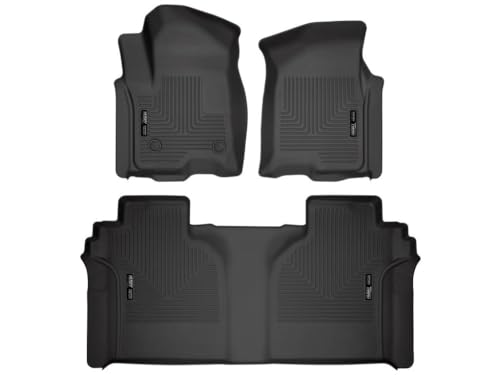

OEM floor mats are built for the vehicle as delivered from the factory, while aftermarket mats are built by other companies for the same model or for a wider group of vehicles. The real choice is not brand loyalty; it is whether you want the most factory-correct fit and look, or more coverage, better spill control, and easier cleanup.
| Decision factor | OEM Floor Mats | Aftermarket Floor Mats | Winner |
|---|---|---|---|
| Fit and anchor compatibility | Vehicle-specific factory fit; designed to work with factory anchor points | Can fit very well when model-specific, but clip match varies by brand and model | OEM Floor Mats |
| Spill and mud containment | Usually flatter, with limited coverage beyond the floor area | Raised-edge liners can hold slush, water, and debris better | Aftermarket Floor Mats |
| Cleaning burden | Carpet styles need vacuuming and can hold moisture and odor | Rubber and TPE styles rinse quickly and dry faster | Aftermarket Floor Mats |
| Original interior look | Matches factory styling closely | More color and style choices, but less factory-original | OEM Floor Mats |
| Winter and salt use | Acceptable for light use, less ideal for deep slush | Better for rain, snow, road salt, and repeated wet cleanup | Aftermarket Floor Mats |
| Risk from bad fit | Lower, assuming original retention parts are intact | Higher if cheap, generic, or poorly molded | OEM Floor Mats |
What OEM mats do well and where they fall short
OEM stands for Original Equipment Manufacturer, and in automotive parts it refers to parts installed during vehicle construction. Kata describes OEM mats as designed by the automaker for a specific vehicle model, and they usually work with factory anchor points. That gives them the cleanest factory look and the least guesswork. (en.wikipedia.org)
The limitation is coverage. Kata notes that OEM mats usually cover only the flat floor area, so they do less to contain slush and pooled water than raised-edge liners. Carpet OEM mats also absorb moisture, which means more odor risk and more time spent drying them after a wet week.
What custom-fit aftermarket mats do well and where they can fail
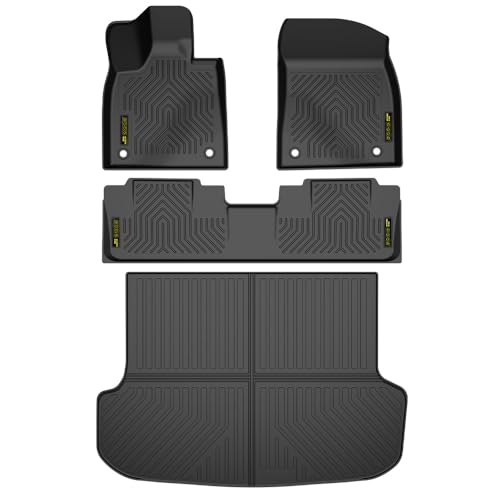
Aftermarket parts are made by companies other than the OEM. Custom-fit aftermarket mats are model-specific third-party mats that can use TPE, PVC, or rubber, and Kata notes they can include raised edges for better spill protection. That is why they often make more sense for bad weather and messy passengers.
They can fail in predictable ways. Kata warns cheap aftermarket mats may smell in hot weather, and quality varies widely across aftermarket brands. Poor clips, warped edges, or a slightly off pattern can create the same problem from the opposite direction: a mat that moves when it should stay put.
According to factoryoemparts.com — Factory OEM Parts lists an aftermarket carpet floor mat set at $39.95.
Why fit matters more than brand origin

Fit determines whether a mat stays under the pedals, seals the high-wear areas, and actually protects the carpet. A mat that shifts or curls up can be worse than a plain floor because it creates both a safety problem and a maintenance problem.
Factory anchor points and clip compatibility
Factory anchor points are the retention clip interface built into many vehicles to keep mats in place. Kata says OEM mats work with factory anchor points, and that matters because a proper clip match prevents movement during heel-to-toe pedal work and daily entry and exit.
Aftermarket mats can work with factory anchors when the pattern is right, but the match is not universal. If the mat expects a different clip shape, the mat may lift, slide, or sit slightly off-center, which defeats the whole point of a model-specific design.
Coverage gaps, curl-up, and shifting risk
Coverage gaps usually show up at the outer heel area, around the dead pedal, and at the second-row edges. Once dirt works into those gaps, cleanup becomes more frequent and the carpet below sees more wear. Curl-up is worse in heat, where a thin material can deform and leave the edge exposed.
Shifting risk is the real safety issue. A mat that creeps forward can sometimes obstruct throttle travel or change pedal feel, even if it seems fine when parked. Good mats should never crowd the pedals or catch a shoe on the way down.
When universal mats become a bad fit
Universal mats are usually more general in size and shape, so they can require trimming and may shift more easily. They can be acceptable as a stopgap, but they are usually excluded from serious comparison because they sacrifice too much fit, retention, and coverage.
For a car that sees wet boots, child seats, or frequent passenger turnover, that generic fit is a poor bargain. The savings vanish quickly if the mat needs constant repositioning or replacement.

Which material works best in your climate?

Material choice changes how a mat behaves in heat, slush, road salt, and cleanup. Carpet, rubber, TPE, and PVC each solve a different problem, and each creates a different burden once the season turns wet or dirty.
Carpet mats in dry, mild use
Carpet floor mats give the most factory-style look. They work well in dry climates and light-duty commuting, but they absorb moisture, trap grit in the fibers, and hold odor longer than non-carpet options. In real ownership, that means more vacuuming and earlier wear lines.
Rubber and TPE mats for rain, snow, and salt
Rubber and TPE are often a practical choice for wet weather. TPE floor mats are water-resistant and easy to rinse clean, which is why they are common among custom-fit aftermarket mats. Rubber does the same job with a more traditional all-weather feel, though some pieces are heavier and can hold road grime in their texture.
In slush season, raised edges matter as much as the material. A flat rubber mat can still let meltwater run off the sides, while a liner with side walls keeps mess contained until it is dumped out.
PVC and lower-cost materials: where they hold up and where they do not
PVC can work in a budget setup, but low-end versions are where fit and smell problems show up first. Heat can make cheap pieces softer, and that softness can turn into curling, warping, or a lingering odor in hot weather. That is a poor trade if the vehicle sits in direct sun.
Better PVC or blended materials can be serviceable, but they still need close inspection for edge stiffness, pedal clearance, and retention hardware. If those details are weak, the material choice stops mattering.
Are OEM floor mats better than aftermarket floor mats?
OEM floor mats are often better when the goal is a factory-like look, a close model fit, and fewer questions at lease return. Aftermarket floor mats are better when the goal is more coverage, better wet-weather containment, and a lower-cost path to all-weather protection. The better choice depends on use, not the badge.
Original look and vehicle-specific cut
OEM mats usually win for appearance because they match the cabin trim and the original interior styling. That matters in premium cars and in vehicles that are kept stock for resale or lease return. The cut is usually conservative, which helps with fit but limits coverage.
Limited spill containment versus raised-edge liners
OEM carpet mats and standard rubber mats often stop at the flat floor area. That makes them fine for dust and dry debris, but not as effective against spilled drinks, slush, or melted snow. Raised-edge liners do a better job when the mess is liquid or semi-liquid.
When OEM mats are worth the price
OEM mats are worth the higher price when the owner wants factory-correct appearance, expects a lease inspection, or simply wants the least uncertainty around fit. They are also the safest choice when the original anchor system is intact and the vehicle spends most of its life clean and dry.
Do aftermarket floor mats fit as well as OEM mats?
Custom-fit aftermarket floor mats can fit about as well as OEM mats, and sometimes offer better coverage if the pattern is truly model-specific. The risk is quality control. A good pattern and good retention parts produce a tight result; a poor one creates gaps, curl-up, or clip mismatch.
Custom-fit third-party mats and model-specific patterns
Model-specific aftermarket mats are cut for a particular vehicle, not a broad range of vehicles. That is why many of them come close to OEM fit while adding deeper channels, thicker edges, or more coverage around the footwell. The fit is only as good as the pattern and the mold behind it.
Raised edges, side walls, and retention hardware
Raised edges and side walls are the main advantage here. They help trap water and grit before it spreads into the carpet or onto the sill plates. Many good aftermarket mats also use anti-slip backing and clips, which helps them stay in place when the vehicle is wet.
Common failure cases: odor, warping, and clip mismatch
Cheap mats can smell, especially in hot weather. That matters because cabin heat makes the problem obvious fast. Warping is another common failure, especially on thin mats that see repeated sun exposure, and clip mismatch can leave a mat feeling secure until the first hard stop or wet commute.
How protection affects cleanup and resale value
Better mat protection lowers cleanup burden and helps preserve the carpet underneath. That matters at lease return, trade-in, and resale because stains, salt residue, and worn fibers make the interior look tired even when the rest of the car is sound.
Mud, slush, and liquid containment
When a mat contains the mess, cleanup becomes a lift, dump, rinse, and dry job instead of a carpet extraction job. Raised-edge liners usually win here because they hold the liquid in one place long enough for the owner to remove it without spreading it deeper into the footwell.
Moisture under the mat and carpet staining
Moisture trapped under carpet mats can leave a stain halo, mildew smell, or flattened pile. That damage is easy to miss until the mat comes out. Rubber and TPE reduce that risk because they do not soak up water the way carpet does.
How cleaner factory carpet helps at trade-in or lease return
Cleaner carpet is easier to photograph, inspect, and appraise. Lease inspectors and used-car buyers both notice floor condition because it signals how the rest of the cabin was treated. Floor mats are one of the cheapest ways to keep that hidden layer of wear from becoming visible.
Choose OEM Floor Mats if… / Choose Aftermarket Floor Mats if…
Choose OEM Floor Mats if the vehicle is leased, the cabin is kept dry, or the owner wants the exact factory look with the least fit uncertainty. Choose Aftermarket Floor Mats if the car sees snow, rain, kids, work boots, or ride-hail duty, and better spill containment matters more than original styling.
Choose OEM Floor Mats if…
- The vehicle is headed for lease return and you want the cleanest stock presentation.
- Factory styling matters more than deep spill containment.
- The cabin sees light duty, dry-weather commuting, or mostly clean shoes.
- You want the closest match to the original anchor system and interior trim.
Choose Aftermarket Floor Mats if…
- You drive through rain, snow, slush, or road salt.
- You want raised edges and side walls for better containment.
- You need faster cleanup after kids, pets, job sites, or ride-hail use.
- You are willing to inspect fit closely and avoid bargain-bin generic mats.
Where universal mats fit, if they fit at all
Universal mats only make sense when the budget is tight and the buyer accepts trimming, imperfect coverage, and more frequent repositioning. They are not the right answer for pedal safety, serious winter use, or vehicles where interior condition affects resale.
Buyer matrix: pick the right mat for your use case
This matrix scores the three mat types by real ownership outcomes. Higher scores mean better performance for that use case, with fit risk and cleanup burden shown separately so the trade-off is obvious.
| Use case | OEM Floor Mats | Custom-fit Aftermarket Mats | Universal Mats | Best pick |
|---|---|---|---|---|
| Daily commuter | Good | Very good | Fair | OEM or custom-fit aftermarket |
| Winter driver | Fair | Excellent | Poor | Custom-fit aftermarket |
| Family hauler | Good | Excellent | Poor | Custom-fit aftermarket |
| Lease return | Excellent | Good | Poor | OEM |
| Rideshare | Fair | Excellent | Poor | Custom-fit aftermarket |
| Off-road | Fair | Excellent | Poor | Custom-fit aftermarket |
| Luxury interior | Excellent | Good | Poor | OEM |
| Budget | Fair | Good | Good if fit is acceptable | Universal or lower-cost aftermarket |
Fit-risk and cleanup-burden checklist
- Check whether the mat uses the correct factory anchor points for the vehicle.
- Confirm there is no curl-up at the throttle, brake, or clutch area.
- Look for full coverage in the heel area and around the dead pedal.
- Choose raised edges if the vehicle sees rain, snow, pets, or children.
- Avoid thin, generic mats if trimming is likely to expose carpet.
- Prefer TPE or quality rubber when rinse-clean convenience matters most.
- Inspect for odor before summer heat makes it worse.
- Make sure the mat can be removed and dried without soaking the carpet below.
Frequently asked questions
Are OEM floor mats better than aftermarket floor mats?
OEM mats are better for factory appearance, original anchor compatibility, and lease-return peace of mind. Aftermarket mats are better when the goal is deeper coverage, raised edges, and easier cleanup in wet weather. The better choice depends on whether the priority is stock presentation or real-world mess control.
Do aftermarket floor mats fit as well as OEM mats?
Good custom-fit aftermarket mats can fit extremely well, and some provide more coverage than OEM pieces. The risk is inconsistency: a cheaper mat may miss anchor points, shift underfoot, or leave gaps at the edges. Fit quality depends on the pattern, material stiffness, and hardware.
Are custom-fit aftermarket floor mats safer than universal mats?
Yes, custom-fit aftermarket mats are usually safer than universal mats because they are shaped for a specific vehicle and more likely to line up with factory anchor points. Universal mats bring more trimming risk, more movement, and a greater chance of pedal interference if the fit is loose.
Do OEM floor mats protect better than all-weather mats?
OEM mats protect better only when the mess is light and dry. All-weather mats, especially raised-edge liners, usually protect better against slush, mud, salt, and spilled liquid because they contain the mess instead of letting it spread across the footwell.
Will aftermarket floor mats work with factory anchor points?
Some will, some will not. The important issue is clip compatibility, not the word aftermarket itself. Quality model-specific mats are often designed to work with factory anchor points, while generic or low-cost mats may skip the correct retention interface entirely.
Can floor mats affect resale value?
Yes. Floor mats help preserve the carpet underneath, and clean carpet makes the interior look younger at trade-in or resale. Stain prevention, less salt damage, and fewer wear marks all help the cabin present better, which can influence how a buyer or appraiser judges the car.
Products related to this article
Sponsored / affiliate links. As an Amazon Associate I earn from qualifying purchases. I may earn additional commission from eligible campaigns.