Oil Leak After Hail Or Underbody Damage: Pro Next Steps
It can be super stressful when you notice an oil leak after hail or finding damage underneath your car. For many car owners, especially those new to dealing with car issues, figuring out what to do next feels overwhelming. This situation, Oil Leak After Hail or Underbody Damage: Pro Next Steps, is more common than you might think.
Don’t worry, we’ve got a simple plan to help you sort it out easily, step by step. We’ll cover everything you need to know to get your car back in great shape.
Spotting Oil Leaks After Hail Or Underbody Damage
This section helps you understand how hail and underbody impacts can lead to oil leaks. We’ll look at the common places where damage might occur and what signs to watch for. Knowing these early indicators can save you a lot of trouble down the road.
How Hail Causes Oil Leaks
Hail, with its unpredictable size and force, can cause dents and punctures in various parts of your car. When hail strikes the underside of your vehicle, it’s often the oil pan, oil filter housing, or even the oil cooler lines that bear the brunt of the impact. These components are critical for holding and circulating your engine’s lifeblood.
A direct hit can crack the oil pan, loosen the oil filter seal, or rupture a fragile oil line. These breaches allow the engine oil to escape, leading to a noticeable leak. Even seemingly small dents can compromise the integrity of these parts over time, causing leaks to develop later.
The unpredictability of hail means that damage might not always be obvious. Sometimes, a dent might look minor, but it could be enough to stress a seal or gasket. Other times, a sharp piece of debris carried by hail could puncture a softer component like a plastic oil pan.
Direct Impact on Oil Pan: The oil pan is the lowest part of the engine and is highly susceptible to damage from falling hail. A strong impact can cause the metal to crack or deform, creating an opening for oil to leak out. This is often one of the most common culprits after a severe hailstorm.
A cracked oil pan can result in a significant and rapid loss of oil. If you see a large puddle forming under your car, the oil pan is a primary suspect. Early detection is key to preventing engine damage from oil starvation.
Damage to Oil Filter Housing: The oil filter screws into the engine block, and its housing can also be damaged. A hard hit could misalign the filter, damage the gasket, or even crack the housing itself. This can cause oil to seep out around the filter.
A leaking oil filter can sometimes be mistaken for a leak from the oil pan, but it’s a distinct issue. It’s important to differentiate between the two to ensure the correct repair is made. A loose oil filter or a damaged seal can lead to a slow but steady oil loss.
Compromised Oil Cooler Lines: Many vehicles have oil coolers to help regulate engine oil temperature. The lines connecting the cooler to the engine can be made of metal or reinforced rubber. Hail impacts, especially if they involve sharp debris, can puncture or fracture these lines, causing oil to leak.
Oil cooler lines are often routed along the underside of the vehicle and are exposed. Damage here can lead to leaks that may be more difficult to spot initially, as they might spray onto other components.
Underbody Impacts And Their Consequences
Besides hail, hitting curbs, speed bumps, debris on the road, or even rough terrain can cause damage to the underside of your car. This kind of impact can affect not only the oil pan but also other vital components like the transmission, exhaust system, and suspension. When these parts are hit, they can be bent, cracked, or dislodged, leading to leaks.
A common scenario is scraping a speed bump or a low curb, which can shear off or puncture the oil pan.
The underbody of a vehicle is a complex area with many lines and containers holding fluids. A single strong impact can cause a cascade of potential problems, with an oil leak being one of the most critical.
The Oil Pan’s Vulnerability: Similar to hail, direct impacts on the road can strike the oil pan. This is especially true for vehicles that are lower to the ground or driven on uneven surfaces. The metal can be dented, bent, or punctured, leading to an oil leak.
A deformed oil pan might still hold oil initially, but the stress on the metal and seals can lead to leaks over time. It’s crucial to have any significant dents inspected.
Cracked or Damaged Engine Mounts: While not directly related to holding oil, damaged engine mounts can cause the engine to sag. This can put stress on other components, including the exhaust system and potentially shift the position of the oil pan or filter, making them more vulnerable to impact.
A sagging engine can also cause the exhaust system to scrape the ground, leading to further damage and potential leaks of exhaust gases or even oil if oil lines are affected.
Impact on Transmission or Differential Components: Some vehicles have external transmission coolers or differential housings that can be damaged by underbody impacts. While not directly an engine oil leak, damage to these can lead to leaks of transmission fluid or gear oil, which are also critical fluids.
Transmission fluid leaks can cause gear shifting problems and eventually lead to transmission failure if not addressed promptly.
Signs Of An Oil Leak
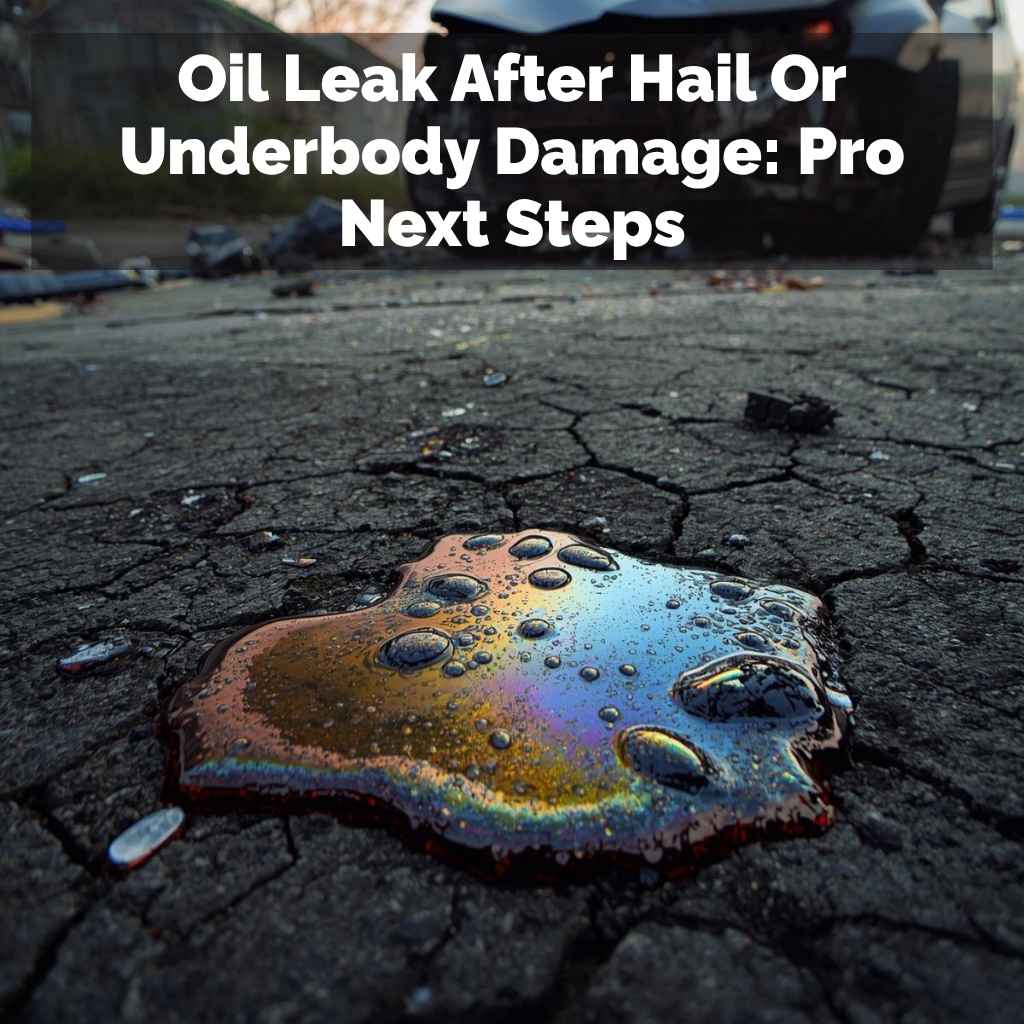
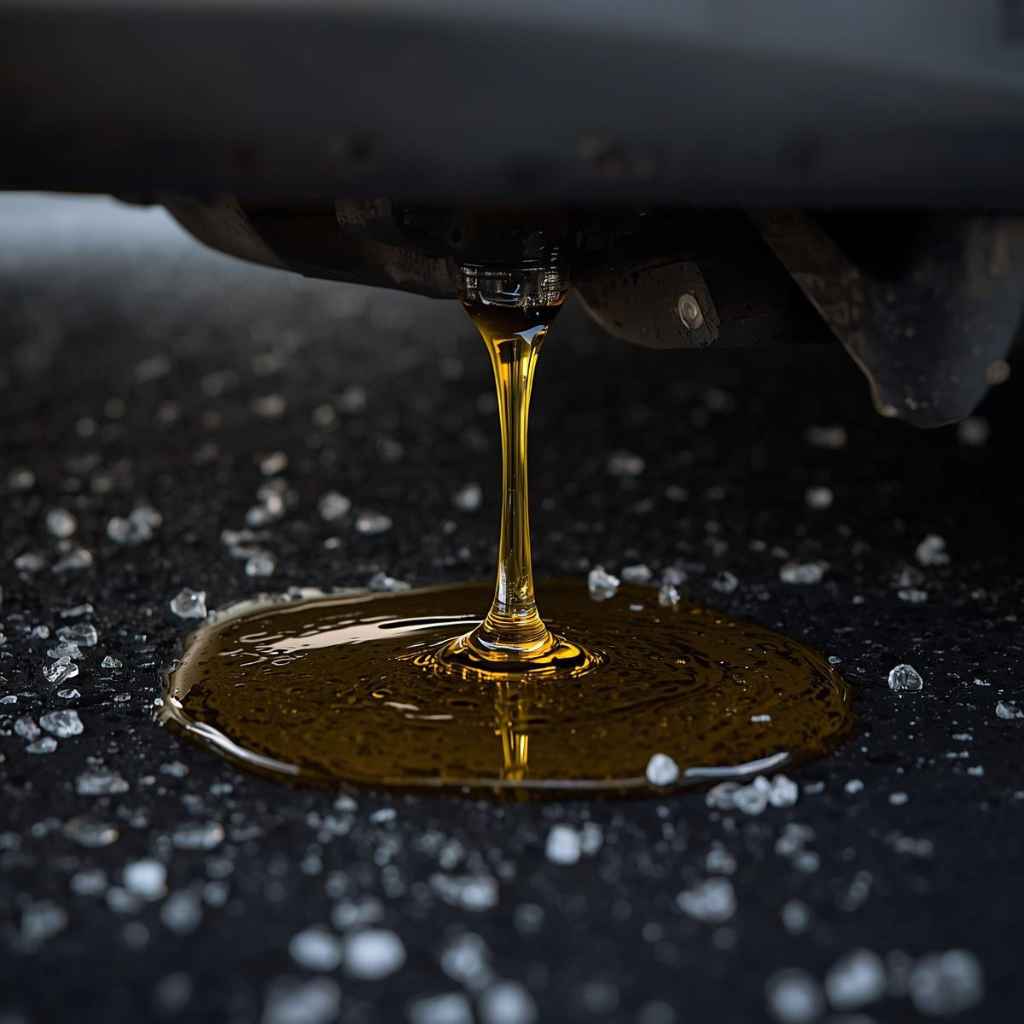
The most obvious sign of an oil leak is a puddle of dark, oily liquid under your car. This oil is usually brown or black. Another indicator is a burning smell, which happens when oil drips onto hot engine or exhaust parts.
You might also notice your oil pressure warning light coming on, or the oil level on your dipstick dropping below the recommended mark.
Don’t ignore these signs, as even a small leak can become a big problem if left untreated. It’s always better to be safe and check your vehicle if you suspect a leak.
Puddles Under Your Vehicle: A dark, oily stain on your driveway or parking spot is a clear sign of a leak. The color is typically dark brown or black, though fresh oil can sometimes appear golden or amber.
The size and location of the puddle can offer clues about the source of the leak. A leak directly under the engine area is likely from the engine oil, while leaks further back might point to transmission fluid or other fluids.
Burning Smell: When engine oil leaks onto hot engine components, such as the exhaust manifold or muffler, it will burn and produce a distinct acrid smell. This odor can be quite noticeable, especially when the engine is running or shortly after you turn it off.
The burning smell is a warning that oil is coming into contact with high temperatures. This can also pose a fire risk, so it’s important to have it checked immediately.
Low Oil Level or Warning Lights: Regularly checking your engine oil level with the dipstick is crucial. If you consistently find the oil level dropping, even between scheduled oil changes, it indicates a leak. Many modern cars also have an oil pressure warning light on the dashboard that illuminates when the oil level is critically low or the oil pressure is insufficient.
Ignoring an oil pressure warning light can lead to severe engine damage, as the engine is not being properly lubricated.
Assessing The Damage And Next Steps
Once you’ve spotted a leak, the next important step is to figure out how bad it is and what caused it. This section will guide you through assessing the damage and what to do next, whether you’re a beginner or have some car knowledge.
Performing A Visual Inspection
After you’ve noticed an oil leak, the first thing you should do is look under your car. If it’s safe to do so, and with the engine off and cool, get a good look at the underside. You might need a flashlight to see clearly.
Try to pinpoint where the oil seems to be coming from. Is it dripping from the oil pan, around the oil filter, or from a hose?
Sometimes, the leak might be obvious, like a crack in the oil pan. Other times, it might be a slow drip from a seal or gasket that’s harder to spot.
Safety First: Always ensure your car is on a level surface, the engine is cool, and the parking brake is engaged before you go underneath. If you need to lift the car, use proper jack stands and never rely solely on a jack.
Working safely under a vehicle is paramount. Improper lifting or working under an unstable vehicle can lead to serious injury.
Identifying The Leak Source: Use a flashlight to look for wet, oily spots on the engine and undercarriage. Follow the drips upwards to find the origin. The oil will often be visible as dark residue on components.
Look for specific parts like the oil pan (a large metal pan at the bottom of the engine), the oil filter (a cylindrical canister), and any visible oil lines or hoses.
Checking The Oil Level: Use your car’s dipstick to check the engine oil level. If it’s significantly low, this confirms a leak and highlights the urgency of the situation.
A low oil level means your engine has less lubrication, which can cause friction and heat, leading to internal damage.
When To Call A Professional
For most people, especially if you’re not very comfortable working on cars, it’s best to take your vehicle to a mechanic. If the leak is significant, if you can’t find the source, or if you’re worried about making the problem worse, a professional is the way to go. Mechanics have the tools and expertise to diagnose and fix the issue correctly.
Don’t try to tackle major repairs if you’re unsure. It could end up costing you more in the long run if you make a mistake.
Significant Leaks: If you see a large amount of oil leaking or a constant drip, it’s a sign of a serious issue that needs immediate professional attention. Driving with a major leak can quickly lead to engine failure.
A significant leak means the oil level can drop rapidly, leaving the engine without adequate lubrication.
Uncertainty About The Source: If you’ve done a visual inspection and can’t confidently identify where the leak is coming from, it’s time for a professional. Some leaks can be deceptive and originate from unexpected places.
Mechanics use specialized tools and knowledge to trace leaks accurately, even when they are hard to find.
Complex Repairs: Issues like a cracked oil pan, damaged oil cooler lines, or leaks from the engine block itself often require specialized tools, lifting equipment, and mechanical expertise. These are best left to the professionals.
Attempting complex repairs without the right knowledge and tools can result in further damage and potentially unsafe situations.
Temporary Fixes vs. Permanent Repairs
While a mechanic is usually the best option for a permanent fix, sometimes you might need a temporary solution to get you to the repair shop. This could involve using oil leak stop additives if the leak is very minor and slow, or in some extreme cases, applying automotive-grade epoxy or sealant to a very small, non-critical leak. However, these are very short-term solutions and are not recommended for hail damage or significant impacts.
The goal is always a permanent repair that restores the integrity of the affected component.
Oil Leak Stop Additives: These are chemical additives that you pour into your engine oil. They are designed to swell rubber seals and gaskets, which can sometimes temporarily stop very minor leaks.
These are not a cure-all and are only effective for small, slow leaks caused by aging seals, not for cracks or punctures from impact.
Automotive Sealants and Epoxies: For very minor, non-pressurized leaks on things like a slightly dented oil pan (not cracked), some temporary fixes might involve specialized automotive sealants or epoxies. These are designed to withstand oil and moderate temperatures.
This is a very risky temporary fix and should only be considered if you absolutely cannot move the vehicle and have no other option. It’s crucial to use products specifically designed for automotive oil systems.
The Need for Professional Repair: Permanent repairs usually involve replacing the damaged component, such as the oil pan or oil filter housing, or repairing damaged oil lines. This ensures the leak is fully stopped and prevents future problems.
A permanent repair restores the vehicle’s safety and reliability, ensuring the engine remains properly lubricated and protected.
Understanding Repair Options And Costs
This part discusses what kind of repairs you can expect for an oil leak after hail or underbody damage, and how much it might cost. Knowing these options will help you make informed decisions.
Common Repair Procedures
When hail or an underbody impact causes an oil leak, the repair often involves replacing the damaged part. This could be the oil pan, the oil filter housing, or even some of the oil lines. Sometimes, if the damage is minor and not a crack, a mechanic might be able to repair the existing part, but replacement is more common for significant damage.
The exact procedure depends entirely on what component is leaking and the severity of the damage.
Oil Pan
The oil pan is a relatively accessible part on most vehicles, making its replacement a standard repair.
Oil Filter Housing
This repair is similar in complexity to changing the oil filter but requires replacing the entire housing if it’s cracked or damaged.
Repairing Or Replacing Oil Lines: If oil cooler lines or other oil delivery/return lines are damaged, they will either be repaired if possible (though often lines are replaced) or replaced entirely. This might involve disconnecting fittings, removing the old line, and installing a new one, ensuring all connections are tight and leak-free.
These lines can be routed in various places, and their replacement might sometimes require removing other components to access them.
Factors Affecting Repair Costs
The cost of repairing an oil leak can vary a lot. It depends on the part that needs replacing (some parts are more expensive than others), how much labor the mechanic needs to do (if the part is hard to get to), and where you live (labor rates differ by region). For example, replacing an oil pan might cost a few hundred dollars, while repairing a complex oil line issue could be more.
Getting quotes from different reputable shops can help you find a fair price.
Cost of Parts: The price of replacement parts is a major factor. An oil pan for a common car might be relatively inexpensive, but a specialized oil cooler or a high-performance engine part could be significantly more costly.
OEM (Original Equipment Manufacturer) parts tend to be more expensive than aftermarket parts, but they usually offer better quality and fit.
Labor Hours: The complexity of the repair directly impacts labor costs. If a part is easily accessible, it will take less time for the mechanic to
Some vehicles are designed with serviceability in mind, while others can be very challenging to work on.
Geographic Location And Shop Type: Labor rates vary by region. Mechanics in major cities or areas with a higher cost of living will generally charge more than those in smaller towns. Additionally, dealership labor rates are often higher than those at independent repair shops.
It’s wise to get an estimate from a few different shops to compare pricing for the same repair.
Insurance Claims For Hail Damage
If your oil leak is a direct result of hail damage, your auto insurance policy might cover the repair costs. Hail damage is typically considered a comprehensive claim, which covers damage not caused by a collision. You’ll usually have a deductible to pay, but if the repair costs are high, it can still save you a lot of money.
It’s important to file the claim as soon as possible after discovering the damage.
Understanding Your Policy: Review your auto insurance policy to understand your comprehensive coverage and deductible. Most policies cover hail damage, but it’s good to be certain.
Comprehensive coverage usually protects against non-collision damage, including weather events like hail, falling objects, and vandalism.
Filing A Claim: Contact your insurance provider to report the hail damage and initiate a claim. They will likely send an adjuster to assess the damage to your vehicle, including any oil leaks that are a direct result of the hail.
Be prepared to provide details about when and where the hail occurred and any symptoms you’ve noticed, like the oil leak.
Documentation is Key: Keep detailed records of all communications with your insurance company, repair estimates, and receipts for repairs. This documentation is crucial for processing your claim efficiently.
Photos and videos of the damage before any repairs are made can also be very helpful evidence.
Preventing Future Oil Leaks After Hail Or Impacts
While you can’t always prevent hail, there are steps you can take to reduce the risk of underbody damage and protect your car. This section offers practical advice to help you avoid future oil leaks.
Parking Strategies
Where you park your car can make a big difference, especially if you live in an area prone to severe weather like hail. Whenever possible, park your vehicle in a garage, under a carport, or in a multi-story parking structure. These covered areas offer protection from falling debris, including hail.
If covered parking isn’t an option, be mindful of your surroundings when parking outdoors.
Use Covered Parking Whenever Possible: Garages and carports provide excellent protection against hail. If you have access to one, use it, especially during storm season.
Even a simple carport can significantly reduce the impact force of hail on your vehicle.
Avoid Parking Under Trees During Storms: While trees offer shade, they can also be a hazard during severe weather. Branches can break and fall, causing damage, and trees can also be struck by lightning.
Falling branches, especially large ones, can cause significant dents and punctures, similar to hail.
Be Aware of Potholes and Debris: When driving or parking, pay attention to the road surface. Avoid driving through large puddles that might hide potholes, and be cautious of debris that could be kicked up.
Sudden impacts from hitting hidden potholes can cause severe underbody damage.
Vehicle Maintenance Habits
Regular maintenance is key to keeping your car in good shape and preventing small issues from becoming big ones. This includes regular oil changes and checking under your car for any signs of wear or damage, even when there isn’t a noticeable leak.
A proactive approach to maintenance can catch problems early.
Regular Oil Changes: Follow your car manufacturer’s recommended schedule for oil changes. Using fresh, clean oil helps your engine run smoothly and can make it easier to spot new leaks if they occur.
Using the correct type and viscosity of oil is also important for engine health and lubrication.
Periodic Underbody Inspections: Make it a habit to look under your car occasionally, even when you don’t suspect a problem. Check for any unusual rust, bent components, or signs of fluid leaks.
These checks can help you spot minor issues before they become major leaks or cause further damage.
Addressing Minor Dents Promptly: If you notice small dents on the underside of your car, especially on the oil pan, consider getting them professionally assessed. Sometimes, a minor dent can be a precursor to a crack or a leak.
Paintless dent repair (PDR) might be an option for some cosmetic dents, but structural dents on critical components require more specialized attention.
Driving Practices
Your driving habits also play a role in preventing underbody damage. Drive cautiously on uneven roads, slow down for speed bumps, and be aware of your vehicle’s clearance. Avoiding unnecessary risks can help keep your car’s undercarriage intact.
Being mindful of your surroundings while driving can prevent a lot of damage.
Slow Down For Speed Bumps And Uneven Surfaces: Always reduce your speed significantly when approaching speed bumps, potholes, or rough terrain. This gives your suspension time to absorb the impact and reduces the force on the undercarriage.
Many speed bumps are designed to be taken at very slow speeds, often less than 10 mph.
Be Mindful of Vehicle Clearance: Know your car’s ground clearance and be aware of obstacles that could be too low. This is especially important when parking or driving on unpaved roads.
If you’re unsure about clearance, err on the side of caution and find an alternative route or parking spot.
Avoid Driving Through Deep Water: Driving through deep puddles can hide obstacles and cause water to splash up forcefully onto the undercarriage, potentially dislodging components or causing damage.
Deep water can also affect your brakes and electronics.
Frequently Asked Questions
Question: What should I do immediately if I see an oil leak after hail?
Answer: If you see an oil leak after hail, the first thing to do is check if it’s safe to look under your car. If it is, do a quick visual check for obvious damage. If the leak seems significant or you’re unsure, it’s best to avoid driving and call for a tow to a mechanic.
Question: Can a small dent from hail cause an oil leak?
Answer: Yes, even a small dent from hail can cause an oil leak. The impact can stress the metal of the oil pan or damage seals and gaskets, leading to leaks that might appear immediately or develop over time.
Question: How much does it usually cost to fix a cracked oil pan?
Answer: The cost to fix a cracked oil pan can vary greatly, but typically ranges from $200 to $600. This includes the cost of a new oil pan and the labor for replacement. Some specialized vehicles or complex installations may cost more.
Question: Is it safe to drive with a minor oil leak?
Answer: It’s generally not recommended to drive with any oil leak, even a minor one. While a very slow leak might not cause immediate problems, it will eventually lower your oil level, leading to increased engine wear or potential damage. It’s best to get it checked and fixed promptly.
Question: Will my car insurance cover oil leaks from hail damage?
Answer: Yes, if the oil leak is a direct result of hail damage, your comprehensive auto insurance coverage should typically pay for the repairs, minus your deductible. You will need to file a claim with your insurance provider.
Summary
Dealing with an oil leak after hail or underbody damage can be concerning, but it’s manageable. Focus on safety, assess the situation by looking for puddles or smells, and don’t hesitate to call a professional if needed. Permanent repairs, often involving part replacement, are usually required for these types of leaks.
By taking preventive measures like smart parking and regular maintenance, you can reduce future risks.
Products related to this article
Sponsored / affiliate links. As an Amazon Associate I earn from qualifying purchases. I may earn additional commission from eligible campaigns.