Rental Car Scratch? What to Do (Don’t Hide It)
Oh no, you’ve got a problem – a Rental Car Scratch? What to Do (Don’t Hide It) situation. It’s a common worry when you’re driving a car that isn’t yours. Beginners often get stressed because they’re unsure what to do and fear extra charges. But don’t worry! This guide is here to help you get through it. We’ll explore the steps you should take and what to expect. Get ready to discover a simple, step-by-step solution to handle this tricky situation. Let’s explore!
What to Do Immediately After a Rental Car Scratch
Finding a scratch on a rental car can be unsettling. Your immediate actions set the stage for how things will play out with the rental company. It is important to stay calm and follow the correct steps to protect yourself. Being proactive and reporting the damage promptly is key. This approach shows responsibility and can help you avoid bigger problems. Remember, your actions now could save you money and headaches in the future. We’ll start with the initial steps to take.
Assess the Damage
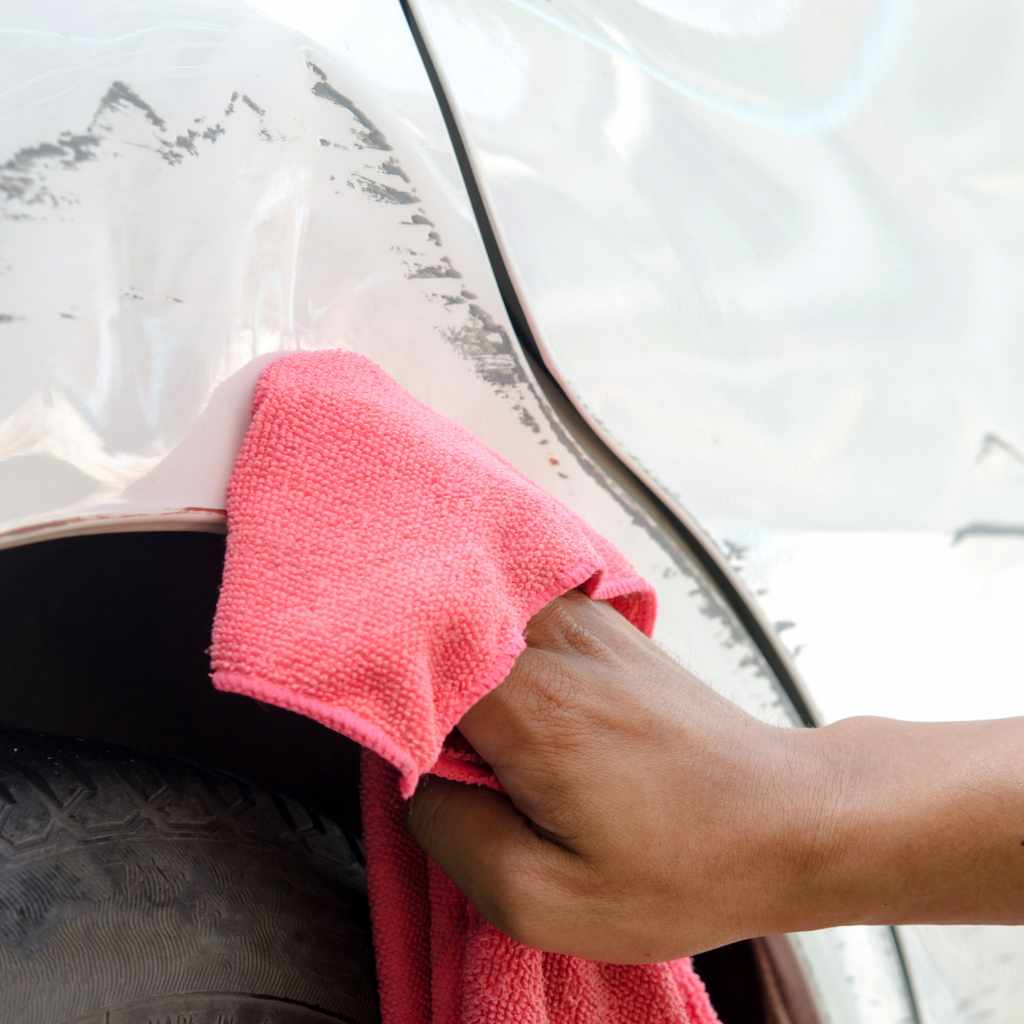
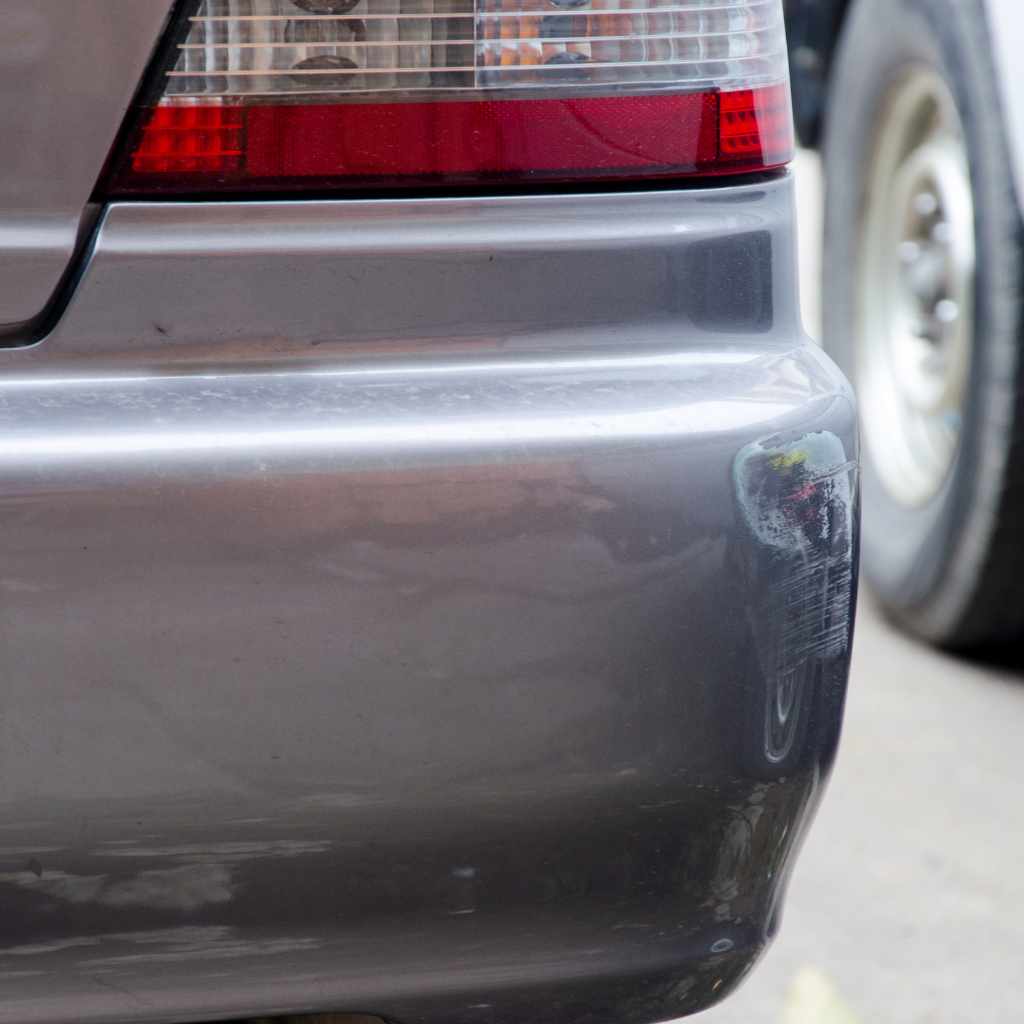
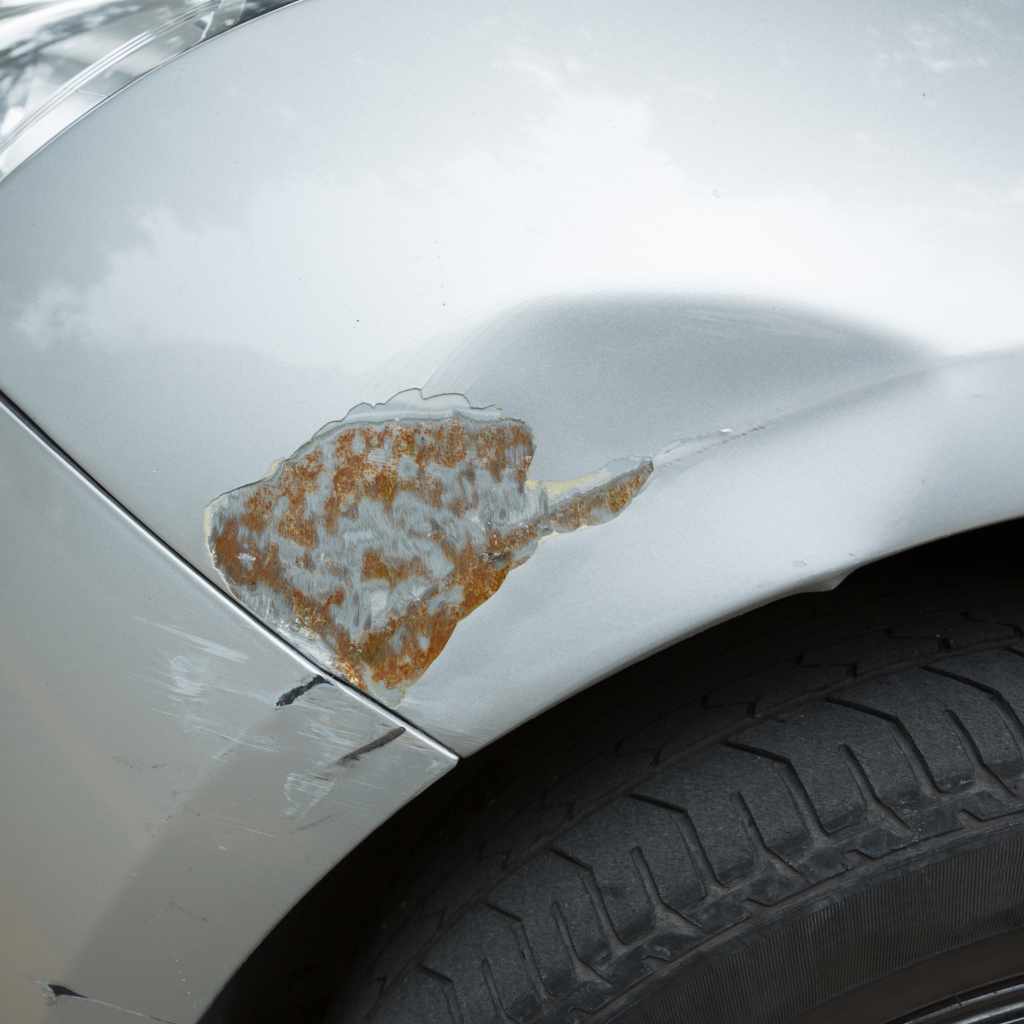
The first thing to do is to check out the scratch. Note the size, depth, and location. Is it a minor surface scratch or something more significant, like a deep gouge or dent? Use a good light source to examine the damage closely. This gives you a clear picture of the situation. This assessment helps you provide accurate information when you report the incident. It also helps you mentally prepare for the next steps. Sometimes, what seems bad is really not that serious.
- Size: Measure the scratch’s length and width. This is important because rental companies may have different policies based on the size of the damage. For instance, a small scratch might be considered normal wear and tear, while a larger one could require repairs and cost money.
- Depth: Figure out how deep the scratch goes. Is it just on the paint’s surface, or has it gone through to the metal underneath? The depth greatly affects repair costs. A superficial scratch is generally easier and less expensive to fix compared to a deeper one.
- Location: Record the location of the scratch. Is it on the bumper, door, hood, or another area? The location can also impact costs, especially if it affects a specialized part or panel.
- Documentation: Take photos and videos of the scratch from multiple angles. Make sure to include close-up shots and wider views to show the damage in its context. This documentation is super important for your records.
Report the Incident to the Rental Company
After assessing the damage, contact the rental company right away. Most rental agreements require you to report any damage immediately. Delaying reporting can complicate things, potentially leading to questions about when and how the scratch occurred. Be upfront and honest when you explain the situation. This shows your honesty and willingness to work with them. Keep a record of the conversation, including the date, time, and the person you spoke with. This will be very useful later if any disagreements arise.
- Review Your Rental Agreement: Check the terms of your rental agreement for the correct procedure. The agreement will state how to report damage. Follow the instructions precisely to ensure you comply with their policy.
- Contact Information: Locate the rental company’s contact information, usually a phone number for accident or damage reporting. Many rental companies have 24/7 customer service lines for immediate assistance.
- Details to Provide: Have ready the rental agreement number, the car’s make and model, the date and time of the incident, and a clear description of the damage. Provide as much detail as possible to help the representative assess the situation.
- Documentation: Make sure you give the rental company the photos and videos of the damage you took earlier. These visuals will assist with the damage assessment.
Gather Information and Documentation
Besides reporting the damage, gather as much information as possible. Keep all related documents and records. The more detailed your records are, the better you’re prepared to protect yourself. Thorough documentation builds a strong case if you disagree with the rental company’s assessment. It also helps you track all communications, which is important should you later need to dispute charges or claims. A well-organized record will make any claims process much smoother and less stressful.
- Rental Agreement: Keep a copy of your rental agreement. This document lists the terms of your rental, including your responsibilities for damage. It also provides information about insurance coverage and any waivers you may have purchased.
- Photos and Videos: Keep all the photos and videos you took of the scratch. These will serve as proof of the damage’s extent and origin. They’re valuable if any questions about the damage come up.
- Communication Records: Save any emails, letters, and the notes from phone calls with the rental company. These records show when you reported the incident and the details discussed.
- Police Report (If Applicable): If a third party caused the damage or if there was an accident, a police report is crucial. It will provide an official record of the incident and help determine fault.
Understanding Rental Car Insurance and Damage Waivers
Navigating the insurance and waiver options with a rental car can be confusing. Rental agreements come with different options, each with different levels of protection. Knowing the coverage you have can save you a lot of trouble and money. Deciding which options are best relies on your personal situation and comfort level. Understanding how each option protects you will help you make a good decision. It’s always better to be ready than surprised.
Types of Insurance Coverage
Rental car insurance comes in various forms. Each provides different levels of protection. You should understand these options so you can select what works best. Review your personal auto insurance policy and credit card benefits before renting. Sometimes, you already have coverage. This helps you avoid paying for something you don’t need. Knowing your coverage options gives you the knowledge to handle damage situations.
- Collision Damage Waiver (CDW): This is one of the most common options. CDW generally covers the cost of damage to the rental car, up to the full value of the vehicle. It often includes damage from collisions, vandalism, and theft.
- Loss Damage Waiver (LDW): LDW is similar to CDW but often includes additional coverage, like loss of use. Loss of use charges come into play when the rental company can’t rent the car because it’s being repaired. LDW also frequently covers theft and vandalism.
- Supplemental Liability Protection (SLP): SLP covers claims made by third parties for bodily injury or property damage if you’re responsible for an accident. It expands your liability coverage beyond what your personal auto insurance provides.
- Personal Accident Insurance (PAI) and Personal Effects Coverage (PEC): PAI covers medical expenses and death benefits for you and your passengers. PEC covers the loss or damage of personal belongings inside the vehicle.
Damage Waivers Explained
Damage waivers are a crucial aspect of rental car agreements. They change your financial responsibility for damage. Understanding how damage waivers work is important when you rent a car. These waivers provide important protection in the event of damage to the rental car. Knowing your coverage helps you avoid expensive repair bills. It can also help you avoid stressful situations.
- Collision Damage Waiver (CDW): As previously discussed, CDW usually removes or limits your financial responsibility for damage to the rental car, no matter the cause. This coverage often eliminates your need to pay for repairs, as it shifts financial responsibility to the rental company.
- Loss Damage Waiver (LDW): LDW is a broader form of CDW. It usually covers the full cost of repairing or replacing the vehicle. In addition, it also covers the loss of use costs while the car is being repaired.
- Benefits of Using a Damage Waiver: Using a damage waiver can protect you from huge repair costs if damage occurs to the rental car. It makes the claims process easier, as you usually won’t have to deal with your own insurance company.
- When a Damage Waiver Is Important: Damage waivers are most valuable if you aren’t already covered by your personal auto insurance or credit card benefits. Consider this option if you are concerned about your financial exposure.
Insurance Through Your Personal Auto Policy or Credit Card
Many people don’t realize they already have some level of rental car insurance. Your personal auto policy may already cover you when you rent a car. Many credit cards also offer rental car insurance as a perk. Checking your existing coverage can save you money. Always review the terms and conditions of your policies. This helps you understand the extent of your coverage. Knowing what you are protected by can save you from paying for extra insurance.
- Personal Auto Insurance: Your personal auto insurance might offer coverage when renting a car. Your policy usually provides liability, collision, and comprehensive coverage. However, the exact terms and limits may vary. Contact your insurance company to see what your policy covers.
- Credit Card Rental Car Benefits: Many credit cards offer rental car insurance, usually collision and theft coverage. These benefits are often secondary, meaning they pay after your personal auto insurance. Review your credit card agreement for details.
- Coverage Considerations: Consider the deductible of your personal auto insurance and the terms of your credit card benefits when deciding whether to purchase extra rental car insurance. The coverage from your personal auto insurance or credit card can offer good protection.
- Deciding on Coverage: Assess how much protection you need based on the value of the car, your driving history, and your budget. If you are uncertain, getting additional insurance will often provide more peace of mind.
Handling the Scratch with the Rental Company
How you handle the scratch with the rental company is very important. After you report the damage, the rental company will start their process. This could include an inspection, estimate, and potential charges. Knowing what to expect and how to respond will help you avoid misunderstandings. Good communication and understanding of the company’s procedures will make everything go much smoother. You are working towards a fair solution.
The Damage Assessment Process
The rental company will inspect the damage. They might do this themselves, send it to a repair shop, or use a third-party assessor. This assessment determines the extent of the damage and estimates the cost of repairs. The process makes sure the damage is accurately assessed. The rental company might use photographs and specific damage reports. They also consider the car’s make, model, and year. They will examine the scratch and determine whether it’s a simple cosmetic issue or a more significant repair. Be prepared to cooperate and provide all documentation you have, such as photos and any other evidence. The rental company will decide how to proceed.
- Inspection: The rental company examines the vehicle to evaluate the damage. They check the scratch’s size, depth, and position. They also might assess whether any other parts of the car are impacted.
- Estimate: The rental company will get an estimate from a repair shop or their own service department for the cost of repairs. The estimate includes labor and parts costs. Make sure you understand the details of the estimate.
- Documentation: Keep all the documents from the damage assessment. Make sure to keep the estimate and any reports of the inspection. These documents are proof of the damage.
- Communication: Be open and responsive when communicating with the rental company about the damage assessment. Ask questions if you need clarification. Clear communication can prevent disagreements.
Understanding Repair Estimates and Charges
The repair estimate is the heart of any potential charges you will face. Repair costs vary greatly based on factors like the type of car and the extent of the damage. Understand each part of the repair estimate to know how the rental company calculates costs. Being informed will assist you in discussions about charges. You will be able to review the charges and determine whether they’re fair. Ask questions and seek clarifications when needed.
- Repair Shop Estimate: The repair shop’s estimate includes the cost of labor, parts, and materials. This estimate is used to determine how much the repair will cost. It’s important to understand the details within this estimate.
- Damage Charges: Besides the cost of repairs, the rental company might charge for “loss of use.” Loss of use covers the cost if the rental car is out of service while being fixed. The company is losing revenue, so the car company charges for the time it can’t be rented.
- Additional Fees: Additional fees can include administrative charges. These fees cover the cost of processing the damage claim. They are often outlined in the rental agreement.
- Review the Invoice: Carefully review the final invoice from the rental company. Make sure all the charges are justified. If anything looks off, don’t hesitate to ask questions and request detailed explanations.
Negotiating with the Rental Company
Don’t be afraid to try to negotiate with the rental company. If you disagree with the charges, you have rights. You may be able to negotiate a settlement, especially if the damage is minor or if you think the estimate is high. You might present evidence, such as independent repair quotes. Be calm, polite, and professional during any discussions. Try to come to an agreement everyone is happy with. Being prepared and showing you are willing to work things out can often lead to a more favorable outcome. Negotiation is a normal part of the process.
- Gather Evidence: Before you negotiate, gather as much evidence as possible. This includes photos, videos, your copy of the rental agreement, and any communication records. Strong evidence will support your position.
- Be Polite: Even if you are annoyed, stay calm and be polite. A respectful tone will help you have better communication.
- Ask for a Detailed Breakdown: Ask the rental company for a full, detailed breakdown of all charges. Make sure you understand each item in the estimate. This can reveal if there are any unnecessary fees.
- Discuss Potential Solutions: If you think charges are too high, try to negotiate. You may be able to reach a payment plan or ask the company to reduce the charges.
Preventive Measures and Future Rental Strategies
You can reduce the risk of future problems with rental cars. While a scratch can happen, you can take steps to protect yourself. Planning helps reduce potential problems. Learning good habits for when you rent cars will help you avoid trouble. Making a few preparations before renting, and while using, a rental car helps improve your experience. These actions will help you save money and stress.
Pre-Rental Inspection
Before you drive off in a rental car, inspect it thoroughly. This is a very important step. Look for existing damage, such as scratches, dents, and any other issues, and photograph any damage. A careful inspection could save you money. You can protect yourself if you document any pre-existing damage. This will prevent you from being held responsible for it later. This is a simple but effective step.
- Document Everything: Take photos and videos of the car. Document the vehicle’s condition. Capture every angle of the car to ensure you have a visual record of the vehicle’s status before you drive it.
- Check the Exterior: Carefully inspect the exterior, checking the body panels, bumpers, mirrors, and lights for scratches or dents. Make sure you check the wheels and tires. Note anything of concern, like existing damage or wear.
- Check the Interior: Check inside the car for any damage, stains, or issues with the seats, dashboard, or other surfaces. Note anything of note.
- Report Damage Immediately: If you find any damage, report it immediately to the rental company. Make sure the representative notes the damage on the rental agreement. Doing this ensures you’re not held responsible for any pre-existing conditions.
Safe Driving Practices
Safe driving can significantly reduce the risk of causing damage to a rental car. Being careful on the road helps you avoid accidents and minor bumps. Defensive driving is a great practice. This includes always paying attention to your surroundings and maintaining safe distances. Using safe driving techniques is essential. It also saves you money on potential repair costs. Remember, your safety and the car’s are most important.
- Maintain Safe Distance: Keep a safe distance from other vehicles. This gives you more time to react in case of sudden stops or emergencies. The general guideline is three seconds of space between your vehicle and the vehicle in front of you.
- Be Mindful of Surroundings: Pay attention to your surroundings at all times. Look out for potential hazards like potholes, obstacles, and other vehicles. This practice includes checking your blind spots.
- Avoid Aggressive Driving: Avoid aggressive driving behavior, such as speeding, tailgating, and quick lane changes. Aggressive driving significantly raises your risk of an accident.
- Park Carefully: When parking, choose spots that are safe. Try to avoid parking close to other vehicles. Pay attention when maneuvering into parking spaces to avoid scraping the car.
Choosing the Right Rental Car
Choosing the right rental car matters. Picking the car that suits your needs can help avoid problems. Think about where you’ll be driving. Also, think about the weather and road conditions. Making the correct choice can improve your driving experience. Taking the time to decide what works best for you helps reduce potential damage. A good choice can make everything better.
- Match to Your Needs: Select a car that meets your specific needs. If you’re traveling with a lot of luggage or people, you might want a bigger vehicle. Choose a car with the right features and space for your trip.
- Consider Road Conditions: If you plan on driving in rough or snowy conditions, select a car that is suitable for these conditions. This is essential for safety and can also reduce the risk of damage.
- Check for Damage: Always check the vehicle. Check the car’s condition before you drive off the lot. Report any existing damage or issues before you take possession.
- Ask About Limitations: Before you rent the car, ask about any restrictions. Check if there are any restrictions, such as the areas the car can be driven in. Review the rental agreement for any limitations.
According to a report by the American Car Rental Association, the car rental industry is a large sector. In a recent year, the industry generated over $32 billion in revenue. This shows how popular this industry is and that problems like scratches are common. Another report highlights that a large percentage of rental car customers buy extra insurance or waivers. About 65% of rental car customers buy additional protection. This shows that the cost of damage is a significant concern for renters. This helps explain why Rental Car Scratch? What to Do (Don’t Hide It) is a critical topic.
| Aspect | Details |
|---|---|
| Revenue | Over $32 Billion |
| Insurance Purchases | Approximately 65% of customers |
| Damage Concerns | Significant concern among renters |
Frequently Asked Questions
Question: What if I didn’t cause the scratch, but I’m being held responsible?
Answer: Gather all available proof, such as photos of pre-existing damage, and speak with the rental company. If you can prove the damage was present when you rented the car, you likely won’t be held responsible. Consider involving your insurance company to help you.
Question: What happens if I hide the scratch and return the car without saying anything?
Answer: Hiding damage can lead to serious problems. The rental company might later discover the damage and charge you for it, plus extra fees for not reporting it. It’s always best to be honest and report the damage as soon as possible to avoid bigger problems.
Question: Can I use my own mechanic to fix the scratch?
Answer: Usually, no. Most rental agreements state that the rental company has the right to choose the repair shop. Unless you have specific permission from the rental company, using your mechanic could violate the agreement and lead to extra charges.
Question: Will the scratch affect my ability to rent from the company again?
Answer: Possibly, but it relies on your actions and the circumstances. If you’re honest, report the damage, and cooperate with the company, it’s unlikely to impact your future rentals. However, if you hide damage or fail to comply with the rental agreement, it could impact your renting privileges.
Question: What happens if the rental car is damaged due to a natural disaster?
Answer: The insurance coverage included in your agreement will probably apply, especially if the damage is covered by your chosen coverage. Natural disasters, such as floods or hail storms, are generally covered by collision and comprehensive coverage. Contact the rental company and your insurance provider for specific details.
Final Thoughts
Dealing with a Rental Car Scratch? What to Do (Don’t Hide It) situation can be stressful. The key is to stay calm and follow the steps outlined in this guide. Remember to assess the damage carefully, report it immediately, and gather all the important documents. It is important to know about the different insurance options and waivers. Also, if you know what coverage you have, you’ll be better prepared. Remember, your personal auto policy or credit card benefits could offer protection. Knowing your coverage and how it works makes a big difference. Don’t hesitate to negotiate if you have concerns. By taking these actions, you can handle the situation in a smart, informed way. By staying informed and acting quickly, you can minimize potential expenses. You’re now prepared to take action if a scratch happens.