3 Best Backup Mirror Cameras for Cars: We Compared
The best rearview mirrors with cameras for cars keep the mirror usable, fit your windshield, and install without covering sensors. For many shoppers, that means picking one of three top options. Poor fit can add glare, block ADAS hardware, or make the screen harder to read than the mirror it replaces. Here’s a comparison of three rearview mirror camera systems by visibility, windshield obstruction, install complexity, and daily-driving usability.
Quick comparison
| Product | Badge | Best for | Price | ||
|---|---|---|---|---|---|
 |
AUTO-VOX OEM Rear View Mirror Camera with 4.3” Monitor:AUTO-VOX | Our pick | 4.3" · IP68 · One-wire install | $139.99
Price as of 21 Oct 2026
|
View |
 |
7in Dash Cam, Front and Rear Dual Camera, Mirror Dash CamZopsc-1 | Also great | 7" · Dual cam · Wide voltage | $42.34
Price as of 21 Oct 2026
|
View |
 |
11.26 Inch 4K Rear View Mirror Camera Touch Screen, DualSIXWIN | Upgrade pick | 11.26" · 4K · GPS & ADAS | $94.99
Price as of 21 Oct 2026
|
View |
Use this page to match the camera to your windshield, not just the spec sheet. A 12-inch mirror can help with a wide rear image, but it can also crowd small cabins or sit too close to rain sensors and camera housings.
Rear-camera placement matters just as much. A rear-window camera is simpler for sedans and hatchbacks, while a bumper-mounted rear camera can make more sense for towing, tall SUVs, and vans where the rear glass does not show the hitch or trailer clearly.
How we chose
These picks were compared on fit, image quality, install burden, and day-to-day usability. The main filters were display size, rear-camera placement, parking-mode power needs, and whether the system improves visibility without turning the mirror into a distraction.
We also weighed low-light performance, because generic 4K hardware is not the same as a premium sensor. Sony STARVIS 2 matters here, along with HDR or WDR processing, if you drive before sunrise, at night, or in wet traffic.
Finally, we looked at systems that can do more than one job. A mirror dash cam can replace or overlay the factory mirror, record front and rear, show a reverse-assist view, and use a touchscreen interface. That is useful, but only when the cabin layout can support it.
AUTO-VOX OEM Rear View Mirror Camera: best for simple installs
This AUTO-VOX system is the cleanest fit for drivers who want a low-drama rearview mirror camera with minimal cabin change. The OEM-style bracket and one-wire install suit older cars and drivers who do not want a bulky add-on display on the dash.
Its 4.3-inch monitor is much smaller than the 10- to 12-inch mirrors common in newer mirror dash cams, which helps reduce windshield obstruction. That smaller size is also the main limitation: you give up the larger live image that makes lane checks and reversing easier to read at a glance.
It makes the most sense when the goal is basic reverse help, not a feature-heavy recording setup. The IP68 waterproof backup camera is a plus for bad weather and exposed rear mounting points, but this is not the right pick if you want front-and-rear recording, GPS, or a large touchscreen interface.
SIXWIN 11.26 Inch 4K Rear View Mirror Camera: best for everyday value
The SIXWIN mirror dash cam is the strongest value pick here because it combines a large 11.26-inch touchscreen, 4K front recording, 1080p rear recording, GPS, and G-sensor support at a lower price point than many premium mirror systems. For many shoppers, that is the right balance of screen size and features.
It suits drivers who want the mirror to do several jobs at once: live rear visibility, recorded front coverage, and a broader display that is easier to read than a tiny mirror screen. It also fits the mainstream spec set buyers keep asking for, including a wide-angle dual-camera setup and parking features.
The drawback is the usual one for larger mirror displays: fit. A bigger unit can block more of the windshield, especially on compact cars or vehicles with a dense cluster of sensors behind the mirror. Buyers should also confirm whether their windshield shape and mirror mount leave enough room for the 11.26-inch unit.
WOLFBOX G840S: best for wide-screen viewing
The WOLFBOX G840S is the model to watch if you want the biggest screen and a conventional premium mirror-dash-cam layout. Tech9 says it uses a 12-inch display, and Tech9 also lists 4K front recording with FHD rear recording, plus 5.8GHz WiFi and GPS support.
That matters in daily use. A larger mirror display can make the rear image easier to scan when backing into tight spaces, merging in traffic, or checking a loaded cargo area. It also fits the common buyer expectation for a mirror camera: one device that acts as mirror, recorder, and reverse-assist display.
There is a tradeoff. A 12-inch mirror can be too much for some windshields, especially if your car already has a large rain sensor housing or a high-mounted camera cluster. Also, included-card claims vary by retailer page, so do not assume storage is bundled unless the listing you buy states it clearly.
WOLFBOX G900 Tripro: best for towing and parking mode
The G900 Tripro is the strongest match when towing, parking surveillance, or multi-angle coverage matters more than a simple rear mirror feed. WOLFBOX positions it as a 3-channel system with front, cabin, and rear cameras, including a bumper-mounted rear camera setup and parking mode support.
That extra rear-camera placement is the key difference. A bumper-mounted rear camera can show what is actually behind a trailer or long vehicle, while a rear-window camera often sees only the trailer wall, the cargo area, or the top edge of the tow setup. For vans, SUVs, and tow rigs, that distinction matters.
The downside is install complexity. More channels usually mean more wiring, more time, and a stronger need for hardwiring if you want parking mode to work as intended. If you only need a clear rear view in a sedan, this is more system than you need.
Which mirror camera fits your car?
The right mirror camera depends on cabin shape, mirror clearance, and whether you need parking surveillance or just better reversing. A compact sedan may prefer a smaller display, while a truck or trailer setup can justify a larger screen and a bumper-mounted rear camera.
| Vehicle type | Display size | Rear camera placement | Hardwire need | Parking-mode suitability | Buy / no-buy guidance |
|---|---|---|---|---|---|
| Sedan | 4.3 to 11.26 inches | Rear window | Optional for recording, needed for parking mode | Good if you park on the street | Buy if you want rear visibility and a clean install; skip the largest screens if your windshield is crowded. |
| SUV | 10 to 12 inches | Rear window or bumper | Usually yes for surveillance use | Good | Buy if rear glass is tall or tinted; choose bumper placement if cargo blocks the rear window. |
| Truck | 11.26 to 12 inches | Bumper or tailgate area | Often yes | Very good | Buy if you tow, back up often, or need trailer-aware visibility; avoid tiny monitor-only units. |
| Older car | 4.3 to 7 inches | Rear window | Not always | Mixed | Buy if you want a basic upgrade with simpler wiring; skip full-feature systems if the electrical setup is fragile. |
| Lease | 4.3 to 11.26 inches | Rear window, removable mount preferred | Prefer no-hardwire or low-impact install | Usually no | Buy only if the mount and wiring stay reversible; avoid permanent trim removal unless the lease allows it. |
| Rideshare | 10 to 12 inches | Cabin and rear coverage | Recommended | Good if parked often | Buy if you want cabin recording and rear visibility; choose a model with easy file access and stable power. |
| Trailer or tow use | 11.26 to 12 inches | Bumper-mounted rear camera | Recommended | Good | Buy if the rear-window view is blocked by cargo or a trailer; do not rely on a rear glass camera alone. |
What is the best rearview mirror with camera for a car?
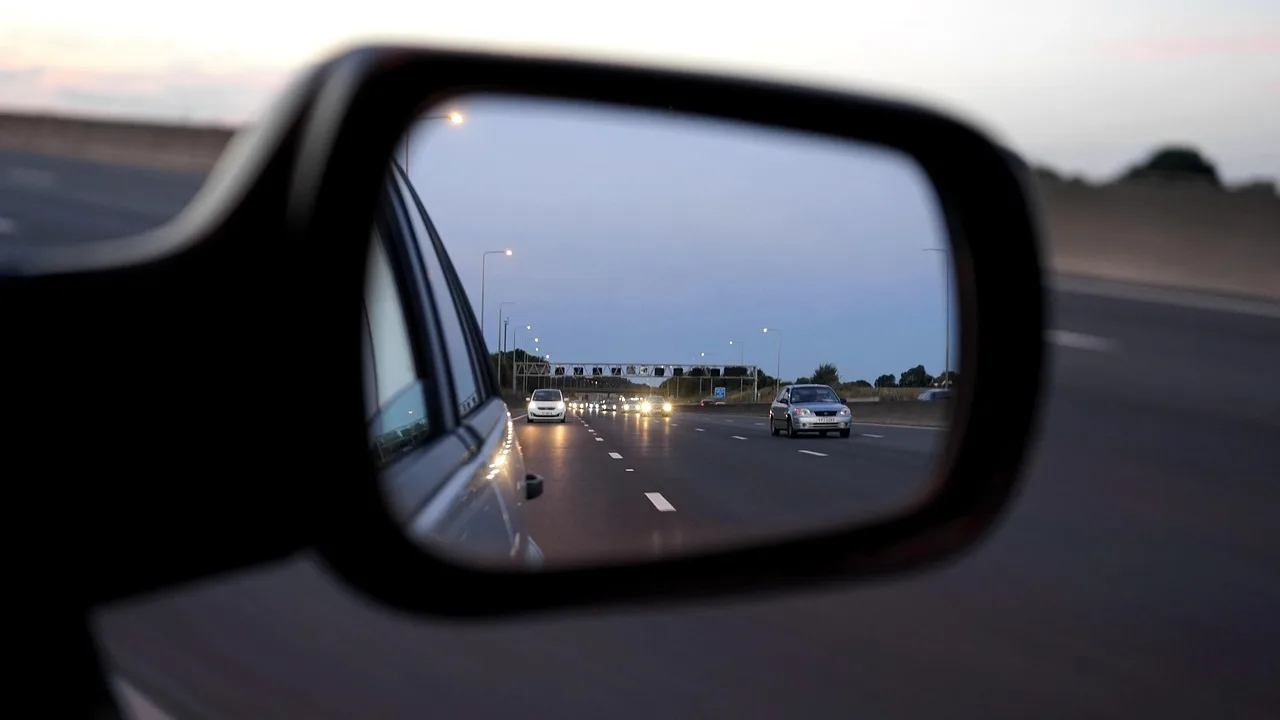
The best rearview mirror with camera for a car is the one that fits your windshield and use case first, then adds enough image quality to help in traffic and while backing up. For most buyers, a large mirror dash cam with 4K front and 1080p rear coverage is the most flexible choice, unless towing or minimal clutter changes the equation.
That is why the SIXWIN and WOLFBOX-style mirrors tend to appeal to mainstream shoppers: they do more than a plain backup monitor. They can record, show a reverse-assist feed, and present a larger live image than a small add-on screen, but they are not ideal for every cabin.
What is the difference between a mirror dash cam and a backup camera?
A mirror dash cam combines mirror replacement or overlay, integrated display, and video recording. A backup camera kit is usually focused on reverse guidance, with wireless or wired install, RCA or head-unit compatibility, reverse-light power trigger, and parking guidelines. One is a recorder with a display; the other is usually a reversing aid first.
That distinction matters if you want more than parking help. A backup camera kit can be enough for an older car with a factory screen or aftermarket head unit, while a mirror dash cam makes more sense when you also want front recording and a touchscreen-style interface.
Can a mirror camera replace the factory rearview mirror?
Yes, many mirror cameras are designed to replace or overlay the factory mirror, but the fit must still be checked against the vehicle’s mount, sensor cluster, and windshield shape. A screen that sits too low or too wide can block the driver’s view of the road or crowd the upper glass.
That is why display size matters so much. A 10- to 12-inch mirror can be useful, but it can also become a windshield obstruction in a smaller cabin. If your mirror housing already sits close to rain sensors or lane camera hardware, a smaller unit can be the safer buy.
Which mirror camera has the best night vision?
Mirror cameras with Sony STARVIS 2 sensors are the strongest choice for night visibility, especially when paired with HDR or WDR processing. Recsmatter says the Roadwitness mirror uses Sony STARVIS 2 IMX678 sensors, and that kind of sensor class is what shoppers should look for when plate readability and low-light clarity matter.
Generic 4K modules can look good on paper but still struggle with headlights, dark side streets, and wet pavement. STARVIS 2 plus HDR or WDR is the better combination because it manages glare and shadow detail more effectively, which helps when rear traffic is bright and the road behind is dark.
What features should I look for in a mirror camera system?
Start with fit, then move to image quality and power. Look for a display size that does not overwhelm your windshield, a rear camera placement that matches your vehicle, 4K front and 1080p rear recording if you want clear detail, and WiFi or GPS only after the basics are right.
Also check whether the mirror camera uses WDR or HDR, whether it supports parking mode, and whether hardwiring is required for that mode. A wide-angle lens around 170 degrees is common in this category and helps cover more of the lane and curb area.
Do mirror cameras need hardwiring for parking mode?
Usually, yes. Parking mode and 24-hour surveillance features generally need a hardwire kit so the camera can draw a controlled amount of power while the car is off. Without that, many units will shut down with the ignition, which defeats unattended recording.
That said, hardwiring is not always worth it. If you only want reversing help and occasional drive recording, a simpler plug-in setup may be easier. The failure case to watch is battery drain or unstable voltage on vehicles that sit for long periods without driving.
Which rearview mirror camera is easiest to install?
The easiest install is usually a small mirror camera or monitor with a simple mount and limited wiring, especially on older cars. The AUTO-VOX unit fits that pattern with its OEM-style bracket and one-wire install, which reduces the amount of trim work and keeps the setup cleaner.
By contrast, 3-channel systems and parking-mode builds take more effort. Add a bumper-mounted rear camera, and the install becomes a routing job rather than a quick clip-on project. That is fine for towing setups, but it is not the easiest path for a daily commuter.
Are mirror dash cams worth it for older cars?
They can be, if your older car lacks a good backup screen and you want one device that improves reversing and adds recording. The best fit is usually a smaller or mid-size unit that does not strain the electrical system and does not overwhelm the windshield.
If the car already has an aftermarket head unit or an existing rear camera input, a separate backup camera may be the better value. In that setup, a mirror camera can be redundant, especially if the cabin is small or the factory mirror placement is already awkward.
Which one should you buy?
Choose the AUTO-VOX if you want the least complicated install and do not need a large screen. It is the sensible buy for drivers who mainly want a better rear view without turning the windshield into a display wall.
Choose the SIXWIN if you want the widest balance of screen size, recording, and feature set for the money. It is the strongest all-around pick for everyday use, provided your windshield can spare the space.
Choose the WOLFBOX G840S or G900 Tripro if your needs are more specific.
Do not buy a mirror camera just because it is new or large. If your vehicle already has a good factory screen and only needs reverse guidance, a separate backup camera kit can be simpler and cheaper. If you need the best night capture, prioritize STARVIS 2 and HDR or WDR over a bigger monitor.
Products related to this article
Sponsored / affiliate links. As an Amazon Associate I earn from qualifying purchases. I may earn additional commission from eligible campaigns.