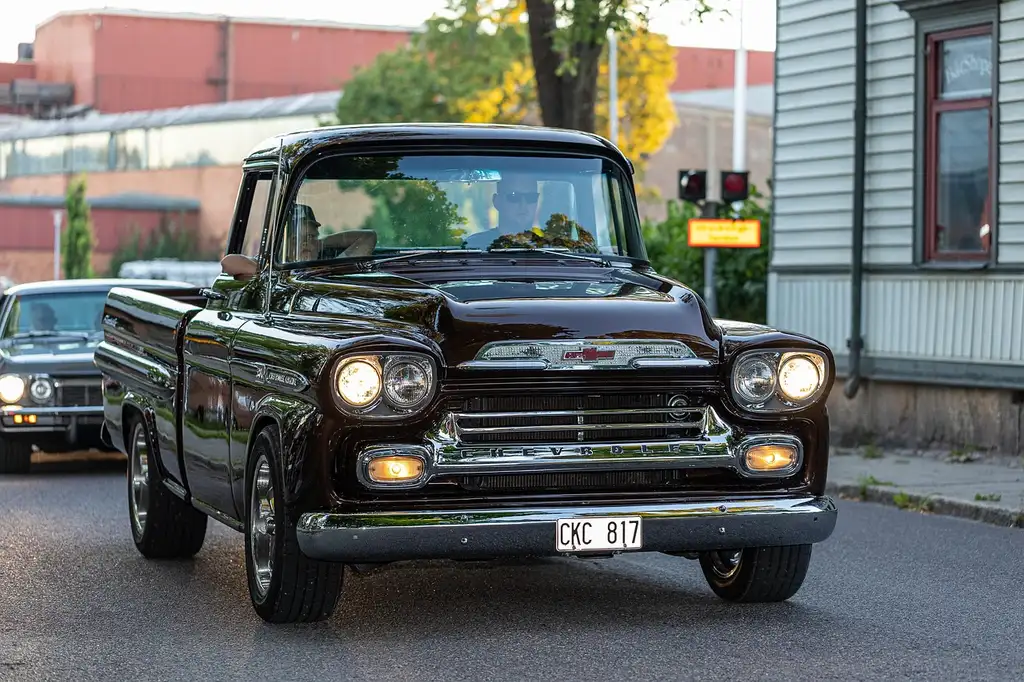
Wax Buffer for Cars: Which Should You Buy?
Choose a dual-action wax buffer for most cars. Use a rotary only for heavy defects and experienced hands. The wrong tool can burn edges, leave swirls, or waste time on a finish that still looks dull. This guide covers paint condition, skill level, pad size, and the features that matter before you buy.
Wax buffer top pick guide


The best overall choice for most DIY detailers is a dual-action polisher with variable speed control, a 6-inch pad, and a complete accessory kit. It handles wax application, light correction, and finish work without pushing you toward unnecessary cutting power. For simple shine maintenance, that is the safest balance.
Best overall for beginners
A dual-action, random orbital polisher is the best first buy if your goal is wax application on a daily driver. Its motion reduces swirl risk compared with a rotary buffer, and lower speed settings let you spread wax without loading the panel with excess heat or sling.
Best for light oxidation
If the paint looks dull and the finish has mild oxidation, step up to a dual-action model with stronger torque, a wider speed range, and compatible cutting pads. If the oxidation is heavy enough that the clear coat looks chalky, a rotary buffer may cut faster, but it also demands more control.
Best for large SUVs and trucks
For large vehicles, a 7-inch pad can cover broad panels faster, but a 6-inch setup is usually easier to control around mirrors, bumpers, and body lines. A corded polisher makes more sense for long sessions on an SUV, because you avoid battery downtime across a full exterior detail.
Quick picks by use case
- Beginner with weekly maintenance: dual-action polisher, 6-inch pad, six-speed or seven-speed control, extra foam pads, microfiber towels.
- Beginner with oxidation: dual-action polisher with stronger motor output, medium-cut pad, slower first passes, all-in-one polish and wax.
- Cordless driveway user: cordless dual-action unit with dual-battery setup, spare pads, carrying bag, and enough runtime for one panel set at a time.
- Paint-correction user: rotary buffer or stronger dual-action machine, more pad choices, heat awareness, and a tighter grip on speed and pressure.
What is the best wax buffer for cars for beginners?
A dual-action polisher is the best beginner choice for most cars because it is easier to control, safer on clear coat, and suitable for both wax application and light correction. Start with a 6-inch pad, low speed for wax, and a kit that includes extra pads and microfiber towels so you can finish cleanly.
What a beginner should prioritize
Begin with the buffer type, then check speed control, pad compatibility, and weight. A lighter tool with a comfortable handle is less tiring on door panels and roof sections, and a six-speed or seven-speed range gives you enough room to slow down for wax and speed up for correction.
Picture a first-time detailer on a sedan with light haze after winter storage. A dual-action unit with a polishing pad and all-in-one polish and wax is the right scale for that job. A rotary would add risk without adding much value unless the paint has severe defects.
Is a dual-action polisher better than a rotary buffer for waxing?
Yes. A dual-action polisher is better for waxing because its random orbital motion lowers swirl risk and spreads product more evenly. A rotary buffer cuts faster, but that extra speed matters more for heavy oxidation, sanding marks, or serious defect removal than for a simple wax layer.
Dual-action for waxing and light correction
For wax application, a dual-action machine is the practical default. It is more forgiving on edges and body lines, and it helps avoid the holograms that rotary tools can leave when the pad angle, pressure, or finishing step is off.
Rotary for heavy oxidation and sanding
A rotary buffer has more cutting power and reaches correction work faster, which makes it useful for deep oxidation and sanding cleanup. That power also makes it less forgiving, especially on thin paint, sharp edges, and high spots where heat builds quickly.
Common failure modes to expect
Sling happens when too much product or speed throws wax off the pad. Pad hop shows up when the pad skips instead of staying flat. Holograms usually come from a rotary used too aggressively. Over-polishing clear coat happens when you keep chasing defects that need a stronger compound or less pressure, not more passes.
Corded or cordless car buffer: which is better?
Corded models are better for long sessions and garage detailing because they deliver continuous power with no battery downtime. Cordless models win when you need portability, work in a driveway without easy outlet access, or want a fast setup for short maintenance details. The better choice depends on session length.
Runtime and battery swap downtime
Cordless convenience comes with a tradeoff: battery swaps and recharge time. Fourth Gear lists a cordless dual-action polisher with two 21V 2000mAh batteries and a six-speed range, which is the kind of setup that helps reduce downtime, but it still has a finite runtime.
Where corded models make more sense
If you are detailing a larger vehicle, correcting multiple panels, or working in a garage with power nearby, a corded buffer is usually the better buy. Motor Review lists a ZOTA model with an ultra-long 13.1-foot power cord, which shows why cord length matters for movement around the car.
When cordless portability wins
Cordless tools are useful for apartment parking, curbside touch-ups, and quick wax jobs after washing. TintFinder lists a Protmex cordless model with 2 x 2000mAh batteries, and Car Navigator says that same type of unit offers six speeds from 2800 to 5500 RPM. That kind of portability matters more than raw run time for short jobs.
What pad size and speed should you use?
A 6-inch pad is a common all-around choice for waxing because it balances coverage and control. A 7-inch pad can work better for large SUVs, trucks, and broad flat panels, but it may feel less precise. For wax, use lower speeds; for correction, move higher only when the paint and pad choice justify it.
6-inch versus 7-inch backing plates
Cardetailingguru lists the Griot’s Garage polisher as 6 inches, which matches the most common size for general use. A 7-inch plate covers more area faster, but smaller panels, tight curves, and trim-heavy sections are easier with a smaller pad because you keep better edge control.
Speed ranges for wax application versus correction
Wax should go on at lower speed settings to reduce sling and keep the pad from grabbing. Correction usually needs more speed and more pad bite. The same source says the Meguiar’s MT300 adjusts from 3,000 to 7,500 OPM, and that broad range shows why variable speed control matters on a dual-action machine.
When pad size affects control and finish
Say your crossover has long doors and a flat roof. A 7-inch setup can cut down the time needed for a wax pass, but a 6-inch pad will usually feel easier around mirrors and rear quarter curves. The larger pad is about coverage. The smaller pad is about control.
Buffer decision table
- Start with paint condition: fresh maintenance, mild oxidation, or real correction work.
- Match the buffer type to skill: dual-action for safer waxing, rotary only when cutting speed matters more than forgiveness.
- Choose pad size and power source last, based on vehicle size, session length, and where you work.
| Scenario | Buffer type | Pad size | Speed range | Risk level | Do not buy if |
|---|---|---|---|---|---|
| Beginner with weekly maintenance | Dual-action polisher | 6-inch | Low to mid settings for wax | Low | You want heavy defect removal in one step |
| Beginner with oxidation | Dual-action polisher with stronger motor output | 6-inch | Mid settings for light correction | Moderate | The paint needs aggressive sanding cleanup |
| Enthusiast with large SUV | Corded dual-action polisher | 7-inch for open panels, 6-inch for trim | Low for wax, higher for correction | Low to moderate | You need battery-free long sessions |
| Cordless driveway user | Cordless dual-action polisher | 6-inch | Six-speed or seven-speed range | Low | You plan to work multiple vehicles without charging breaks |
| Paint-correction user | Rotary buffer polisher | 5 to 6-inch for control | Higher cutting speeds | High | You only need a wax pass and light shine |
How to choose the right buffer
Choose by paint condition first, then skill level, then power source and pad size. Do not start with wattage alone. A 1600W machine can be more tool than a casual wax job needs, while a weaker but well-matched dual-action unit may be the better buy for a clean finish.
Motor power and heat management
Power affects torque and cut, but more power is not automatically better. The same source lists GEVEELIFE at 1600W, and Best Car Parts lists an LDHTHOPI buffer with seven speeds from 1000 to 3500 RPM. Those figures are useful because they show why heat management matters when you move from waxing into oxidation removal.
The same source says its rotary buffer runs at 1000 to 3500 RPM, which is the kind of range associated with stronger defect removal. That same strength can become a liability near emblems, panel edges, and sharp crease lines if you stay in one area too long.
Accessory kit and pad compatibility
Look for extra polishing pads, applicators, microfiber towels, and, if needed, a carrying bag or backup batteries. Fourth Gear includes 18 polishing pads in one kit, which shows how much consumables can change the ownership value of a buffer. More pads often mean less downtime while you clean or swap them.
Cardetailingguru calls the TORQX a complete kit, which is the right idea for a first purchase if you do not already own pads and finishing towels. A bare tool can look cheaper until you add the accessories needed to use it properly.
Ergonomics, weight, and ownership costs
Check the grip, handle layout, and balance before you buy. A buffer that feels awkward will be harder to keep flat, and that hurts finish quality. Also account for pad replacement, battery aging, and compatibility with future compounds, polishes, and backing plates.
Suppose you buy a cordless unit for a driveway and plan to do the whole car in one pass. If the kit only includes one battery, the job can stall halfway through. A dual-battery setup is worth more than a flashy listing when the goal is uninterrupted work.
Frequently asked questions
Can I use a buffer with spray wax?
Yes, but only at low speed and with a clean finishing pad. Spray wax and quick detailer products are meant for fast maintenance and touch-ups between full details. They work on painted surfaces, metal, and glass, but the buffer should stay gentle so you do not fling product across trim and seals.
How often should I buff and wax my car?
For most daily drivers, buffing and waxing are separate jobs. Wax can be refreshed more often than correction work, while buffing should be reserved for when the finish needs real defect removal. If the paint still looks clean and glossy after washing, a spray wax or quick detailer may be enough.
What speed setting should I use for applying wax?
Use the lowest practical speed setting for wax application. Lower speed reduces sling and keeps the pad from building unnecessary heat. Higher settings are for correction, not waxing, and a variable-speed machine with a six-speed or seven-speed range gives you enough control to switch between jobs cleanly.
What pad size is best for waxing a car?
A 6-inch pad is the best all-around choice for waxing because it balances control, coverage, and ease of use. A 7-inch pad is better for larger panels on SUVs and trucks, but smaller or tighter areas usually finish better with the more compact size.
Can a wax buffer remove swirl marks and light scratches?
Yes, but only mild ones. A dual-action polisher with the right pad and an all-in-one polish and wax can reduce light swirls and fine marks. Deep scratches, heavy oxidation, and sanding defects need more aggressive correction, and a wax-only setup should not be expected to fix them fully.
Products related to this article
Sponsored / affiliate links. As an Amazon Associate I earn from qualifying purchases. I may earn additional commission from eligible campaigns.