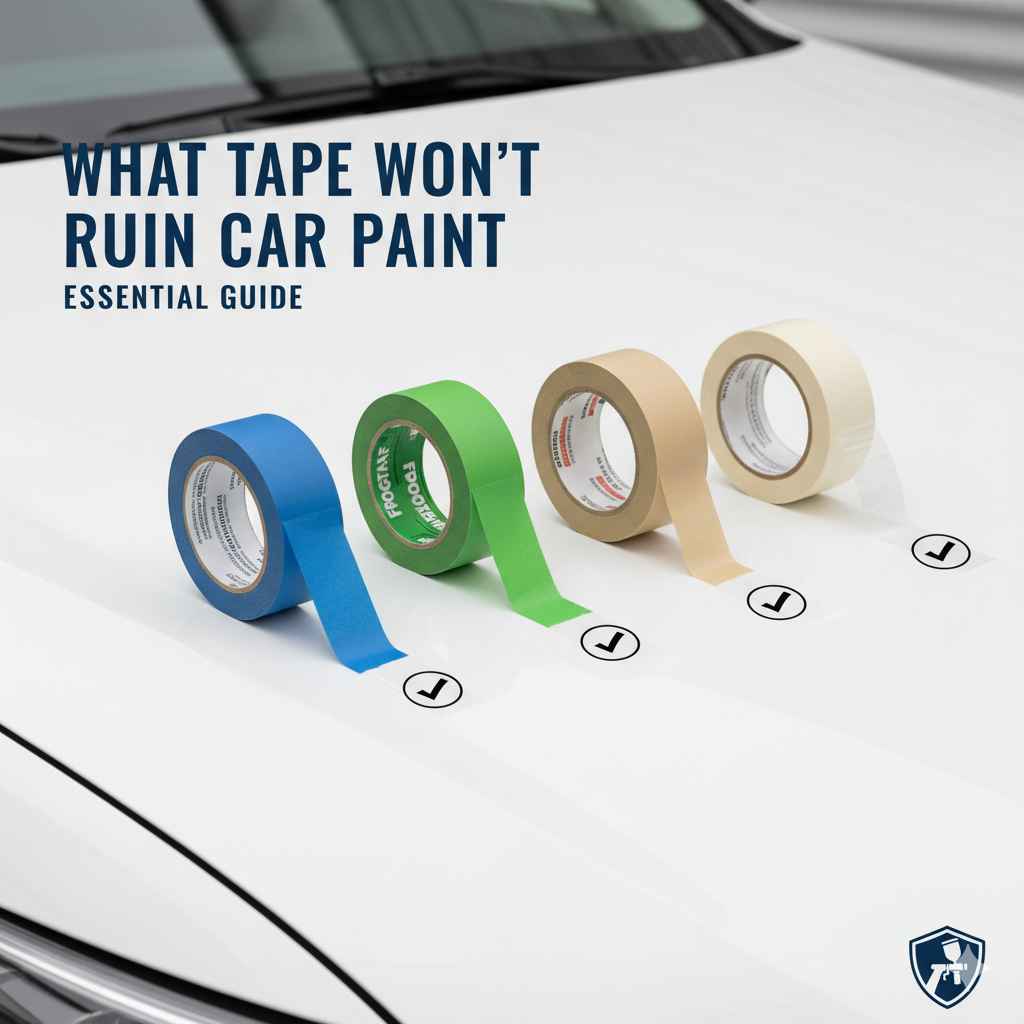
What Tape Won’t Ruin Car Paint? Safe Types & Removal Timing
Painter’s tape and automotive masking tape (like 3M’s 03432 or 388N lines) are the only tapes safe for car paint — both use low-tack adhesives that release cleanly, even after a few days in the sun. Duct tape, packing tape, and standard brown masking tape use much stronger adhesives that can lift clear coat or leave gummy residue behind, especially once UV exposure starts breaking the glue down. This guide covers which tapes are safe, how long you can leave any tape on before it becomes a risk, and how to remove residue if damage has already happened.
How Long Can You Leave Tape on Car Paint Before It Causes Damage?
Most automotive tape manufacturers recommend removing masking tape within 7 to 14 days. Past that window, UV radiation starts breaking down the adhesive itself rather than just the bond to the paint — the tape gets harder to remove cleanly the longer it sits, not easier.
Temperature matters just as much as time. A hood or roof sitting in direct sun can reach over 160°F (71°C), which softens the adhesive and lets it bond more aggressively into the clear coat — this is why tape removed on a hot afternoon can pull paint that the same tape would have released cleanly that morning. On the cold side, applying tape below 50°F (10°C) can prevent it from sealing properly in the first place, letting overspray or moisture bleed underneath the edge. If tape residue does lift a small area of clear coat, treat it the same way you would any other paint damage — see our guide on what causes spider cracks in car paint for how thin clear coat damage tends to spread if left untreated.
| Condition | What Happens | What to Do |
|---|---|---|
| Tape left 7–14 days | Adhesive still releases cleanly | Remove as planned, no special care needed |
| Tape left 3+ weeks in sun | UV breaks down adhesive; residue risk rises | Warm gently with a hairdryer before peeling |
| Surface over 160°F (hood/roof in sun) | Adhesive softens and bonds harder into clear coat | Remove in the shade or early morning instead |
| Applied below 50°F (10°C) | Tape may not seal the edge properly | Warm the panel slightly before applying tape |
Understanding Car Paint and Why Tape Matters
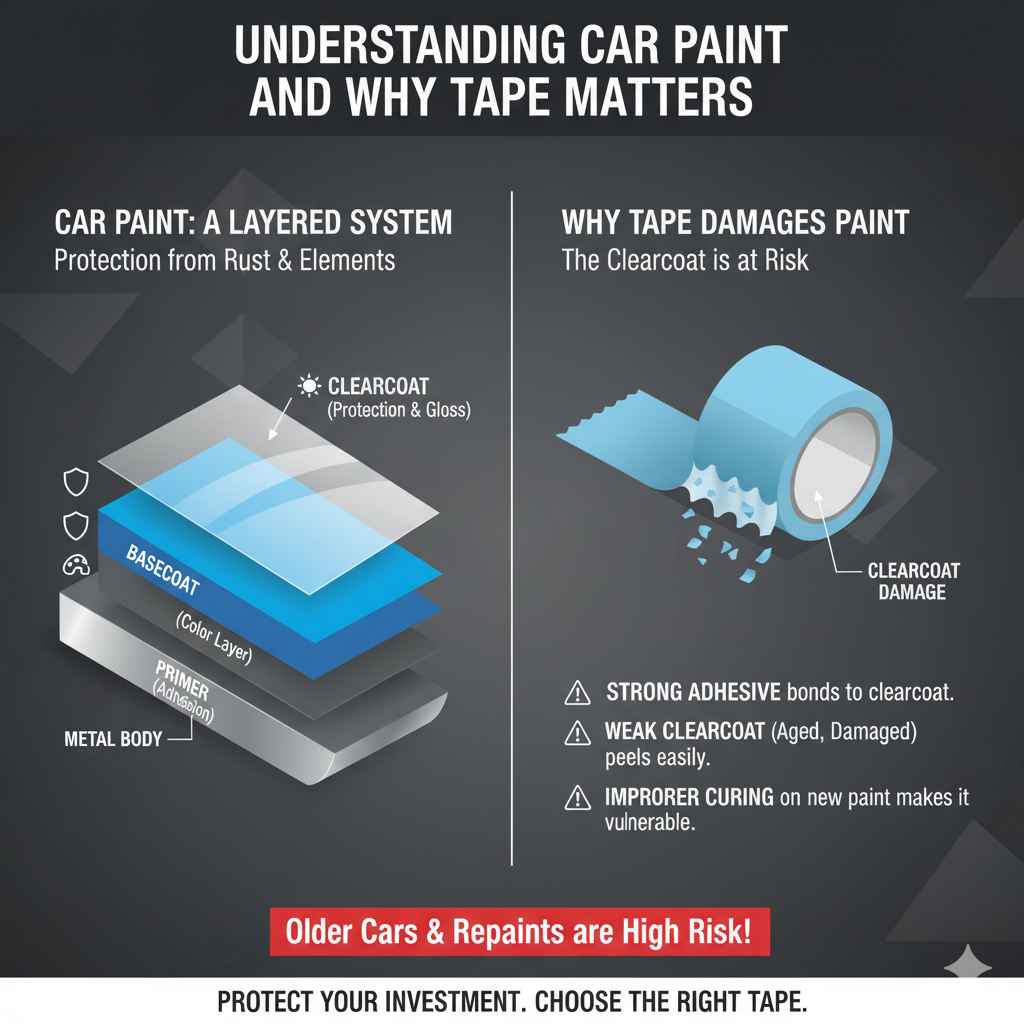
Your car’s paint isn’t just a single layer of color. It’s a complex system designed to protect the metal underneath from rust and the elements. This system typically includes:
- Primer: The first coat, which helps paint adhere to the surface.
- Basecoat: This is the color you see.
- Clearcoat: The protective top layer that adds gloss and shields the basecoat from UV rays, scratches, and environmental damage.
The clearcoat is the most vulnerable part when it comes to tape. The adhesive on tapes can bond to the clearcoat. If the tape adhesive is too strong, or if the clearcoat is already compromised (e.g., aged, damaged, or poorly applied), pulling the tape off can easily pull paint away with it. This is particularly true for older vehicles or cars that have had repainting done without proper curing time.
The Best Tapes That Won’t Ruin Car Paint
When you need a tape that will hold but release cleanly, look for products specifically designed for delicate surfaces. These tapes have specialized adhesives that balance tackiness with gentle removability.
1. Automotive Masking Tape
This is the gold standard for car paint. Automotive masking tapes are formulated for this exact purpose. They feature:
- Low-tack Adhesives: They stick well enough to create a clean line and prevent overspray but are designed to peel off easily without damaging paint, even if left on for a few days.
- UV Resistance: Many are made to withstand sun exposure for a reasonable amount of time without degrading or leaving residue.
- Sharp Line Definition: They conform well to curves and surfaces, creating crisp, clean lines for masking areas.
Brands like 3M and Tesa offer excellent automotive masking tapes. 3M’s automotive line includes the 03432/03435 Automotive Performance Masking Tape (green backing, rated for water- and solvent-based paint) and the 388N Automotive Yellow Masking Tape (crepe-paper backing used in collision repair). These tapes are often blue, green, or yellow, but color isn’t the only indicator; always check the product description for automotive use.
Where to buy: Automotive supply stores, online retailers specializing in auto body supplies, and some larger hardware stores.
2. High-Quality Painter’s Tape (Indoor/Delicate Surfaces)
Good quality indoor painter’s tape, especially varieties marked for “delicate surfaces” or “wood trim,” can also be a safe bet for car paint. These tapes share many characteristics with automotive masking tapes:
- Low-Adhesion Technology: Specifically formulated not to damage paint, wallpaper, or finished surfaces.
- Clean Removal: Designed to peel off without tearing or leaving a sticky residue.
- Formability: They can be easily manipulated around curves and contours of a car.
Look for painter’s tapes that specify they are safe for painted walls, trim, or delicate surfaces. Brands like FrogTape (especially their “Delicate Surface” tape) or ScotchBlue Ultra Sensitive Painter’s Tape are excellent choices. Always aim for tapes that state they offer clean removal for up to a certain number of days (e.g., 14 days for FrogTape Delicate Surface).
Important Note: Not all painter’s tapes are created equal. Standard “multi-surface” painter’s tape might be too aggressive for car paint, especially on older finishes. Always read the label carefully and opt for the most sensitive option available if using general painter’s tape.
Where to buy: Hardware stores, home improvement centers, and online retailers.
3. Vinyl Tape / Striping Tape
This type of tape is often used for creating fine lines or graphics on vehicles. It’s typically a thin, flexible vinyl tape with a strong but paint-safe adhesive — a much gentler adhesive than the vinyl film used for full vehicle wraps, which is designed to stay on for years rather than days.
- Precision Lines: Ideal for masking off very thin lines, like those used for pinstripes or separating different paint colors.
- Flexibility: Its design allows it to conform to tight curves and body lines.
- Paint-Safe: Formulated to stick well during the painting process but remove cleanly.
This tape is usually found in small rolls and comes in various widths. It’s a favorite for detailing and custom paint jobs where precision is key.
Where to buy: Auto body supply stores, specialized auto detailing shops, and online automotive parts retailers.
Best Automotive Masking Tape Pick
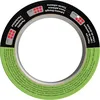
3M Automotive Performance Masking Tape (36mm x 32m)
The green-backed tape professional body shops use — low-tack adhesive built for water- and solvent-based automotive paint.
- Best for: general masking around trim, emblems, and touch-up work
- Why we picked it: resists edge curl and bleed-through, releases cleanly within the 7-14 day window
- Main drawback: not built for razor-sharp pinstripe lines — use the precision tape below for that
Compare more tape and residue-removal options
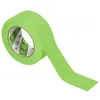 Option 1 Scotch Performance Masking Tape 233+
|
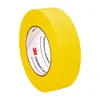 Option 2 3M Refinish Masking Tape 388N (Yellow)
|
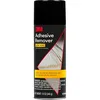 Option 3 3M Adhesive Remover, 12 oz.
|
As an Amazon Associate we earn from qualifying purchases.
Tapes to Absolutely Avoid on Car Paint
There are certain tapes whose adhesives are simply too aggressive for the delicate finish of your car. Using these can lead to significant paint damage, requiring professional repair.
1. Duct Tape
Duct tape is incredibly strong and versatile for many tasks, but its aggressive adhesive is a major no-no for car paint. The residue left behind is notoriously difficult to remove, and the tape itself can pull off clearcoat and even paint layers.
2. Packing Tape / Shipping Tape
Similar to duct tape, packing tape is designed for high adhesion to cardboard. Its sticky residue can be very challenging to remove from car paint, often requiring strong solvents that could further damage the paint. It can also lift paint directly upon removal.
3. Masking Tape (Standard Brown Kraft Paper Type)
The common brown masking tape you find in toolboxes or hardware stores is not designed for automotive use. Its adhesive is typically stronger than specialized automotive tapes and can break down under UV exposure, leaving a stubborn gummy residue or lifting paint.
A good visual to understand this is to compare the intended use. Standard masking tape is for holding paper or light objects, while automotive masking tape is designed to hold against paint and withstand environmental factors more robustly without adhering too strongly.
4. Electrical Tape
While flexible, the adhesive on traditional electrical tape can become brittle over time and leave a sticky residue. More importantly, the plasticizer in the vinyl can sometimes leach into your car’s paint, causing discoloration or damage, especially if left on for an extended period or exposed to heat.
5. Double-Sided Tape
Unless it’s specifically automotive-grade double-sided trim tape (which has its own removal process), regular double-sided tape is often too strong and can severely damage paint. Removing it without harming the finish can be a significant challenge.
When Using Tape, Always Follow These Best Practices
Even with the right type of tape, how you apply and remove it makes a big difference. Following these tips will help ensure the best results and protect your car’s paint:
Preparation is Key
- Clean the Surface: Always ensure the area where you plan to apply tape is clean, dry, and free of dirt, dust, wax, or grease. Use a dedicated car wash soap and water, or a quick detailer spray followed by a microfiber towel.
- Test a Small Area: If you’re unsure about how a particular tape will react with your car’s paint (especially if it’s an older or custom finish), test it on an inconspicuous spot first. Let it sit for an hour or two, then carefully peel it back to check for any issues.
Application Techniques
- Apply Carefully: Lay the tape down smoothly, avoiding wrinkles or bubbles. Press it down firmly along the edges to create a good seal, ideally with a clean finger or a plastic squeegee.
- Don’t Stretch Too Much: Avoid stretching the tape excessively as you apply it, as this can cause it to pull back or lift stubborn paint when removed.
- Consider the Paint’s Condition: If your car’s paint is old, faded, or has been repainted and not properly cured, it will be more susceptible to damage. In such cases, be extra cautious and consider using the most delicate tape available, or even skip taping if possible. For guidance on paint condition, you can refer to resources from organizations like Automotive Paint Coatings for insights into common paint issues.
Removal Process
- Remove Promptly: Don’t leave tape on your car longer than necessary, especially if exposed to direct sunlight. Heat can cause the adhesive to bond more strongly.
- Remove Slowly and at an Angle: Pull the tape back on itself at a sharp angle (about 180 degrees), rather than straight up. This helps it lift cleanly. Go slowly and steadily.
- Use Heat (Carefully): For stubborn tape or residue, a hairdryer on a low-heat setting (held several inches away) can help soften the adhesive, making removal easier. Be careful not to overheat the paint.
- Address Residue: If any sticky residue remains, use a dedicated automotive adhesive remover or a mild degreaser. Avoid harsh chemicals or abrasive pads that could scratch the paint. For very stubborn residue, products like Goo Gone or WD-40 can sometimes work, but always test in an inconspicuous spot first and be prepared to wash the area thoroughly afterward.
A Comparison of Tape Types for Car Paint
To give you a quick overview, here’s a comparison of common tape types and their suitability for car paint:
| Tape Type | Adhesive Strength | Effect on Car Paint | Best Use Case for Cars |
|---|---|---|---|
| Automotive Masking Tape | Low to Medium | Minimal to None (designed for clean removal) | Masking for painting, detailing, temporary repairs. |
| High-Quality Painter’s Tape (Delicate Surface) | Low | Minimal to None (safe for sensitive surfaces) | Light masking during DIY projects, protecting trim. |
| Vinyl Striping Tape | Medium | Minimal (designed for clean removal after painting) | Creating precise lines for graphics and pinstripes. |
| Standard Masking Tape (Brown) | Medium to High | Can leave residue, may lift paint. | Not recommended. Possible for very short-term, non-critical use, but risky. |
| Duct Tape | High | Leaves sticky residue, often lifts paint. | Never use on paint. Only for temporary functional repairs away from paint. |
| Packing Tape | High | Leaves difficult-to-remove residue, can lift paint. | Never use on paint. |
| Electrical Tape | Medium | Can leave residue, potential for paint discoloration. | Not recommended for direct application on paint. |
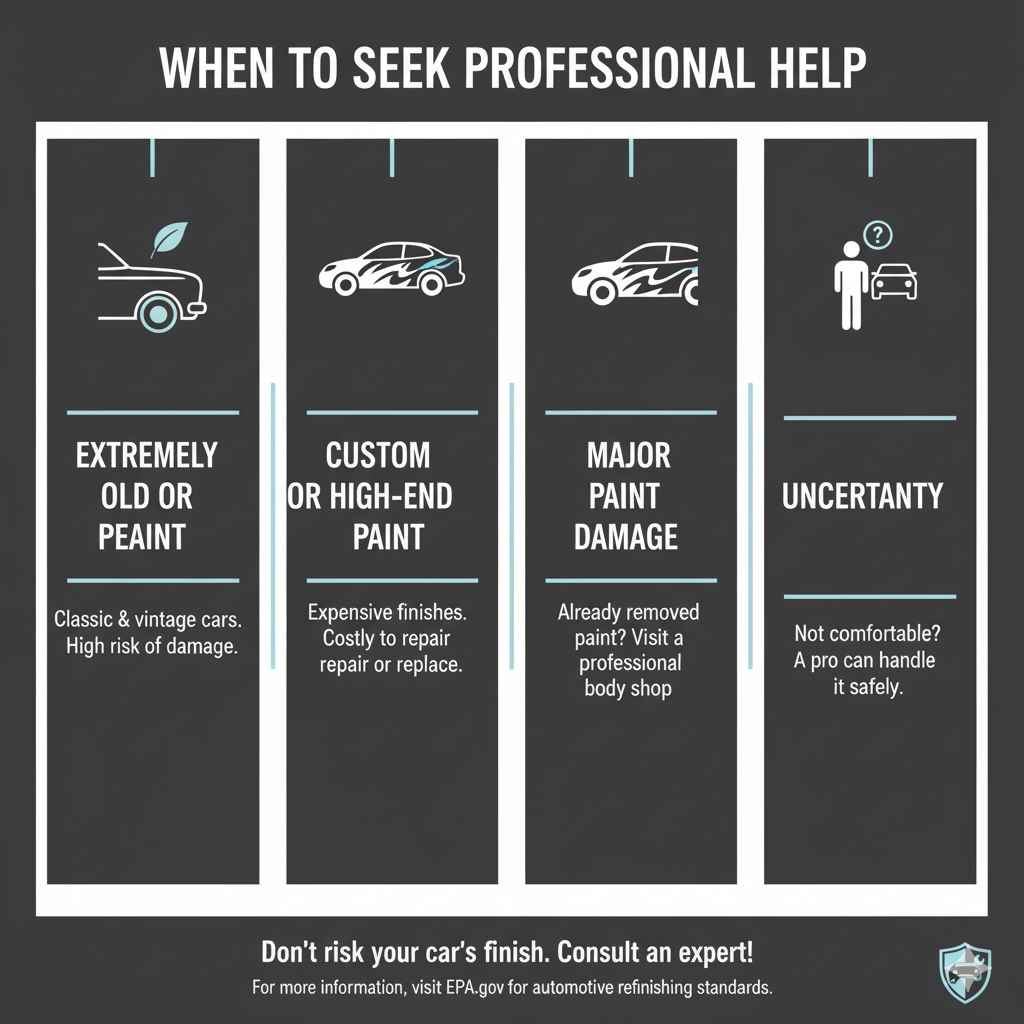
When to Seek Professional Help
While this guide aims to make DIY tasks safer, there are times when it’s best to let a professional handle it. If you’re dealing with:
- Extremely old or delicate paint: Such as on a classic or vintage car.
- Custom or high-end paint jobs: Where the cost of replacement is very high.
- Major paint damage: If you’ve already accidentally removed paint, a professional body shop is your best bet.
- Uncertainty: If you’re simply not comfortable with the process, a professional detailer or body shop can apply tape and perform tasks without risking damage.
For more information on automotive paint care and repair, you might find resources from the U.S. Environmental Protection Agency (EPA) helpful regarding environmental standards and safe practices in automotive refinishing.
Frequently Asked Questions
Can I use masking tape to temporarily cover a scratch on my car?
While you might be tempted, standard masking tape is risky. If you need to cover a scratch temporarily for protection, consider using automotive-specific masking tape applied carefully, or a more robust temporary protector like a temporary car cover. Always ensure the area is clean before applying any tape.
How long can I leave automotive masking tape on my car?
Most automotive or high-quality painter’s tapes designed for delicate surfaces can be left on for several days (often 7-14 days as specified by the manufacturer), especially if kept out of direct sunlight and extreme heat. However, it’s always best to remove it as soon as your project is complete to ensure the cleanest, easiest removal.
What’s the difference between masking tape and painter’s tape?
While often used interchangeably, “masking tape” is a broader term. Automotive masking tape is specifically designed for car paint with low adhesion and UV resistance. General painter’s tape varies; some are for delicate surfaces (safer for cars), while others are for multi-surfaces and can be too strong.
I used duct tape and now there’s sticky residue. What should I do?
This is a common problem! Gently try an automotive adhesive remover or a mild degreaser. You can also try warming the residue with a hairdryer on a low setting from a distance, then carefully scraping it with a plastic razor blade or credit card, followed by cleaning. Always test any cleaner in an inconspicuous area first.
Is blue painter’s tape safe for car paint?
Some blue painter’s tapes are safe, especially those labeled for “delicate surfaces” or “ultra-sensitive.” However, not all blue tapes are the same. Always check the product description for specific recommendations regarding painted surfaces. Automotive-specific masking tape is generally a more reliable choice.
Can I use painter’s tape on a freshly painted car?
Generally, no. Freshly painted surfaces need ample time to cure completely, which can take weeks or even months depending on the paint type and environmental conditions. Applying tape too soon can damage the soft paint and leave imprints or pull it off. Consult with your paint professional for an appropriate waiting period.
Conclusion
Keeping your car’s paint in pristine condition doesn’t have to be a constant battle, even when you need to use tape. By understanding the types of tape available and their adhesives, you can confidently choose the right product for your needs. Always opt for automotive masking tape or high-quality painter’s tape designed for delicate surfaces and remember that proper preparation and careful removal are just as crucial as selecting the correct tape. With these guidelines, you can tackle DIY projects with peace of mind, knowing your car’s finish is protected. Happy taping, and even happier driving in your beautiful, well-maintained vehicle!
Products related to this article
Sponsored / affiliate links. As an Amazon Associate I earn from qualifying purchases. I may earn additional commission from eligible campaigns.