What Is Google Automotive Services (GAS)? Gemini AI Update
Google Automotive Services (GAS) is a package of Google apps — Google Maps, the Play Store, and Google Assistant (now transitioning to Gemini) — that automakers can license and build directly into a car’s infotainment system, running on Android Automotive OS. Unlike Android Auto, which mirrors your phone, GAS is installed on the vehicle itself, so the car has its own Google account, its own apps, and its own internet connection. As of 2026, brands including Volvo, Polestar, Ford (Lincoln), GM’s four brands, Renault, Nissan, Honda, and Mazda offer GAS-equipped models, and Google’s new Gemini assistant is now rolling out to millions of them.
Quick Answer: Google Automotive Services (GAS) is a licensed bundle of Google Maps, Google Play Store, and Google Assistant/Gemini built directly into a car’s dashboard on Android Automotive OS — no phone required. It’s different from Android Auto, which just mirrors your phone’s screen. GAS ships in select Volvo, Ford, GM, Honda, Mazda, and Renault-Nissan models, marketed as “Cars with Google built-in.”
What Is Google Automotive Services (GAS)?
Google Automotive Services is a collection of Google apps and APIs that automotive OEMs license and embed directly into their in-vehicle infotainment (IVI) systems. It runs on top of Android Automotive OS, a full operating system installed on the car’s hardware — not a phone-mirroring app. That distinction matters: a GAS-equipped car has its own SIM connection, its own Google sign-in, and receives Google app updates automatically, the same way an Android phone does.
Google markets vehicles with this technology as “Cars with Google built-in.” The core GAS app bundle includes Google Maps for turn-by-turn navigation, the Google Play Store for downloading approved third-party apps (Spotify, YouTube Music, and similar), and a built-in voice assistant for hands-free control of climate, media, and messaging.
Google Automotive Services vs. Android Auto vs. Android Automotive OS
These three terms get mixed up constantly because Google names them so similarly. If your car doesn’t have GAS built in, you can still get a Google Maps/Assistant experience through wireless Android Auto or Apple CarPlay, which mirror your phone’s screen instead of running natively on the car.
| Term | What It Is | Needs a Phone? |
|---|---|---|
| Google Automotive Services (GAS) | Google’s licensed app suite (Maps, Play Store, Assistant/Gemini) built into the car | No — runs natively |
| Android Automotive OS | The operating system installed on the vehicle’s hardware that GAS runs on top of | No |
| Android Auto | A phone app that mirrors your Android phone’s screen onto the car’s display | Yes, every drive |
Which Automakers Use Google Automotive Services in 2026?
GAS adoption has expanded well beyond the original launch partners. As of 2026, automakers offering Google built-in on at least some models include:
- Volvo and Polestar — the earliest adopters, standard across most current EV lineups
- Ford and Lincoln — rolling out across newer connected models
- General Motors (Cadillac, Chevrolet, Buick, GMC) — standard on most 2022-and-newer models
- Renault and Nissan — part of the Renault-Nissan-Mitsubishi alliance’s shared infotainment platform
- Honda — added with the 2026 Prelude
- Mazda — the 2026 CX-5 is Mazda’s first model with Google built-in
- Porsche — has announced a collaboration with Google for future models
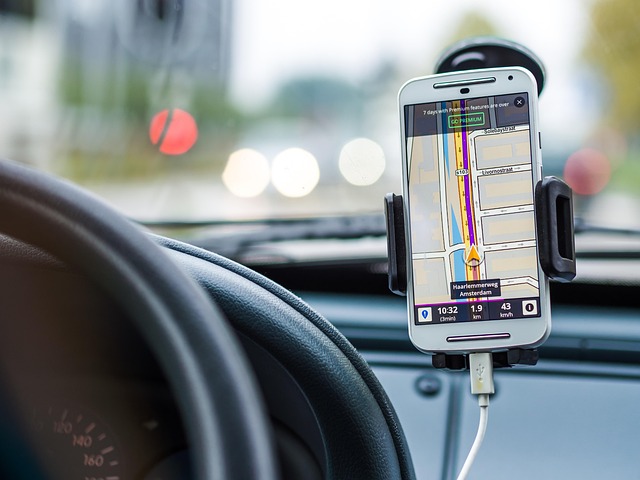
Our Pick: Wireless Android Auto Adapter
Car doesn’t have Google built-in yet? A wireless adapter gets you a similar hands-free Maps/Assistant experience without waiting for your next vehicle purchase.
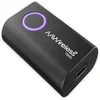
- Best for: cars with factory wired Android Auto that lack a wireless option
- Why we picked it: Bluetooth + Wi-Fi auto-connect, plug-and-play, engineered specifically for reliable Android Auto pairing
- Main drawback: costs more than generic 2-in-1 adapters
 Teeran 2-in-1 Adapter Budget-friendly CarPlay + Android Auto option Check on Amazon |
 VANMASS Phone Mount For cars with no built-in system at all Check on Amazon |
 Anker USB-C Car Charger Keeps your phone charged while running GPS/Assistant Check on Amazon |
Google Gemini Arrives in Cars With Google Built-In (2026 Update)
On April 28, 2026, GM announced that Google Gemini is replacing Google Assistant as the built-in voice AI on roughly 4 million eligible 2022-and-newer vehicles across Cadillac, Chevrolet, Buick, and GMC. Instead of rigid voice commands, Gemini understands natural, conversational requests — drivers can ask it to summarize incoming texts, find a specific type of restaurant along a route, or multitask across navigation and media with a single spoken request. Commercial-fleet features also let drivers plan multi-stop routes conversationally.
The rollout requires an active OnStar connection, a Google Play Store sign-in, the vehicle’s system language set to US English, and driver opt-in — it isn’t switched on automatically. Google has signaled that Gemini will expand to other GAS automaker partners over time, following the same pattern as the original Assistant rollout.
How GAS Is Shaping the Driving Experience
Beyond the headline apps, GAS integration changes daily driving in two concrete ways:
- Enhanced safety through hands-free control. Built-in Google Maps provides real-time traffic and route optimization without a phone mount blocking the view, and the voice assistant lets drivers control climate, calls, and messages without touching a screen.
- Personalization. Because the car itself is signed into a Google account, it can carry over saved destinations, music preferences, and driving history between trips — and even between GAS-equipped vehicles, if a driver switches cars.

Challenges and Considerations
Data privacy and security. Because GAS collects driving behavior, location, and personal account data, automakers must secure that data against cyber threats and comply with regional privacy laws — a bigger compliance burden than a simple phone-mirroring app carries.
Compatibility and integration. OEMs must ensure GAS works reliably with their existing infotainment hardware and software stack, which requires ongoing technical collaboration with Google rather than a one-time install.
Frequently Asked Questions
Who uses Google Automotive Services?
As of 2026, Volvo, Polestar, Ford, Lincoln, GM’s four brands (Cadillac, Chevrolet, Buick, GMC), Renault, Nissan, Honda, and Mazda all offer models with Google Automotive Services built in. Porsche has announced a future collaboration as well.
What is the difference between Google Auto and Google Automotive?
“Google Auto” usually refers colloquially to Android Auto, a phone app that mirrors your smartphone screen onto the car’s display. “Google Automotive” refers to Google Automotive Services (GAS), Google’s licensed app suite built directly into the vehicle itself. Android Auto needs your phone every drive; GAS runs natively on the car with no phone required.
What is GAS in Google Automotive Services?
GAS stands for Google Automotive Services — the bundle of licensed Google apps (Maps, Play Store, Assistant/Gemini) that automakers can install directly into their in-vehicle infotainment systems, running on Android Automotive OS.
What does Google Auto do?
Android Auto lets you access your phone’s music, media, messaging, and navigation apps on your car’s display by connecting your phone to the infotainment system. It’s separate from Google Automotive Services, which runs natively on the vehicle without needing a connected phone.
Is Gemini replacing Google Assistant in cars?
Yes. Starting April 2026, GM began rolling out Gemini as a replacement for Google Assistant on roughly 4 million eligible 2022-and-newer Cadillac, Chevrolet, Buick, and GMC vehicles with Google built-in. The upgrade requires an active OnStar connection, a Google Play Store sign-in, and driver opt-in, and Google has indicated it will expand to other automaker partners over time.
Google Automotive Services turns a car’s dashboard into its own connected Google device — native Maps, the Play Store, and now Gemini — without relying on a phone. If your current car doesn’t have it built in yet, a wireless Android Auto adapter is the closest thing you can add today.
Products related to this article
Sponsored / affiliate links. As an Amazon Associate I earn from qualifying purchases. I may earn additional commission from eligible campaigns.