What Cars Have Catalytic Converters That Are Worth Money: Best Buys
Looking to sell a car or its catalytic converter? Certain car models, particularly those from the early 2000s and some trucks/SUVs, command the highest prices due to their platinum, palladium, and rhodium content. Focusing on these makes can maximize your return.
When it comes to car parts, some are much more exciting than others. A shiny new tire? Okay. A fresh oil filter? Necessary, but not thrilling. But what about a catalytic converter? It might not win any beauty contests, but this often-overlooked part tucked away under your car can be surprisingly valuable, especially if you’re looking to sell an older vehicle or the converter itself. Many car owners wonder which cars are known for having these precious metal-filled components. Don’t worry, you don’t need to be a master mechanic to understand which vehicles hold this hidden treasure. We’ll guide you through, making it simple and clear.
Understanding Your Car’s Catalytic Converter: More Than Just a Smog Fighter
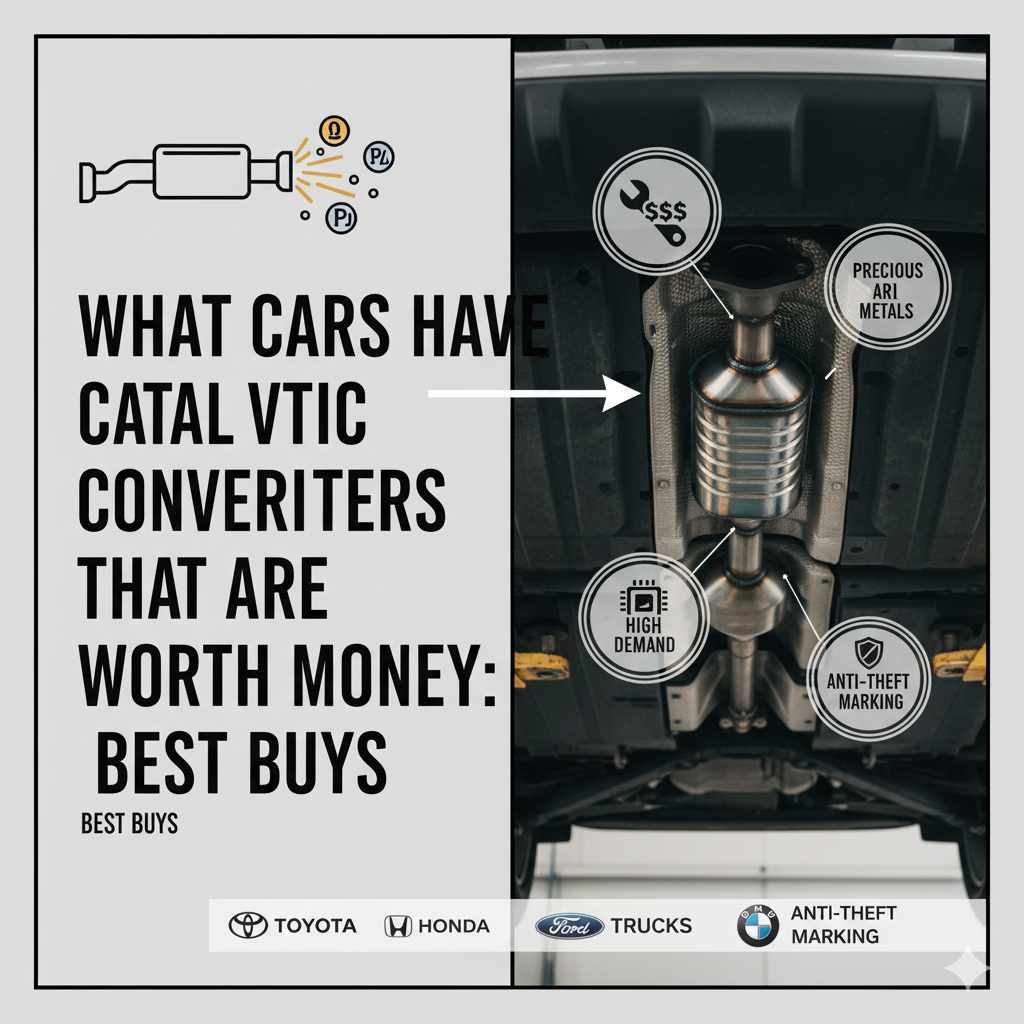
Your car’s catalytic converter is a vital part of its exhaust system. Its main job is to reduce harmful emissions from your engine before they’re released into the air. It does this by using a honeycomb-like structure coated with precious metals – typically platinum, palladium, and rhodium. These metals act as catalysts, transforming toxic gases like carbon monoxide, nitrogen oxides, and unburned hydrocarbons into less harmful substances like water vapor, nitrogen, and carbon dioxide.
Because these metals are rare and expensive, catalytic converters themselves can be worth a good amount of money. The exact value depends on the car model, the year it was made, and the current market price of these precious metals. Older vehicles, especially those produced before emissions standards became extremely strict, often contained larger and more robust catalytic converters with higher concentrations of these valuable elements.
So, if you’re thinking about scrapping an old car, selling it, or even just curious about what’s under your vehicle, knowing which cars consistently feature more valuable catalytic converters can be a great piece of knowledge to have. It’s like finding hidden treasure, but for your driveway!
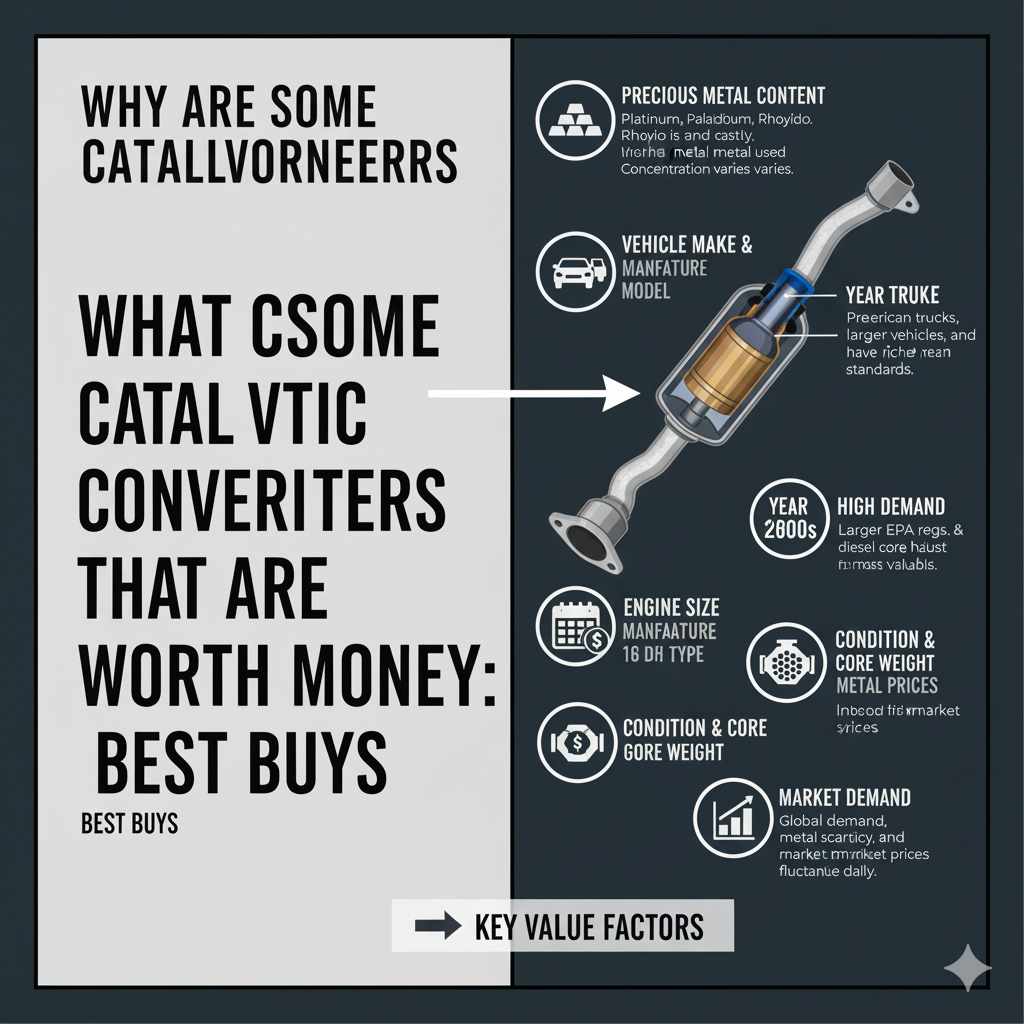
Why Are Some Catalytic Converters Worth More Than Others?
The value of a catalytic converter isn’t uniform; it varies significantly based on several key factors. Understanding these will help you identify which ones are the “best buys” if you’re looking to sell or recycle.
- Precious Metal Content: This is the biggest driver of value. Platinum, palladium, and rhodium are the stars of the show. Rhodium, in particular, is exceptionally rare and costly, often making up a significant portion of a converter’s worth. The concentration and specific mix of these metals differ across manufacturers and models.
- Vehicle Make and Model: Certain car manufacturers used richer catalytic converters than others. Historically, American-made trucks and larger vehicles, as well as performance cars, tended to have larger and more valuable converters.
- Year of Manufacture: Cars manufactured in the late 1990s and early to mid-2000s are often prime candidates. Before stricter EPA regulations were fully implemented and enforced across all models (around the mid-2000s), manufacturers sometimes used more generous amounts of precious metals to meet emissions standards.
- Engine Size and Type: Generally, vehicles with larger engines (like V6 or V8) and diesel engines, especially trucks and SUVs, require more robust exhaust systems and thus, often have larger or multiple catalytic converters that contain more valuable metals.
- Condition and Core Weight: While the internal honeycomb is key, the outer shell’s material (usually stainless steel) also has some scrap value. A converter that is intact and hasn’t been damaged or stripped of its internal components will fetch a higher price.
The “Best Buys”: Cars Known for Valuable Catalytic Converters
When it comes to identifying cars with catalytic converters that are worth money, a few trends and specific models consistently stand out. These are often vehicles that were designed before catalytic converter theft became widespread, leading manufacturers to use more on-board. They also tend to be larger vehicles with bigger engines.
Here are some categories and specific examples of cars whose catalytic converters are often considered more valuable:
Commonly Valuable Makes and Models
While it’s hard to give an exact list that will always be true for every single vehicle, certain brands and types of vehicles have a reputation for containing more valuable catalytic converters. Think of vehicles that were popular in the early 2000s, especially those with larger engines or those designed for tougher conditions.
- American Trucks and SUVs: These are often the top contenders. Models like Ford F-150, Chevrolet Silverado, GMC Sierra, Dodge Ram (now RAM trucks) from the late 1990s through the mid-2000s are frequently cited for their valuable converters. Their larger V6 and V8 engines typically mean more than one converter, and they were often built with substantial amounts of platinum and palladium.
- Performance and Luxury Sedans: Cars designed for higher performance or luxury often had more advanced or larger catalytic converter systems. Brands like BMW (especially models like the 3-series and 5-series from the early 2000s), Mercedes-Benz, Audi, and some American performance models (like certain Ford Mustangs or Chevrolet Camaros) can contain valuable converters.
- Popular Sedans from the Early 2000s: Many mainstream sedans from this era also hold value. Cars like the Honda Accord, Honda Civic (particularly V6 models if applicable), Toyota Camry, Toyota Corolla, Nissan Altima, and Ford Taurus are common finds with respectable amounts of precious metals.
- Vans and Minivans: Larger vehicles like the Honda Odyssey, Toyota Sienna, and Ford Econoline vans from the late 90s and early 2000s can also have valuable catalytic converters due to their engine size and the demands placed upon them.
Specific Examples and Considerations
It’s important to remember that within each model, the specific engine and drivetrain can affect the catalytic converter. For instance, a V8 engine will typically have a different setup than a 4-cylinder engine in the same model line.
Example: A 2003 Ford F-150 with a 5.4L Triton V8 engine is often cited as having highly valuable catalytic converters. This specific combination is known for having two substantial converters that fetch a good price on the scrap market.
Tip: Always try to identify if your vehicle has one or multiple catalytic converters. Many trucks and SUVs have two, doubling the potential value if you were to sell them.
How to Identify and Verify a Valuable Catalytic Converter
Knowing which cars are likely to have valuable converters is step one. Step two is figuring out how to verify a specific converter’s potential worth. This can be done through a combination of visual inspection and research, or by consulting a professional.
Visual Clues to Look For
When you or a mechanic inspects a catalytic converter, there are certain visual cues that can hint at its value:
- Size and Shape: Larger, heavier converters are generally more valuable. If it looks like a substantial piece of metal, it’s likely to contain more of the precious metals.
- Manufacturer Markings: Sometimes, original equipment manufacturer (OEM) parts might have specific markings. While not always indicative of value, they can help in identifying the part.
- The “Honeycomb” Inside: If you can safely see the internal structure (usually by looking into the inlet or outlet pipes if it’s been removed), the ceramic honeycomb coated in the precious metals is the key component. The more intact and dense this honeycomb appears, the more likely it is to be valuable.
- Sticker or Part Number: Often, there’s a part number or a sticker on the converter. This can be used to look up the specific model and year it came from.
Researching Specific Models
The best resource for beginners is often doing some online research. Search for “[Your Car Make and Model] [Year] catalytic converter value” or “[Your Car Make and Model] [Year] precious metal content.” This often leads to forums, scrap metal recycling sites, and automotive parts recyclers that discuss common findings.
Reputable online scrap yards and catalytic converter buyers often have lists of makes and models they prioritize, which can give you a good idea of what’s in demand.
Helpful Resource: Websites like the U.S. Environmental Protection Agency (EPA) offer general information on how catalytic converters work, which can build your understanding of their function and components.
Working with Professionals
If you’re not comfortable removing parts yourself or want a definitive answer, consulting a trusted local mechanic or a specialized catalytic converter buyer is your best bet. They have the experience and tools to assess converters accurately.
Scrap yards that specialize in auto parts often offer immediate quotes. Be sure to get quotes from a few different places to ensure you’re getting a fair price. For example, searching for “catalytic converter buyer near me open now” can help you find local options.
How to Safely Remove and Handle Catalytic Converters
Removing a catalytic converter can be a straightforward process for those with basic mechanical skills and the right tools, but safety is paramount. If you’re unsure, it’s always best to have a professional do it.
Tools You Might Need
Gathering the necessary tools before you start will make the job much smoother and safer:
- Safety Glasses: Essential for protecting your eyes from debris.
- Gloves: Work gloves to protect your hands.
- Jack and Jack Stands: To safely lift and support the vehicle. Never work under a car supported only by a jack. For guidance on safe vehicle lifting, consult resources like NHTSA’s guidelines on lifting and towing.
- Socket Set and Ratchet: To remove the bolts holding the converter in place.
- Penetrating Oil (e.g., WD-40): To loosen rusty bolts.
- Wire Brush: To clean off rust and debris from bolts and connections.
- Exhaust Hanger Pliers (optional): Can make disconnecting exhaust hangers easier.
- Replacement Gaskets and Hardware (optional): If you plan to reinstall the exhaust system.
Step-by-Step Removal Process (Beginner-Friendly)
This is a simplified guide. Always refer to your vehicle’s specific repair manual for detailed instructions.
- Safety First: Park your car on a level surface. Engage the parking brake. If you need to lift the vehicle, use a jack and then securely place jack stands under the frame rails or designated support points.
- Locate the Converter: The catalytic converter is part of the exhaust system, typically located between the exhaust manifold (which connects to the engine) and the muffler. It’s usually a bulge in the pipe.
- Apply Penetrating Oil: Spray a rust penetrant on the bolts that hold the converter to the exhaust pipes. Let it soak for at least 15-30 minutes, or even longer if the bolts are very rusty.
- Remove Heat Shields (if necessary): Some converters have heat shields covering them. You may need to remove these first.
- Disconnect from Exhaust Pipes: Using your socket set and ratchet, carefully loosen and remove the bolts holding the catalytic converter in place. You might need to disconnect it from flanges attached to the exhaust pipes.
- Detach Exhaust Hangers: The converter is usually supported by rubber hangers attached to the vehicle’s frame. You may need to use pliers or a pry tool to gently unhook these.
- Carefully Lower the Converter: Once all bolts and hangers are disconnected, carefully slide or lower the catalytic converter from under the vehicle. Be prepared for it to be heavy.
- Inspect and Clean: Once removed, you can further inspect it. Clean off any loose dirt or rust from the exterior.
Post-Removal Considerations
- Legality: In many places, it is illegal to remove a catalytic converter from a vehicle that is still in use, as it’s a critical emissions control device. This guide assumes you are dealing with a vehicle being scrapped, a part being sold separately, or if it’s part of a legitimate repair or replacement process.
- Environmental Responsibility: Proper disposal or recycling of automotive parts is important. Take removed converters to reputable recycling centers or scrap yards that handle automotive components.
- Professional Assistance: If you encounter stubborn bolts, severely rusted components, or are uncomfortable with any part of the process, take your vehicle to an exhaust shop or a qualified mechanic.
Where to Sell Your Valuable Catalytic Converters
Once you’ve identified and safely removed a potentially valuable catalytic converter, the next step is finding a buyer. Several options exist, each with its pros and cons.
Catalytic Converter Buyers and Scrap Yards
These are specialized businesses whose primary service is purchasing catalytic converters. They have the expertise to quickly assess the value based on the metals inside. They often have price lists for different types of converters.
- Pros: Quickest way to get cash, knowledgeable buyers, often pay top dollar for valuable converters.
- Cons: You’ll get less than the refined metal value, as they need to profit.
- How to Find: Search online for “catalytic converter scrap yard,” “auto parts recycler,” or “where to sell catalytic converters” in your local area.
General Scrap Metal Recyclers
While they accept catalytic converters, they might not specialize in them. Their pricing can be more generic, potentially undervaluing converters with high precious metal content.
- Pros: Widely available.
- Cons: May not offer the best price because they might not accurately assess the specific precious metal content beyond general scrap steel.
Online Buyers and Mail-In Services
There are companies that allow you to mail in your catalytic converter. They provide a quote after receiving and processing it.
- Pros: Convenient if you don’t have local specialized buyers.
- Cons: Can take longer, requires shipping costs, and you’re trusting a remote buyer. Research their reputation thoroughly.
Selling the Entire Vehicle
If the catalytic converter is still attached to a vehicle you’re selling, you might get more value by selling the whole car as-is, especially if it’s a model known for valuable converters. You can advertise it as “mechanic special” or “project car,” and mention it has an original, intact catalytic converter. Buyers looking for parts might be willing to pay more for the whole package.
Tip: Always call ahead to inquire about their pricing and what types of converters they are most interested in. Bringing the converter to them is usually the fastest way to get an evaluation and sale.
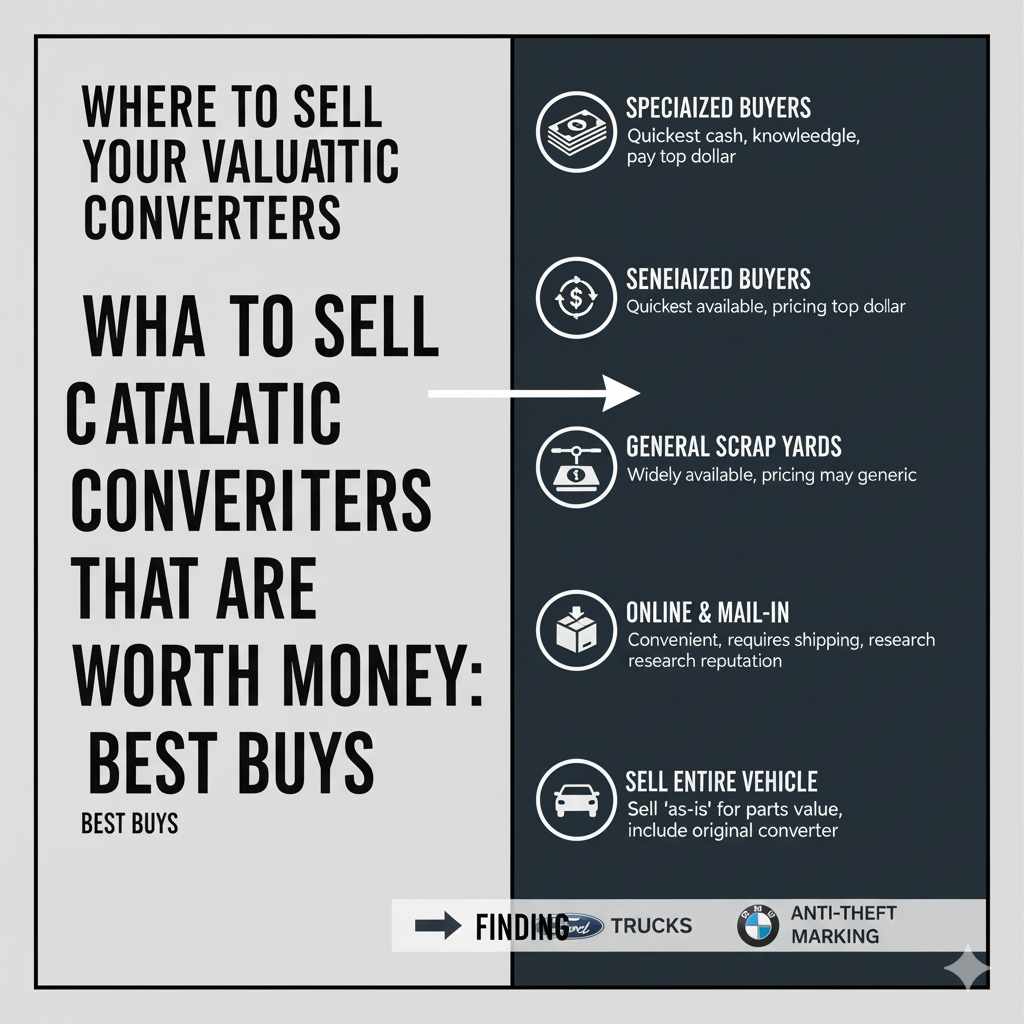
Table: Common Catalytic Converter Value Factors
Here’s a quick look at what influences how much money your catalytic converter is worth:
| Factor | Description | Impact on Value |
|---|---|---|
| Precious Metal Content (Rh, Pt, Pd) | The core of the value. Rhodium is the most expensive. | High impact. More valuable metals = higher price. |
| Vehicle Make & Model | Certain vehicles from specific eras were equipped with richer converters. | Moderate to High impact. Trucks and luxury/performance cars often better. |
| Year of Manufacture | Older cars (pre-mid-2000s) often had more valuable metals. | Significant impact. Early 2000s are often prime. |
| Engine Size | Larger engines typically require larger or multiple converters. | Moderate impact. V6/V8 engines are usually better. |
| Condition | Intact internal honeycomb, no damage, no signs of tampering. | Moderate impact. A clean, solid converter is worth more. |
| Number of Converters | Some vehicles have two or more catalytic converters. | Directly multiplies value potential. |
Frequently Asked Questions (FAQ)
Q1: How do I know if my car’s catalytic converter is valuable before I remove it?
A: You can research common models known for valuable converters (like older trucks and performance cars). You can also check if your car has a particularly large or heavy converter, which often indicates more precious metal content. Online forums and scrap yard price lists can be very helpful.