What Cars Have Dual Clutch Transmission? Full List
So, what exactly is a dual-clutch transmission? Think of it as two manual transmissions working together. One clutch handles the even gears (2, 4, 6).
The other clutch handles the odd gears (1, 3, 5, and reverse). This means the next gear is already pre-selected. When you need to shift, it’s just a quick switch.
This makes shifts super fast. It feels very smooth.
DCTs blend the best parts of manual and automatic transmissions. They offer the control and efficiency of a manual. They also provide the ease of use of an automatic.
This technology has been around for a while. It started in race cars. Now, it’s common in many everyday vehicles.
It’s a sign of modern car engineering.
The magic happens because of how the clutches work. When you’re in first gear, the second gear is already set up. The computer knows when to disengage the first clutch and engage the second.
This happens in milliseconds. It’s much quicker than a human can shift a manual. This speed is what drivers love.
It adds to the car’s sporty feel.
Different car makers use different names for their DCTs. You might see terms like DSG (Direct-Shift Gearbox) from Volkswagen. Or PDK (Porsche Doppelkupplung) from Porsche.
Ford uses PowerShift. Hyundai and Kia have their own versions. Even though the names differ, the core idea is the same.
It’s about efficiency and performance through clever gearing.
How DCTs Work: The Two Clutches
The Core Idea: Two clutches, one for odd gears, one for even gears.
Pre-Selection: While one gear is active, the next is ready.
Fast Shifts: Clutches swap in fractions of a second.
Smoothness: Minimal power interruption during shifts.
This system requires a lot of precision. The electronics and hydraulics must work perfectly together. This is why DCTs are often found in performance-oriented vehicles.
They handle more power. They provide a more engaging driving experience. But they are now also common in regular sedans and SUVs.
This shows how much the technology has advanced.
My First Encounter with a DCT
I remember my first time driving a car with a dual-clutch transmission. It was a few years ago. I was looking at a used sporty sedan.
The salesperson mentioned it had a DSG. I nodded, thinking I knew what an automatic was. But as soon as I pulled away, I felt it.
The car just moved. There was this immediate surge of power.
I tried accelerating gently at first. The shifts were almost invisible. Then, I pushed the pedal a bit harder.
The gear changes were incredibly quick. It felt like the car was responding instantly to my thoughts. It was a very different sensation from the slushy automatics I was used to.
It felt more connected, more direct. I was a bit startled by how fast it was.
I spent the rest of the test drive just playing with it. I’d accelerate, brake, and then accelerate again. Each time, the transmission would find the right gear almost before I realized I needed it.
It made driving feel more dynamic. It was like the car was always a step ahead. This was a big change for me.
I was hooked.
That experience really opened my eyes. I realized that transmissions had come a long way. It wasn’t just about getting from point A to point B anymore.
It was about the how. The way the power delivered, the feel of the drive. This DCT was a game-changer for my perception of car tech.
It made me pay more attention to what was under the hood and between the wheels.
Quick Scan: DCT Benefits
- Fast Gear Changes: Shifts happen in milliseconds.
- Fuel Efficiency: Often better than traditional automatics.
- Sporty Feel: More direct connection to the engine.
- Performance: Quicker acceleration and responsiveness.
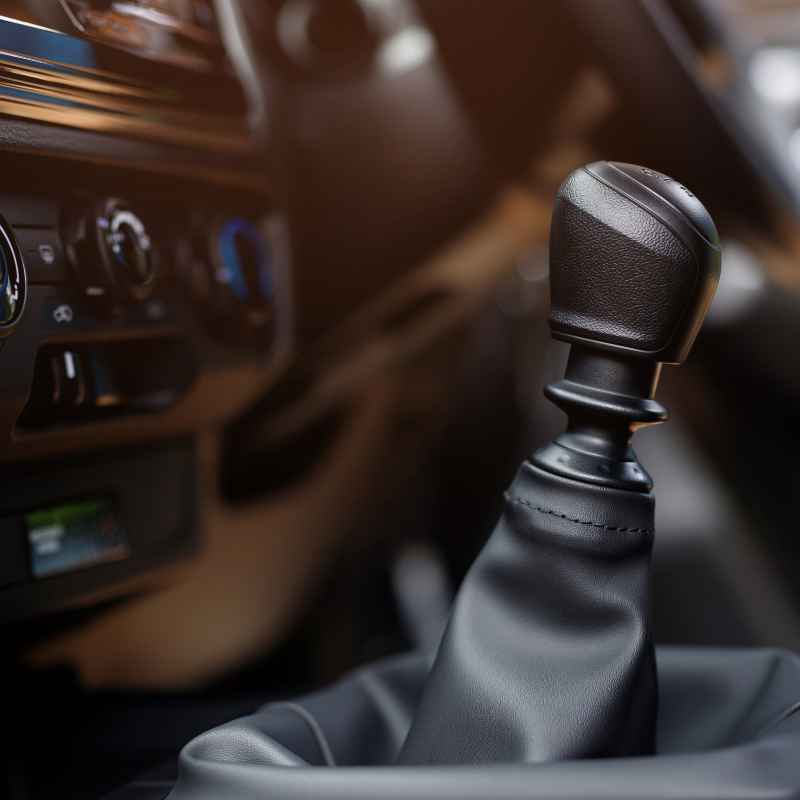
Cars Offering Dual-Clutch Transmissions
The number of cars featuring DCTs has grown a lot. Many manufacturers now use them across their lineups. This technology is no longer just for high-end sports cars.
You can find it in many practical vehicles too. Let’s look at some brands and models.
Volkswagen Group (VW, Audi, Porsche, Skoda, SEAT)
Volkswagen was an early adopter of DCT technology. They call their system DSG (Direct-Shift Gearbox). It’s a well-regarded system.
You’ll find it in many of their popular models.
Volkswagen:
- Golf (GTI, R models especially)
- Jetta
- Passat
- Tiguan
- Arteon
- Atlas
Audi: Audi uses the S tronic dual-clutch transmission. It’s known for its refinement.
- A3
- A4 (some trims)
- A5
- A6 (some trims)
- A7 (some trims)
- Q3
- Q5
- TT
- R8
Porsche: Porsche’s PDK (Porsche Doppelkupplung) is famous. It’s one of the best DCTs available.
- 911 Carrera models
- 718 Boxster & Cayman models
- Panamera
- Cayenne
- Macan
Audi S tronic vs. VW DSG
Similarity: Both are dual-clutch transmissions from the VW Group.
Difference: S tronic is often found in more premium Audi models. It may offer slightly different tuning for smoothness and speed.
Hyundai and Kia
These Korean automakers have made significant strides. They offer their own DCTs, often called the 8-speed DCT. It provides good performance and efficiency.
Hyundai:
- Elantra (performance variants)
- Sonata (some trims)
- Kona
- Tucson (some trims)
- Santa Fe (some trims)
- Veloster N
Kia:
- Forte (GT models)
- K5 (some trims)
- Seltos
- Sportage (some trims)
- Carnival
- Stinger (some older models had DCT)
Ford
Ford has used DCTs, notably their PowerShift transmission. While some earlier models faced reliability concerns, newer applications are generally solid.
- Focus (some generations, e.g., 2012-2018 models)
- Fiesta (some models)
- Escape (some turbocharged models)
- EcoSport
It’s important to note that Ford has been transitioning away from the PowerShift in some newer models. They are favoring traditional automatics or CVTs in certain applications. Always check the specific model year and trim.
BMW
BMW uses DCTs, especially in their M performance models. They call it the M-DCT. It’s known for aggressive, quick shifts.
- M2
- M3
- M4
- M5 (some older generations)
- M8
- X3 M
- X4 M
- X5 M
- X6 M
For their standard models, BMW often uses excellent ZF-sourced 8-speed automatic transmissions. These are also very quick and smooth, but they are torque converter automatics, not DCTs.
Mercedes-Benz
Mercedes-Benz offers a DCT called the SPEEDSHIFT DCT. It’s found in their AMG performance vehicles.
- AMG A-Class (A35, A45)
- AMG CLA-Class (CLA35, CLA45)
- AMG GLA-Class (GLA35, GLA45)
- AMG C-Class (C63 variants)
- AMG GT models
Like BMW, standard Mercedes-Benz models often use 9-speed automatic transmissions.
Contrast: DCT vs. Traditional Automatic
DCT:
- Pros: Fast shifts, efficient, sporty feel.
- Cons: Can be less smooth at very low speeds, potentially more complex to repair.
Traditional Automatic (Torque Converter):
- Pros: Very smooth, durable, good for towing.
- Cons: Can feel less engaging, sometimes slower shifts, slightly less efficient.
Other Manufacturers and Models
The list continues to grow. Many other brands incorporate DCTs.
Ferrari: All modern Ferraris use a DCT, usually an 8-speed or 7-speed. They are incredibly fast and high-performance.
- 296 GTB/GTS
- SF90 Stradale
- Roma
- Portofino M
- 812 Superfast/GTS (older generation used a different system, newer are DCT)
Lamborghini: Their 7-speed LDF (Lamborghini Doppia Frizione) is found in models like the Huracan.
- Huracan EVO
- Huracan STO
McLaren: Most McLarens use a 7-speed dual-clutch transmission.
- 720S
- Artura
- GT
Alfa Romeo: Some performance models feature a DCT.
- Giulia Quadrifoglio (though some might have an 8-speed auto)
- Stelvio Quadrifoglio
Chevrolet: The Corvette (C7 generation and earlier) had a 7-speed manual. The C8 Corvette is mid-engined and uses an 8-speed dual-clutch automatic.
- Corvette C8 Stingray
- Corvette C8 Z06
Maserati: Some models, particularly performance-oriented ones, use DCTs.
- MC20
Genesis: Hyundai’s luxury brand also uses DCTs in some of its sportier models.
- G70 (some trims)
- G80 (some trims)
Quick Facts about DCTs
- Origin: Race cars.
- Names: DSG, PDK, S tronic, SPEEDSHIFT DCT, PowerShift, 8-speed DCT.
- Benefit: Very fast gear changes.
- Efficiency: Often better than traditional automatics.
Why Choose a Car with a DCT?
There are several compelling reasons why someone would seek out a car with a dual-clutch transmission. It really comes down to driving experience and efficiency.
Performance and Driving Dynamics
This is the big one for many drivers. DCTs offer a more engaging and thrilling driving experience. The rapid gear changes mean the engine stays in its power band more often.
This leads to quicker acceleration. It makes the car feel more lively and responsive. If you enjoy spirited driving, a DCT can make a noticeable difference.
It feels more connected to the road.
Fuel Economy
Surprisingly, DCTs can often be more fuel-efficient than traditional automatic transmissions. This is because they don’t use a torque converter, which can absorb some engine power. The direct mechanical link of the clutches means less power is lost.
This translates to better miles per gallon, especially on the highway. It’s a win-win for performance and economy.
Technological Advancement
For car enthusiasts, a DCT represents cutting-edge automotive technology. It’s a sophisticated piece of engineering. It shows that a manufacturer is investing in advanced drivetrains.
It’s a feature that can make a car feel modern and high-tech.
Specific Driving Scenarios
In city driving, DCTs can sometimes be a bit less smooth than a well-tuned traditional automatic. This is especially true at very low speeds or in stop-and-go traffic. The clutches engage and disengage, which can sometimes feel a little jerky if the system isn’t perfectly calibrated.
However, modern DCTs have gotten much better at managing these low-speed maneuvers.
On the open road, or during spirited driving, this is where the DCT shines. Overtaking is easier. Merging onto a highway is more confident.
The quick shifts mean you don’t lose momentum. It makes the car feel powerful and agile.
Driver Feel: DCT vs. Others
DCT: Direct, fast, sporty, efficient. Can be slightly less smooth at creep speeds.
Torque Converter Auto: Smooth, refined, good for towing. Can feel less engaging.
CVT (Continuously Variable Transmission): Smooth, very efficient. Can feel disconnected or “drone” at high RPMs.
When to Be Cautious with DCTs
While DCTs offer many benefits, there are a few things to keep in mind. Understanding these can help you make an informed choice.
Low-Speed Smoothness
As mentioned, some DCTs can be less smooth than traditional automatics at very low speeds. This might be noticeable when you’re inching forward in traffic or parking. The engagement of the clutches can sometimes feel a little abrupt.
It’s not a deal-breaker for most, but it’s something to experience during a test drive.
Repair Costs
DCTs are complex systems. If something goes wrong, repairs can be more expensive than for simpler transmissions. This is a general consideration for any advanced automotive technology.
Regular maintenance is key to longevity.
Specific Model Reliability
While the technology is generally sound, there have been specific models or generations where DCTs have had more issues. Ford’s PowerShift transmission, for example, faced criticism for reliability in some early applications. Always research the specific model year and transmission you are considering.
Look for owner reviews and reliability ratings.
For example, if you are looking at a used Ford Focus from around 2012-2018, it’s wise to research the PowerShift transmission’s history. Newer Ford models, and DCTs from German manufacturers like VW, Audi, and Porsche, generally have a better reputation for durability.
Things to Check for Used DCT Cars
- Test Drive: Pay attention to low-speed behavior.
- Maintenance Records: Ensure regular servicing.
- Recalls: Check for any outstanding recalls.
- Owner Reviews: Look for common issues for that specific model.
Real-World Scenarios and DCT Performance
Let’s paint a picture of how a DCT performs in different real-life situations.
The Commute
Imagine your daily drive to work. You’re stuck in traffic. The car is crawling forward.
A traditional automatic might feel seamless here. A DCT might give you a slight jolt as it engages. However, once you get to a steady speed on the highway, the DCT comes alive.
When you need to pass a slow-moving truck, you press the gas. The downshift is instant. The power delivery is immediate.
This makes the commute less tedious. It adds a touch of excitement even on a boring road.
Weekend Fun Drives
This is where DCTs truly excel. You’re on a winding country road. You want to feel connected to the car.
You use the paddle shifters. Each upshift is a crisp, satisfying snap. The revs climb, and the engine note changes perfectly.
The car doesn’t hesitate. It just rockets forward. You can brake hard, downshift, and feel the engine perfectly matched to the new speed.
It feels like you’re in a race car.
Family Road Trip
On a long family trip, efficiency is key. You want to cover miles without stopping for gas too often. A DCT, with its good fuel economy, is a great partner.
The smooth shifts at highway speeds also contribute to a comfortable ride for passengers. While it might not be as ultra-smooth as some luxury SUVs with torque converters, it’s generally very refined. Your passengers might not even notice the shifts.
DCT in Action: Driving Style Matters
Aggressive Driving: DCTs shine. Quick shifts, strong acceleration.
Gentle Driving: Generally good, but watch for low-speed smoothness.
Highway Cruising: Efficient and smooth.
What This Means for You
So, what should you take away from all this? Knowing which cars have DCTs can help you find the driving experience you’re looking for.
When a DCT is Normal and Great
If you value sporty driving, quick acceleration, and good fuel efficiency, a DCT is a fantastic choice. It’s ideal for performance cars, hot hatches, and sedans where driving dynamics are a priority. Modern DCTs from reputable brands are reliable and deliver an engaging drive.
They make driving more fun.
When to Be a Little Cautious
If your absolute top priority is the smoothest possible ride at all speeds, especially in stop-and-go traffic, and you prefer ultimate simplicity, a traditional torque converter automatic or a CVT might be a better fit. Also, if you’re looking at an older used car with a DCT, do thorough research on the specific model’s reliability.
Simple Checks You Can Do
1. Test Drive: This is the most important step. Drive the car in different conditions.
Pay attention to how it shifts when accelerating, decelerating, and at very low speeds. Use manual mode or paddle shifters to feel the control.
2. Research: Look up reviews for the specific year and model. See what owners and experts say about the transmission.
Check for any known issues or common problems.
3. Maintenance History: For a used car, check the service records. See if the transmission fluid has been changed according to the manufacturer’s schedule.
Quick Decision Guide
Want Sporty & Fast? Yes → Consider DCT.
Want Ultra-Smooth Low Speeds? Yes → Traditional Auto might be better.
Want Max Fuel Savings? Both DCT and CVT can be good.
Quick Fixes & Tips for DCT Owners
While you can’t “fix” a DCT yourself like a manual gearbox, good ownership practices ensure it runs smoothly.
Regular Maintenance is Key
Just like an engine, a DCT needs regular fluid changes. Your car’s manual will specify the intervals. Follow them.
Using the correct type of transmission fluid is also critical.
Drive Smoothly When Possible
While designed for performance, avoiding constant hard acceleration and braking can extend the life of any transmission. Let the transmission do its job. Don’t constantly override it with paddle shifters if you’re just cruising.
Listen for Strange Noises
Any grinding, clunking, or unusual sounds from the transmission should be checked by a qualified mechanic immediately. Early detection can prevent more serious and expensive damage.
Understand the Different Modes
Many cars with DCTs have different driving modes (e.g., Eco, Normal, Sport, Manual). Understand what each mode does to the transmission’s behavior. Using the appropriate mode for the driving situation can improve both performance and efficiency.
Frequently Asked Questions About Dual-Clutch Transmissions
What is the main difference between a DCT and a regular automatic transmission?
A regular automatic transmission uses a torque converter to transfer power from the engine to the gearbox. A dual-clutch transmission (DCT) uses two separate clutches, one for odd gears and one for even gears, allowing for faster and more direct gear changes.
Are DCTs reliable for everyday driving?
Yes, modern DCTs from reputable manufacturers are generally reliable for everyday driving. However, like any complex component, they require proper maintenance and can be more expensive to repair if issues arise compared to simpler transmissions.
Can you drive a DCT like a manual?
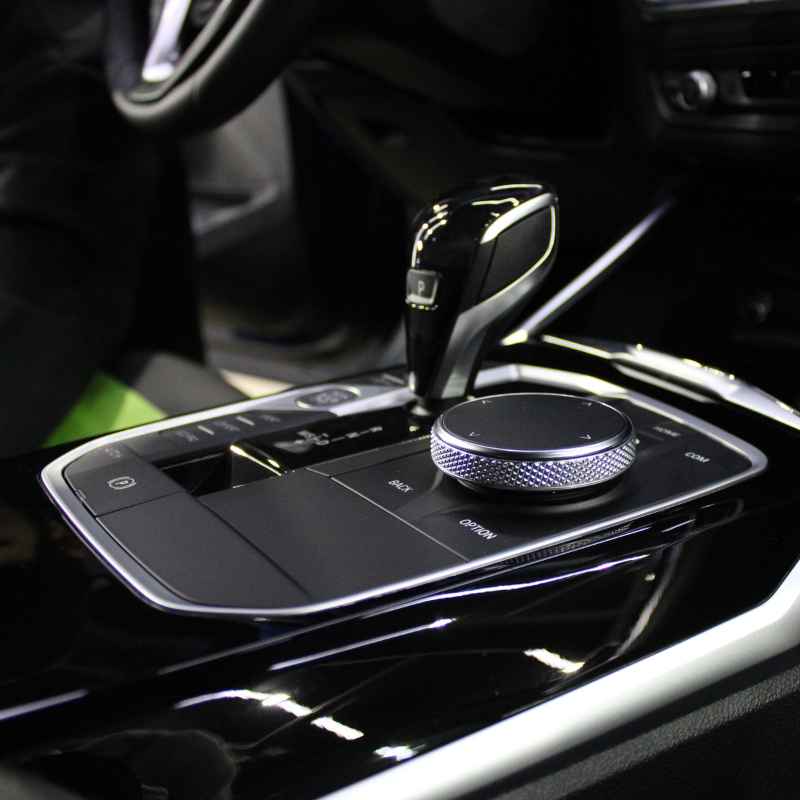
Many cars with DCTs have paddle shifters or a manual mode on the gear selector, allowing you to manually select gears. This gives you more control, similar to a manual transmission, but the clutch operation is still automated.
Are DCTs good for fuel economy?
Often, yes. DCTs can be more fuel-efficient than traditional automatic transmissions because they minimize power loss through the driveline, similar to a manual transmission.
What are some common issues with DCT transmissions?
Some DCTs can exhibit less smooth shifting at very low speeds or in stop-and-go traffic. Over time, clutch wear can occur, and like any transmission, they can develop internal issues if not properly maintained. Specific models may have unique known problems.
Which car brands use dual-clutch transmissions the most?
Volkswagen Group (VW, Audi, Porsche), Hyundai, Kia, BMW, and Mercedes-Benz are among the brands that frequently use DCTs, especially in their performance-oriented models. Many supercar manufacturers also rely heavily on DCT technology.
Conclusion
Dual-clutch transmissions offer a compelling blend of performance, efficiency, and engagement. The list of cars featuring this technology continues to grow. Understanding how they work and which models offer them empowers your car buying journey.
Whether you crave thrilling shifts or just want a more responsive ride, a DCT might be exactly what you’re looking for. Always test drive and research to find the perfect fit for your needs.
Products related to this article
Sponsored / affiliate links. As an Amazon Associate I earn from qualifying purchases. I may earn additional commission from eligible campaigns.