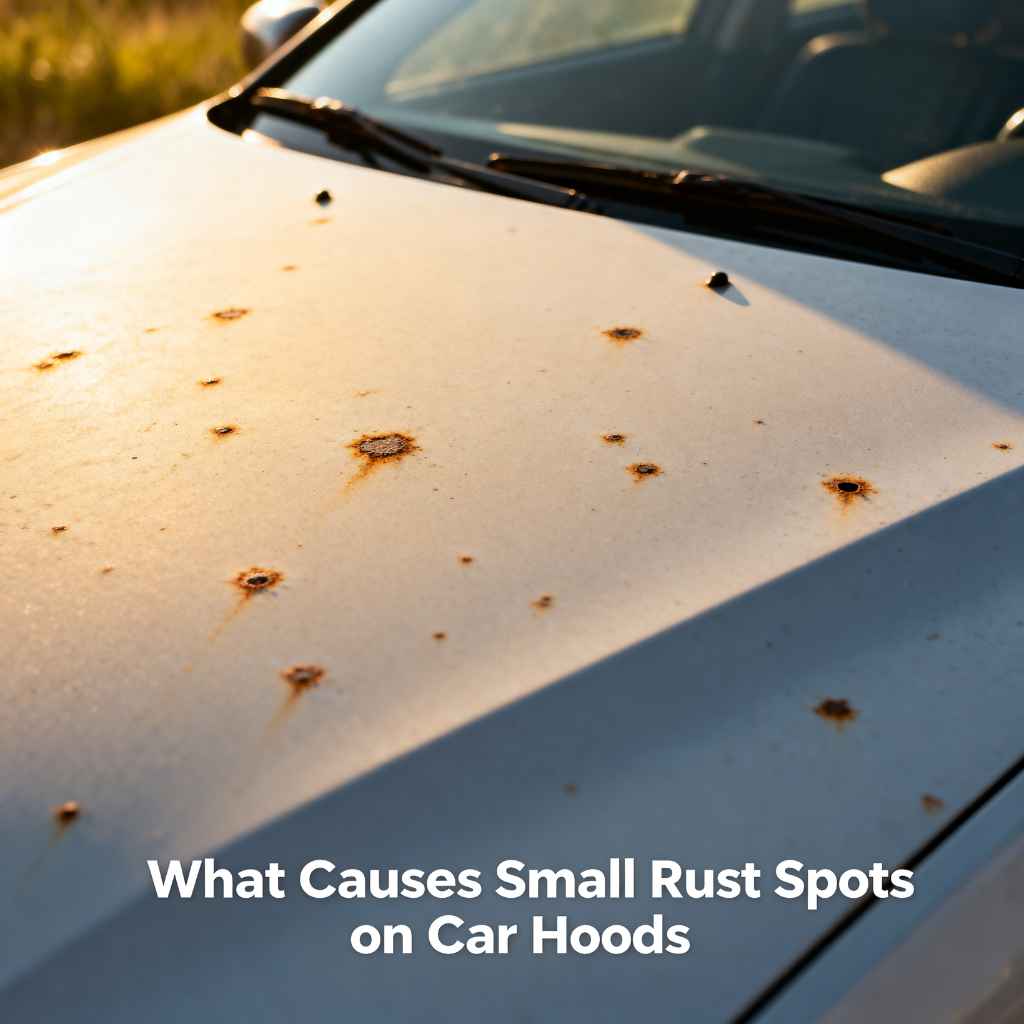
What Causes Small Rust Spots on Car Hoods
Seeing little dots of rust on your car’s hood can be a bit puzzling, especially if you’re new to car care. It’s easy to wonder What Causes Small Rust Spots on a Car Hood? This is a common issue, and thankfully, fixing it is simpler than it looks. Don’t worry, we’ll walk through it step by step.
We’ll explore the reasons behind these spots and how to get rid of them to keep your car looking great.
Understanding What Causes Small Rust Spots on a Car Hood
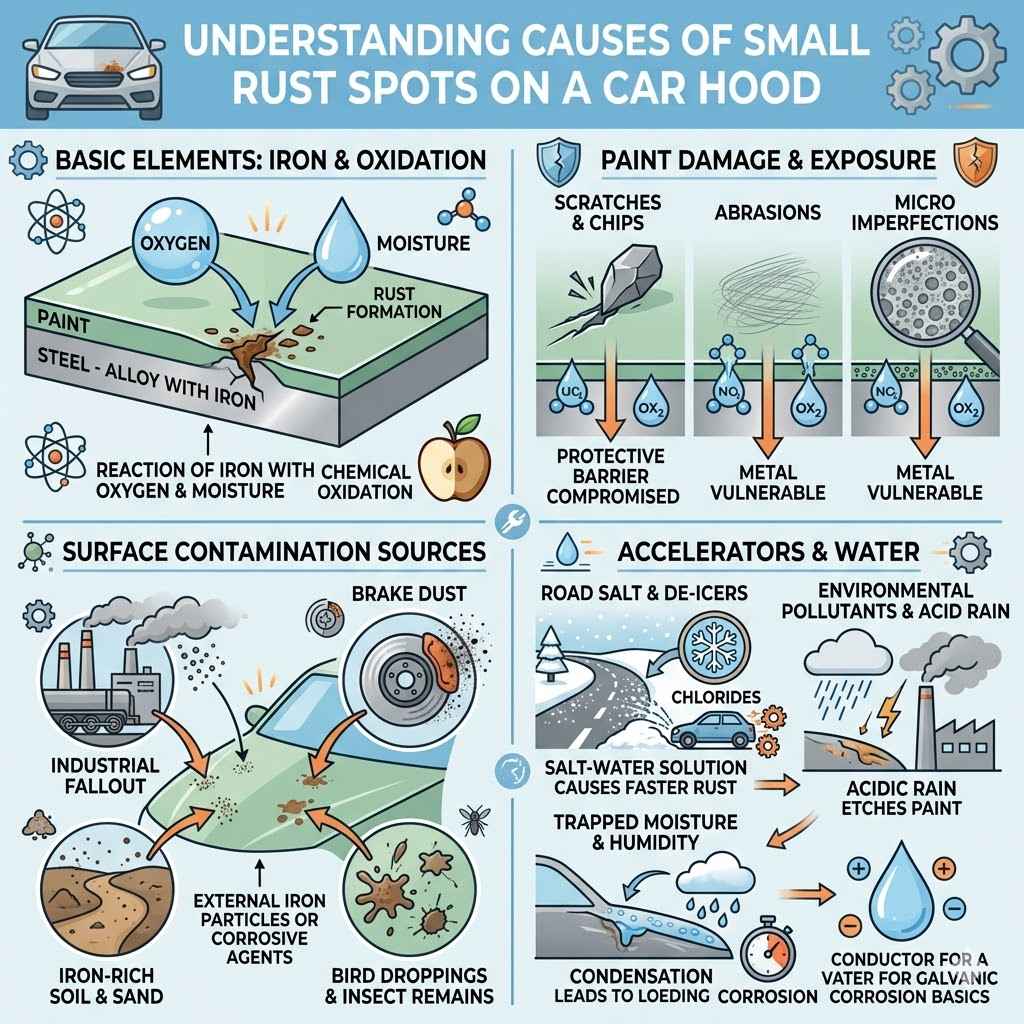
Small rust spots on a car hood are a common sight for many car owners. They can appear unexpectedly, leaving you wondering why your vehicle is developing these little blemishes. This section will explain the primary culprits behind these surface rust specks, helping you understand the science behind corrosion.
We’ll break down the basic elements that lead to rust formation, making it easy to grasp even if you’re not a car expert. Knowing the cause is the first step to preventing and fixing these issues.
The Role of Iron and Oxidation
Iron is a metal that is very reactive. When iron is exposed to oxygen and moisture, a chemical reaction occurs. This reaction is called oxidation.
It’s similar to how an apple turns brown when you cut it and leave it out.
On your car, the iron is part of the steel used to make the body panels. Tiny particles of iron can become exposed. This can happen from small scratches or even from microscopic iron dust that lands on the paint.
Once exposed, these iron particles start to react with the air and any water present. This reaction creates iron oxide, which is what we see as rust.
- Iron Content in Steel: Most car bodies are made from steel, which is an alloy primarily composed of iron. Even with protective coatings, trace amounts of iron can be present on the surface or become exposed through damage. The inherent nature of iron makes it susceptible to oxidation when conditions are right. This means that the very material your car is made from is a fundamental component in the rust formation process.
- Environmental Factors: Oxygen is present in the air all around us. Moisture, which can come from rain, humidity, or even car washing, provides the necessary liquid medium for oxidation to occur rapidly. Without sufficient moisture, rust formation is much slower. Therefore, humid climates or areas with frequent rainfall are more prone to rust issues on vehicles.
- Galvanic Corrosion Basics: Sometimes, different metals in contact can accelerate rust. If your car’s paint is scratched down to the metal, and then something like a metal clip or another type of metal dust lands on it, a small electrical current can form between the two metals in the presence of an electrolyte (like water). This process, known as galvanic corrosion, can make the more reactive metal (usually iron) rust faster.
Paint Damage and Exposure
The paint on your car is more than just a pretty color. It’s a protective shield for the metal underneath. When this shield is compromised, the metal becomes vulnerable.
Scratches, chips, and even minor abrasions can break through the paint layer. These tiny openings allow moisture and oxygen to reach the bare metal. Without the paint barrier, the iron in the car’s body can start to rust.
The extent of the rust often depends on how deep the paint damage is and how long it remains exposed.
Common Sources of Surface Contamination
Your car’s hood is a large, flat surface that can easily collect various particles from its surroundings. Not all particles are harmless. Some can contain iron or contribute to rust formation.
One common source is industrial fallout. This can include tiny metal shavings or particles from factories and railway lines. Brake dust from other vehicles also contains fine metal particles.
Even iron-rich soil or sand can deposit on your car. When these particles sit on the paint, especially in the presence of moisture, they can start to rust themselves and stain your paint, or their iron content can directly contribute to rust spots on your hood.
Factors Accelerating Rust Formation
While iron, oxygen, and moisture are the basic ingredients for rust, several factors can speed up the process significantly. Understanding these accelerators can help you take better preventative measures.
Salt is a major enemy of car paint and metal. In areas where roads are treated with salt during winter, this salt can stick to your car. When it mixes with water, it creates a highly corrosive solution.
This solution can quickly eat away at paint and metal, causing rust to form much faster than it would otherwise.
The Impact of Road Salt and De-icers
Road salt, commonly sodium chloride, is incredibly effective at melting ice. However, it’s also highly corrosive. When salt gets onto your car’s paint and metal, it creates an electrolyte.
This electrolyte greatly speeds up the electrochemical process of rust formation.
Even after the salt is washed away, microscopic salt particles can remain embedded in the paint or in crevices. These lingering particles can continue to promote rust. Many de-icing agents used today are derivatives of salt, containing chlorides that are similarly aggressive towards metal.
Frequent exposure to these chemicals, especially during winter months, significantly increases the risk and speed of rust development.
Environmental Pollutants
The air we breathe can also carry substances that harm car paint. Industrial areas often release pollutants into the atmosphere. These can include sulfuric acid or other acidic compounds.
When these pollutants land on your car and mix with moisture, they can create acidic rain. Acidic rain can etch into your car’s paint. This damage weakens the protective layer.
Once the paint is weakened, it’s easier for rust to start underneath. Even in areas without heavy industry, general air pollution can contain particles that contribute to paint degradation over time.
Bird Droppings and Insect Remains
It might seem surprising, but even natural contaminants like bird droppings and insect remains can contribute to rust. These substances are often acidic.
When they sit on your car’s paint for an extended period, they can eat through the clear coat and paint layers. This creates an opening for moisture and oxygen. Bird droppings, in particular, can be very aggressive.
Insect remains can also contain proteins and other organic compounds that, when left to decompose, can create a corrosive environment. Promptly washing these off your car is crucial for protecting the paint.
How Water Affects Rust Formation
Water is essential for rust to form. While a completely dry car won’t rust, even a small amount of moisture can initiate the process.
Water acts as a conductor. It allows the chemical reactions of oxidation to happen much more easily. When water gets trapped in tiny scratches or under loose paint, it can sit there for a long time.
This prolonged contact between the metal, water, and oxygen is what leads to rust spots.
Trapped Moisture in Paint Imperfections
Paint is not always a perfect, solid layer. Over time, it can develop microscopic cracks or become porous. Small chips and scratches are obvious places where water can enter.
However, even on seemingly intact paint, impurities or aging can create tiny pathways. When water seeps into these imperfections, it can sit there, especially in areas that don’t get direct sunlight or airflow. This trapped moisture is like a hidden problem, constantly working to corrode the metal beneath the surface.
It’s a slow process, but over time, it can lead to visible rust bubbles.
The Role of Humidity
High humidity means there’s a lot of moisture in the air. Even without direct rain or washing, the air itself can provide enough water to start or accelerate rust formation.
In humid environments, condensation can form on cool car surfaces. This condensation acts just like rain or dew. It provides the necessary liquid for oxidation to occur.
Cars parked in garages may be protected from direct weather, but if the garage is humid, rust can still develop. Long-term exposure to high humidity, especially combined with iron particles on the surface, makes rust spots more likely.
Identifying the Source of Iron Particles
Sometimes, the rust spots aren’t from the car’s own metal but from tiny iron particles that have landed on the paint. Identifying these can be tricky, but it’s a key step in understanding What Causes Small Rust Spots on a Car Hood?
These particles can come from various sources in your environment. They can be very small, almost invisible to the naked eye. Once they settle on the paint, they can begin to oxidize, appearing as tiny orange or brown dots.
Often, these spots are superficial and can be removed with proper cleaning techniques.
Industrial Fallout and Airborne Iron
Many areas have industrial activity. Factories, construction sites, and even busy train tracks can release microscopic iron particles into the air. These particles travel on the wind and can settle on any surface, including your car’s hood.
When these tiny iron particles land on your car’s paint, they are exposed to moisture and oxygen. They begin to rust, creating those familiar orange spots. These are often called “rail dust” if they come from train wheels or “industrial fallout” in general.
They are usually external to the car’s paint and metal, meaning they can often be safely removed without damaging the underlying paint.
Brake Dust Contamination
Brake pads in cars are made with various materials, including metals like iron and steel. When you brake, tiny particles from the brake pads and rotors are released into the air as dust.
This brake dust can settle on your car, especially on the hood if you’re driving behind other vehicles. These particles contain iron. If they get wet, they can start to rust, creating small brown spots on your paint.
Brake dust contamination is a very common cause of superficial rust spots on cars, particularly on the front of vehicles.
Iron Filings from Road Surfaces
Roads themselves can be a source of iron particles. For example, metal shavings or tiny pieces of iron can be present on road surfaces from wear and tear, construction, or accidents. Metal components of vehicles can also shed small particles.
When you drive over these areas, these small iron fragments can adhere to your car’s paint. If the surface is wet, or if it rains soon after, these particles can begin to oxidize. These are often very small and can be spread across the hood, creating a scattered pattern of rust spots.
Identifying them as external contamination is key to their removal.
Preventing Future Rust Spots on Your Car Hood
Once you know what causes rust spots, you can take steps to stop them from happening again. Prevention is always better than repair, and it’s usually less work too. Keeping your car’s paint in good condition is the main goal here.
Regular cleaning is super important. Washing your car often helps remove dirt, salt, and those tiny metal particles before they have a chance to cause damage. Paying attention to the paint’s condition and fixing small issues promptly will save you a lot of headaches down the road.
A good coat of wax adds an extra layer of protection.
Regular Washing and Cleaning
Washing your car regularly is the most fundamental step in preventing rust. It removes contaminants that can lead to rust formation. This includes dirt, mud, road grime, salt, and those tiny metallic particles we talked about.
Use a pH-neutral car shampoo. Avoid harsh household detergents that can strip away protective waxes and damage the paint. Wash your car in the shade to prevent water spots.
Always rinse thoroughly to ensure all soap residue is removed. Pay special attention to wheel wells and lower body panels, which tend to collect the most grime. A clean car is a protected car.
Proper Washing Techniques
Using the right tools and techniques for washing your car is crucial. Start by rinsing the car with water to remove loose dirt. This prevents scratching the paint when you start the actual washing process.
Use a wash mitt made of microfiber or soft foam. Use the two-bucket method: one bucket with soapy water and one with clean water for rinsing the mitt. This helps prevent transferring dirt and grit back onto the paint.
Wash from the top of the car downwards. This way, dirtier water from the roof doesn’t run over already clean areas.
Always rinse the wash mitt frequently in the clean water bucket before dipping it back into the soap. This is a simple yet highly effective method to avoid swirl marks and scratches. After washing, rinse the entire car thoroughly, ensuring no soap residue remains.
This prevents streaks and water spots.
Using Decontamination Products
Sometimes, a regular wash isn’t enough to remove all embedded contaminants. This is where car decontamination products come in handy. These are specially formulated to chemically break down or lift stubborn particles.
Iron removers are particularly useful for tackling those tiny rust spots caused by airborne iron particles. These products react with iron contaminants, turning them a visible color (often purple or red) as they break them down. You spray them on, let them dwell for a few minutes, and then rinse.
They safely remove the offending particles without damaging your car’s paint. Clay bars are another excellent tool for removing bonded surface contaminants, leaving your paint feeling smooth and clean.
Applying Protective Coatings
Once your car is clean and decontaminated, adding a protective layer is a great idea. This layer acts as a barrier between the paint and the elements.
Wax and sealants are popular choices. They fill in microscopic imperfections in the paint and provide a slick surface. This makes it harder for dirt and contaminants to stick.
A good coating also adds a layer of protection against UV rays and minor abrasions. This makes the paint more resilient.
The Benefits of Waxing
Car wax is a traditional choice for protecting paint. Natural waxes like carnauba provide a deep shine and good protection. Synthetic sealants, on the other hand, often last longer and offer superior durability.
Applying wax or sealant creates a sacrificial layer. This layer takes the brunt of environmental attacks, such as acid rain, UV damage, and minor scratches. When applied correctly, it can make water bead up and roll off the surface.
This “self-cleaning” effect helps keep your car cleaner for longer. Regular waxing, typically every 3-6 months, is a key part of maintaining paint health and preventing rust.
Paint Protection Films (PPF) and Ceramic Coatings
For even more robust protection, consider paint protection films (PPF) and ceramic coatings. PPF is a clear, urethane-based film applied over the car’s paint. It’s very durable and can protect against stone chips, scratches, and chemical stains.
Ceramic coatings are liquid-based treatments that bond to the car’s paint at a molecular level. They create a hard, hydrophobic layer that is highly resistant to chemicals, UV rays, and abrasion. Ceramic coatings offer superior longevity compared to traditional waxes, often lasting for several years with proper maintenance.
Both PPF and ceramic coatings significantly enhance the paint’s ability to resist damage that could lead to rust spots.
Addressing Minor Paint Damage Promptly
Small damages to your car’s paint are like little invitations for rust. Ignoring them can lead to bigger problems.
Any time you notice a scratch, chip, or ding, it’s best to fix it as soon as possible. The quicker you address it, the less chance moisture and oxygen have to reach the metal underneath. Even a small chip can start a rust spot if left untreated for too long.
Touch-Up Paint Procedures
For minor scratches and paint chips, touch-up paint is a great solution. You can purchase touch-up paint pens or bottles that match your car’s color code. This is usually found on a sticker in the driver’s side doorjamb or under the hood.
The process typically involves cleaning the damaged area thoroughly. Then, you carefully apply thin layers of touch-up paint, allowing each layer to dry. For chips that go down to the metal, you might need to apply a rust inhibitor primer first.
Then, apply color coats, followed by a clear coat. This seals the damage and prevents rust from forming.
The Importance of Sealing Exposed Metal
Whenever you repair a scratch or chip that exposes bare metal, sealing that metal is absolutely critical. Bare metal is the most vulnerable part of your car’s body.
A good primer, especially one formulated with rust inhibitors, will create a protective barrier. After the primer, applying the matching color coat and a clear coat provides a multi-layered defense. This ensures that no moisture can penetrate to the metal.
Even a small area of exposed metal, if left unsealed, can be the starting point for significant rust damage.
How to Remove Small Rust Spots on a Car Hood
Seeing those little rust spots can be frustrating, but thankfully, removing them is usually straightforward. The method you choose will depend on how deep the rust is.
For most common, superficial spots, you can often use specialized cleaning products or a mild abrasive. If the rust is deeper or has caused bubbling paint, you might need more involved repair work. We’ll cover the easy fixes first, so you can get your car looking good again quickly.
Using Iron Removers
Iron removers are excellent for tackling those tiny rust spots that come from airborne particles. These products are designed to dissolve iron contaminants safely.
You spray them onto the affected area. They react with the iron, often changing color. After letting them sit for a few minutes, you rinse them off.
This process lifts the embedded iron particles, taking the rust spots with them. It’s a great way to decontaminate your paint and remove surface rust without abrasion.
How Iron Removers Work
Iron remover products contain chemical agents, often thioglycolic acid or similar compounds. These chemicals react with iron oxide (rust) and other iron-based contaminants. The reaction breaks down the iron particles into a soluble form.
As the chemical process occurs, the product often changes color, typically to a purple or reddish hue. This visual cue tells you that the product is actively working. Once the reaction is complete, the dissolved iron can be easily rinsed away with water.
This method is non-abrasive, meaning it won’t scratch or damage your car’s clear coat, making it ideal for removing superficial iron-based spotting.
Application Steps
First, make sure your car is clean and dry. Spray the iron remover generously onto the areas with rust spots. You’ll notice the product begin to work, often turning purple.
Allow it to dwell for the time recommended on the product label, usually 5-10 minutes. Do not let it dry on the surface.
Rinse the area thoroughly with a strong stream of water. You might see some areas require a second application. After rinsing, wash the area with car shampoo and water to remove any remaining residue.
Dry the surface completely with a clean microfiber towel. This process effectively removes those small, stubborn rust dots.
Mild Abrasive Polishing
If iron removers don’t get rid of the spots, or if the rust is slightly more embedded, a mild abrasive polish can be effective. This involves using a product that has very fine abrasive particles.
You use this with a microfiber cloth or a polishing pad. You gently rub the area. The abrasion buffs away the top layer of paint where the rust is.
This is usually safe for the clear coat if done carefully. Always test in an inconspicuous area first.
Types of Mild Abrasives
There are several types of mild abrasives suitable for automotive paint. These include polishing compounds and swirl removers. They contain very fine grit particles that are engineered to remove minor imperfections without causing significant damage.
These products work by gently leveling the paint surface. They can remove light scratches, oxidation, and indeed, those superficial rust spots. The key is to use a product with a low grit count and to apply it with a gentle touch.
Aggressive rubbing with a harsh abrasive can do more harm than good, so choosing the right product and technique is vital.
Polishing Technique for Rust Spots
After washing and drying the car, apply a small amount of polish to a clean microfiber applicator pad. Work the polish into the rust spot using a back-and-forth or circular motion, applying light pressure. You are essentially trying to gently buff away the rusted layer.
Wipe away the residue with a clean section of the microfiber pad or a separate clean microfiber towel. Inspect the area. If the rust spot is gone, wipe the area clean again.
If not, you can try another application, but be careful not to overdo it. Once the spots are removed, you can apply a wax or sealant to protect the polished area.
Dealing with Deeper Rust and Paint Damage
If the rust spots have caused the paint to bubble or peel, the damage is deeper. This means the rust has started to eat into the metal itself.
These situations require more than just a simple cleaning or polish. You’ll likely need to remove the loose paint, treat the rust, and then repaint the area. This is a more involved repair that might be best handled by a professional if you’re not comfortable with auto body work.
Rust Treatment and Removal
For deeper rust, you first need to remove all traces of loose or flaking rust. This can involve using sandpaper (starting with a coarser grit and moving to finer grits), wire brushes, or even a rotary tool with a wire wheel attachment. The goal is to expose clean, bright metal.
Once the rust is removed, you must treat the bare metal to prevent it from rusting again immediately. Apply a rust converter or inhibitor. These products chemically convert any remaining microscopic rust particles into a stable, paintable surface.
After the rust treatment has dried, you can proceed with priming.
Repainting and Clear Coating
After treating the rust and applying a primer (preferably a rust-inhibiting primer), you’ll need to repaint the area. Use automotive-grade touch-up paint that matches your car’s color. Apply thin, even coats, allowing each layer to dry properly.
Once the color coats are dry, apply a clear coat. The clear coat seals the paint and provides protection against the elements. It also gives the repaired area a uniform shine that matches the rest of your car’s finish.
Feather the edges of the repair so it blends smoothly with the surrounding paint. For best results, consider buffing and polishing the area after the clear coat has fully cured.
Common Misconceptions About Car Hood Rust
Many car owners have ideas about rust that aren’t quite right. Understanding these common misconceptions can help you address rust spots more effectively.
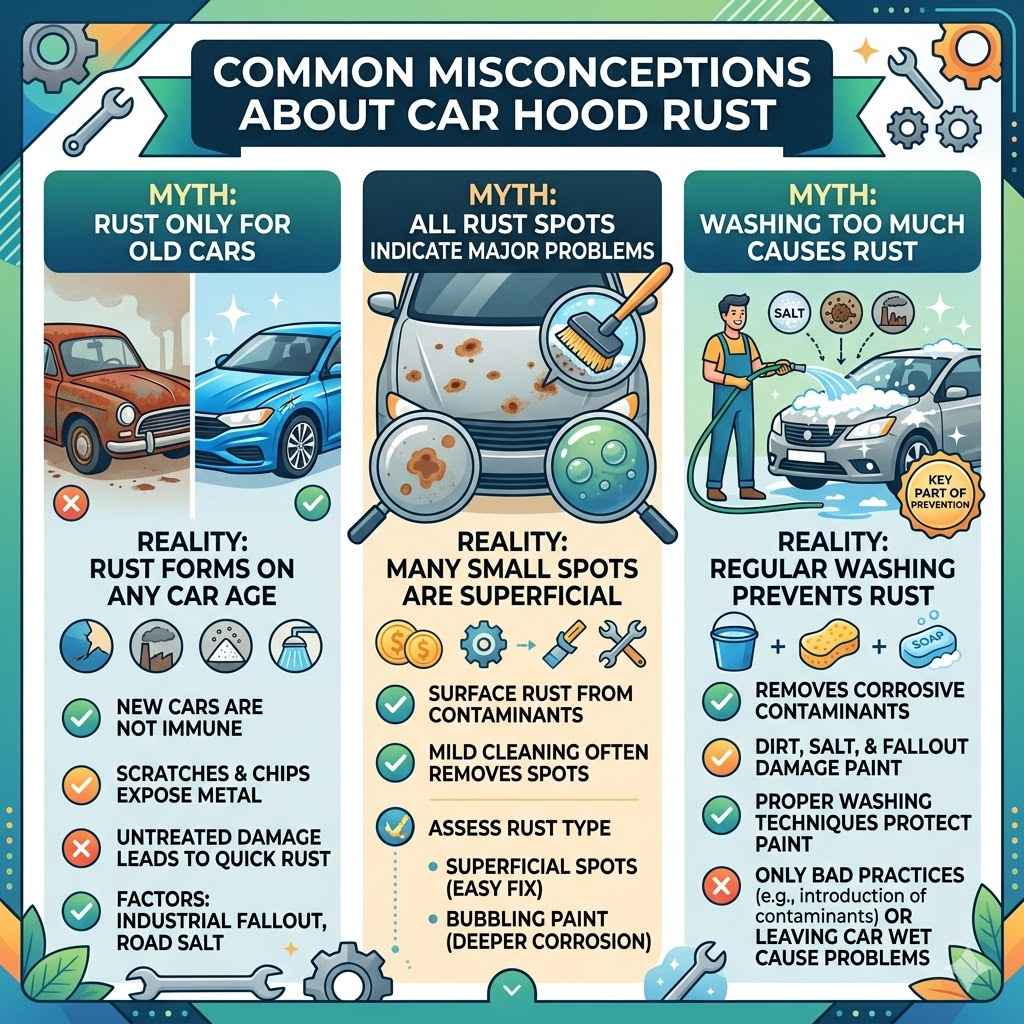
One common thought is that rust only happens on old cars. This isn’t true; new cars can also develop rust if not properly cared for. Another mistake is thinking that all rust spots are the same.
The cause and treatment can vary a lot. Let’s clear up some of these confusing ideas so you can better protect your vehicle.
Rust is Only for Old Cars
It’s easy to associate rust with older vehicles, but this is a common misconception. Rust can form on cars of any age. Newer cars are often made with better anti-corrosion technology, but they are not immune.
Small scratches or chips in the paint on a new car can expose the metal underneath. If these damages are left untreated, especially in harsh environments, rust can begin to form relatively quickly. Factors like industrial fallout, road salt, and improper washing can all contribute to rust on even a brand-new vehicle.
Therefore, consistent maintenance and prompt repairs are important for all cars.
All Rust Spots Indicate Major Problems
When people see rust, they often assume it means a major, expensive repair is needed. However, many small rust spots are superficial. They are often caused by external contaminants landing on the paint.
Surface rust from iron particles can usually be removed with mild cleaning techniques, as we’ve discussed. It doesn’t necessarily mean the car’s underlying metal structure is compromised. It’s important to assess the rust.
If it’s just spots on the surface of the paint, it’s likely an easy fix. If the paint is bubbling, it’s a sign of deeper corrosion that needs more attention.
Washing Too Much Causes Rust
Some people worry that washing their car too frequently might somehow contribute to rust. This is generally not true. In fact, the opposite is usually the case.
Regular washing is a key part of rust prevention. It removes corrosive contaminants like salt, dirt, and industrial fallout before they can damage the paint. If you are using proper car washing techniques and products, washing your car more often will help protect it from rust, not cause it.
The only way frequent washing could contribute to rust is if the washing process itself were introducing more contaminants or if the car was left wet for extended periods in a way that promoted rust.
Conclusion
Small rust spots on your car hood are usually caused by iron particles from the environment or damage to your paint. By understanding these causes, you can take simple steps to prevent them. Regular washing, protective coatings, and prompt repairs are your best defense.
You can easily remove surface rust with the right products and techniques. Keeping your car clean and protected ensures it stays looking great for years.
Frequently Asked Questions
Question: Can a new car get rust spots on the hood?
Answer: Yes, even new cars can develop rust spots. Minor paint chips or scratches can expose the metal underneath, making it susceptible to rust if not treated promptly. Environmental factors like industrial fallout can also cause spots on new paint.
Question: How often should I wash my car to prevent rust?
Answer: Washing your car every two weeks is a good general guideline. If you live in an area with harsh weather, frequent road salt use, or heavy industrial pollution, you might need to wash it more often, perhaps weekly.
Question: What is the difference between surface rust and deep rust?
Answer: Surface rust appears as small orange or brown spots on the paint’s surface. Deep rust means the rust has penetrated the paint and is actively corroding the metal, often causing bubbling or flaking paint. Surface rust can usually be polished off, while deep rust requires more extensive repair.
Question: Can I use household cleaners to remove rust spots?
Answer: It’s best to avoid household cleaners for rust spots. Many are too harsh and can damage your car’s paint or clear coat. Use specialized automotive rust removers or mild polishing compounds designed for car paint.
Question: Does parking my car in a garage prevent rust?
Answer: Parking in a garage helps protect your car from direct weather exposure, which is beneficial. However, if the garage is humid, or if contaminants are brought in, rust can still form. It’s a helpful preventative measure but not a complete solution on its own.
Final Thoughts
Small rust spots on your car hood are common but manageable. They typically stem from external iron particles or minor paint damage. By regularly cleaning your car, applying protective wax or sealant, and promptly fixing any paint imperfections, you can prevent these issues effectively.
If spots appear, specialized cleaners can often remove them easily, keeping your car’s hood looking its best.