What Do You Need for a Car Wash?
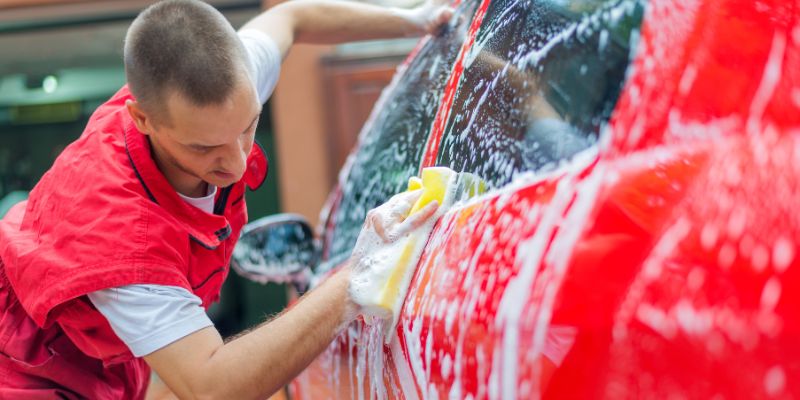
Hey there! If you’re wondering what do you need for a car wash, I’ve got you covered. I’ve spent countless weekends scrubbing my car to a shine, and I’m excited to share everything I’ve learned. Washing your car isn’t just about making it look good—it’s about protecting its value and keeping it in top shape. Let’s dive into the essentials you’ll need to get that sparkling clean ride, whether you’re a newbie or a seasoned car washer.
Essential Supplies for a Car Wash
When I first started washing my car, I thought a bucket and some soap would do the trick. Boy, was I wrong! The right supplies make all the difference in getting a clean car without scratching the paint or wasting time. Here’s what you need to gather before you start.
First, you’ll need a car wash soap. Regular dish soap might seem like a good idea, but it can strip wax and damage your car’s finish. I learned this the hard way when my car looked dull after using kitchen detergent. Car wash soaps are designed to be gentle while lifting dirt effectively. Look for a pH-balanced one for the best results.
Next, grab a bucket—ideally two. One bucket is for your soapy water, and the other is for rinsing your sponge or mitt. This two-bucket method keeps dirt out of your cleaning solution, preventing scratches. I also recommend getting buckets with grit guards. These handy inserts trap dirt at the bottom, so you’re not rubbing it back onto your car.
A wash mitt or sponge is another must-have. I prefer microfiber wash mitts because they’re soft and hold tons of soap. They glide over the surface, picking up dirt without scratching. Avoid old rags or towels—they can be too abrasive.
You’ll also need a hose with a nozzle. A nozzle lets you control water pressure, which is key for rinsing off dirt without damaging the paint. If you don’t have a hose, a few large buckets of water can work, but it’s a bit more effort.
Finally, don’t forget microfiber towels for drying. These are super absorbent and won’t leave lint or streaks. I used to use old cotton towels, but they left scratches and water spots. Trust me, microfiber is a game-changer.
Here’s a quick table summarizing the basic supplies:
| Item | Purpose | Why It’s Important |
|---|---|---|
| Car Wash Soap | Cleans without damaging paint | Gentle on wax and clear coat |
| Two Buckets | One for soap, one for rinsing | Prevents scratching by keeping dirt separate |
| Wash Mitt/Sponge | Lifts dirt safely | Soft material protects paint |
| Hose with Nozzle | Rinses dirt effectively | Controlled water flow prevents damage |
| Microfiber Towels | Dries without streaks | Absorbs water and prevents scratches |
Choosing the Right Location
Where you wash your car matters just as much as what you use. I’ve tried washing my car in all sorts of places—my driveway, a shady spot in the yard, even a friend’s garage. Each spot taught me something new about what works best.
Ideally, you want a shady area. Direct sunlight can dry soap too quickly, leaving spots or streaks on your car. I once washed my car under the blazing sun, and the soap baked onto the hood before I could rinse it off. It was a mess! A garage or a spot under a tree works great, but avoid areas where leaves or sap might fall on your car.
Make sure you have access to water. If you’re using a hose, check that it reaches all parts of your car. I’ve had to drag my hose across the yard mid-wash, and it’s not fun. If you’re at a self-service car wash, you’re all set with water and space, but bring your own supplies for the best results.
The surface matters too. A flat, paved area like a driveway is perfect because it keeps your car stable and makes cleanup easy. Washing on grass or dirt can get messy, and you might track mud onto your clean car.
Pre-Wash Preparation
Before you even touch a sponge, you need to prep your car. This step saves time and protects your paint. I learned this after skipping prep once and ending up with tiny scratches from loose dirt.
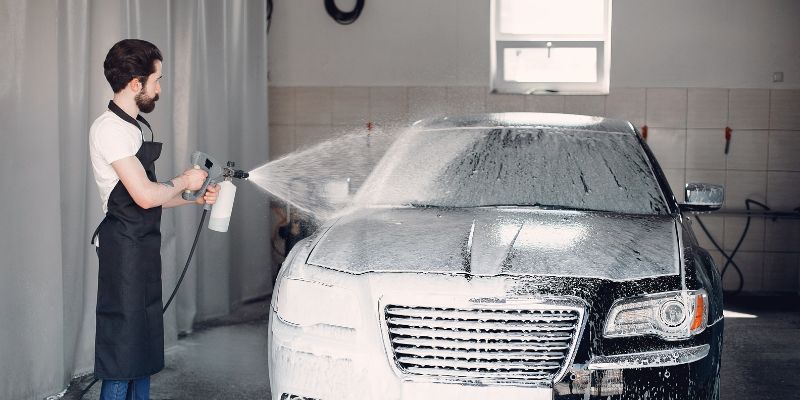
Start by rinsing your car with a hose to remove loose dirt, dust, and debris. Focus on areas like the wheels and undercarriage, where road grime builds up. I use a gentle spray setting to avoid forcing dirt into the paint.
If your car has stubborn spots like bug splatter or tree sap, use a pre-wash cleaner. These sprays break down tough grime so you don’t have to scrub hard. I keep a bottle of bug and tar remover in my garage—it’s a lifesaver for summer drives.
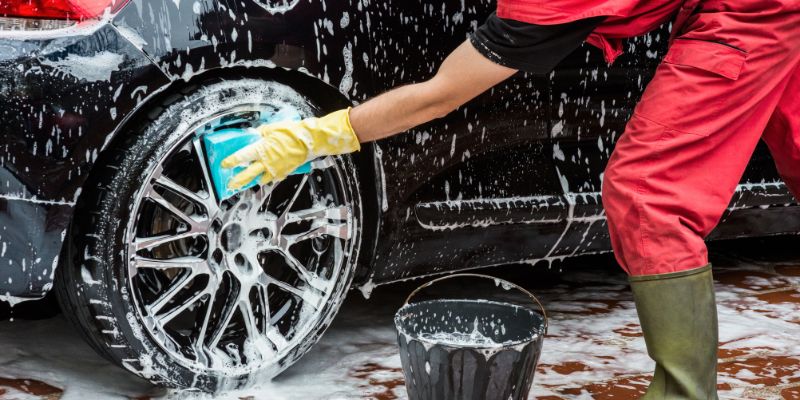
Don’t skip the wheels! They’re often the dirtiest part. I use a dedicated wheel cleaner and a soft brush to scrub them. Regular car soap might not cut through brake dust, and you don’t want to mix wheel grime with your car’s wash water.
The Washing Process
Now comes the fun part—actually washing the car! I love this step because you can see the dirt disappear and your car start to shine. But there’s a method to it.
Fill one bucket with car wash soap mixed with water (follow the bottle’s instructions for the right ratio). Fill the other bucket with plain water for rinsing your mitt. Dip your wash mitt in the soapy water, and start washing from the top down. This lets dirt flow downward, so you’re not spreading grime to clean areas.
Wash in small sections—say, the hood, then the doors. Use gentle, straight-line motions, not circles, to avoid swirl marks. I made the mistake of scrubbing in circles early on, and my car ended up with faint scratches that showed in the sunlight.
Rinse your mitt in the clean water bucket after each section to remove dirt. I dip and shake it to make sure it’s clean before going back to the soap. Once you’ve washed the whole car, rinse it thoroughly with your hose. Make sure no soap is left behind—it can leave spots if it dries.
Drying Your Car Properly
Drying might seem like a no-brainer, but doing it wrong can ruin your hard work. I used to let my car air-dry, thinking it was fine. Nope! That led to water spots that were a pain to remove.
Use microfiber towels to dry your car. Start from the top and work your way down, gently patting or dragging the towel to soak up water. Don’t rub too hard—you don’t want to scratch the paint. I usually need three or four microfiber towels for my sedan to get every spot.
If you want to go the extra mile, a leaf blower or air dryer can blast water out of crevices like mirrors and door handles. I borrowed a friend’s leaf blower once, and it made drying so much faster.
Adding Protection After the Wash
Washing your car is only half the battle. To keep it looking great, you need to protect the paint. I learned this after noticing my car’s shine faded quickly without protection.
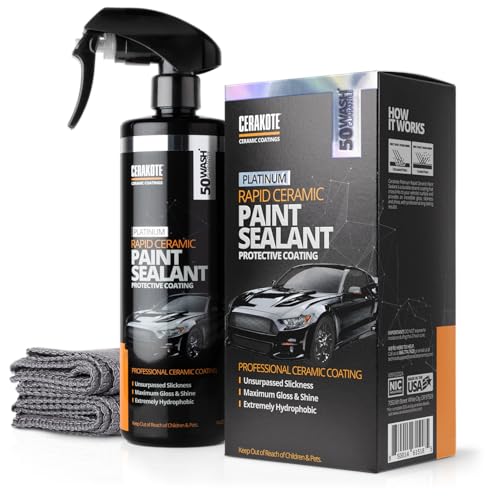
A car wax or sealant adds a protective layer that shields your paint from UV rays, dirt, and water. Waxing takes some elbow grease, but it’s worth it. I apply a liquid wax with a foam applicator, working in small sections. It gives my car a glossy finish that lasts weeks.
For quicker protection, try a spray sealant. You just spritz it on and wipe it off with a microfiber towel. I keep one in my trunk for touch-ups between washes.
If you want to step it up, consider a ceramic coating. It’s pricier and takes more time to apply, but it can protect your car for months. I tried a DIY ceramic coating last year, and my car still beads water like crazy.
Cleaning the Interior
A clean car isn’t just about the outside. The interior needs love too. I spend almost as much time cleaning inside as I do outside because a spotless interior feels amazing.
Start by vacuuming the seats, floor mats, and trunk. I use a shop vac with a crevice tool to get into tight spots like between seats. If you have leather seats, use a leather cleaner and conditioner to keep them soft and crack-free. For cloth seats, a fabric cleaner works wonders on stains.
Don’t forget the dashboard and console. A microfiber cloth with an all-purpose cleaner is perfect for wiping down surfaces. I also use a small brush to clean vents and buttons—those spots collect dust like nobody’s business.
Glass cleaner is a must for windows and mirrors. I use a streak-free glass cleaner and a microfiber towel to avoid smudges. Spray the cleaner onto the towel, not the glass, to prevent drips onto your clean interior.
Tools for a Professional Finish
If you want your car to look like it just rolled out of a detailing shop, a few extra tools can help. I’ve invested in some of these over the years, and they’ve taken my car washes to the next level.
A foam cannon is my favorite. It attaches to your hose or pressure washer and sprays thick foam that clings to dirt. It’s fun to use and makes washing easier. If you’re serious about car washing, a pressure washer is worth considering. It blasts away dirt and cuts rinsing time in half.
For drying, a blower or air dryer ensures no water spots. I mentioned using a leaf blower earlier, but dedicated car dryers are even better for precision.
For polishing, a dual-action polisher can remove light scratches and bring out a deep shine. I was nervous to try one at first, but they’re beginner-friendly and make a big difference.
Maintaining Your Car Wash Routine
Washing your car isn’t a one-and-done deal. Regular washes keep your car looking great and protect its value. I aim to wash mine every two weeks, more often if it’s been through mud or road salt.
Store your supplies properly to make washing easier. I keep everything in a plastic tote in my garage—buckets, soaps, mitts, and towels. It’s ready to go whenever I need it.
Check your supplies regularly. Car wash soap can run low, and microfiber towels need washing to stay effective. I toss my towels in the laundry with a microfiber-safe detergent after every wash.
If you live in a harsh climate, like snowy winters or salty coastal areas, consider washing more often. Road salt and grime can eat away at your car’s paint if left too long. I learned this after a winter storm left my car looking like it had been through a salt mine.
Conclusion
Washing your car is more than just a chore—it’s a way to bond with your ride and keep it looking its best. With the right car wash supplies, a good location, and a solid routine, you can achieve a showroom shine at home. I’ve shared my go-to tools and tips, from microfiber towels to foam cannons, because I know how satisfying it is to see your car sparkle. Whether you’re washing in your driveway or at a self-service car wash, these steps will make the process easy and fun. So grab your buckets, roll up your sleeves, and give your car the love it deserves. You’ll be amazed at the results!
FAQs
What’s the best soap for washing a car?
Car wash soap is best because it’s gentle on paint and wax. Avoid dish soap—it strips protection and can dull your finish. I like pH-balanced soaps for a safe, effective clean.
Can I wash my car in direct sunlight?
It’s not ideal. Sunlight dries soap quickly, leaving spots. I wash in the shade or early morning to avoid streaks and make rinsing easier.
How often should I wash my car?
I wash mine every two weeks, but it depends on your environment. If you drive through mud, salt, or dust often, weekly washes keep your car protected.
Do I need a pressure washer for a car wash?
No, a hose with a nozzle works fine. But a pressure washer makes rinsing faster and tackles tough dirt. Just use a wide spray to avoid paint damage.
How do I prevent scratches when washing my car?
Use the two-bucket method—one for soap, one for rinsing. A microfiber wash mitt and grit guards in your buckets keep dirt away from your paint.