What Fuel Do Indy Cars Use: Unveiling Racing’s High-Octane Secret
Have you ever wondered what powers those lightning-fast Indy cars as they zoom around the track? If you’re curious about the fuel that keeps these machines roaring, you’re in the right place.
Understanding what fuel Indy cars use can change the way you see the sport and the incredible technology behind it. Keep reading, and you’ll discover surprising facts that will make you appreciate every lap even more. Your next race day experience will never be the same!
Indycar Fuel Basics
Understanding the fuel used in IndyCar racing is important for fans and newcomers. Fuel powers the cars and affects their speed, performance, and safety. IndyCar fuel is specially made to meet the high demands of racing. It differs from regular gasoline found in everyday cars.
Fuel Types In Motorsports
Motorsports use different fuel types depending on the series and rules. Common fuels include gasoline, ethanol, and methanol. IndyCar mainly uses ethanol, a renewable fuel made from plants. Ethanol burns cleaner and helps reduce pollution. It also provides good power and engine performance. Other racing series might use unleaded gasoline or special blends. Each fuel type has unique properties that affect how the car runs on the track.
Why Fuel Matters In Racing
Fuel plays a key role in race strategy and car design. The right fuel improves engine power and efficiency. It allows cars to go faster and last longer on the track. Fuel choice also impacts safety. Some fuels burn cooler and reduce fire risks. Teams carefully plan their fuel use to avoid extra pit stops. Fuel quality and consistency help drivers perform at their best. Small changes in fuel can change race outcomes significantly.
The Fuel Indycars Rely On
IndyCars rely on a special type of fuel to power their high-speed engines. This fuel helps the cars run smoothly and fast on the track. Understanding the fuel type gives insight into the technology behind the races.
The fuel used is not the same as regular gasoline. It is designed for better performance and safety. Let’s explore what makes this fuel unique and how it affects the race cars.
Ethanol Blend Explained
IndyCars use a fuel made mostly of ethanol. Ethanol is a type of alcohol made from plants. It burns cleaner than regular gasoline. This helps reduce harmful emissions during races.
The fuel contains about 85% ethanol and 15% gasoline. This blend is called E85. It gives the engine more power and improves fuel efficiency. Ethanol also has a higher octane rating, which helps prevent engine knocking.
Octane Ratings And Performance
Octane rating measures how well a fuel resists knocking. Knocking can damage the engine and reduce speed. IndyCar fuel has a high octane rating, usually around 98 to 100.
High octane fuel allows engines to run at higher compression. This means more power and faster lap times. The fuel’s special blend supports the extreme conditions of IndyCar racing, ensuring reliability and speed.

Fuel’s Role In Race Strategy
Fuel plays a key role in IndyCar race strategy. Teams plan carefully to balance speed and fuel use. The choice and use of fuel affect how fast cars run and how long they can stay on track. Managing fuel well can make a big difference in race results.
Fuel strategy is not just about filling the tank. It involves timing pit stops and adjusting speed to save fuel. Every decision impacts the car’s performance and the driver’s chance to win.
Impact On Speed And Efficiency
The type of fuel and how much is used affects the car’s speed. Rich fuel mixtures give more power but use fuel fast. Lean mixtures save fuel but reduce power. Teams find the best mix to keep cars quick and lasting longer.
Efficient fuel use helps cars run smoothly without stopping too soon. Drivers adjust their driving to save fuel on certain parts of the track. This helps maintain a good pace during the whole race.
Pit Stops And Fuel Management
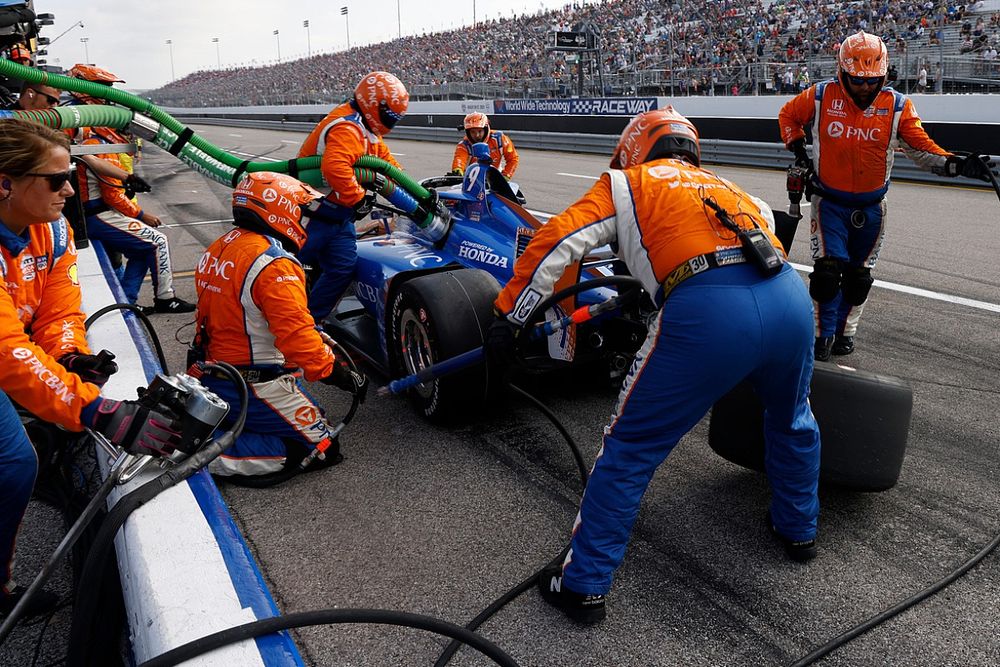
Pit stops are planned around fuel needs. Teams decide when to stop for fuel and tires. Stopping too often wastes time. Not stopping enough risks running out of fuel.
Fuel management means tracking how much fuel the car uses. Teams use data and experience to guess the best time to pit. Good fuel management keeps the car running without extra stops.
Environmental Impact Of Indycar Fuel
IndyCar racing uses special fuel that affects the environment. The fuel choice impacts air quality and carbon emissions. Using cleaner fuel helps reduce pollution from races. IndyCar has made changes to lower its environmental footprint. Understanding the fuel’s impact shows how racing and nature connect.
Benefits Of Ethanol
IndyCars mainly use ethanol, a type of alcohol fuel. Ethanol burns cleaner than traditional gasoline. It produces fewer harmful gases like carbon monoxide and sulfur. This helps lower air pollution during races. Ethanol is made from plants, which absorb carbon dioxide. This process helps balance the carbon released during fuel burning. Using ethanol supports renewable energy and reduces fossil fuel use. It also supports local farming industries.
Future Fuel Innovations
IndyCar is exploring new fuel options to cut emissions. Researchers test fuels that produce less pollution and use less oil. Electric and hybrid engines may play a role soon. Biofuels from algae or waste could replace current ethanol. These fuels aim to keep racing exciting and eco-friendly. Continuous innovation helps keep the sport sustainable for future fans.
Comparing Indycar Fuel With Other Racing Series
IndyCar uses a special type of fuel designed for high speed and power. Other racing series also use unique fuels. Comparing these fuels shows how racing rules and car designs shape fuel choices.
Each series focuses on safety, performance, and environmental rules. These factors lead to different fuel blends and types. Understanding these differences helps fans appreciate the sport better.
Nascar Fuel Differences
NASCAR uses unleaded gasoline similar to regular fuel. It is closer to what you find at gas stations. The fuel must meet strict safety and quality rules. NASCAR fuel is designed for longer races and heavier cars. It provides steady power over many laps.
This fuel differs from IndyCar’s ethanol blend. NASCAR prefers a simpler fuel to match their car engines. It supports the unique demands of stock car racing.
Formula 1 Fuel Standards
Formula 1 uses a highly refined petrol. It must closely resemble commercial gasoline. The fuel is strictly controlled by FIA rules. It contains additives for better engine performance.
F1 fuel focuses on maximizing power and efficiency. Cars run shorter, faster races than IndyCars. The fuel blend helps meet these needs. It differs from IndyCar’s ethanol-based fuel in composition and use.
Frequently Asked Questions
What Type Of Fuel Do Indy Cars Use?
Indy cars primarily use E85 fuel, a blend of 85% ethanol and 15% gasoline. This fuel offers high performance and cleaner emissions compared to traditional gasoline.
Why Is Ethanol-based Fuel Preferred In Indycar Racing?
Ethanol fuel provides higher octane levels, improving engine efficiency and power. It also reduces carbon emissions, making it an eco-friendlier choice for high-speed racing.
How Does Indy Car Fuel Affect Race Performance?
Fuel quality directly impacts engine power, acceleration, and efficiency. Using E85 helps drivers maintain optimal speed and reliability throughout the race duration.
Is Indy Car Fuel Different From Regular Gasoline?
Yes, Indy cars use specially formulated E85 ethanol fuel, which differs from regular gasoline. This blend supports the high compression engines used in racing.
Conclusion
Indy cars run on high-octane racing fuel for top performance. This fuel helps engines deliver maximum power and speed. It burns cleanly to meet strict racing rules. Drivers rely on this fuel for safety and efficiency. Understanding their fuel shows how racing teams optimize every lap.
Fuel choice plays a key role in Indy car success. Knowing this adds to the excitement of the race. Simple yet powerful—this fuel drives the thrill on track.