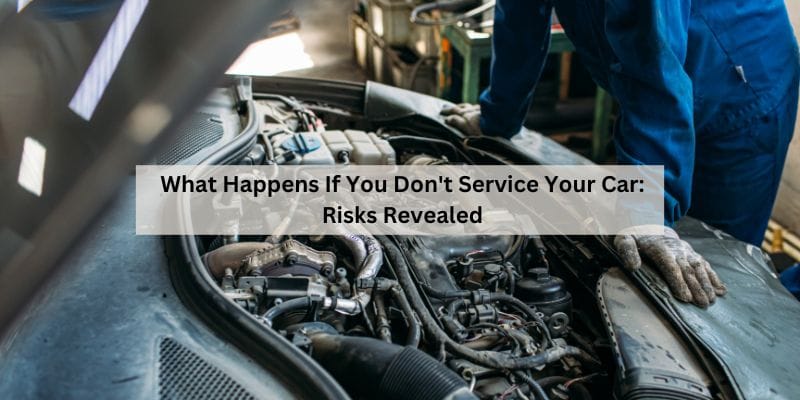
What Happens If You Don’t Service Your Car? Real Risks & Costs
Skipping car maintenance doesn’t fail your vehicle all at once — it fails one system at a time, starting with brakes, tires, and oil-starved engine parts. Deferred service compounds fast: what starts as a $500 annual maintenance bill can balloon into $2,000–$4,000 in emergency repairs within a few years, according to Car Care Council research. This guide covers the real safety, cost, warranty, and environmental risks of skipping service, plus the warning signs to watch for.
Quick Answer
Skipping car service raises your risk of brake and tire failure, can void your warranty, and often turns a $500-a-year maintenance bill into $2,000–$4,000 in emergency repairs within a few years. Engine wear, lower fuel economy, and reduced resale value compound the longer maintenance is deferred — regular service is the cheapest fix.
The 7 Real Risks of Skipping Car Maintenance
Every skipped service interval chips away at a different system, and the damage rarely stays contained to just one part. Here’s what actually breaks down first when a car goes without regular automotive service:
- Safety systems degrade first — brakes, tires, and steering wear silently until they fail without warning.
- Repair costs compound — a $50 oil change ignored today can turn into a $5,000+ engine rebuild later.
- Resale value drops — buyers pay less, or walk away entirely, when there’s no service history.
- Engine performance and fuel economy fall — dirty oil, clogged filters, and worn parts force the engine to work harder.
- Your car’s lifespan shortens — accelerated wear can cut years off how long the vehicle lasts.
- Warranty claims can be denied — skipped scheduled maintenance is one of the most common reasons manufacturers reject a claim.
- Emissions and fuel waste increase — an out-of-tune engine burns more gas and pollutes more per mile.
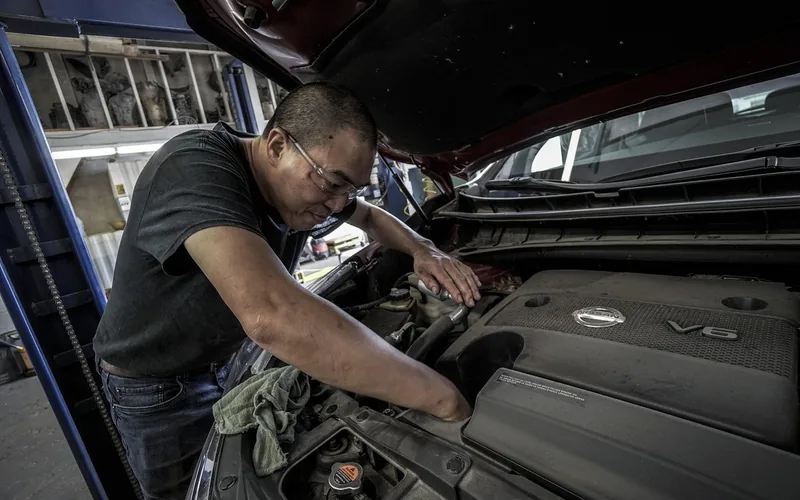
Safety Hazards: Brakes, Tires, and Steering
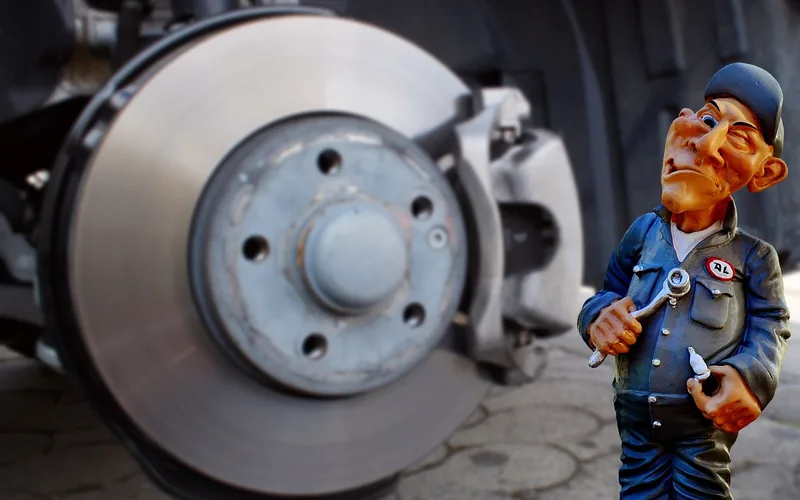
Brakes, tires, and steering are the three systems most likely to fail without warning when maintenance is skipped. Brake pads wear down gradually, but once they hit metal-on-metal, stopping distance can double in wet conditions. Tires lose tread depth and air pressure slowly enough that most drivers never notice until a blowout or a skid in the rain — and neglected steering or suspension components can make a car harder to control at exactly the moment you need it most.
📊 Vehicles with tires underinflated by more than 25% are three times more likely to be involved in a tire-related crash. Among crashes tied to a vehicle defect, tire problems account for roughly 35% and brake problems for roughly 22% — the two single largest categories. — Source: NHTSA, Tire-Related Factors in the Pre-Crash Phase (DOT HS 811 617)
Can Bad Brakes or Tires Really Cause an Accident?
Yes. Worn brake pads increase stopping distance, and underinflated or bald tires reduce traction and raise the odds of hydroplaning or a blowout. Both are among the most common vehicle-related contributors to crashes tracked by federal crash-causation research, and both are caught early by routine inspections — which is exactly what gets skipped when service is deferred.
How Much Does Skipping Maintenance Actually Cost You?
Deferred maintenance doesn’t save money — it defers the bill and adds interest. A car following its manufacturer’s recommended service schedule typically costs $500–$800 a year to maintain. Once problems start compounding, usually around the second or third year of skipped service, emergency repair bills commonly land in the $2,000–$4,000 range, and a single major failure like an engine rebuild can run well past that.
| Approach | Typical Annual Cost | What Happens Next |
|---|---|---|
| Scheduled maintenance | $500–$800 | Small issues caught and fixed early, at their cheapest point |
| Deferred maintenance (year 1–2) | $0 spent, but wear accumulates | Fluids degrade, filters clog, brake and tire wear goes unchecked |
| Deferred maintenance (year 3+) | $2,000–$4,000+ | Compounding failures — worn brakes damage rotors, dirty oil stresses the engine |
| Major neglect (engine/transmission) | $4,000–$8,000+ | Full rebuild or replacement instead of a routine repair |
The resale hit is separate from the repair bill. Buyers — and dealers doing a pre-purchase inspection — actively look for a documented service history, and a car with skipped maintenance or unexplained gaps typically appraises lower even if it currently runs fine.
Best Way to Catch Problems Early
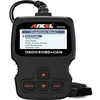
ANCEL AD310 OBD II Scanner Code Reader
Plugs into any car made 1996 or newer and reads exactly why the check-engine light came on, before a small issue turns into a tow.
- Best for: catching engine and emissions problems before they get expensive
- Why we picked it: no subscription, works on gas and diesel light-duty vehicles, one-time cost pays for itself the first time it avoids a diagnostic fee
- Main drawback: reads codes but won’t do the repair — pair it with a real mechanic for anything beyond a reset
Compare more basic maintenance essentials
 Option 1 Castrol EDGE Full Synthetic Oil, 5 Qt
|
 Option 2 Purolator Engine Air Filter
|
 Option 3 AstroAI Digital Tire Pressure Gauge
|
As an Amazon Associate we earn from qualifying purchases.
📊 Every dollar spent on scheduled maintenance can save four to eight dollars in avoided future repairs, according to industry research promoted through the Car Care Council’s “Be Car Care Aware” consumer education campaign. — Source: Car Care Council
Engine and Performance Damage From Deferred Maintenance
Skipped oil changes are the single biggest driver of engine damage. Oil breaks down and accumulates sludge over time; once it can no longer lubricate properly, moving parts wear against each other and heat builds up faster than the cooling system can handle. Clogged air and fuel filters force the engine to work harder for the same output, worn spark plugs cause misfires and rough idling, and a neglected turbo or catalytic converter can fail outright if unburned fuel keeps reaching the exhaust.
A blown engine is the worst-case outcome, but performance loss shows up long before total failure — reduced power, rougher acceleration, and noticeably worse gas mileage are all early signs the engine is running under stress.
📊 Fixing a car that’s noticeably out of tune, or that has failed an emissions test, improves gas mileage by an average of 4%. — Source: U.S. Department of Energy, FuelEconomy.gov
Does Skipping Maintenance Void Your Warranty? What the Law Actually Says
Manufacturers can legally deny a specific warranty claim if they can show a lack of required maintenance directly caused the failure — for example, denying an engine claim because oil was never changed. What manufacturers cannot legally do is void your entire warranty just because you didn’t use their dealership for routine service.
Under the federal Magnuson-Moss Warranty Act, an independent mechanic, a chain shop, or even you doing it yourself can legally perform routine maintenance — oil changes, tire rotations, belt replacements, fluid flushes, brake pads — without voiding coverage, as long as the correct parts are used and the work is documented. The catch is proof: keep every receipt and record. Without documentation, you have no way to show the required maintenance actually happened, and that’s the detail that trips up most drivers, not the choice of mechanic itself.
Insurance can be affected too. If an insurer determines that a documented lack of maintenance directly caused an accident or breakdown — worn brakes that were never inspected, for instance — a claim can be reduced or denied. Keeping a maintenance log protects you on both fronts.
Environmental Impact of an Unmaintained Car
An unmaintained engine doesn’t just cost you money at the pump — it pollutes more per mile. A dirty air filter and misfiring spark plugs mean fuel doesn’t burn completely, so more unburned hydrocarbons and carbon monoxide exit through the tailpipe. A failing catalytic converter, which is often the downstream result of a long-ignored engine problem, can multiply a car’s emissions output well beyond what it was designed to produce. Regular tune-ups and filter changes keep combustion efficient, which is the single biggest factor in keeping both fuel use and emissions in check.
Signs Your Car Is Overdue for Service
Most maintenance failures announce themselves before they cause real damage — if you know what to watch for. Get your car checked if you notice any of the following:
- A warning light on the dash — especially the check-engine, oil pressure, or brake system light.
- Squealing or grinding when braking — a squeal usually means the pads are near their wear limit; grinding means metal is already touching metal.
- Vibration or pulling to one side — often tire, alignment, or brake-related.
- A burning smell — can indicate an oil or fluid leak onto a hot engine part, or overheating brakes.
- Fluid spots under the car — the color tells you a lot: dark brown/black is usually oil, pink or green is often coolant.
- Rough idling or stalling — frequently points to spark plugs, fuel injectors, or a dirty air filter.
- Noticeably worse fuel economy — a gradual mpg drop is one of the earliest, easiest-to-miss signs of neglect.
- Knocking or ticking noises from the engine bay — can indicate low oil pressure or worn internal components.
How to Get Back on Track: A 5-Step Preventative Maintenance Checklist
- Follow your owner’s manual schedule: It lists exact mileage and time intervals for your specific engine — not a generic “every 3,000 miles” rule that may not apply to your car.
- Check fluids and tire pressure monthly: Oil, coolant, brake fluid, and tire pressure take five minutes to check and catch slow leaks before they become breakdowns.
- Don’t skip the small stuff: Air filters, cabin filters, wiper blades, and belts are inexpensive on their own but expensive to ignore.
- Keep every service record: This protects your warranty coverage, supports insurance claims, and raises resale value at trade-in.
- Address warning lights immediately, not eventually: A same-day diagnostic check is almost always cheaper than waiting for the light to turn into a breakdown.
“It takes very little time and money to make sure your vehicle runs properly, and although breakdowns happen, they can definitely be minimized by taking a few extra preventive maintenance steps.”
— Rich White, Executive Director, Car Care Council
If you’re not sure how often your specific vehicle needs attention, see our guide on how often you should service your car, and if you want to understand exactly what a standard service visit covers, read what automotive servicing actually includes. For brake-specific intervals, see how often you should replace your car’s brakes.
Frequently Asked Questions
What Happens If You Don’t Do Maintenance On Your Car?
Skipping maintenance compounds risk across every major system. Worn tires and brakes increase accident risk, dirty oil accelerates engine wear, and small unresolved issues turn into expensive repairs. Over time, deferred maintenance can void warranty coverage, raise fuel and emissions costs, and lower your car’s resale value.
What Happens If You Don’t Service Your Engine?
Without regular oil changes and filter replacements, engine oil breaks down into sludge that can’t properly lubricate moving parts. This increases friction and heat, accelerates wear, and raises the risk of a costly rebuild or complete engine failure — often with no warning beyond a gradual loss of power.
What Are The Repercussions Of Poor Engine Maintenance?
Poor engine maintenance leads to reduced performance, worse fuel economy, and a higher chance of breakdown. Malfunctioning spark plugs and fuel injectors can send unburned fuel into the exhaust system, which can damage the turbocharger and catalytic converter — repairs that often cost more than the maintenance that would have prevented them.
What Are The Consequences Of Not Servicing Your Car Regularly?
Beyond the immediate safety risk of worn brakes and tires, irregular servicing lowers resale value, raises the odds of a major repair bill, and can put your manufacturer’s warranty coverage at risk if required maintenance wasn’t documented. Regular service is consistently cheaper than the repairs that replace it.
How Long Can You Go Without Servicing Your Car?
It depends on the service — oil changes are typically due every 5,000–7,500 miles for conventional oil or up to 10,000–15,000 for full synthetic, while brake, fluid, and filter checks vary by manufacturer. Going beyond your owner’s manual’s recommended interval doesn’t cause instant failure, but risk and repair cost both climb the longer service is delayed.
Does Using an Independent Mechanic Void Your Car’s Warranty?
No. Under the federal Magnuson-Moss Warranty Act, manufacturers cannot void your warranty just because an independent shop, chain shop, or you performed routine maintenance. Coverage can still be denied for a specific claim if incorrect parts were used or the work directly caused the failure, so keep documentation of every service either way.
What’s the Most Important Service to Never Skip?
Oil changes and brake inspections carry the highest risk when skipped. Oil is the single biggest factor in long-term engine survival, and brakes are the system most directly tied to accident risk — both are also among the cheapest problems to catch early and among the most expensive to ignore.
Conclusion
Skipping car maintenance rarely saves money — it just moves the cost further down the road, with interest. The brakes, tires, and engine components most likely to fail are also the cheapest to catch during a routine inspection. A documented service history protects your safety, your warranty, and your car’s resale value all at once, which makes regular service one of the few maintenance decisions with no real downside.
Products related to this article
Sponsored / affiliate links. As an Amazon Associate I earn from qualifying purchases. I may earn additional commission from eligible campaigns.