What Happens If You Overcharge Your Car AC: Risks & Solutions
Picture this: it’s a scorching hot day, and you jump into your car, eager to escape the heat. You crank up your car’s AC, hoping for a blast of cold air to bring sweet relief.
But instead of cool comfort, you’re met with a disappointing puff of lukewarm breeze. What gives? If you’ve ever wondered about the impact of overcharging your car’s AC system, you’re not alone. Understanding the consequences can save you from future headaches and costly repairs.
We’ll explore what really happens when your car AC is overcharged and why it’s crucial to get it right. Stick with us, and you’ll learn how to keep your car cool without breaking a sweat—or the bank.

Credit: www.youtube.com
Risks Of Overcharging Car AC
Overcharging the car AC can make it less cool. The system might not blow cold air. It can feel warm instead. This makes car rides uncomfortable. Cool air is important for comfort. Too much gas blocks the cooling cycle. The AC struggles to perform.
The AC parts can get hurt from too much gas. Compressor is at risk. It might break down. Fixing it costs a lot. Other parts can also suffer. Pipes might leak. Valves can get stuck. Keeping the right gas level saves these parts.
Overcharging uses more power. The engine works harder. This increases fuel use. More fuel means more cost. The car might need more gas often. This is bad for the wallet. It also harms the environment. The car gets less efficient.

Credit: www.reddit.com
Signs Of Overcharged AC
Overcharged AC can make strange sounds. These noises are often loud and grating. Such sounds mean trouble. The AC system is struggling. It needs attention right away.
An overcharged AC cools poorly. The air feels warm, not cool. This can be frustrating in hot weather. The system is not working right. Fixing it soon is important.
Overcharging raises pressure inside the AC. High pressure is dangerous. It can cause damage to parts. The AC may stop working. Keeping pressure normal is key.
Diagnosing An Overcharged AC
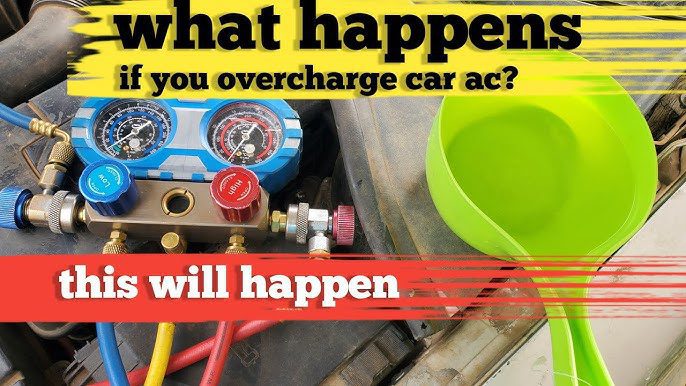
Pressure gauges help check the AC. They measure the pressure inside. High pressure means trouble. The AC might be overcharged. It can cause damage to the system. Low pressure means it needs more refrigerant. Always use the right tools. Be careful and read the gauge properly.
An overcharged AC has signs. The air may be warm. It can make strange noises. You might see leaks. The AC can freeze up sometimes. These symptoms need attention. Fixing them quickly prevents damage.
Experts know how to check an AC. They use special tools. They look for problems. Technicians can fix the AC. They prevent damage. They make sure it works well. Regular checks keep the AC healthy. It’s best to get help from a professional.
Solutions For Overcharging
Excess refrigerantcan harm your car AC. Remove it carefully. Use the right tools. Follow safety rules. Always wear safety goggles. Avoid skin contact. This keeps you safe. It also saves your AC.
Regular checkskeep your AC healthy. Inspect it often. Listen for strange noises. Check for leaks. Clean the filters. These steps are easy. They help avoid big problems. Keep your AC happy and cool.
Professional helpis sometimes needed. Technicians know AC systems well. They fix problems you can’t. They have special tools. Trust them for big issues. They save you time and trouble. Your AC will work better.
Preventing Future Overcharges
Overcharging your car’s AC can lead to serious damage, affecting performance and efficiency. Preventing future overcharges involves regular maintenance checks. This helps ensure your AC functions smoothly and avoids costly repairs.
Correct Refrigerant Levels
Keeping the right amount of refrigerant is very important. Too much can harm the AC system. It can also make it less efficient. Always check the manufacturer’s manual. It tells you the correct level. This helps the AC work well.
Monitoring Ac Performance
Watch how your car’s AC is working. If it feels too cold or makes strange noises, something might be wrong. Frequent checks help catch issues early. This keeps the AC running smoothly. A well-working AC is also more energy-efficient.
Regular System Checks
Routine checks keep the AC in good shape. Visit a professional at least once a year. They can look for any leaks or problems. These checks help prevent future overcharges. A healthy AC means a happy car ride.
Credit: www.reddit.com
Frequently Asked Questions
What Are The Symptoms Of Overcharging AC?
Overcharging your car AC can cause several symptoms. It may blow warm air instead of cold. You might hear unusual noises from the compressor. Additionally, you may notice a decrease in overall cooling performance. These symptoms indicate that the refrigerant levels are too high and need adjustment.
Can Overcharging Damage The AC Compressor?
Yes, overcharging can damage the AC compressor. Excess refrigerant increases pressure within the system. This strain can lead to compressor failure over time. Proper refrigerant levels are crucial to maintaining the health of your AC system and avoiding costly repairs.
How Can You Fix An Overcharged AC?
Fixing an overcharged AC involves removing excess refrigerant. This process should be done by a professional technician. They use specialized equipment to safely adjust refrigerant levels. Attempting it yourself can be dangerous and may cause further damage to the system.
Is Overcharging AC Refrigerant Dangerous?
Yes, overcharging AC refrigerant can be dangerous. It increases pressure, risking damage to AC components. High pressure can also lead to refrigerant leaks. Such leaks are harmful to the environment and your health. It’s crucial to maintain proper refrigerant levels for safety.
Conclusion
Overcharging your car AC can lead to costly repairs. It affects cooling efficiency. Your car may blow warm air. Overcharging stresses the compressor. It can cause leaks and damage. Regular maintenance is crucial for optimal AC performance. Check refrigerant levels often.
Trust a professional for the right charge. Avoid DIY mistakes. Keep your car cool and comfortable. Protect your investment with proper care. Stay informed about AC maintenance. Enjoy a smooth ride every time. Your car will thank you!