What Happens If You Put Gas in Diesel: Essential Dangers
What Happens If You Put Gas in a Diesel Car? It’s a Costly Mistake You Can Avoid—Here’s How.
It’s a moment of panic many of us have feared: accidentally filling our diesel car with gasoline, or vice-versa. This common mix-up can lead to serious engine problems and expensive repairs. But don’t worry! Understanding what goes wrong is the first step to preventing it and knowing what to do if it happens. We’ll break down the science in simple terms and guide you through the potential dangers and what steps can save your car.
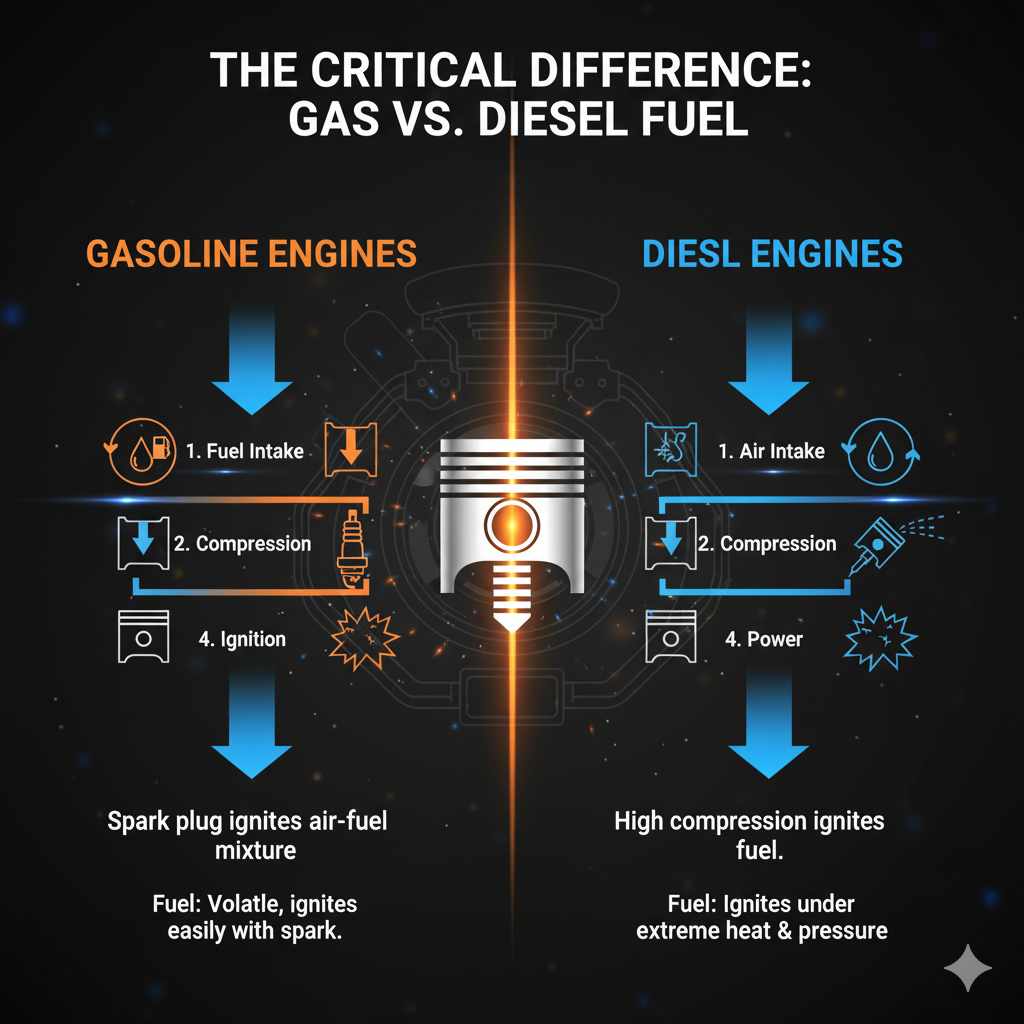
The Critical Difference: Gas vs. Diesel Fuel
Cars are designed to run on specific types of fuel, and the distinction between gasoline and diesel is crucial. They work in fundamentally different ways within your engine, and putting the wrong one in can cause immediate and lasting damage. Think of it like trying to use water in a kettle meant for oil – it just won’t work the same, and something will likely break.
How Gasoline Engines Work
Gasoline engines use spark plugs to ignite the air-fuel mixture. Here’s a simplified look:
- Fuel Intake: Gasoline is mixed with air.
- Compression: The mixture is compressed.
- Ignition: A spark plug ignites the compressed mixture.
- Power: The explosion pushes a piston, creating power.
Gasoline is volatile and ignites easily with a spark.
How Diesel Engines Work
Diesel engines work differently. They rely on high compression to ignite the fuel, without spark plugs.
- Air Intake: Only air is drawn into the cylinder.
- Compression: The air is compressed to a very high pressure and temperature.
- Fuel Injection: Diesel fuel is injected into the super-hot, compressed air.
- Ignition: The heat of the compressed air ignites the diesel fuel spontaneously.
- Power: The combustion pushes a piston, generating power.
Diesel fuel is designed to ignite under extreme heat and pressure, not from a spark. This is why diesel engines are known for their efficiency and torque.
What Happens If You Put Gas in a Diesel Engine? The Immediate Effects
When gasoline mixes with diesel fuel in a diesel engine’s tank, the problems begin almost immediately. Diesel fuel acts as a lubricant for the fuel system components, especially the high-pressure fuel pump and injectors. Gasoline, on the other hand, is a solvent and lacks these lubricating properties.
The Lubrication Issue: Dry Running
This is one of the most significant dangers. Diesel fuel has a natural lubricity that keeps the delicate moving parts within the high-pressure fuel pump and injectors from grinding against each other. Gasoline, being a lighter and more volatile fuel, washes away this protective film.
- Fuel Pump Failure: The fuel pump is a precision instrument. Without diesel’s lubrication, the metal-on-metal contact increases friction, causing the pump to overheat and wear down rapidly. This can lead to complete pump failure, which is a very expensive part to replace.
- Injector Damage: Similarly, diesel injectors operate under extreme pressure and rely on precise sealing. Gasoline can wash away the lubricating film, leading to wear, leaks, and improper fuel spray patterns. This can cause incomplete combustion and further engine damage.
Ignition Problems: The Wrong Spark
Diesel engines are engineered to ignite fuel through compression heat. Gasoline is designed to be ignited by a spark plug. When gasoline is present, the fuel-air mixture in a diesel engine doesn’t ignite properly due to compression alone.
- Knocking and Pinging: The gasoline may ignite erratically under compression, leading to a knocking or pinging sound from the engine. This isn’t the controlled burn of diesel.
- Reduced Power: The engine will likely struggle to run. You might experience a significant loss of power, sputtering, or the engine dying completely. It might run poorly for a short time before failing.
- Stalling: The engine may stall shortly after starting or even while driving, as the fuel mixture is incorrect for the diesel combustion process.
Corrosion and Component Damage
Gasoline can also be more corrosive than diesel fuel, especially to seals and certain metal components within the fuel system. Over time, this can lead to leaks and further degradation of parts.
The Long-Term Consequences of Gas in Diesel
If the vehicle is driven for even a short period with a significant amount of gasoline in the diesel tank, the damage can escalate rapidly. The symptoms might worsen, and the cost of repairs can become substantial.
Damaged Fuel Injectors
Modern diesel injectors are incredibly precise and expensive. Gasoline can damage their internal seals and wear down the critical nozzle components. This leads to poor fuel atomization, incomplete combustion, and can eventually cause internal engine damage from unburnt fuel getting into the crankcase.
Fuel Pump Catastrophe
As mentioned, the high-pressure fuel pump in a diesel engine is a common victim. It’s designed to handle the specific viscosity and lubricating properties of diesel. Running on gasoline is like starving it of oil – it will seize or wear out quickly. A failed fuel pump often requires replacement of the pump and potentially injectors, as debris from a failed pump can contaminate the entire system.
Catalytic Converter and DPF Issues
Modern diesel vehicles are equipped with sophisticated exhaust systems, including Diesel Particulate Filters (DPFs) and catalytic converters. Incomplete combustion caused by the wrong fuel can lead to the DPF becoming clogged more rapidly. The unburnt fuel or altered exhaust gasses can also damage the catalytic converter.
What the Severity Depends On
The extent of the damage depends on several factors:
- Amount of Gasoline: A few gallons of gas in a full diesel tank is less catastrophic than a full tank of gas in a diesel engine.
- How Long the Engine Ran: Driving for miles will cause much more damage than simply starting the engine and immediately shutting it off.
- Engine Type and Age: Newer, high-performance diesel engines with advanced fuel systems are often more sensitive to contamination.
What To Do If You Put Gas in Your Diesel Car: Immediate Steps
If you realize you’ve made this mistake, the most important thing is to stop the engine immediately (if it’s running) and do not start it again. Every second the engine runs with gasoline in the tank, the damage increases.
Step 1: Do Not Start the Engine (or Turn It Off Immediately)
This is the golden rule. If you’ve just filled up and haven’t started the car yet, you’re in the best possible situation. If you’ve driven a short distance and realized your mistake, turn off the engine as soon as it’s safe to do so. Avoid trying to “run it out” or get it home; this will only worsen the problem.
Step 2: Call for a Tow Truck
Your vehicle needs to be transported to a mechanic for professional service. Do not attempt to drive it. A tow truck will ensure your car arrives at the repair shop without further potential damage from running on the wrong fuel.
Step 3: Inform the Mechanic About the Mix-Up
Be completely honest with your mechanic about what happened. Tell them the type of car, the type of fuel you put in, and how much you suspect was added. This information is critical for them to diagnose and repair the problem effectively.
The Repair Process: Draining and Cleaning
Once at the mechanic, they will need to drain the fuel tank and flush the entire fuel system. This is a detailed process:
Draining the Fuel Tank
The mechanic will remove all the contaminated fuel from the tank. This prevents the gasoline from being drawn into the fuel lines and pump.
Flushing the Fuel Lines
After the tank is drained, the fuel lines will be flushed with a cleaning solvent or the correct diesel fuel to remove any residual gasoline. This is crucial to ensure no gasoline remains in the system.
Cleaning or Replacing Fuel Filters
The fuel filter will likely be full of contaminated fuel and debris. It will be replaced with a new one to ensure clean fuel reaches the engine. Sometimes, if the pump has already been damaged, debris from it can contaminate the new filter very quickly, requiring another replacement.
Inspecting and Potentially Replacing Fuel Pump and Injectors
This is where the major costs can occur. The mechanic will carefully inspect the fuel pump and injectors for signs of wear or damage caused by the lack of lubrication. If they are damaged, they will need to be replaced.
- Fuel Pump: This is a substantial repair, often costing hundreds to over a thousand dollars, depending on the vehicle.
- Fuel Injectors: Like the pump, diesel injectors are complex and costly components. Replacing them can add significantly to the repair bill. Sometimes, if a fuel pump fails catastrophically, tiny metal shavings can travel through the system, contaminating perfectly good injectors and forcing their replacement as well.
Tank Cleaning
In some cases, depending on the severity and the material of the tank, the tank itself might need a thorough cleaning to remove any lingering residue.
Preventing the Mistake: Simple Tips for Busy Drivers
The best way to deal with this problem is to avoid it altogether! With a little mindfulness at the gas station, you can prevent a costly headache.
Tip 1: Know Your Fuel Type
This sounds obvious, but in the rush of daily life, it’s easy to forget. Make sure you know whether your car takes gasoline or diesel. This information is usually found:
- On a sticker inside the fuel filler door.
- In your car’s owner’s manual.
- On the vehicle’s dashboard label.
For example, many manufacturers provide clear stickers in the fuel door, as seen on many vehicles to identify fuel types.
Tip 2: Look at the Nozzle Color and Label
Gas stations often use color-coding and clear labeling to help distinguish fuel types. While colors can vary by region, diesel nozzles are often:
- Black in color.
- Bulked and thicker than gasoline nozzles to prevent them from fitting into gasoline car filler necks.
- Clearly labeled “DIESEL”.
Gasoline nozzles are typically smaller and might have red or green color-coding. Always read the labels on the pump handle and the dispenser. A good rule of thumb is to pause for a second and read carefully before inserting the nozzle.
Tip 3: If You Drive Multiple Cars, Be Extra Vigilant
If you regularly drive both gasoline and diesel vehicles, or if you’re driving a rental car, be extra cautious. Your brain might be on autopilot for the car you use most often. Take a moment to confirm the fuel type for whichever vehicle you’re filling up.
Tip 4: Use Your Phone as a Reminder
If you’re particularly worried or driving an unfamiliar vehicle, take a quick picture of the fuel door sticker with your phone. You can glance at it before you select the pump.
Tip 5: If Unsure, Ask!
If you are at a gas station and genuinely unsure, don’t guess. You can look up your car’s information online if you know the make and model, or even call a friend or family member briefly. It’s better to take an extra minute than to face expensive repairs.
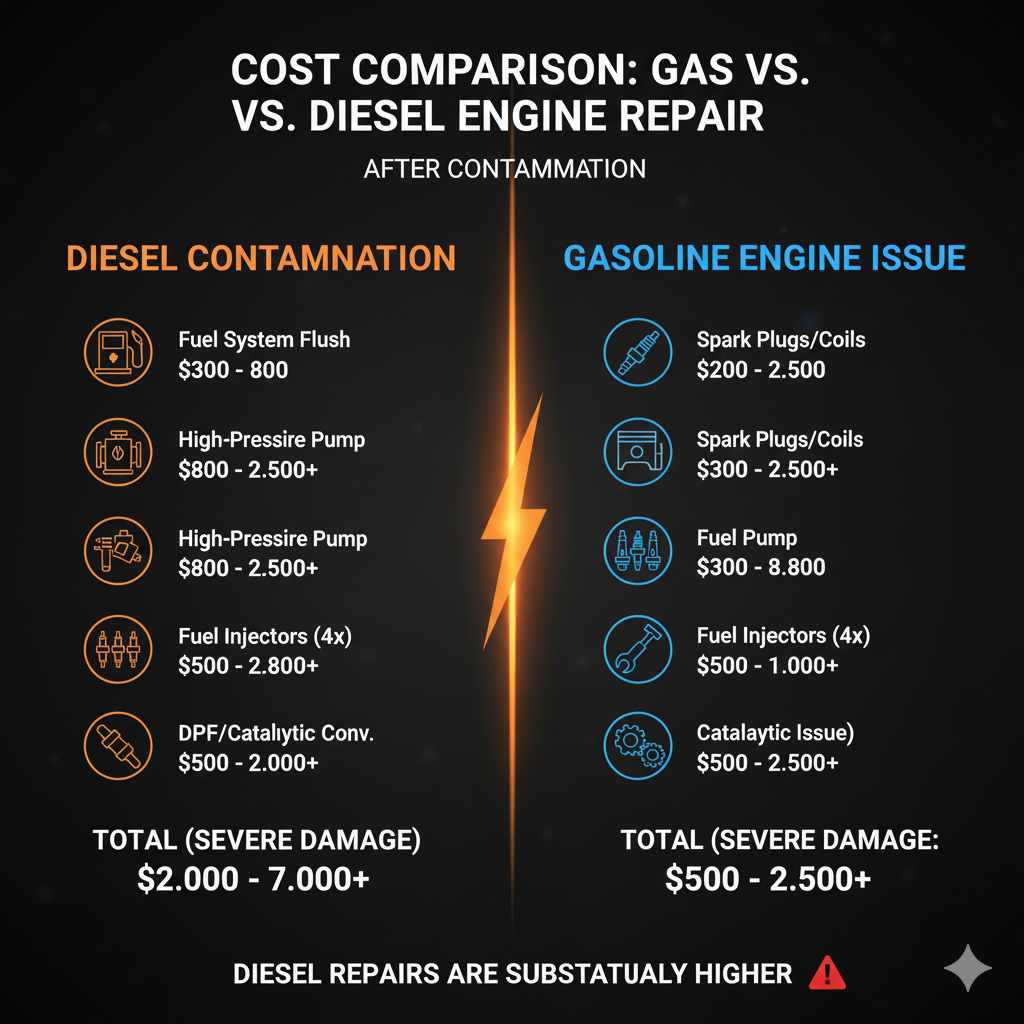
Cost Comparison: Gas vs. Diesel Engine Repair After Contamination
The financial impact of putting gasoline in a diesel car is significant. While a gasoline engine might sometimes tolerate a small amount of diesel or run poorly, a diesel engine is far less forgiving of gasoline. The repair costs can vary widely based on the vehicle, the extent of damage, and labor rates.
| Component/Issue | Potential Repair Cost (Gasoline in Diesel Contamination) | Typical Repair Cost (Gasoline Engine Issue – e.g., Bad Spark Plugs) |
|---|---|---|
| Fuel Tank Draining & System Flush | $300 – $800 | N/A (typically not an issue for gasoline cars) |
| Fuel Filter Replacement | $50 – $150 (if only filter) | $50 – $100 |
| High-Pressure Fuel Pump Replacement | $800 – $2,500+ | $300 – $800 (for gasoline fuel pump) |
| Fuel Injector Replacement (each) | $300 – $700+ | $100 – $300 (for gasoline injectors) |
| Set of 4 Fuel Injectors | $1,200 – $2,800+ | $400 – $1,200 |
| Catalytic Converter Replacement | $500 – $2,000+ | $500 – $2,000+ (can be similar for gasoline issues) |
| Diesel Particulate Filter (DPF) Cleaning/Replacement | $500 – $2,000+ | N/A |
| Total Potential Cost (Severe Damage) | $2,000 – $7,000+ | $500 – $2,500 (for major gasoline engine issues) |
As you can see from the table, the costs associated with repairing a diesel engine after gasoline contamination are substantially higher, primarily driven by the expense of the high-pressure fuel pump and diesel injectors. This underscores the importance of vigilance at the pump.
Common Misconceptions and What the Experts Say
There are a few ideas people sometimes have about this situation that aren’t quite right. Let’s clear them up.
Misconception 1: “It’s just fuel, it will burn off.”
Reality: Gasoline and diesel burn very differently. The combustion process in a diesel engine relies on the high compression igniting diesel fuel. Gasoline ignites too easily and not reliably under diesel compression. It’s not a matter of “burning off”; it’s a fundamental incompatibility that causes damage long before it could be considered “burned off.” Reputable sources like The U.S. Department of Energy’s Alternative Fuels Data Center detail the distinct properties of diesel fuel.
Misconception 2: “I only put a little bit in, it’s fine.”
Reality: While a very small amount (e.g., a cup or two in a full tank) might not cause immediate catastrophic failure, it can still cause wear on components over time. If you suspect even a small amount has been added, it’s best to have the tank drained to be safe. The lubrication aspect is critical even for small quantities. “A little bit” of gasoline acts as a solvent, removing protective lubrication from sensitive parts. For modern diesel engines, particularly common rail injection systems, even small amounts of contamination can be detrimental.
Misconception 3: “I’ll just drive it to the mechanic.”
Reality: This is the worst thing you can do. Driving the car, even for a short distance, will circulate the gasoline through the fuel lines, pump, filters, and injectors. This significantly increases the wear and tear on these expensive components. Turning the engine off and towing the vehicle is the safest and most cost-effective approach to minimize damage.
FAQ: Your Quick Questions Answered
Q1: Can I just add diesel to dilute the gasoline?
A: While adding more diesel fuel dilutes the gasoline, it doesn’t eliminate the problem. Gasoline acts as a solvent and lacks the necessary lubrication for diesel engine components. Even a diluted mixture can cause damage, especially to the high-pressure fuel pump and injectors. It’s far safer to have the tank drained and flushed.
Q2: My car made a strange noise, then died. Did I put gas in it?
A: Strange noises like knocking or pinging, followed by a loss of power or an engine stall, are common symptoms of gasoline in a diesel engine. This occurs because the gasoline doesn’t combust properly under diesel engine compression. Your best bet is to have it towed and inspected by a mechanic.