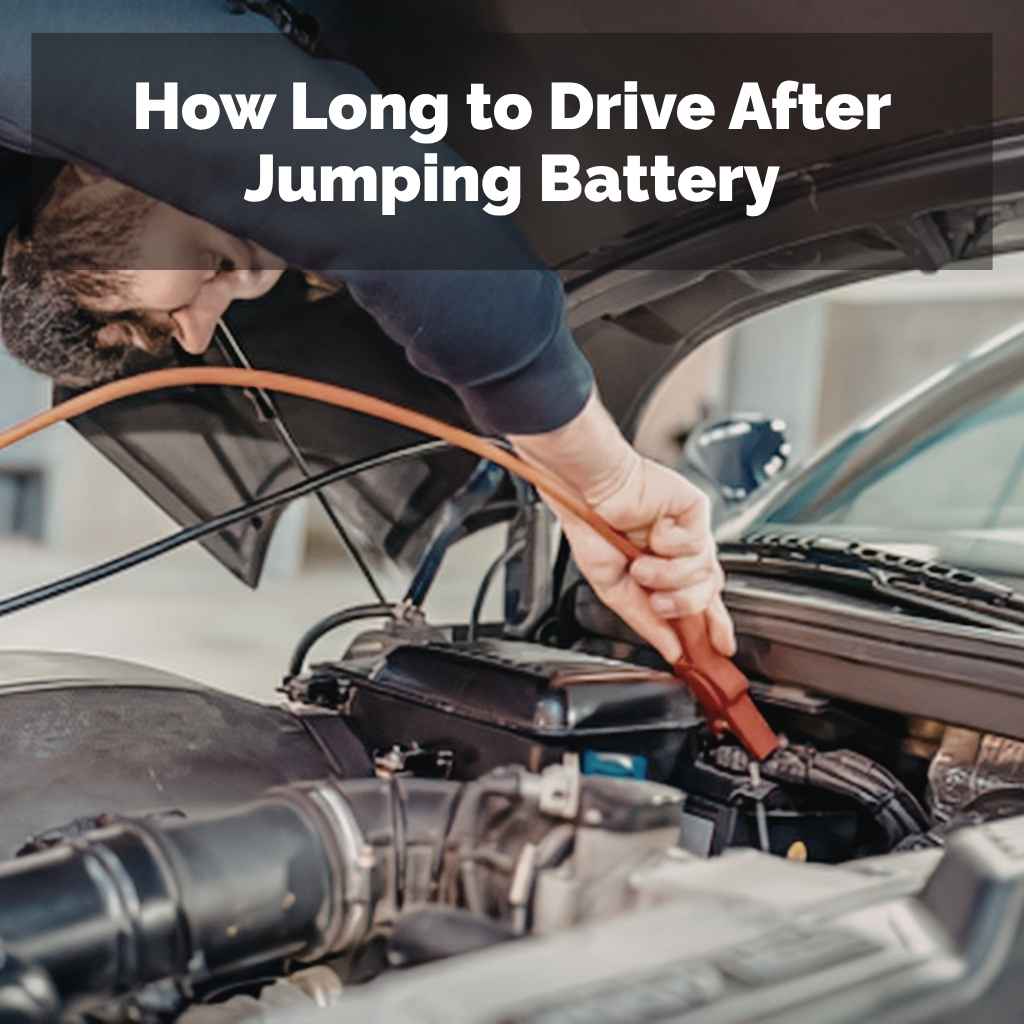
How Long to Drive After Jumping Battery
Many people worry about how long they need to drive after jump-starting a car. It’s a common question for new drivers or anyone unfamiliar with car troubles. You might be unsure if your car will start again on its own or if you need to head straight to a mechanic.
This guide will make it simple. We will walk you through exactly what you need to do. You’ll learn the best way to recharge your battery and get back on the road with confidence.
Get ready to find out the easy steps to follow. This is the How Long to Drive After Jumping a Dead Battery: Pro Guide you have been searching for.
Why Does a Car Battery Die
Batteries are the heart of your car’s electrical system. They store power to start the engine and run lights, radio, and other electronics. When a battery dies, it means it can no longer hold enough charge.
This can happen for several reasons. Sometimes, you might forget to turn off headlights or an interior light. Other times, a battery might just be old and can’t hold a charge like it used to.
Extreme cold or heat can also affect battery performance. Understanding why a battery dies helps you avoid future problems.
Common Reasons for a Dead Battery
Forgetting to turn off lights is a very common culprit. Leaving your headlights or cabin lights on overnight can drain a battery completely. Another frequent cause is a faulty alternator.
The alternator is what recharges the battery while your car is running. If it’s not working properly, the battery won’t get the power it needs.
Age is also a big factor. Car batteries typically last between three to five years. After that, they start to lose their ability to hold a full charge.
You might notice your car struggling to start on cold mornings. This is a sign that the battery is getting weak.
The Role of the Alternator
The alternator is a crucial part of your car’s charging system. Think of it like a small generator. When your engine is running, the alternator spins and creates electricity.
This electricity does two main things. First, it powers all your car’s electrical components while you are driving. Second, and just as important, it sends a charge back to the battery to keep it topped up.
If your alternator fails, your battery will drain quickly because it’s not being recharged. You might notice your dashboard lights flickering or your headlights dimming. A weak or failing alternator is often the reason a battery dies repeatedly, even after being jump-started.
Signs Your Battery Is Weak
Before a battery completely dies, it usually gives some warning signs. You might hear a slow, sluggish cranking sound when you try to start your car. This means the battery doesn’t have enough power to turn the engine over quickly.
Your car might also start fine sometimes but struggle at other times.
Another sign is a dashboard warning light that looks like a battery. This light indicates a problem with the charging system. Dim headlights or interior lights can also point to a weak battery or a problem with how it’s being charged.
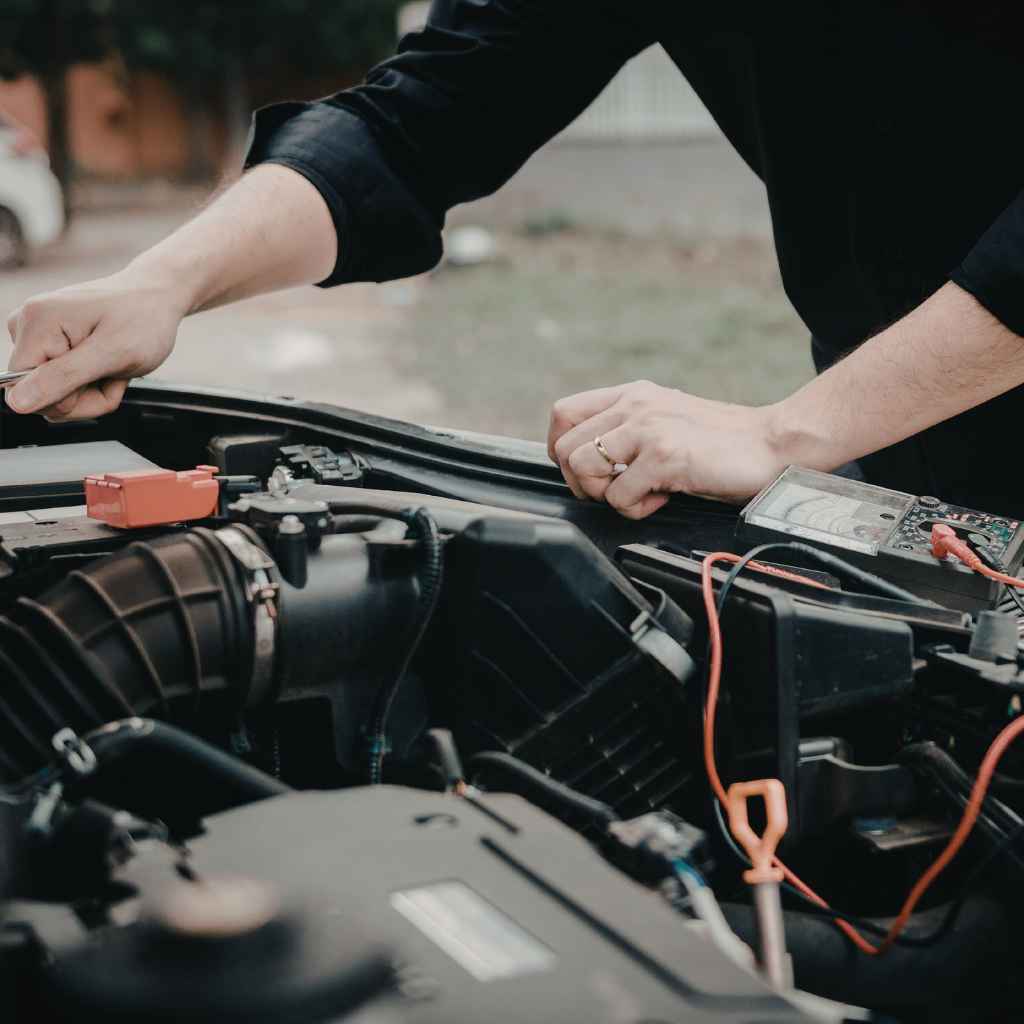
How Long to Drive After Jumping a Dead Battery
So, you have just jump-started your car. Now what? The most important thing is to let the engine run and recharge the battery.
You need to drive for a specific amount of time to give the alternator a chance to do its job. This duration isn’t set in stone and depends on a few factors. We will cover the basics here.
The goal is to get enough charge back into the battery so it can start the car on its own next time. Driving for too short a period might mean you’re back in the same situation soon. Driving for too long isn’t necessarily harmful but might be more time than needed.
The Minimum Driving Time
For a battery that died simply because it was left on, a good rule of thumb is to drive for at least 30 minutes. This drive should ideally be at highway speeds or a mix of city and highway driving. Lower speeds in stop-and-go traffic don’t allow the alternator to spin as fast, meaning it charges the battery more slowly.
If the battery died due to extreme discharge, like leaving lights on for days, you might need to drive even longer. Some experts suggest up to an hour or more in such cases. The key is consistent engine operation at a decent RPM.
Driving at Highway Speeds
Driving at highway speeds is much more effective for recharging your battery. When your engine is running at higher RPMs, the alternator produces more power. This extra power is then used to recharge the battery more efficiently.
Aim for speeds above 45 miles per hour. A sustained drive on a freeway is perfect for this.
If highway driving isn’t an option, try to find a route with fewer stops. A longer drive through less congested areas is better than a short trip with many red lights. The alternator needs time to work without the engine constantly stopping and starting.
What If the Battery Dies Again
If your car dies again shortly after being jump-started and driven, it’s a strong sign of a bigger problem. This usually means the battery itself is no longer holding a charge. Old batteries lose their ability to store power.
It could also mean the alternator is not working correctly. In this case, it is best to have your car checked by a mechanic.
Do not repeatedly try to jump-start a car if the battery dies again quickly. This can sometimes damage the starter or other components. Get it professionally diagnosed to find the root cause.
Replacing a faulty battery or alternator will solve the issue.
Factors Affecting Recharge Time
Several things can influence how quickly your car battery recharges while driving. It’s not a one-size-fits-all situation. The age of your battery, the condition of your alternator, and even the weather can play a role.
Knowing these factors helps you understand what’s happening under the hood.
These elements combined determine the optimal time you should be driving. They help explain why some drives are more effective than others for getting your battery back to full strength. It’s about more than just putting miles on the odometer.
Battery Age and Health
An older battery might not be able to accept and hold a charge as well as a new one. Even after driving for a long time, an aged battery might not reach its full capacity. If your battery is more than three years old, it might be nearing the end of its life.
Weakened battery cells can’t store as much energy.
A battery that has been deeply discharged multiple times also suffers. Each deep discharge can slightly damage the battery’s internal structure. This makes it harder for it to recover and hold a charge effectively.
A professional test can determine the actual health of your battery.
Alternator Output
The alternator’s output capacity is key. A healthy alternator will produce enough power to run your car’s systems and charge the battery. If the alternator is weak or has worn parts, it won’t charge the battery as effectively.
You might notice the charging system warning light on your dashboard. This light often indicates a problem with the alternator.
The output of an alternator can be measured in amperes. Most car alternators produce between 60 to 150 amperes. If it’s not producing within this range, charging the battery will be slow or incomplete.
This is why a bad alternator is a common reason for a dead battery that keeps dying.
Driving Conditions and Temperature
Driving conditions significantly impact how well your battery charges. Stop-and-go city traffic means your engine is often at idle or low RPMs. This results in lower alternator output.
On the other hand, steady highway driving at consistent speeds allows the alternator to operate at its most efficient output.
Temperature also matters. Very cold weather can make it harder for the battery to accept a charge. Extreme heat can also degrade battery performance over time.
In cold conditions, the battery’s internal resistance increases, slowing down the charging process. This means you might need to drive a little longer in frigid weather.
This section gives you the practical advice you need. When you need to know exactly how long to drive after jump-starting your car, this is your go-to section. We break down the steps clearly.
Following this guide ensures you get the best results for your battery’s health. It’s all about making sure your car is ready for its next start.
The Recommended Driving Strategy
After a successful jump-start, your primary goal is to let the alternator recharge the battery. Drive your car immediately. Aim for a continuous drive of at least 30 minutes.
If possible, make this drive at highway speeds (around 45-55 mph or faster). This allows the alternator to work at its optimal output.
Avoid short trips or excessive idling during this initial recharge period. If you can’t get to highway speeds, try to drive for a longer duration, perhaps 45-60 minutes, to compensate. The longer the engine runs and the higher the RPMs, the more charge the battery will receive.
What to Avoid After Jump-Starting
After jump-starting your vehicle, avoid immediately turning off the engine. Also, try not to run too many accessories at once. This means holding off on using the air conditioning on full blast, the stereo at maximum volume, or heated seats.
These high-demand accessories draw power from the battery and alternator, slowing down the recharging process.
Also, do not make very short trips. A five-minute drive around the block is not enough to adequately recharge a depleted battery. It might even drain it further if the battery is very weak.
It’s better to dedicate a solid block of time to driving.
When to Seek Professional Help
If your car dies again shortly after the jump-start and recharge drive, it’s time to call a professional. This usually indicates a problem with the battery itself or the charging system. A mechanic can test your battery’s health and your alternator’s performance.
Ignoring these signs can lead to more significant and costly repairs down the line. A battery that is consistently failing might need replacement. An alternator that isn’t charging properly needs to be fixed or replaced to prevent further issues.
Example Scenarios
Here are a couple of common situations to illustrate the process.
-
Scenario 1: Leaving Lights On
You realize you left your headlights on all night. Your car won’t start in the morning. You jump-start it successfully.
You then take it for a 40-minute drive on local roads with some faster sections, not quite highway speed but steady. The battery should have enough charge to start the car the next day, but it’s a good idea to check its health soon.
-
Scenario 2: Old Battery and Cold Weather
It’s a very cold morning, and your car struggles to start, then dies. You suspect your battery is old and the cold made it worse. After a jump-start, you drive for 50 minutes on a mix of city and highway driving.
Because of the cold and potential battery age, you might need to drive a bit longer or take it to a shop to test the battery’s ability to hold a charge.
Statistics on Battery Life
Car batteries have a finite lifespan. On average, a car battery lasts about 3 to 5 years. However, this can vary significantly based on climate, driving habits, and battery quality.
| Factor | Impact on Battery Life |
|---|---|
| Climate | Extreme heat or cold shortens battery life. |
| Driving Habits | Frequent short trips without adequate charging time can reduce lifespan. |
| Battery Quality | Higher-quality batteries generally last longer. |
A study found that about 67% of roadside battery failures occur during the summer months when extreme heat can degrade battery performance. This highlights how important temperature is for battery health and charging.
Frequently Asked Questions
Question: How long should I drive after jump-starting my car if I left the lights on?
Answer: If you left the lights on, a drive of at least 30 minutes, ideally at highway speeds, should be sufficient to recharge the battery enough for its next start. Consider a longer drive if you can’t reach highway speeds.
Question: Can I just idle my car to charge the battery after a jump-start?
Answer: Idling is not very efficient for charging a deeply discharged battery. The alternator spins slower at idle, producing less power. Driving at higher speeds is much more effective.
Question: What happens if I don’t drive long enough after a jump-start?
Answer: If you don’t drive long enough, the battery may not receive enough charge to start the car again on its own. You could end up stranded again soon.
Question: How do I know if my alternator is bad?
Answer: Signs of a bad alternator include flickering dashboard lights, dim headlights, a battery warning light on the dashboard, or the car dying shortly after being jump-started.
Question: Should I replace my battery if it died once?
Answer: Not necessarily. If the battery died from a simple cause like leaving lights on, a good drive might be all it needs. If it dies again soon or shows signs of weakness, then testing or replacing it is a good idea.
Conclusion
After jump-starting your car, driving for at least 30 minutes at highway speeds is generally recommended. This allows your alternator to effectively recharge the battery. If you can’t reach highway speeds, extend your drive time.
Pay attention to any warning lights or persistent issues, as these may indicate a need for professional inspection of your battery or alternator. Getting enough drive time ensures your battery is ready for its next use.
Products related to this article
Sponsored / affiliate links. As an Amazon Associate I earn from qualifying purchases. I may earn additional commission from eligible campaigns.