What is Car Wheel Bearing: Essential Guide Explained
Have you ever heard an odd noise coming from your car’s wheels and wondered what it could be? That mysterious sound might be connected to a crucial component known as the wheel bearing.
Understanding car wheel bearings is not just for mechanics; it’s something you should know, too. Imagine driving smoothly down the road with confidence, knowing exactly how your car’s wheels function. Wheel bearings are small, yet vital parts that play a big role in your driving experience.
They ensure your wheels rotate with minimal friction, making your ride smoother and your vehicle safer. Curious about how they work and how to spot when they need attention? Stick around, because this article will demystify wheel bearings, revealing their importance in your daily drive.
Car Wheel Bearing Basics
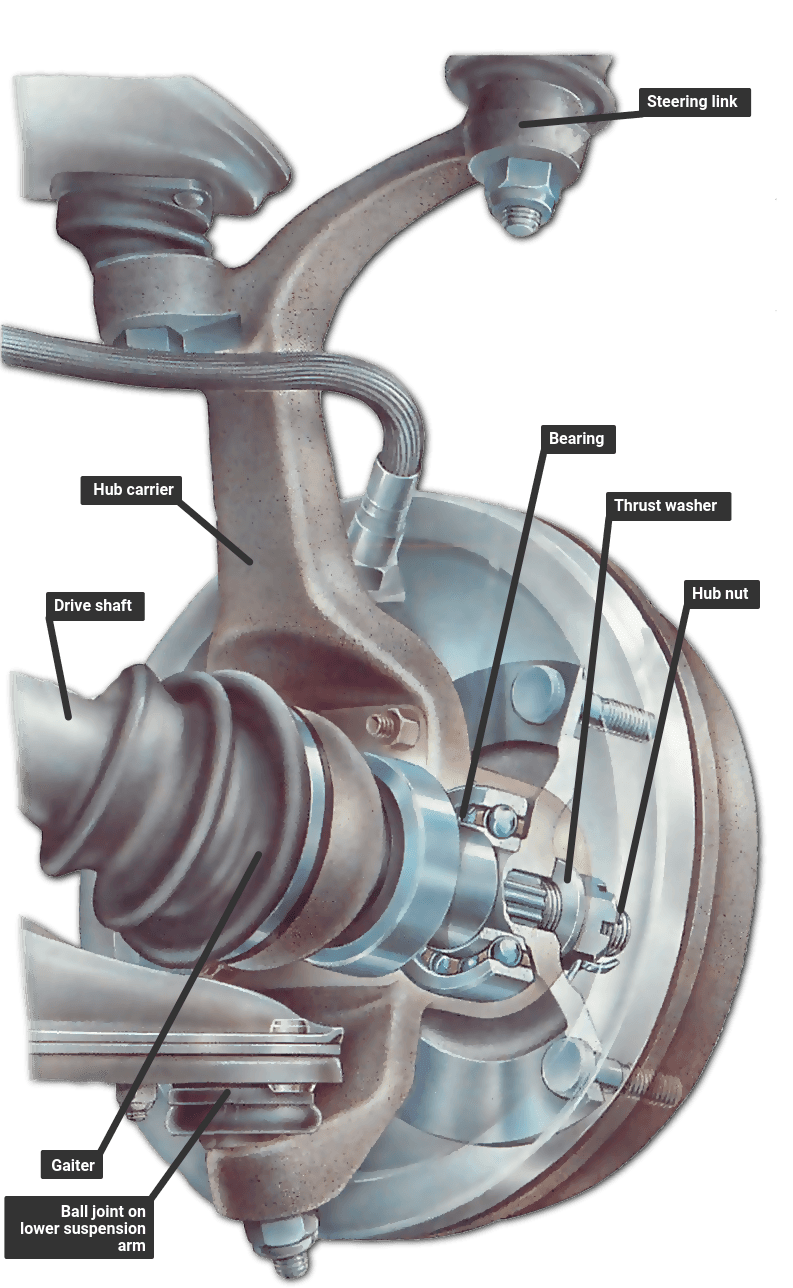
A car wheel bearinghelps the wheel move smoothly. It is a small, round part that fits inside the wheel. The bearing makes sure the wheel spins easily. Without a good bearing, the wheel may not turn right. This can cause noise and damage. A strong wheel bearingkeeps the car safe and drives well.
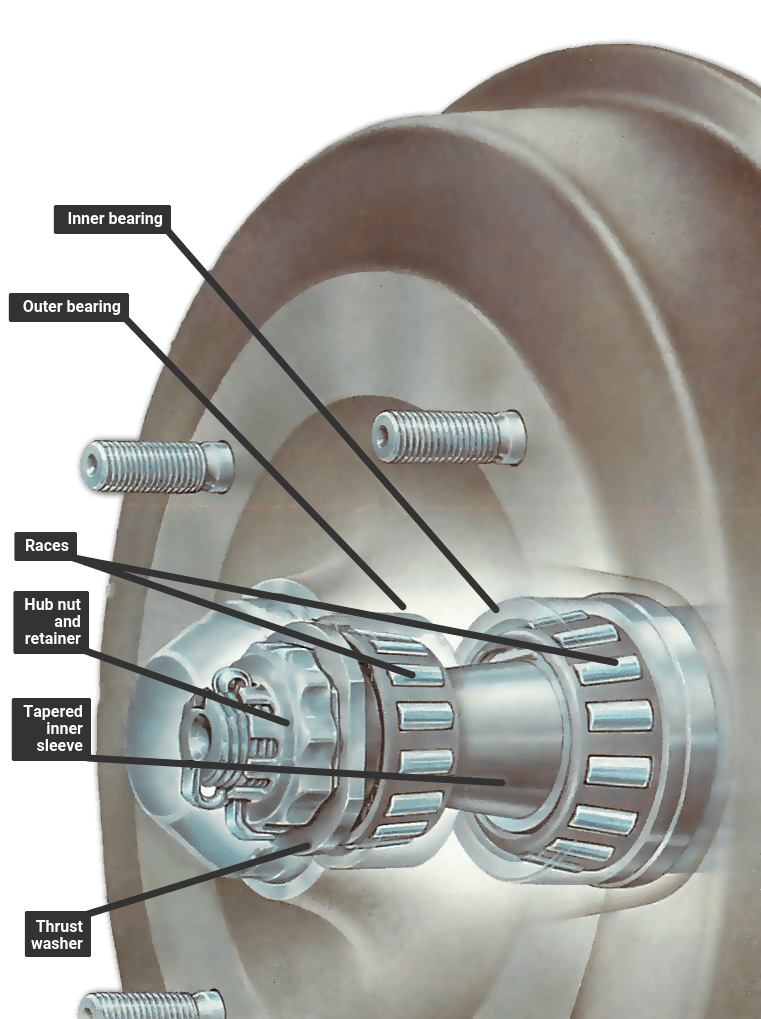
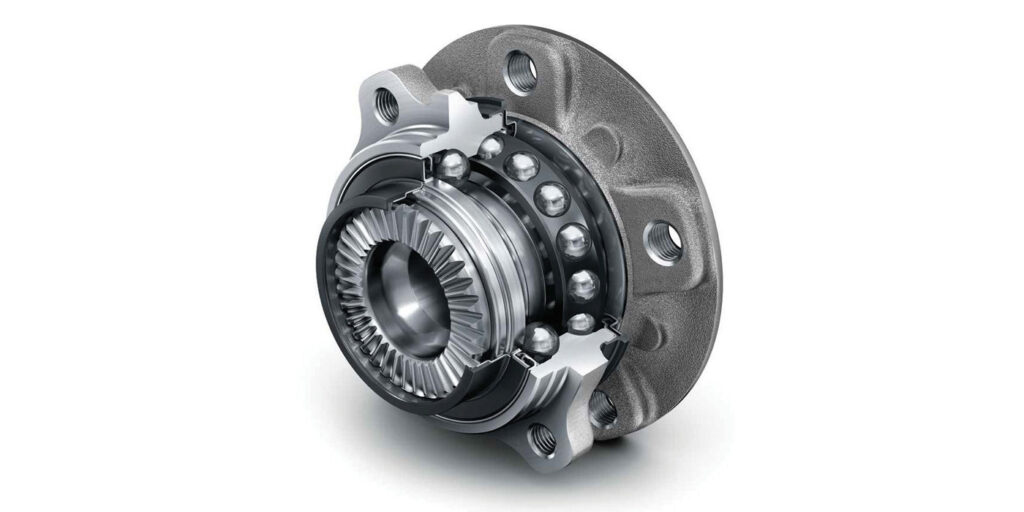
A wheel bearing has a few important parts. The main parts are the inner ringand the outer ring. Small balls or rollers sit between these rings. These help the wheel spin. Grease or oil keeps the balls moving smoothly. This reduces friction and heat. All these parts work together to make the wheel turn nicely.
Types Of Wheel Bearings
Ball bearings are very common in cars. They help wheels move smoothly. These bearings handle loads from different directions. Smooth rotation is a key feature. They reduce friction and wear. Used in many types of vehicles.
Roller bearings look like cylinders. They support heavy loads. Ideal for high-speed wheels. Sturdy design helps in rough conditions. More durable than ball bearings. Common in larger vehicles.
Tapered roller bearings have a cone shape. They handle both radial and thrust loads. Perfect for corners and turns. Often found in car wheel hubs. Provides smooth driving experience.
Precision bearings offer high accuracy. Essential for vehicles needing precise movements. They reduce noise and vibration. High-quality materials ensure long life. Used in sports cars and luxury vehicles.
Functions Of Wheel Bearings
Wheel bearings carry the car’s weight. They support the load from the vehicle. This ensures the wheels turn smoothly. The weight of the car pushes on the bearings. Without strong bearings, wheels can wobble. This makes driving unsafe. Bearings hold the wheels firm and secure.
Bearings help wheels turn with less effort. They reduce friction between parts. Less friction means smoother rides. Bearings make turning corners easy. They also help save fuel. Less friction means less energy is used. This helps the car run better.
Stability is important for safe driving. Wheel bearings keep wheels in place. They prevent unwanted movements. This stability helps the car stay on the road. It stops the car from shaking or vibrating. Stable wheels mean safer journeys.
Common Signs Of Bearing Issues
Strange noises can mean a problem with the wheel bearing. Listen for a humming or grinding sound. These noises may get louder when turning. Always pay attention to these sounds.
A bad bearing can cause vibration or wobbling in the car. You might feel this in the steering wheel. It can also happen at low or high speeds. This could be dangerous. Checking it soon is important.
Uneven tire wear might suggest bearing issues. Tires may wear out on one side more. This can affect driving safety. Keep an eye on your tire condition. It can save you from bigger problems.
Maintenance And Inspection Tips
Regular check-upskeep wheel bearings safe. Listen for unusual sounds. Strange noises mean trouble. Check for loose wheels. Loose wheels can be dangerous. Inspect wheels often. Safety first!
Proper lubricationis vital. Bearings need grease. Grease stops damage. Use the right grease. Too much grease is bad. Clean old grease off first. Always use clean tools.
Replacement guidelineshelp you stay safe. Replace worn bearings. Old bearings can break. Broken bearings cause accidents. Check bearings often. Replace them on time. Follow car manual for guidance.
Credit: www.howacarworks.com
Choosing The Right Wheel Bearing
A good wheel bearing should fit well. It must match your car model. Check the size and shape before buying. A wrong fit can cause damage. Ask an expert for help if unsure. Your car will run better with the right part.
Quality matters a lot. A high-quality bearing lasts longer. It reduces noise and wear. Choose brands known for durability. Reliable parts keep you safe. Poor quality can lead to accidents. Spend time checking reviews and ratings. Your safety is worth it.
Price and performance go hand in hand. Expensive doesn’t always mean better. Sometimes, a mid-range option works well. Look for value over cost. Consider performance and lifespan. Find a balance between price and quality. A good buy saves money in the long run.
Impact Of Faulty Bearings On Vehicle Performance
Faulty bearings make driving risky. Cars may not turn well. The wheels can shake or wobble. This can be scary and unsafe. Safe driving is hard with bad bearings. Accidents might happen more often.
Bad bearings can use up more fuel. The car engine works harder. This means more gas is needed. It can cost more money. Fuel efficiency drops when bearings are faulty.
Faulty bearings can harm other car parts. Wheels and tires may wear out fast. The suspension might get damaged too. This leads to expensive repairs. Keep bearings in good shape to avoid this.
Credit: www.counterman.com
Frequently Asked Questions
What Is The Function Of A Car Wheel Bearing?
A car wheel bearing supports the wheel’s rotation and maintains smooth driving. It reduces friction between the wheel and the axle. This ensures efficient performance and longevity. Properly functioning wheel bearings are crucial for vehicle stability and safety.
How Can I Identify A Bad Wheel Bearing?
A bad wheel bearing often causes unusual noises like grinding or humming. You may also notice uneven tire wear or vibration. Another sign is the vehicle pulling to one side. Prompt attention to these symptoms can prevent further damage.
How Long Do Wheel Bearings Typically Last?
Wheel bearings typically last between 85,000 to 100,000 miles. However, this lifespan can vary based on driving conditions and maintenance. Regular inspections and proper lubrication can extend their life. Always follow manufacturer recommendations for replacement intervals.
What Happens If A Wheel Bearing Fails?
If a wheel bearing fails, it can lead to wheel wobble and increased friction. This may cause uneven tire wear and poor vehicle handling. In severe cases, it might result in wheel detachment, posing significant safety risks.
Conclusion
Understanding car wheel bearings is crucial for safe driving. They support the wheel’s rotation. A faulty bearing can cause noise or vibration. Ignoring these signs might lead to serious issues. Regular maintenance keeps them in good condition. Replacing worn bearings ensures smooth rides.
Always choose quality parts for replacements. This enhances vehicle safety and performance. A well-maintained car is key to reliable transportation. Checking wheel bearings regularly is simple. It prevents costly repairs. Ensures peace of mind on the road. Keep your car in top shape.
Prioritize your safety.