What Is The Tc Light On A Car? Meaning & What To Do
This light is usually tied to your car’s traction control system. It helps keep your car stable, especially on slippery roads. When it comes on, it’s often trying to tell you something important about your driving conditions or your car’s systems.
Understanding what it means can help you drive safer. It can also help you know if you need to check anything on your car.
In this guide, we’ll break down what the TC light means. We’ll talk about why it might appear. We’ll also cover what you should do when you see it.
We want to make this clear and easy to understand. You’ll feel more confident the next time this light shows up.
The TC light on a car dashboard usually means the Traction Control system is either active or has a problem. It indicates that the system is working to prevent wheel slip or that there’s an issue with the system itself that needs attention.
What Exactly Is Traction Control?
Think of traction control as your car’s guardian angel on slippery surfaces. It’s a safety feature designed to help you keep control of your vehicle. This is especially true when the roads are wet, icy, or covered in gravel.
It works by detecting when one or more wheels start to spin faster than they should.
When wheels spin, you can lose grip. This makes it hard to steer or brake safely. Traction control uses sensors to watch how fast each wheel is turning.
If it notices a wheel spinning too much, it steps in. It can do this in a couple of ways. It might reduce the engine power slightly.
It can also apply the brakes to the spinning wheel.
This system is a part of a larger family of safety features. It often works with your Anti-lock Braking System (ABS). Together, they help make driving much safer, especially in bad weather.
Your car’s computer is always monitoring these systems. It makes small adjustments to help keep you on the road.
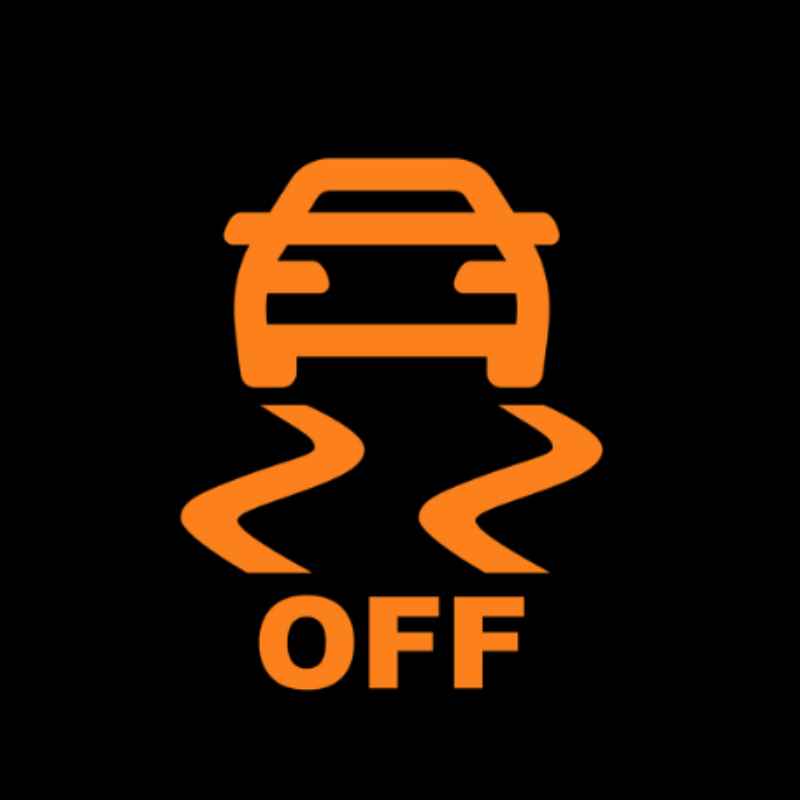
Why Does the TC Light Come On?
Seeing the TC light isn’t always a sign of a big problem. Sometimes, it’s just doing its job. Most often, the light appears because the traction control system has activated.
This happens when your car’s computer detects that your wheels might be slipping. This could be due to a number of reasons.
Slippery roads are the most common culprit. Think about driving on ice or snow. Heavy rain can also make roads slick.
Driving on loose gravel or even wet leaves can trigger it. If you accelerate too quickly on these surfaces, the TC light will likely come on. It’s showing you that it’s helping you maintain grip.
There are also times when the TC light comes on and stays on. This often means there’s a problem with the traction control system itself. This could be a faulty sensor.
It might be a problem with the system’s computer. Sometimes, a fuse can blow. Even low tire pressure can sometimes affect how these sensors work.
It’s also worth noting that some cars will show the TC light if you have a spare tire on. The spare tire might have a different size or pressure. This can confuse the system.
If you’ve recently changed a tire, check if that’s why the light is on.
TC Light: Quick Overview
What it is: A dashboard warning light.
What it signals: Traction Control system is active OR has an issue.
When it’s normal: On slippery surfaces when accelerating.
When to worry: Stays on constantly, especially with other warning lights.
What to do: Drive carefully; if it persists, get it checked.
My Own Experience with a Tricky TC Light
I remember one winter afternoon, driving home from visiting family. It had snowed all day, and the roads were getting pretty slick. I was being extra careful, going slow and easy on the gas.
Suddenly, the TC light on my dashboard blinked on. Then it stayed on.
My first thought was a bit of panic. “Oh no, what’s wrong with the car now?” I immediately eased off the accelerator. I gripped the steering wheel a little tighter.
I scanned the road for any obvious hazards. The car seemed to be driving okay, no strange noises or sudden loss of power. But that light was just sitting there, glowing steadily.
I pulled over into a quiet parking lot. I turned the car off. Then, I started it back up.
The TC light stayed off for a few minutes. Then, as I started to drive again, it came back on. I figured it must be the slippery conditions.
I decided to just drive very, very gently the rest of the way home.
When I got home, I looked it up. It turns out that on many cars, if the TC light comes on, and then you turn the car off and on, and it stays off, it’s often just acknowledging the slippery road. If it comes back on after you restart, it might signal a real issue.
Mine stayed on. The next day, when the roads were clearer and I started the car, the light was off. Phew!
It was just the system working hard in the snow. It was a good reminder to always be aware of the road conditions.
Understanding Different TC Light Behaviors
The way the TC light behaves can tell you a lot. It’s not just a simple on/off switch. Pay attention to how it acts.
This can give you clues about what’s happening. Most cars have a few common ways this light shows itself.
1. Flashing Light: This is usually a good sign, in a way. A flashing TC light means the traction control system is actively working.
It’s detecting wheel slippage. It’s trying to regain traction. This often happens when you accelerate too fast on a slippery surface.
Or, if you take a corner a bit too quickly. Once the wheels regain grip, the light should stop flashing and turn off.
2. Steady Light: If the TC light stays on after flashing, or if it comes on steady from the start, it often means something more. It can mean the system has detected a fault.
It might have shut itself down. Or, it could simply be acknowledging a persistent slippery condition that the system can’t fully overcome.
3. Light Stays On After Restart: This is a common indicator of a problem. If the light comes on, you turn the car off, and then restart it, and the light remains lit, it usually suggests a system fault.
The car’s computer has found an issue it can’t fix on its own. It needs a human to look at it.
4. TC and Other Lights: Sometimes, the TC light will appear alongside other warning lights. This could be the ABS light, the check engine light, or stability control lights.
When multiple lights are on, it strongly suggests a more significant problem. These systems are often linked. A fault in one can affect others.
TC Light Triggers
- Slippery Roads: Snow, ice, rain, mud, gravel.
- Sudden Acceleration: Trying to speed up too quickly.
- Sharp Turns: Especially at speed or on slick surfaces.
- System Malfunction: Faulty sensors, computer issues, electrical problems.
- Low Tire Pressure: Can affect sensor readings.
- Incorrect Tire Size/Type: Especially if using a non-standard spare.
What Can Cause the TC Light to Stay On?
When that TC light decides to stay lit, it can be frustrating. It’s telling you something isn’t right. While a flashing light usually means the system is working, a steady light often points to a deeper issue.
Let’s explore some common reasons why the TC light might stay on.
Faulty Wheel Speed Sensor: Your traction control system relies heavily on sensors at each wheel. These sensors measure how fast each wheel is spinning. If one of these sensors fails or gets dirty, it can send incorrect information to the car’s computer.
This can cause the TC light to illuminate. These are often simple to fix but crucial for the system.
ABS System Issues: Traction control and the Anti-lock Braking System (ABS) are closely related. They share many of the same sensors and control modules. If there’s a problem with your ABS system, it can often trigger the TC light as well.
You might notice the ABS light on at the same time.
Steering Angle Sensor Problem: This sensor tells the car’s computer which way you’re steering. This is vital for stability control. If this sensor is not working correctly, it can confuse the traction control system.
It might think the car is sliding when it isn’t.
Yaw Rate Sensor Failure: The yaw rate sensor measures the rotation of your car around its vertical axis. It helps the car understand if it’s turning as expected. A faulty yaw rate sensor can cause the TC light to come on.
It’s a key component for maintaining stability.
Electronic Stability Control (ESC) Module Issue: The ESC module is the brain of these systems. If this computer module has a fault, it can affect traction control. These can be more complex and expensive to repair.
It’s like the central nervous system for your car’s safety features.
Tire Pressure Issues: Believe it or not, incorrect tire pressure can sometimes cause problems. If your tires are significantly underinflated, it can affect how the wheel speed sensors work. This can lead to false readings.
It might trigger the TC light. Always keep your tires properly inflated.
Recent Car Work: If you recently had work done on your car, especially related to the brakes, suspension, or electrical system, a sensor might not have been reconnected properly. Or, a part might not be fully seated. This can cause warning lights to appear.
Bad Fuse or Relay: Like any electrical system, the traction control can be affected by a blown fuse or a faulty relay. These are usually the simplest and cheapest fixes. A mechanic can check these quickly.
Common Causes for a Steady TC Light
Component: Wheel Speed Sensor
Impact: Incorrect wheel speed readings.
Component: ABS Module
Impact: Shared systems can trigger related lights.
Component: Steering Angle Sensor
Impact: Incorrect steering input detection.
Component: Yaw Rate Sensor
Impact: Misinterprets car’s rotational movement.
Component: Fuses/Relays
Impact: Loss of electrical power to the system.
What to Do When the TC Light Comes On
So, you see the TC light. What’s your next move? The first thing to do is stay calm.
Most of the time, it’s not an emergency. But it does deserve your attention. Your actions can help keep you and your car safe.
1. Assess the Driving Conditions: Are you driving on a slippery surface like ice, snow, gravel, or wet leaves? If so, the light is likely just indicating that the traction control is active.
This is normal. Slow down. Accelerate gently.
Make smooth steering inputs. Avoid sudden movements.
2. Check for Other Warning Lights: Is the TC light on by itself? Or are other lights like the ABS light or the check engine light also illuminated?
If other lights are on, it might suggest a more significant issue. This warrants a closer look.
3. Try a Restart: If the conditions are normal (dry roads, no sudden acceleration) and the TC light is on, try this simple step. Find a safe place to pull over.
Turn off your engine. Wait about 30 seconds. Then, restart your car.
Sometimes, this can reset the system if it was a temporary glitch.
4. Observe the Car’s Behavior: Does the car feel different? Is there a loss of power?
Does it pull to one side? Are the brakes acting strangely? If you notice any unusual behavior along with the TC light, it’s a sign that you should stop driving as soon as it’s safe to do so.
You might need to have the car towed.
5. Drive Cautiously: If the light stays on after a restart, or if you suspect a minor issue, drive with extreme caution. Avoid hard braking or acceleration.
Take corners slowly. Pretend you’re driving on ice, even if the roads look clear. This will help prevent further issues and keep you safe.
6. Schedule a Mechanic Visit: If the TC light remains on after these steps, or if it comes on frequently, it’s time to visit a qualified mechanic. They have specialized tools to diagnose the specific fault code stored in your car’s computer.
This will help them pinpoint the exact problem and fix it correctly.
7. Consult Your Owner’s Manual: Every car is a bit different. Your car’s owner’s manual is a valuable resource.
It will tell you exactly what the TC light means for your specific make and model. It might also have specific troubleshooting advice.
What to Do: Step-by-Step
Step 1: Check weather and road conditions.
Step 2: Note any other warning lights.
Step 3: Try turning the car off and on again.
Step 4: Pay attention to how the car drives.
Step 5: Drive gently if the light persists.
Step 6: Book an appointment with a mechanic if needed.
Can You Drive with the TC Light On?
This is a big question for many drivers. The answer isn’t a simple yes or no. It really depends on why the light is on and what other symptoms you’re experiencing.
For the most part, if only the TC light is on, and your car feels normal, you can likely continue driving.
However, you need to be aware that your traction control system may not be working as intended. This means you have less assistance in preventing wheel spin. If you encounter slippery conditions, your car might be more prone to skidding or losing control.
You’ll need to be extra vigilant.
Driving with the TC light on when there’s an actual system fault is risky. It’s like driving without that safety net. If you are on a dry, clear road, and the TC light comes on and stays on without any other issues, it often means the system is disabled.
This is usually due to a sensor problem or an electronic fault.
If the TC light is on and you also see the ABS light, this is more concerning. Both systems are crucial for safe driving. If both are compromised, your braking and steering control could be significantly affected, especially in emergencies.
In this scenario, it’s best to avoid driving. Get the car checked immediately.
The biggest red flag is if the TC light is on and you notice any changes in how the car drives. This could be shuddering, unusual noises, loss of power, or weird braking behavior. These are clear signs that you should not continue driving.
Pull over safely and call for assistance. Your safety is paramount.
Is Traction Control Always Necessary?
Traction control is a fantastic safety feature. It has undoubtedly prevented many accidents. But is it always necessary?
It’s a complex system. For most everyday driving, especially in variable weather conditions, it’s incredibly beneficial. It gives drivers more confidence and control.
However, there are some situations where a driver might want to disable it. For instance, if you’re stuck in deep snow or mud. Sometimes, the system might cut power too much.
This can prevent you from rocking the car to get free. In these rare instances, many cars have a button to turn the traction control off temporarily.
Also, some experienced drivers might prefer to feel the car’s reactions more directly. They might want to control wheel slip intentionally in certain performance driving situations. But for the average driver, especially in unpredictable weather, keeping traction control active is highly recommended.
It’s designed to help you when you need it most.
It’s important to remember that traction control is not a substitute for good driving. It won’t prevent accidents caused by excessive speed or dangerous driving habits. It’s a tool to help manage vehicle dynamics.
It works best when combined with a driver who is paying attention and driving appropriately for the conditions.
Checking Your Tire Pressure and Tread
We talked about how tire pressure can sometimes affect the TC light. But checking your tires is good practice regardless. Properly inflated tires are crucial for safety and performance.
They also help your car’s electronic systems work correctly. Low tire pressure can throw off sensors.
You can find the correct tire pressure for your car on a sticker inside the driver’s side doorjamb. It’s also usually in your owner’s manual. Check your tire pressure when the tires are cold, meaning they haven’t been driven for a few hours.
You can buy a simple tire pressure gauge for just a few dollars. It’s a small investment for peace of mind.
Equally important is the condition of your tire tread. Worn-out tires have less grip. This is especially dangerous on wet or icy roads.
Your traction control system relies on good tire grip to do its job. If your tires are bald, even the best traction control can’t overcome the lack of friction.
Look for the tread wear indicator bars on your tires. If the tread is worn down to these bars, it’s time for new tires. You can also do the penny test.
Stick a penny into the deepest part of the tread with Lincoln’s head facing down. If you can see the top of Lincoln’s head, your tread is likely too low. Safe tires are the foundation of a safe drive.
Tire Care for System Health
Action: Check Tire Pressure Regularly
Why: Affects sensor readings and handling.
Action: Use Recommended Pressure
Why: Found on doorjamb sticker or in manual.
Action: Inspect Tire Tread Depth
Why: Essential for grip, especially in bad weather.
Action: Replace Worn Tires Promptly
Why: Safety and performance compromise.
When to See a Mechanic
You’ve checked the road conditions. You’ve tried restarting the car. You’ve made sure your tires are okay.
Yet, the TC light is still on. This is when it’s time to stop guessing and bring in the professionals. A mechanic has the tools and knowledge to accurately diagnose the problem.
A mechanic will use an OBD-II scanner. This device plugs into your car’s diagnostic port. It reads the error codes stored in the car’s computer.
These codes are like a secret language. They tell the mechanic exactly what system is reporting a fault. For example, a code might point directly to a faulty wheel speed sensor.
Once the code is read, the mechanic can perform further tests. They can confirm the diagnosis. They can then recommend the correct repair.
This might be replacing a sensor, fixing a wiring issue, or even replacing a control module. Ignoring a persistent TC light can sometimes lead to bigger, more expensive problems down the road.
It’s also wise to visit a mechanic if the TC light is accompanied by other warning lights. Especially if it’s the check engine light or ABS light. This usually indicates a more complex issue.
Getting it checked promptly can prevent further damage and ensure your car’s safety systems are fully functional. Don’t hesitate to seek expert help when you need it.
Frequently Asked Questions
What does the TC light on my car mean?
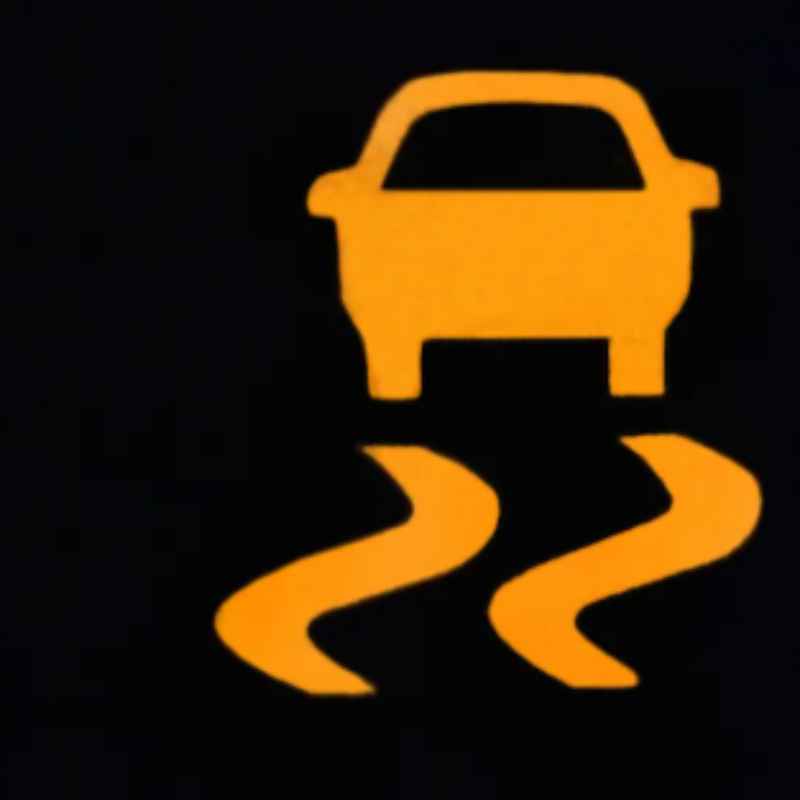
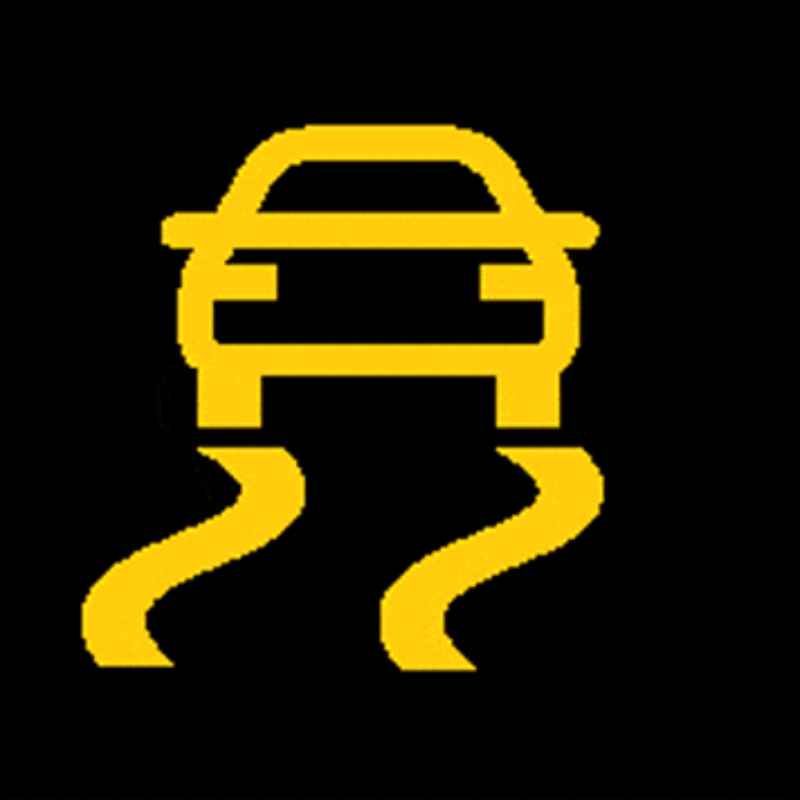
The TC light, often shown as “TC,” “TCS,” or a car with wavy lines, means your car’s Traction Control system is active or has detected a problem. It usually comes on when the system is working to prevent wheel spin on slippery surfaces.
Is it safe to drive if the TC light is on?
Generally, yes, if only the TC light is on and your car drives normally. However, your traction control may not be working. Drive cautiously, especially in bad weather.
If other warning lights are on, or if the car behaves oddly, it’s best to get it checked before driving further.
My TC light flashes. What does that mean?
A flashing TC light indicates that the traction control system is actively engaged. It’s detecting that one or more wheels are slipping and is working to regain traction. This is normal behavior when driving on slippery surfaces like snow, ice, or wet roads.
The TC light stays on after I start the car. What should I do?
If the TC light stays on after you restart the car, it usually means there is a fault within the traction control system. You should try to drive gently and have a mechanic inspect the vehicle soon. They can diagnose the issue using diagnostic tools.
Can low tire pressure cause the TC light to come on?
Yes, low tire pressure can sometimes trigger the TC light. The traction control system relies on accurate readings from wheel speed sensors. Significantly underinflated tires can interfere with these readings, leading the system to believe there’s a slip condition or a fault.
What is the difference between TC and ESC?
TC stands for Traction Control, which primarily prevents wheel spin during acceleration. ESC stands for Electronic Stability Control. ESC is a broader system that uses traction control components but also helps prevent skidding during cornering by braking individual wheels and reducing engine power to help keep the car stable.
Do I need to get my TC light checked if it only comes on in the snow?
If the TC light only comes on when you’re driving on snow or ice, and it goes away when the roads are clear and you restart the car, it’s likely just the system doing its job. However, if it comes on consistently during snowy conditions and stays on, it’s still a good idea to have it checked by a mechanic to ensure the system is fully functional for when you really need it.
Final Thoughts on Your TC Light
Seeing a warning light on your dashboard can be unsettling. The TC light is no different. But understanding what it means can turn confusion into confidence.
It’s a signal that your car is either working hard to keep you safe on slippery roads, or it needs a little attention.
Remember to check your surroundings and your car’s behavior. A flashing light is often just the system doing its job. A steady light often means it’s time for a closer look.
By paying attention and following these simple steps, you can ensure your car stays in good shape. And you can drive with peace of mind.
Products related to this article
Sponsored / affiliate links. As an Amazon Associate I earn from qualifying purchases. I may earn additional commission from eligible campaigns.