What Is Triple Foam Car Wash: Essential Guide
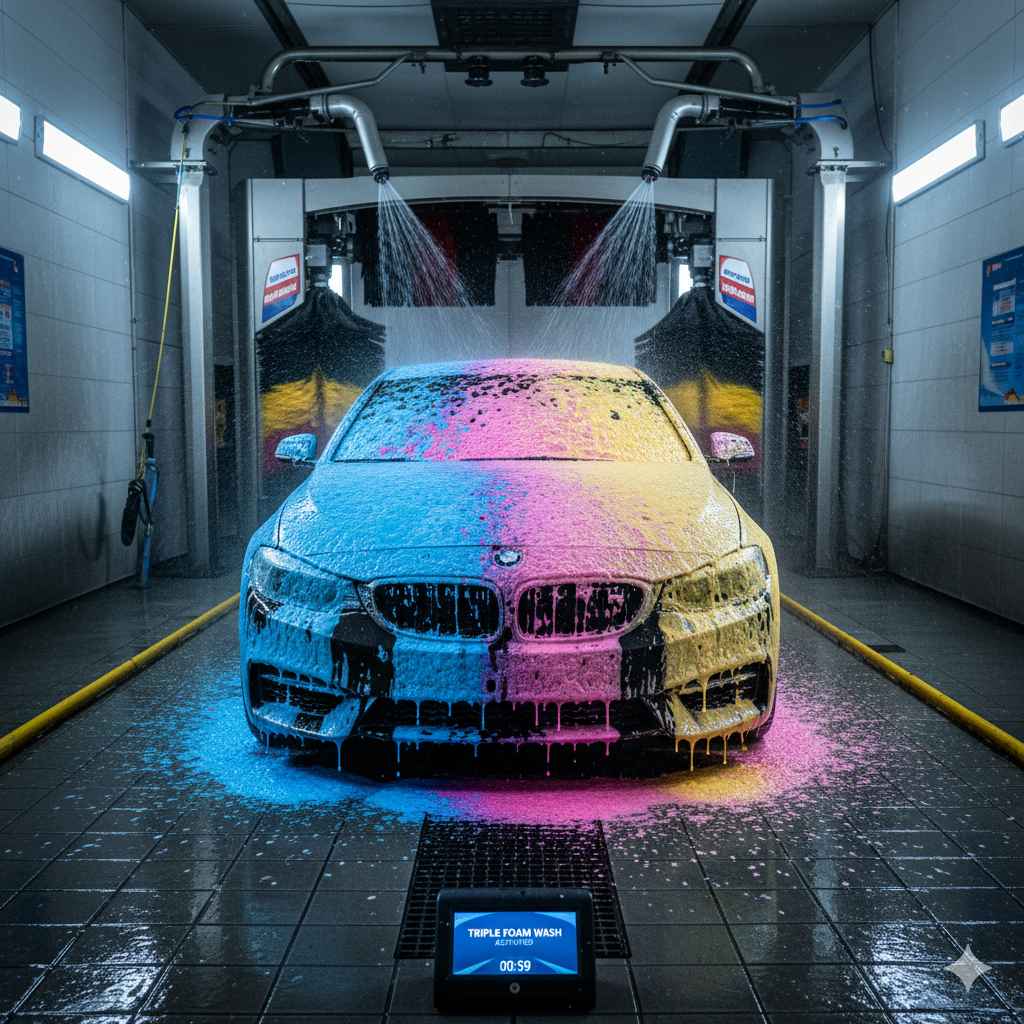
What is a triple foam car wash? It’s a multi-step automatic car wash process that uses three different colored soaps – pre-soak, wax, and conditioner – to clean, shine, and protect your car’s exterior, offering a convenient and effective way to keep your vehicle looking its best.
Ever driven through an automatic car wash and seen those colorful, bubbly mounds cascade over your vehicle? You might have wondered, “What exactly is that stuff?” That’s the magic of a triple foam car wash! It’s a system designed to give your car a thorough clean, a nice shine, and a protective layer, all in one go. For many car owners, it’s a go-to for convenience. But if you’re new to car care or just curious, it can seem a bit mysterious. Don’t worry, we’re here to break it down in a way that’s easy to understand. Think of this as your friendly guide to understanding what’s happening during that bubbly bath for your car, and why it’s a popular choice for keeping your ride looking great.
Understanding the Triple Foam Car Wash Process
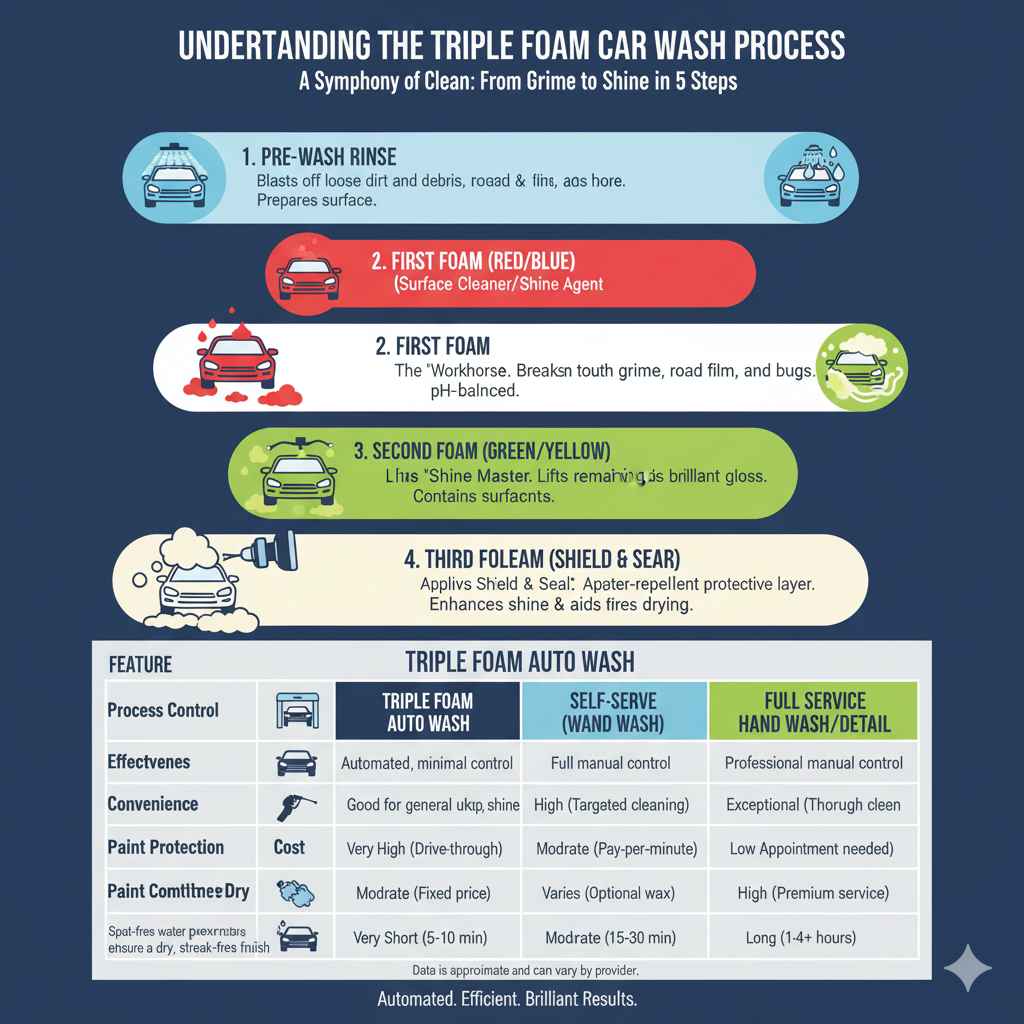
The “triple foam” in a triple foam car wash refers to the three distinct layers of cleaning and conditioning agents applied to your car during the wash cycle. Each foam has a specific purpose in the cleaning sequence, working together to lift dirt, add shine, and provide a protective barrier. It’s a carefully orchestrated dance of chemicals and water designed for maximum cleaning impact without damaging your car’s finish.
This process is typically found in automatic car washes, where sophisticated equipment dispenses the foams at precise moments. While it’s an automated process, understanding what each step does can help you appreciate its effectiveness and make informed choices about the car wash services you select.
The Three Foams: What’s Their Role?
Each layer of foam plays a crucial part in the overall cleaning and beautification of your vehicle. Let’s delve into what each one does:
- First Foam (Pre-Soak/Degreaser): Usually bright red or blue, this is the workhorse. Its primary job is to break down and loosen stubborn dirt, grime, road film, and bug splatters. It’s a pH-balanced cleaner that gently attacks tough contaminants without stripping your car’s existing wax or sealant. Think of it as the initial attack on the dirtiest parts of your car.
- Second Foam (Surface Cleaner/Shine Agent): Often a vibrant green or yellow, this foam focuses on gently removing the loosened dirt and adding a brilliant shine to your car’s paint. It contains surfactants that lift away the remaining debris while leaving behind a slick, glossy finish. This is where your car starts to look visibly cleaner and shinier.
- Third Foam (Protectant/Wax Enhancer): This foam is typically a creamy white or clear. Its main function is to apply a protective layer and enhance the shine. It adds a hydrophobic (water-repelling) quality to your paint, helping water bead and roll off more easily, which can also assist in drying. Some versions might even contain carnauba wax or synthetic polymers for added gloss and protection.
The Step-by-Step Wash Cycle
When you drive into an automatic car wash that offers the triple foam treatment, here’s generally what happens, giving you a clear picture of the process:
- Pre-Wash/Rinse: Before any foam is applied, your car is usually given a preliminary rinse with water. This removes loose dirt and debris, preventing it from being ground into the paint by brushes or cloths later on.
- First Foam Application: The pre-soak foam is applied generously, covering your entire vehicle. It’s given a few moments to dwell, allowing its cleaning agents to work on breaking down tough grime.
- Rinsing: After the pre-soak has had time to act, it’s rinsed off thoroughly with water.
- Second Foam Application: The shine-enhancing foam is then applied. This foam works to lift away any remaining dirt and begins to impart a glossy appearance to your car’s surface.
- Rinsing: Again, the foam is rinsed off diligently to clear away any residue.
- Third Foam Application: The protective or wax-enhancing foam is the final foaming agent. It’s applied to leave a slick, protective, and shiny layer on your car.
- Final Rinse (Often with Spot-Free Water): A final rinse, often using de-ionized or filtered water (spot-free water), is performed. This special water has had minerals removed, so when it dries, it doesn’t leave behind water spots.
- Drying: Powerful blowers or sometimes soft cloths are used to dry your car. The protective layer from the third foam helps water sheet off, making the drying process more efficient.
Benefits of a Triple Foam Car Wash
Opting for a triple foam car wash offers several advantages for car owners who value convenience, appearance, and a degree of protection for their vehicle.
Convenience and Time-Saving
For busy individuals, the automatic nature of a triple foam car wash is a huge plus. You drive in, pay, and let the machinery do all the work. It’s a quick way to get your car cleaned without spending hours washing it yourself or needing to find specialized detailing services. This efficiency is why they are so popular.
Enhanced Shine and Appearance
The multi-stage foaming process is specifically designed to not only clean but also to enhance the look of your car. The cleaner foams break down dirt effectively, while the subsequent foams add gloss and a polished appearance. This results in a car that looks noticeably shinier and more attractive after the wash.
Surface Protection
While not a substitute for a professional wax or ceramic coating, the third foam layer does offer a level of protection. It creates a barrier on your paintwork that helps repel water and light contaminants. This can make your car stay cleaner for longer between washes. According to the U.S. Environmental Protection Agency, proper car washing techniques, including the use of water-repellent finishes, can help preserve your vehicle’s paint. Many car wash facilities are also adopting more environmentally friendly practices, further enhancing their appeal.
Gentle on Paintwork (When Done Professionally)
Reputable car washes use high-quality, pH-balanced cleaning agents designed to be tough on dirt but gentle on automotive finishes. When paired with modern, touchless systems or advanced friction materials, the risk of scratching is minimized. The careful application of different soaps at specific stages helps ensure that the car is properly cleaned without harsh scrubbing that could damage the paint.
Types of Triple Foam Car Washes
While the core concept remains the same, triple foam car washes can vary slightly depending on the facility and the specific products they use. The main distinction often comes down to the “touch” involved.
Touchless Triple Foam Washes
In a touchless triple foam car wash, the entire cleaning process relies on high-pressure water jets and the chemical action of the foams. No physical contact is made with brushes or cloths other than for drying. This method is excellent for preventing scratches and swirl marks, as there’s no mechanical friction against the paint. The strong detergents and water pressure work together to lift and remove dirt.
Pros of Touchless:
- Extremely low risk of scratching or marring paint.
- Ideal for cars with delicate finishes or custom paint jobs.
- Quick and efficient.
Cons of Touchless:
- May not remove all stubborn, caked-on dirt as effectively as friction washes.
- Relies heavily on the power of the chemicals and water pressure.
Soft Cloth/Friction Triple Foam Washes
These washes use the same three-stage foam application but also incorporate soft cloth strips or foam rollers that gently agitate the surface of your car. This physical action helps to lift and scrub away more ingrained dirt and grime. Modern soft cloth materials are designed to be very gentle and are regularly maintained to avoid harboring grit.
Pros of Soft Cloth:
- Generally more effective at removing stubborn dirt and grime.
- The combination of foam and gentle friction can lead to a deeper clean.
Cons of Soft Cloth:
- Despite being “soft,” there’s still a small risk of micro-scratches or swirl marks, especially on older paintwork or if cloths aren’t impeccably maintained.
- Might not be suitable for very sensitive or custom finishes.
The Importance of Spot-Free Water
A critical component of any high-quality automatic car wash, including triple foam systems, is the use of spot-free water for the final rinse. Standard tap water contains minerals and dissolved solids. When this water evaporates from your car’s surface, these minerals are left behind, creating unsightly white spots. Spot-free water is typically treated through reverse osmosis or deionization. This process removes these impurities. A good final rinse with spot-free water ensures that your car dries to a brilliant, clear finish without lingering blemishes, enhancing the overall result of the wash.
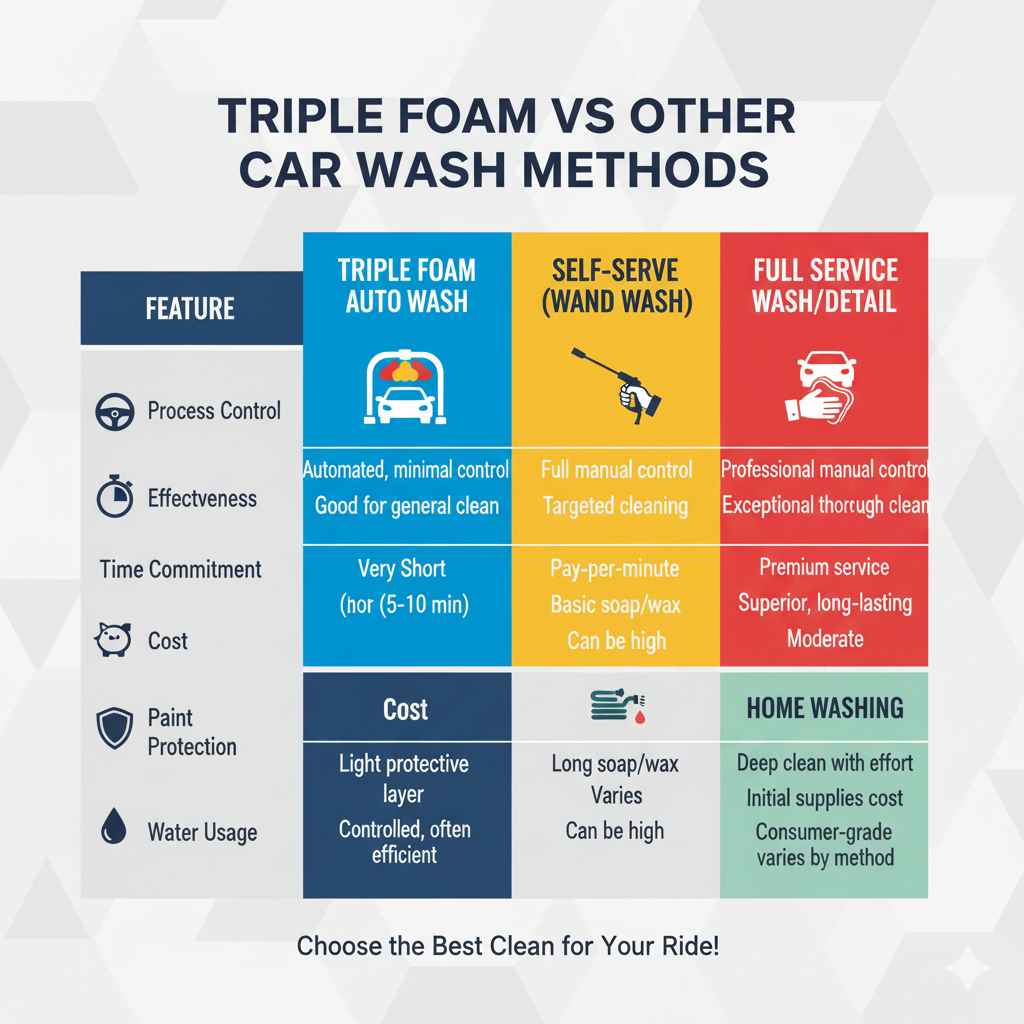
Triple Foam vs. Other Car Wash Methods
When you’re looking to clean your car, you have several options. Understanding how triple foam car washes stack up against others can help you choose the best method for your needs.
Triple Foam vs. Self-Serve (Wand Washes)
Self-serve car washes, often called wand washes, give you direct control. You use a high-pressure spray wand and select different cleaning options (like presoak, soap, wax, etc.).
| Feature | Triple Foam Auto Wash | Self-Serve (Wand Wash) |
|---|---|---|
| Process Control | Automated, user has no direct control over application. | User has full control over duration and application of each step. |
| Detergent Quality | Professionally formulated, often proprietary blends. | Varies greatly by facility; usually standard detergents. |
| Effectiveness | Good for general dirt and shine; may struggle with heavily soiled areas. | Can be very effective for tough spots with targeted effort. |
| Convenience | Very high. Drive-through convenience. | Moderate. Requires user effort and time. |
| Cost | Typically a fixed price, often part of a package. | Pay-per-minute/item; can be cheaper or more expensive depending on time spent. |
| Risk of Damage | Low (touchless) to moderate (friction). | Low, but depends on user’s technique and wand handling. |
Triple Foam vs. Full Service Hand Wash/Detailing
A full-service hand wash involves a professional detailer washing your car by hand, often using the two-bucket method for safety and applying waxes or sealants manually.
| Feature | Triple Foam Auto Wash | Full Service Hand Wash/Detailing |
|---|---|---|
| Thoroughness | Good for general cleaning and appearance. | Can be exceptionally thorough, addressing all nooks and crannies. |
| Paint Protection | Light protection from the third foam. | Can include high-quality waxes, sealants, or ceramic coatings for superior, longer-lasting protection. |
| Detailing Capabilities | Limited to exterior wash. | Can include interior cleaning, polishing, waxing, clay barring, and more. |
| Cost | Relatively inexpensive. | Significantly more expensive due to labor and expertise. |
| Time Commitment | Very short (minutes). | Can take several hours. |
| Risk of Damage | Low to moderate. | Very low when performed by skilled professionals using proper techniques. |
Triple Foam vs. Home Washing
Washing your car at home gives you complete control and allows you to use specific products.
| Feature | Triple Foam Auto Wash | Home Washing |
|---|---|---|
| Convenience | High. No effort required. | Low. Requires time, effort, and supplies. |
| Water Usage | Controlled by the facility, often efficient. | Can be high depending on technique. Check local water restrictions. A Car Wash Association resource highlights that professional car washes often use less water per vehicle than home washing. |
| Detergents | Professionally designed for automated systems. | Wide variety of consumer-grade soaps and specialty cleaners. |
| Drying | Automated blowers or cloths. | Manual drying with towels, often requires significant buffing. |
| Cost | Fixed price per wash. | Initial cost of supplies, then minimal cost per wash. |
| Effectiveness | Good for upkeep and shine. | Can be very effective for a deep clean and precise detailing. |
Tips for Getting the Most Out of a Triple Foam Car Wash
Even though you’re not the one doing the washing, there are smart ways to maximize the benefits of a triple foam car wash and ensure you get the best possible results for your vehicle.
Pre-Treat Heavily Soiled Areas (If Possible)
While most automatic washes are designed to handle average dirt, extremely caked-on mud, tar, or bug splatter might need extra attention. If the car wash offers a pre-wash option or if you have a moment before entering the bay, a quick spray with a pre-wash product (if you have one on hand and it’s permitted) can make a difference. However, most people go for the convenience, so rely on the first foam’s degreasing power.
Choose the Right Wash Package
Many car washes offer different tiers of service. If you want the full benefit of the triple foam, ensure you select a package that includes all three foam stages, as well as a good rinse and drying cycle. Some basic packages might omit certain steps or use less advanced products.
Opt for Undercarriage Washes (When Available)
Especially if you live in an area with harsh winters or frequent rain, your car’s undercarriage can accumulate a lot of salt, mud, and road grime. Many automatic car washes offer an undercarriage wash as an add-on. This blast of high-pressure water can help remove corrosive materials that can damage your vehicle over time.
Upgrade to a “Super Shine” or “Ceramic” Option (If Offered)
Some facilities will offer an “upgrade” to the third foam, often marketed as a “super shine” or even a basic “ceramic” coating. While these are usually not true ceramic coatings that require professional application, they can offer enhanced gloss and slickness, providing a better water-repelling effect than standard waxes. If you’re looking for an extra boost in shine and protection, consider these upgrades.
Inspect Your Car After the Wash
Once you’re out of the wash and the car is dry, take a moment to look it over. Check for any missed spots, streaks, or areas where dirt might still be clinging. If there are any obvious issues, especially with a premium wash, don’t hesitate to politely inform the staff. Good car washes want you to be satisfied.
Consider the Frequency
While convenience is key, don’t rely solely on automatic washes if you want to maintain your car’s paint in pristine condition long-term. For deeper cleaning, removing stubborn contaminants, and applying robust protection, occasional hand washing or professional detailing is recommended. For regular upkeep and a good shine, triple foam washes are excellent.
Frequently Asked Questions (FAQ)
What is the difference between the colored foams in a triple foam car wash?
The different colors usually indicate different functions. The first foam (often red or blue) is a pre-soak to break down tough dirt. The second foam (often green or yellow) cleans and adds shine. The third foam (often white or clear) applies a protectant or wax enhancer.