What Kind of Asset Is a Car Accounting Explained
Many people wonder about classifying their car for accounting purposes. It can seem a bit confusing at first, especially if you’re new to business finances. Don’t worry, we’ll break down What Kind of Asset Is a Car?
Accounting Explained in a way that’s easy to grasp. We’ll go step-by-step to make it super clear. Get ready to see how your vehicle fits into the business picture.
What Kind of Asset Is a Car Accounting Explained
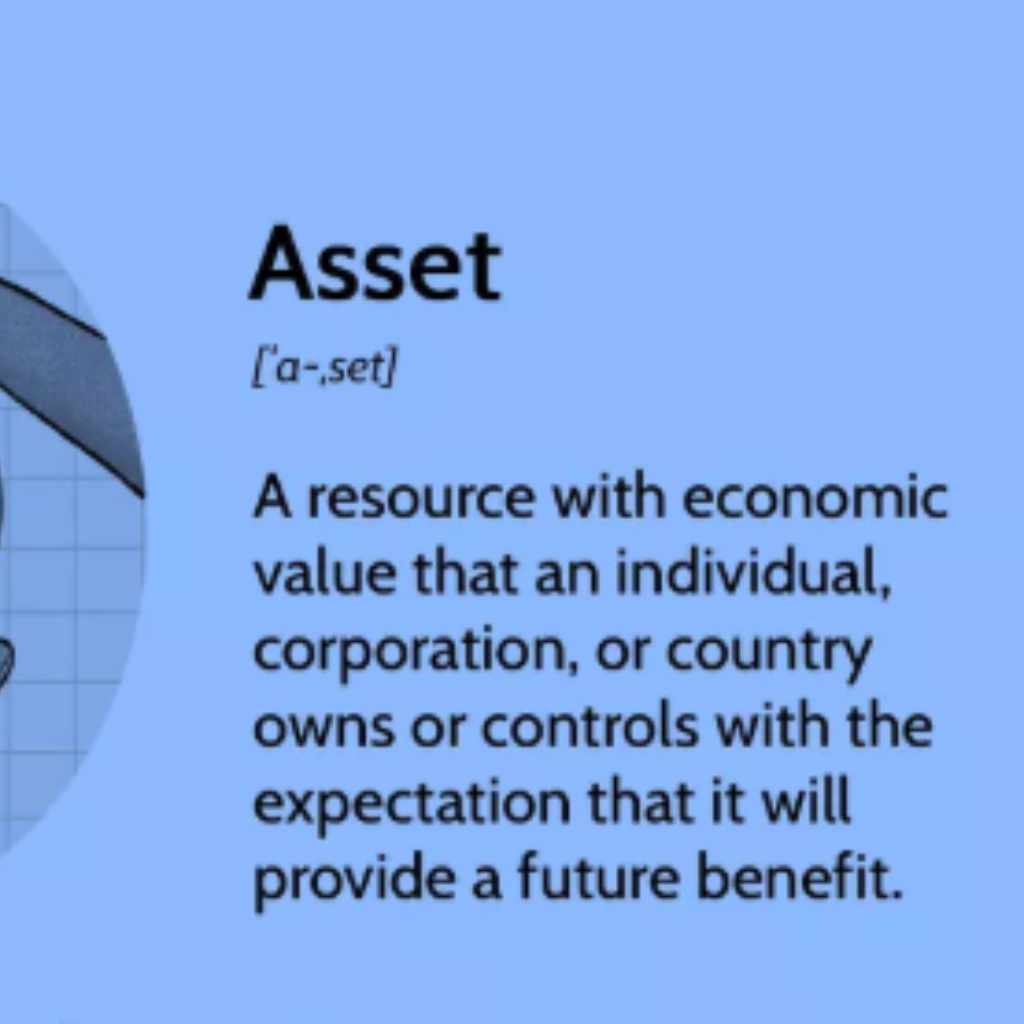
When businesses think about their cars, they often ask, “What kind of asset is a car?” The answer is key to how it’s shown on financial statements. Generally, a car used for business is considered a fixed asset. This is because it’s something the business owns and plans to use for a long time, typically more than a year, to help generate income.
It’s not something bought and sold quickly like inventory.
Fixed assets are important because they represent the long-term investments a company makes to operate and grow. They are tangible items, meaning you can see and touch them, unlike intangible assets like patents or goodwill. When a business buys a car, it’s a significant expenditure, so accounting rules dictate how it’s treated to give a true picture of the company’s financial health.
This classification affects how the car’s cost is spread out over its useful life.
Classifying a Car As A Fixed Asset
A car used in a business is almost always a fixed asset. Think about it: you buy it to drive to clients, deliver goods, or transport equipment, and you expect to use it for years. This contrasts with assets like raw materials for making products or finished goods ready to be sold.
Those are current assets because they’ll be used up or sold within a year.
Fixed assets, also known as property, plant, and equipment (PP&E), are fundamental to a company’s operations. They are the tools and machinery that enable a business to create value. The initial cost of the car is recorded on the balance sheet.
Over time, the value of the car decreases due to wear and tear or becoming outdated. This decrease in value is accounted for through depreciation, which we’ll explore more.
Tangible vs. Intangible Assets
Assets are broadly categorized into tangible and intangible. Tangible assets have a physical form. This includes things like buildings, machinery, vehicles, and furniture.
They are assets you can touch and feel.
Intangible assets, on the other hand, lack a physical form but still have value. Examples include patents, copyrights, trademarks, and brand recognition. While a car is clearly tangible, understanding this distinction helps place it in the correct category within a company’s asset list.
Current vs. Non-Current Assets
Assets are also divided into current and non-current. Current assets are expected to be converted into cash or used up within one year or one operating cycle, whichever is longer. This includes cash, accounts receivable, and inventory.
Non-current assets, also known as long-term assets, are expected to provide economic benefits for more than one year. Fixed assets like cars fall into this category. This classification is vital for understanding a company’s short-term liquidity versus its long-term investments.
Accounting for A Car Purchase
When a business buys a car, the initial accounting entry records the purchase price. This entry increases the asset account (e.g., “Vehicles” or “Automobiles”) and decreases the cash account or increases a liability account if financed. The cost includes not just the sticker price but also any taxes, delivery fees, and costs to get the car ready for its intended use.
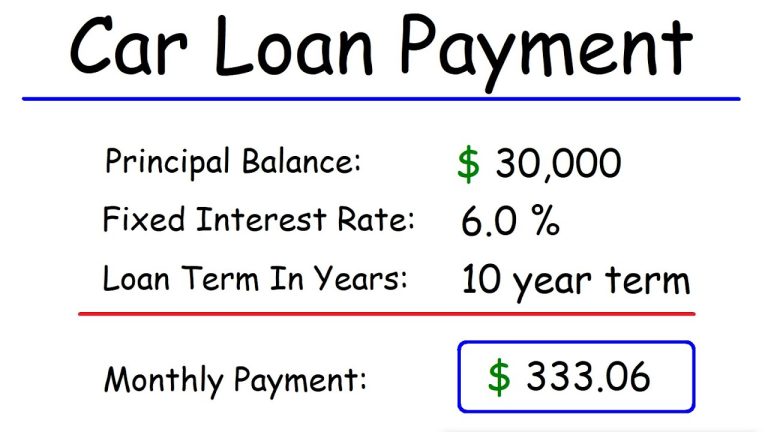
For example, if a company buys a van for $30,000 and pays $2,000 in taxes and fees, the vehicle asset account would be increased by $32,000. If they paid cash, the cash account would decrease by $32,000. If they took out a loan, a “Notes Payable” or “Vehicle Loan Payable” account would increase by $32,000.
This sets the stage for how the car’s value will be managed over its life.
Recording The Initial Cost
The initial cost of a car as a business asset is its purchase price plus any costs to bring it to its intended location and condition. This could include sales tax, registration fees, and even any modifications needed for business use, like installing specialized equipment. This total cost is the amount that will be depreciated over the car’s useful life.
It’s important to capture all these costs to accurately reflect the asset’s value on the balance sheet. Ignoring some costs would lead to an understatement of the asset, and subsequently, an understatement of the expenses recognized through depreciation. This precise recording is a core principle of accrual accounting.
Financing The Vehicle
Most businesses finance car purchases either through loans or leases. If a loan is taken out, the loan amount is recorded as a liability on the balance sheet. Each loan payment typically includes both principal (reducing the liability) and interest (an expense).
If the car is leased, the accounting treatment depends on whether it’s an operating lease or a finance lease. Operating leases were historically treated more like rental expenses, while finance leases are often capitalized on the balance sheet, similar to a loan. Recent accounting standards have made many leases appear on the balance sheet.
Depreciation of The Car Asset
Depreciation is how accountants spread the cost of a fixed asset, like a car, over its useful life. Instead of expensing the entire cost in the year it was bought, depreciation allows businesses to recognize a portion of that cost as an expense each year the car is used. This matches the expense with the revenue the car helps generate.
The amount of depreciation recognized each year is recorded in a contra-asset account called “Accumulated Depreciation.” This account reduces the book value of the car on the balance sheet. The book value is the original cost minus accumulated depreciation. This process reflects the car’s declining economic value as it gets older and is used more.
Methods of Depreciation
There are several methods for calculating depreciation, with the most common being straight-line depreciation. With straight-line, the cost of the asset is divided equally over its estimated useful life. For example, if a car costs $30,000 and has a useful life of five years, the annual depreciation expense would be $6,000 ($30,000 / 5).
Other methods include accelerated depreciation methods like declining balance or sum-of-the-years’-digits, which recognize higher depreciation expenses in the earlier years of an asset’s life and lower expenses in later years. The choice of method can depend on the asset’s usage pattern and tax considerations. For most cars used in business, straight-line is simple and widely accepted.
Here’s a look at depreciation methods and their typical impact:
| Depreciation Method | Description | Impact on Expense Recognition |
|---|---|---|
| Straight-Line | Evenly spreads cost over useful life. | Consistent expense each year. |
| Declining Balance | Applies a depreciation rate to the asset’s book value. | Higher expense in early years, lower in later years. |
| Sum-of-the-Years’-Digits | Uses a fraction based on the sum of the years of useful life. | Accelerated expense recognition, higher in early years. |
Estimating Useful Life and Salvage Value
To calculate depreciation, accountants must estimate the car’s useful life and its salvage value. The useful life is the period the business expects to use the car. This is often based on industry standards, manufacturer recommendations, or past experience.
Salvage value, also known as residual value, is the estimated resale value of the car at the end of its useful life. For instance, if a car costs $30,000 and is expected to be worth $6,000 after five years, its salvage value is $6,000. The depreciable amount is the cost minus the salvage value.
So, $30,000 – $6,000 = $24,000 would be the total amount depreciated over five years.
Gains And Losses On Sale Of A Car
When a business sells a car that’s no longer needed, it’s important to account for any gain or loss on the sale. This happens because the selling price might be different from the car’s book value at the time of sale. The book value is the original cost of the car minus all the accumulated depreciation recorded up to that point.
If the selling price is higher than the book value, the business records a gain. If the selling price is lower than the book value, it records a loss. These gains and losses are reported on the income statement, affecting the company’s net income for that period.
This accounting step completes the life cycle of the car as a business asset.
Calculating Gain or Loss
To calculate a gain or loss, you compare the cash received from the sale to the car’s book value. Let’s say a company sold a car for $8,000. Its original cost was $30,000, and it had $20,000 in accumulated depreciation.
This means its book value was $30,000 – $20,000 = $10,000.
Since the selling price ($8,000) is less than the book value ($10,000), the company would record a loss of $2,000 on the sale ($10,000 – $8,000). This loss would be shown on the income statement. This process ensures that the financial statements accurately reflect the financial impact of disposing of the asset.
Here’s a scenario for calculating gain or loss:
- Determine the car’s original cost.
- Calculate the accumulated depreciation up to the sale date.
- Subtract accumulated depreciation from the original cost to find the book value.
- Compare the selling price to the book value. If selling price > book value, it’s a gain. If selling price < book value, it’s a loss.
Reporting Gains and Losses
Gains and losses on the sale of fixed assets are typically reported on the income statement. A gain increases net income, while a loss decreases it. These are often shown as “other income” or “other expense” if they are not part of the company’s primary business operations.
For example, a business that sells used cars would report gains and losses from car sales as part of its primary revenue and expense calculations. However, for a manufacturing company selling an old delivery van, it would be considered an “other” item. Accurate reporting helps investors and creditors understand the true profitability of a company’s core activities.
Cars As Inventory vs. Fixed Assets
It’s crucial to distinguish between a car treated as a fixed asset and one treated as inventory. For most businesses, a car purchased for operational use, like a delivery van or a company car for salespeople, is a fixed asset. It’s a tool to help the business run.
However, for businesses that sell cars, such as dealerships or car manufacturers, cars are considered inventory. Inventory represents goods held for sale in the ordinary course of business. The accounting treatment for inventory is very different from that of fixed assets.
Inventory costs are expensed when sold (as cost of goods sold), while fixed assets are expensed over time through depreciation.
Dealerships And Car Sales Businesses
Car dealerships purchase vehicles with the primary intention of reselling them to customers. Therefore, these cars are classified as inventory. The cost of acquiring these vehicles is recorded as an asset on the balance sheet.
When a car is sold, its cost is moved from inventory to the cost of goods sold on the income statement.
Revenue from the sale is recognized at the time of sale. The profit or loss on the sale is the selling price minus the cost of the inventory. This is a fundamental difference from how a non-dealership business treats a car.
The accounting focus for a dealership is on the rapid turnover and sale of vehicles.
Here’s a comparison:
| Characteristic | Car as Fixed Asset | Car as Inventory |
|---|---|---|
| Primary Use | Operational use to generate revenue over time. | Held for resale in the ordinary course of business. |
| Accounting Classification | Property, Plant, and Equipment (PP&E) / Long-term Asset. | Current Asset. |
| Cost Recognition | Depreciated over useful life. | Expensed as Cost of Goods Sold when sold. |
| Example Business | Plumbing company, law firm, delivery service. | Car dealership, car manufacturer. |
Operational Use Cars
When a car is used by a business for its operations, like transporting staff, visiting clients, or delivering services, it’s a fixed asset. The business owns it for its functional value, not for resale. The accounting aims to reflect the car’s contribution to operations over several years and its gradual loss of value.
Depreciation expenses, maintenance costs, and insurance premiums are all accounted for as operating expenses or capitalized as part of the asset’s cost. This allows for an accurate calculation of profitability and the true value of the company’s assets at any given time.
Special Considerations For Business Cars
There are a few special accounting rules and considerations when it comes to cars used for business. These include tracking business versus personal use, dealing with mileage allowances, and understanding potential tax implications related to vehicle expenses. Proper record-keeping is essential for all these aspects.
The IRS and other tax authorities have specific rules about deducting vehicle expenses. Businesses must maintain detailed logs to prove the business use of the vehicle. This helps in determining the portion of expenses that can be claimed as tax deductions.
Business Use Percentage
If a car is used for both business and personal purposes, only the business portion of expenses is typically deductible. To determine this, businesses need to track the total mileage driven and the mileage driven for business purposes. A mileage log is the best way to do this.
For example, if a car is driven 20,000 miles in a year, and 15,000 of those miles are for business, the business use percentage is 75% (15,000 / 20,000). This means 75% of the car’s operating expenses, such as fuel, maintenance, insurance, and depreciation, can be claimed as business deductions.
Here are some examples of business use:
- Driving to client meetings or work sites.
- Making business-related deliveries or pickups.
- Traveling between different office locations.
- Attending conferences or business training.
Personal use includes commuting to and from your regular place of work, running personal errands, and any other non-business driving. The distinction is vital for accurate tax reporting and avoiding potential audits.
Mileage Reimbursement And Allowances
Businesses often reimburse employees for using their personal cars for business. This can be done using a standard mileage rate or by reimbursing actual expenses. The standard mileage rate is set by tax authorities and covers fuel, maintenance, and depreciation.
If a business chooses to reimburse actual expenses, employees would submit receipts for gas, oil, repairs, insurance, and registration. The business would then calculate the deductible portion based on the business use percentage. Many companies prefer the simplicity of the standard mileage rate.
In 2023, the IRS standard mileage rate for business use was 65.5 cents per mile. This rate can change annually.
Tax Implications
The way a car is treated in accounting has significant tax implications. Deductible expenses, depreciation, and any gains or losses on sale all affect a company’s taxable income. Businesses should consult with tax professionals to ensure they are maximizing legitimate deductions and complying with all relevant tax laws.
For instance, choosing an accelerated depreciation method might allow a business to deduct more expenses in the early years of owning the car, reducing current taxable income. However, it also means less depreciation will be available in later years. This trade-off is a common consideration in tax planning.
Frequently Asked Questions
Question: Is a company car an asset?
Answer: Yes, a company car used for business purposes is considered a fixed asset on the company’s balance sheet.
Question: What is the difference between inventory and a fixed asset for a car?
Answer: If the business sells cars, like a dealership, the car is inventory. If the business uses the car for operations, it’s a fixed asset.
Question: How is the value of a car asset reduced over time?
Answer: The value of a car asset is reduced through depreciation, which is the systematic allocation of its cost over its useful life.
Question: Can I deduct the full cost of a car for my business?
Answer: Generally, no. You typically deduct the cost over several years through depreciation, and only the business use portion of expenses is deductible.
Question: What is book value?
Answer: Book value is the original cost of an asset minus its accumulated depreciation.
Final Thoughts
Understanding What Kind of Asset Is a Car? Accounting Explained is fundamental for any business that uses vehicles. Whether it’s a delivery van, a salesperson’s vehicle, or a car for client visits, it’s treated as a fixed asset.
This means its cost is spread out over its useful life via depreciation, impacting financial statements and tax calculations. Recognizing the distinction between operational use and inventory is key, as is careful record-keeping for mileage and expenses.
By properly classifying, recording, and depreciating your business vehicles, you ensure accurate financial reporting and can take advantage of available tax benefits. Don’t hesitate to seek advice from an accountant or tax professional to make sure you’re handling these matters correctly for your specific business situation. This careful approach helps build a solid financial foundation for your company.