Does The Car Or Battery Need A Reset? Here’S The Answer
It can be super confusing when your car acts up. You might wonder if a simple reset could fix it. Is it the car itself or the battery? This article breaks it all down for you. We’ll look at what a reset means and when it’s actually needed. You’ll learn how to tell if your car or its battery needs a fresh start.
A car or battery reset is not always the answer. Many issues have deeper causes. However, in specific situations, a reset can clear minor glitches. It’s crucial to know when a reset might help and when it’s just a temporary fix for a bigger problem that needs attention.
Understanding Car and Battery Resets
Sometimes, electronic systems in cars can get a bit confused. This is often called a “glitch.” A reset is like restarting your computer. It can clear out temporary errors.
It helps the system start fresh. This is true for your car’s computer and for its battery system.
Your car has many computers. These control everything from the engine to the radio. The battery powers all these parts.
When something goes wrong, a reset can sometimes make it right again. It’s like giving the car’s brain a quick reboot. But it’s not a magic fix for every problem.
What is a Car Reset?
A car reset usually means disconnecting the car’s battery for a short time. This cuts power to all the electronic modules. When you reconnect it, the computers boot up again.
They load their default settings. This can clear stored error codes. It can also fix minor performance quirks.
Think of it like unplugging a router when your internet is slow. You plug it back in, and often, it works better. A car reset can do something similar for car electronics.
It’s a common first step for some mechanics. They try it before digging deeper.
What is a Battery Reset?
A battery reset is a bit different. It usually applies to newer cars with smart charging systems. These systems learn how you drive.
They adapt how the battery is charged. Over time, this learning can go off track. A battery reset tells the car’s computer to forget the old learning.
It helps the system relearn the battery’s state. This is especially important if you’ve
Why Do Cars and Batteries Need Resets?
Several things can cause your car’s systems to need a reset. These range from simple electrical hiccups to more complex issues. Knowing these reasons helps you spot when a reset might be a good idea.
It’s often about the electronics getting stuck in a bad state. They might be stuck trying to fix a problem that isn’t there anymore. Or they might not be getting the right information.
A reset clears the slate. Then the systems can try again with fresh data.
Common Causes for Car System Glitches
One common cause is a weak or dying battery. Even if it still starts the car, low voltage can make modules act strangely. Lights might flicker.
The radio could cut out. The transmission might shift oddly.
Other times, it’s a software bug. Just like your phone or computer, car software can have errors. A power surge during a storm or a brief electrical interruption can also cause issues.
Even a loose connection can make a system think something is wrong.
Reasons for Battery System Resets
For battery systems, the main reason is often related to battery health. As batteries age, their performance changes. The car’s charging system tries to adapt.
But sometimes, this adaptation isn’t perfect. A new battery is a big change. The system needs a nudge to understand it.
Also, if the battery has been deeply discharged, the system might not know its true capacity anymore. A reset helps recalibrate it. This ensures the battery gets the right amount of charge.
It helps the battery last longer.
Signs Your Car Might Need a Reset
Your car will often give you clues if its electronic systems are confused. These signs can be subtle at first. But they can become more noticeable over time.
Paying attention to these signs is key.
Don’t ignore strange behavior. It could be a sign of something small that a reset can fix. Or it could be a hint at a larger issue.
Let’s look at some common signals.
Dashboard Warning Lights
One of the most obvious signs is a warning light on your dashboard. Lights like the check engine light, ABS light, or airbag light can come on for many reasons. Sometimes, these lights come on due to a temporary glitch.
A reset might clear them.
If the light comes back on right away, it’s a serious issue. But if it stays off after a reset, it was likely a minor hiccup. This is especially true for intermittent lights.
Strange Electronic Behavior
You might notice odd things happening with your car’s electronics. The power windows might stop working. The locks might act up.
The infotainment system could freeze. The headlights might dim unexpectedly. These are all signs that the modules are not communicating well.
These quirks can be very annoying. They can make you question if something is seriously wrong. Often, a simple reset can restore normal function.
It’s like waking up a sleepy computer.
Performance Issues
Sometimes, a reset can help with minor performance problems. Your car might feel sluggish. The idle might be a bit rough.
The transmission might shift a little hard. These issues can sometimes be related to the engine control module not getting accurate data.
A reset can force it to re-learn. It can make it use standard, correct parameters. This can lead to smoother operation.
But remember, big performance drops need a mechanic’s attention.
When a Reset is NOT Enough
It’s important to know that a reset is not a cure-all. If your car has a real mechanical problem, a reset won’t fix it. It can sometimes mask the problem temporarily.
This can make it harder to diagnose later.
Think about it like putting a band-aid on a deep cut. It covers the wound, but it doesn’t heal it. You need to address the root cause.
Serious Mechanical Faults
If your car is making loud noises. If it’s leaking fluids. If it’s overheating.
Or if it’s having major transmission issues. A reset will do absolutely nothing for these problems. These require immediate attention from a qualified mechanic.
Trying to reset a car with a serious issue can be dangerous. It might even make the problem worse. Always be aware of the symptoms.
Don’t rely solely on electronic fixes for mechanical failures.
Component Failures
If a specific part of your car has failed, like a sensor, a fuse, or a pump. A reset will not replace that part. It will not repair it.
The car’s computers might be reporting an error because the part is truly broken.
For example, if your alternator is failing, the battery will not charge properly. A reset won’t fix the alternator. It will only briefly clear the warning light, if it was related to voltage.
The problem will return quickly.
How to Perform a Car Reset (Battery Disconnect Method)
Performing a car reset using the battery disconnect method is quite straightforward. However, it’s important to do it carefully. You need to avoid causing further electrical issues.
Always consult your car’s owner’s manual first.
This is a DIY task for many people. But if you’re not comfortable with car batteries, it’s best to ask a friend or a pro. Safety first is always the rule.
Gather Your Tools
You’ll need a few basic tools. A wrench or socket set is essential. You need the correct size to loosen the battery terminal clamps.
Usually, it’s a 10mm or 13mm wrench. You might also want gloves to protect your hands. Safety glasses are a good idea too.
Some people also use a small piece of wire or a jumper cable. This is to bridge the battery terminals briefly after disconnecting. This helps discharge any residual power in the capacitors.
Check your manual if this is recommended for your car.
Step-by-Step Instructions
First, turn off your car. Make sure all lights and accessories are off. Open the hood and locate the car battery.
Identify the positive (+) and negative (-) terminals. The negative terminal usually has a black cover or a “-” symbol.
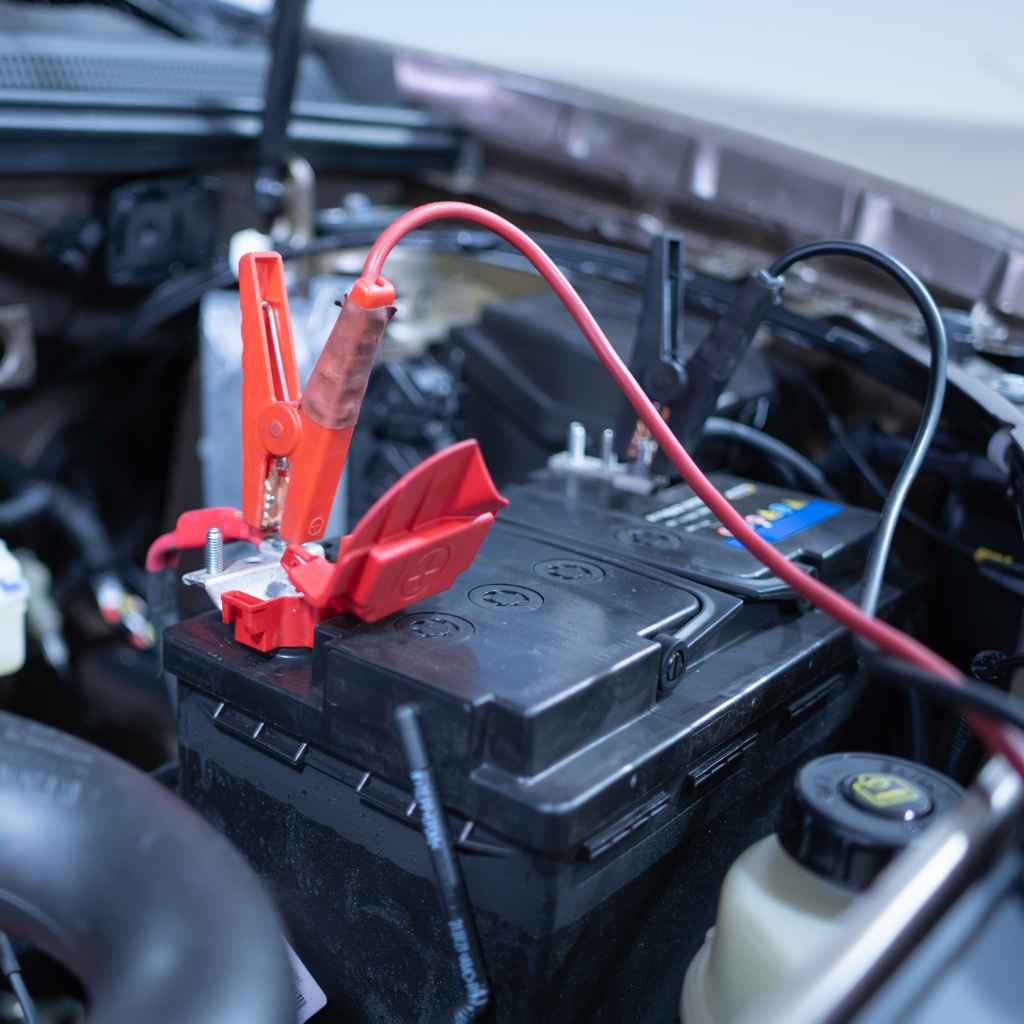
Using your wrench, loosen the nut on the negative (-) terminal clamp. Once loose, carefully remove the clamp from the battery post. It should lift off.
Do NOT let the clamp touch any metal part of the car or the positive terminal.
Now, do the same for the positive (+) terminal. Loosen the nut and remove the clamp. Again, be very careful not to let it touch anything metal.
With both terminals disconnected, leave them disconnected for about 10 to 15 minutes. Some people recommend touching the two disconnected clamps together for a few seconds during this time. This helps drain any stored energy in the car’s electrical system.
This is sometimes called a “hard reset.”
After the waiting period, reconnect the positive (+) terminal first. Tighten the nut securely. Then, reconnect the negative (-) terminal.
Tighten its nut securely. Close the hood. Start your car.
Some systems might need to relearn settings, like your radio presets or idle speed.
Important Safety Precautions
Always disconnect the negative terminal first when removing cables. This prevents accidental sparks if your wrench touches the car body. When reconnecting, connect the positive terminal first.
This reduces the risk of sparks.
Batteries produce flammable hydrogen gas. Do not smoke or create sparks near a battery. Wear safety glasses to protect your eyes.
How to Perform a Battery Management System (BMS) Reset
For modern cars with a Battery Management System (BMS), a simple battery disconnect might not be enough. The BMS needs to be told that a new battery is installed or that the old one has been serviced. This is often done through the car’s onboard diagnostic (OBD-II) port.
This process is more technical. It usually requires a special scan tool. Many professional auto repair shops have these tools.
Some advanced DIYers might also invest in one.
Using an OBD-II Scan Tool
An OBD-II scan tool plugs into a port usually located under the dashboard. Many tools have a function to reset the BMS. You’ll need to select the correct option for your car’s make and model.
The tool communicates with the car’s computer. It sends a signal to the BMS. This signal tells the system to recalibrate.
It might ask for information about the new battery, like its capacity or type.
Follow the tool’s prompts carefully. It will guide you through the process. This is especially crucial after installing a new battery.
A proper BMS reset ensures the charging system works optimally. It helps extend the life of your new battery.
When to Seek Professional Help
If your car is under warranty, always consult your dealer or a certified mechanic before attempting any resets. Some manufacturers can void warranties if unauthorized procedures are performed.
If you are unsure about any step, or if your car has complex electronics, it’s best to have a professional handle the reset. They have the right tools and knowledge.
Signs Your Battery Might Need a Reset (Beyond a Full Reset)
Sometimes, the battery itself isn’t the problem, but the car’s understanding of the battery is. This is where the BMS reset comes in. But there are also subtle signs that suggest the battery’s “learned” state is off.
These are not necessarily signs of a failing battery. They are more about the battery’s communication with the car’s computer. It’s about the system managing the battery’s power.
Inconsistent Charging Performance
Your car might seem to charge the battery at odd times. Or it might not charge it enough. You might notice the battery warning light flickers more than usual.
Or maybe your car’s accessories seem weak even when the engine is running.
This can happen if the BMS has learned incorrect charging habits. It might be trying to save power in a way that doesn’t suit the battery’s actual condition. A reset helps it learn again.
Reduced Battery Lifespan
If you find yourself replacing batteries more often than expected. It might be because the charging system isn’t properly managing them. An improper charge can significantly shorten a battery’s life.
This is a costly problem over time.
A BMS reset can help ensure that each battery is charged correctly. This allows it to reach its full lifespan. It helps the car get the most out of the battery.
Battery Terminals and Corrosion
Corrosion on battery terminals can cause all sorts of electrical gremlins. White or bluish powdery build-up is common. It impedes electrical flow.
Clean terminals are vital for good battery performance. Sometimes, cleaning the terminals can fix issues that feel like they need a reset.
Use a wire brush and a mixture of baking soda and water to clean them. Rinse thoroughly and dry. Then reapply terminal protector spray.
When to Consider a Component Upgrade or Replacement
There are times when a reset is just a temporary band-aid. If your car consistently shows problems, it might be time to look at replacing parts. This is especially true for older or worn-out components.
Ignoring a failing part can lead to bigger, more expensive repairs down the line. It’s often wise to be proactive.
Old or Failing Batteries
Batteries don’t last forever. Most car batteries last about 3 to 5 years. If your battery is nearing this age, it might be starting to fail.
Even if it still starts your car, it might not be holding a full charge. This can cause those weird electronic glitches.
If you’ve had to jump-start your car recently, or if your battery is old, consider replacing it. A new battery can solve many issues. Remember to reset the BMS after installing a new one.
Other Electrical Components
Besides the battery, other electrical parts can fail. Alternators, starters, and even power window motors can go bad. If a specific component is malfunctioning, it needs to be replaced.
No amount of resetting will fix a broken part.
Pay attention to the symptoms. If the problem seems isolated to one system, investigate that system. A mechanic can help diagnose these issues accurately.
Common Misconceptions About Car Resets
Many people have ideas about car resets that aren’t quite right. These can lead to wasted effort or even bigger problems. Let’s clear up some of these myths.
It’s important to have accurate information. This helps you make the right choices for your car. Don’t fall for every tip you read online without checking it.
Myth: A Reset Fixes All Electrical Problems
This is perhaps the biggest myth. As we’ve discussed, a reset only clears temporary glitches. It cannot fix mechanical failures, software corruption, or hardware damage.
Relying on resets for everything will lead to frustration.
Always diagnose the problem first. A reset might be a step in the process, but rarely the whole solution for serious issues.
Myth: You Should Disconnect the Battery Regularly
There’s no need to disconnect your car’s battery regularly. This is not a routine maintenance task. It should only be done when you suspect an electrical issue or when replacing a component.
Doing it too often could reset learned settings unnecessarily.
Modern cars are designed to run without constant resets. Only perform this procedure when you have a specific reason.
Real-World Scenarios and Experiences
I remember a time when my car’s power windows suddenly stopped working. All of them. It was bizarre.
The car was only a few years old. I checked the fuses, but they were all fine. I started to panic, thinking it was a major electrical failure.
Then, I remembered reading about car resets. I decided to try disconnecting the battery for about 15 minutes. I followed the steps carefully, disconnecting the negative terminal first.
After reconnecting, I started the car. To my surprise, the power windows worked perfectly again. It was such a relief!
Another time, my car’s infotainment system kept freezing. It would be fine for a while, then just freeze up. I took it to the dealership.
They said it was a common software glitch. They performed a software update and a system reset through their diagnostic tools. That fixed it completely.
It showed me that sometimes, a specialized reset is needed, not just a battery disconnect.
Observational Flow: When Does a Reset Help Most?
Scenario 1: New Accessory Installed
You add a new stereo or dashcam. Sometimes, the car’s computer needs a moment to recognize the new load or system. A quick reset can help integrate it smoothly.
Scenario 2: After a Minor Electrical Event
A brief power flicker, a jump start that wasn’t quite right, or even a strong static discharge. These can confuse modules. A reset clears these temporary memory errors.
Scenario 3: Intermittent Minor Issues
Lights flicker briefly, a sensor light pops on and then off. If these are few and far between, and not related to a core function, a reset might offer a solution.
What This Means For You
Understanding when your car or battery might need a reset is empowering. It can save you time and money. You can tackle minor issues yourself.
You also know when to call a professional. It’s about being smart with your vehicle.
Don’t be afraid of your car’s electronics. With a little knowledge, you can manage many common quirks. Always prioritize safety and your car’s well-being.
When it’s Normal
It’s normal for electronic systems to occasionally need a refresh. Think of it as routine. If you experience a minor electronic quirk that resolves itself after a short period or a simple restart, that’s often normal.
It’s the car’s way of clearing temporary data.
Also, after replacing a battery, a BMS reset is normal and recommended. This ensures your new battery is managed correctly from the start.
When to Worry
You should worry if a warning light stays on. Or if the problem is consistent and affects driving safety. If you notice any major changes in how your car drives, brakes, or steers, a reset is not the answer.
Also, if you try a reset and the problem immediately returns, it’s a strong signal of a deeper issue. Don’t ignore persistent problems.
Simple Checks to Do First
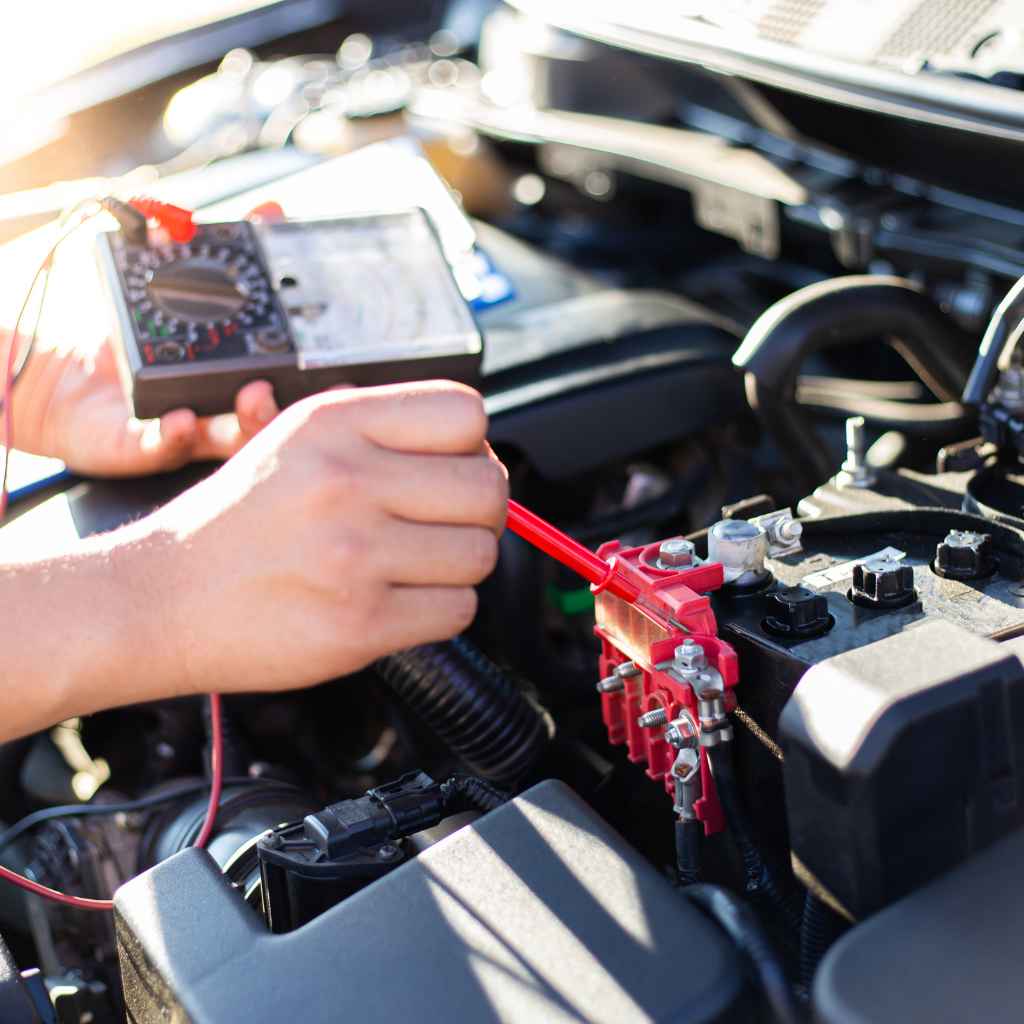
Before attempting a reset, do a few simple checks. Are your battery terminals clean and tight? Is there enough power in the battery (check voltage)?
Are there any obvious physical damages to wires or components?
These basic checks can sometimes reveal the root cause. They might save you the trouble of a reset altogether.
Quick Fixes and Tips
When dealing with car electronics, a few simple tips can make a big difference. These are general guidelines to keep your car running smoothly.
Remember, these are not replacements for proper maintenance. They are small things that can help prevent bigger headaches.
- Check Your Owner’s Manual: It’s your best friend for car-specific procedures.
- Disconnect Negative First, Reconnect Positive First: Always follow this rule for battery work.
- Wait Patiently: Give the reset process enough time to work.
- Observe Changes: Note if the problem is gone, or if it changes at all.
- Document Issues: Keep a log of when problems occur and what you did.
Contrast Matrix: Reset vs. Repair
| Feature | Reset | Repair |
|---|---|---|
| Purpose | Clear temporary electronic glitches or recalibrate systems. | Fix or replace a damaged or worn-out component. |
| Effectiveness | Solves minor, intermittent issues. | Solves root cause of mechanical or electrical failures. |
| Duration | Often temporary, or a one-time fix for a specific event. | Permanent fix for the component or system. |
| When to Use | After software updates, strange electronic behavior, after battery replacement (BMS). | When parts are worn, broken, or failing to function. |
Frequent Questions
Will disconnecting my car battery erase my radio presets?
Yes, typically disconnecting the car battery will erase your radio presets. It can also reset other learned settings like your clock, and sometimes even your seat or mirror positions if they are electronically controlled. Many modern cars also have navigation systems that might require re-entry of your home address.
How long should I leave my car battery disconnected?
For most cars, leaving the battery disconnected for about 10 to 15 minutes is sufficient to reset the electronic modules. Some recommend a longer period, up to 30 minutes, for more stubborn glitches. Always check your car’s owner’s manual for specific recommendations for your model.
Can a car reset fix a check engine light?
A car reset can sometimes turn off a check engine light if it was triggered by a temporary or minor glitch. However, if the underlying problem that caused the light to come on is still present, the check engine light will likely return. It’s important to diagnose the cause of the light.
What is the difference between a car reset and a BMS reset?
A car reset, often done by disconnecting the battery, resets the main vehicle control modules. A Battery Management System (BMS) reset is specific to the car’s charging system. It tells the car’s computer how to manage the battery, especially after a new battery is installed.
This usually requires a diagnostic tool.
Is it safe to reset my car’s computer myself?
For simple battery disconnect resets, it is generally safe if done correctly and with caution. However, if you are uncomfortable working with car batteries or electrical systems, or if your car is complex, it is safer to have a qualified mechanic perform the reset. Improper procedures can cause further damage.
My car battery is only two years old, why would it need a reset or replacement?
Even a relatively new battery can cause issues if its Battery Management System (BMS) isn’t communicating correctly with the car. Or, the battery itself could have developed an internal issue. A BMS reset can help recalibrate the system.
If the battery is faulty, it might need replacement. Consistent driving habits and climate also play a role in battery life.
Conclusion
Understanding car and battery resets is valuable knowledge for any driver. While not a fix for all problems, a reset can resolve many minor electronic glitches. Knowing when and how to perform one, and when to seek professional help, will keep your car running smoothly.
Always prioritize safety and accurate diagnosis.
Products related to this article
Sponsored / affiliate links. As an Amazon Associate I earn from qualifying purchases. I may earn additional commission from eligible campaigns.