What To Do With Expired Car Seats: Essential Guide
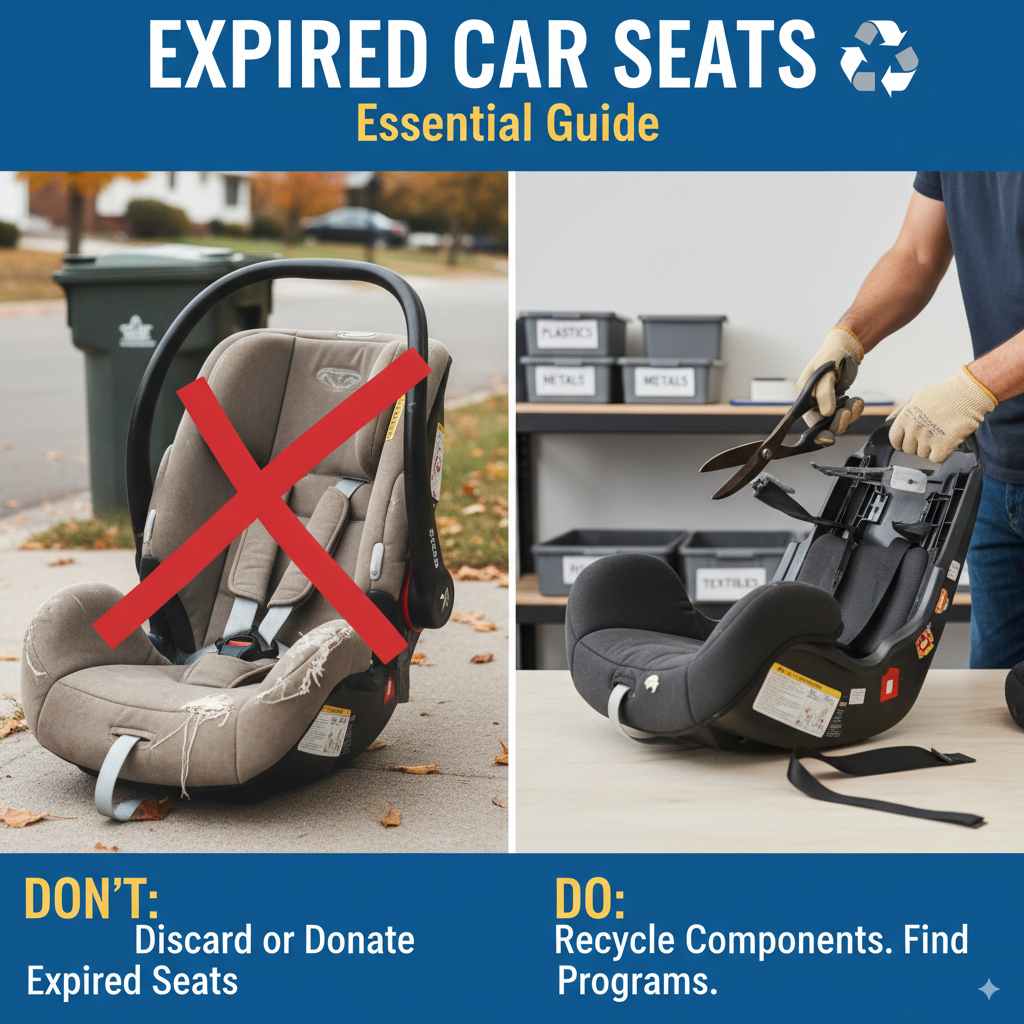
If your car seat has expired, do not use it for safety. The best options are to recycle it responsibly through specialized programs or donate it to organizations that can repurpose materials. Never give it away for reuse or discard it in regular trash.
What To Do With Expired Car Seats: Your Essential Guide
Is that car seat in your garage looking a little worn out? Maybe you’ve noticed an expiration date on it and wondered, “What now?” It’s a common question, and it’s great you’re thinking about it! Car seats are crucial for your child’s safety, but they don’t last forever. When a car seat expires, it loses its effectiveness and can’t protect your little one as it should. This guide will walk you through exactly what to do with those old, expired seats, ensuring safety and responsible disposal.
You’ll learn why expiration dates matter, discover the safest ways to get rid of them, and find out where you can recycle or donate them. We’ll break it down step-by-step so you feel confident in making the right choices for your family and the environment.
Why Do Car Seats Expire? Understanding the Lifespan
It might seem strange that a piece of equipment designed for durability has an expiration date. But in the world of child safety, it makes perfect sense. Think of it like food or medicine – after a certain point, even if it looks fine, its effectiveness can decrease. Car seats are no different!
Here’s why they have these dates:
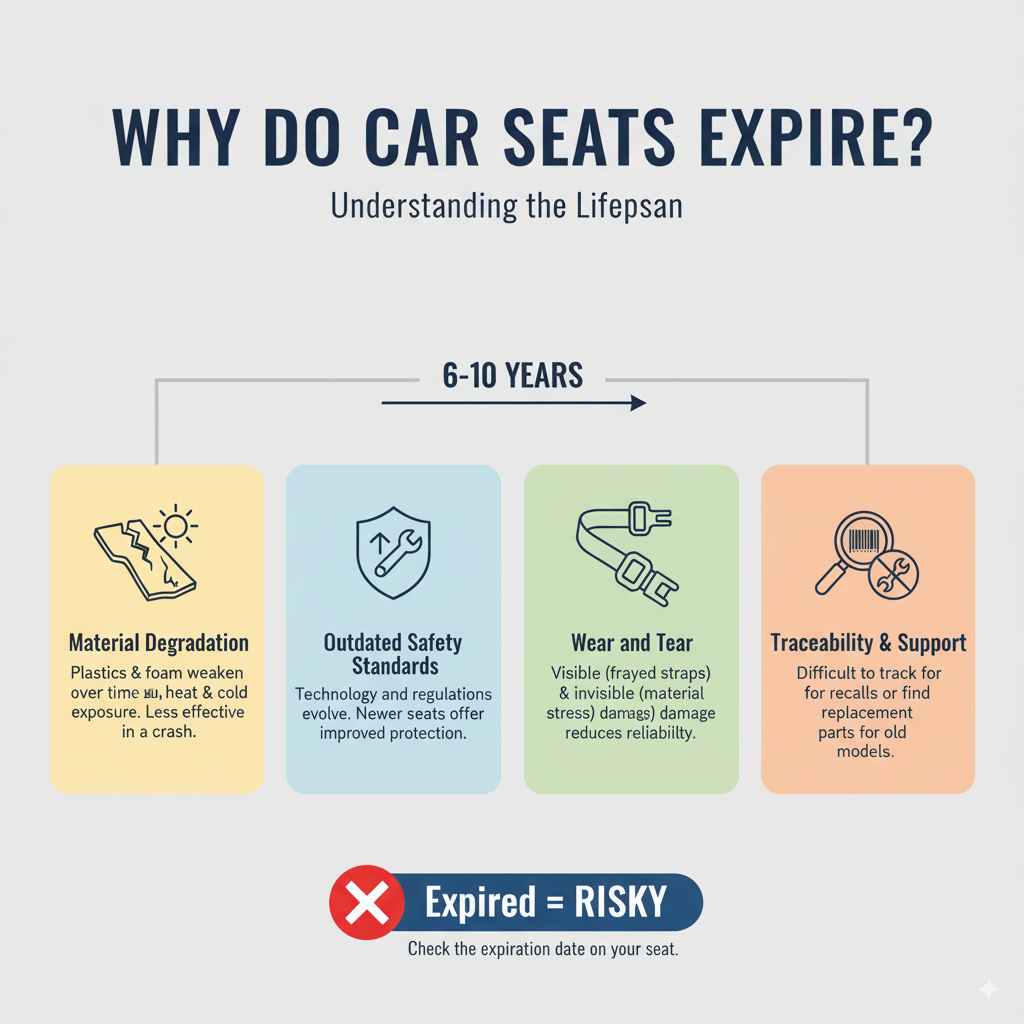
- Material Degradation: Over time, the plastics and styrofoam in car seats can become brittle. Exposure to sunlight, heat (especially in parked cars), cold, and even everyday use can slowly weaken these materials. This means they might not absorb impact as well in a crash.
- Outdated Safety Standards: Safety technology and recommendations evolve. A car seat manufactured years ago might not meet the latest safety standards or incorporate newer safety features that have been developed. Regulations also change, and manufacturers update their designs to comply.
- Wear and Tear: Straps can fray, buckles can become stiff, and fabrics can wear thin. While visible damage is a clear sign of a problem, invisible degradation of materials is just as critical.
- Traceability: Some older seats might not have clear serial numbers or manufacturing dates, making it hard to track them for recalls. Manufacturers can also discontinue support or replacement parts for older models.
The expiration date, usually found on a sticker on the seat itself, is typically 6 to 10 years from the date of manufacture. This date is set by the manufacturer, and it’s important to respect it. Using an expired car seat can put your child at serious risk.
The Golden Rule: NEVER Use an Expired Car Seat
This is the most important takeaway. If a car seat has passed its expiration date, or if you don’t know its history (e.g., purchased second-hand without knowing its age or if it’s been in a crash), it is unsafe to use. It’s tempting to think, “It looks fine,” or “It’s just another year or two,” but the risks are too great. A car seat is a safety device, and its integrity is paramount.
Think about it this way: Would you use a bicycle helmet that was ten years old, even if it hadn’t been in a crash? The same principle applies. The materials that protect your child in a crash degrade over time, and an expired seat simply cannot offer the level of protection needed in today’s vehicles and in today’s crash scenarios.
Options for Disposal: What NOT To Do
Before we dive into the best methods, let’s cover what you absolutely should not do with an expired car seat. These mistakes can unintentionally put another child at risk:
- Don’t give it away: Never hand it down to a friend, family member, or donate it to a general thrift store. Even with good intentions, someone might use it, unaware of its expired status or potential hidden damage.
- Don’t sell it: Selling an expired car seat is not only unsafe but in some places, it might also be illegal.
- Don’t throw it in the regular trash: While it seems like the easiest option, throwing an entire car seat into the landfill isn’t ideal for the environment. More importantly, someone might retrieve it from the trash and use it, which is a major safety concern.
The goal is to ensure the seat is completely unusable for its intended purpose, while also being mindful of our planet.
How to Safely Dispose of Expired Car Seats
Now for the good stuff! Here are the safest and most responsible ways to say goodbye to your expired car seat.
1. Recycle It: The Eco-Friendly Choice
Recycling is often the preferred method because it breaks down the materials for reuse, keeping them out of landfills. However, car seat recycling isn’t as simple as tossing it in your curbside bin. Most standard recycling facilities can’t handle the mixed materials (plastic, foam, metal, fabric) and complex construction of a car seat.
Car Seat Recycling Programs:
Fortunately, many manufacturers, retailers, and specialized organizations offer car seat recycling programs. These programs ensure the seats are properly dismantled and their components are recycled appropriately.
- Manufacturer Take-Back Programs: Some car seat brands have their own recycling initiatives. Check the manufacturer’s website for details. Often, you might have to mail the seat back to them, or they will have local drop-off points.
- Retailer Recycling Events: Major retailers like Target, Walmart, Buy Buy Baby, and others frequently host “Trade-In” or recycling events, often around Earth Day or specific times of the year. During these events, you can bring in your expired seat and sometimes receive a coupon or discount on a new car seat. Keep an eye on your local store’s announcements!
- Local Recycling Centers: Some municipal recycling centers or hazardous waste facilities may accept car seats. It’s crucial to call ahead and confirm. They often have specific instructions on how to prepare the seat. You can often find information on your city or county’s waste management website. For example, Safe Kids Worldwide is a great resource for finding local drop-off locations and programs.
- Specialized Recyclers: There are independent recycling companies that focus on tough-to-recycle items. Some may accept car seats, though this is less common for individual consumers.
Preparing Your Seat for Recycling:
To ensure your seat is truly rendered unusable and can be recycled properly, you’ll want to do a few things before handing it over:
- Destroy the Harness: Cut the straps of the harness system. This is critical to ensure no one can attempt to use the old harness, which can be a major failure point.
- Cut the Seat Itself: Make cuts through the plastic shell and the foam padding. This makes it clear the seat is damaged and unusable. You want to make it visually obvious that this seat is no longer safe.
- Remove Non-Recyclable Parts (if instructed): Some programs might ask you to remove certain metal or plastic pieces if they have separate recycling streams. Always follow the specific instructions of the recycling program you are using.
- Check for Hidden Components: Be aware of any metal frames or complicated internal structures. The goal is to make it impossible to reassemble or reuse the seat for its original purpose.
A fantastic resource for finding specific recycling locations is through organizations like RecycleNation, which allows you to search for recycling centers by item and zip code. While not all will take car seats, it’s a good starting point. You can also check the National Highway Traffic Safety Administration (NHTSA) website for general safe car seat usage guidelines, which indirectly highlights the importance of proper disposal of expired ones.
2. Donate Parts for Specific Causes (Rare, But Possible)
In very rare instances, certain organizations might accept car seats not for reuse, but for dismantling and repurposing of specific materials. However, this is not a common option for individual disposal and is usually part of larger, established recycling programs. Always confirm with the organization first.
For example, some art projects or educational programs might use parts of old car seats. However, these are highly niche. Your primary focus should be on proper recycling to prevent unsafe reuse.
How to Identify an Expired Car Seat
Knowing how to find the expiration date is key. Car seats are required to have this information clearly marked.
Where to Look for the Date:
- Manufacturer Sticker: This is the most common place. Look for a sticker that says “Manufacture Date” and “Expiration Date,” or simply “Expiry Date.”
- Molded into Plastic: Sometimes, the date is permanently molded into the plastic shell of the car seat. You might have to look closely on the back, bottom, or sides of the seat.
- On the Base: If it’s a travel system with a separate base, the date might be on the base itself.
What if there’s no date? If you cannot find any date of manufacture or expiration, or if the stickers are completely worn off, it’s safest to assume do not use the seat. This is especially true if you acquired it used and have no verifiable history of its condition or age.
Understanding Car Seat Expiration Dates vs. Crash History
It’s important to distinguish between expiration and a crash. An expired car seat is unsafe due to material degradation and outdated standards. A car seat that has been in a crash is ALSO unsafe, even if it hasn’t expired. In a crash, even a minor one, the structural integrity of the seat can be compromised in ways you might not see.
Key Differences Summarized:
| Factor | Expiration Date Issue | Crash History Issue |
|---|---|---|
| Cause of Unsoundness | Material degradation, aging, out-of-date standards. | Sudden, severe stress on materials and structure during impact. |
| Visibility of Damage | Often invisible to the naked eye. | Can be visible (cracks, dents) or invisible (internal structural compromise). |
| Action Needed | Proper disposal/recycling. | Immediate disposal/recycling; never reuse. |
| Traceability | Date indicates age and potential material fatigue. | History of impact renders it unsafe regardless of age. |
If you bought a car seat second-hand, ask the seller whether it has been in a crash. If they hesitate or you can’t be 100% sure, err on the side of caution and do not use it. Dispose of it as you would an expired seat.
Step-by-Step: Preparing Your Expired Car Seat for Responsible Disposal
Let’s walk through the process one more time, making it super clear:
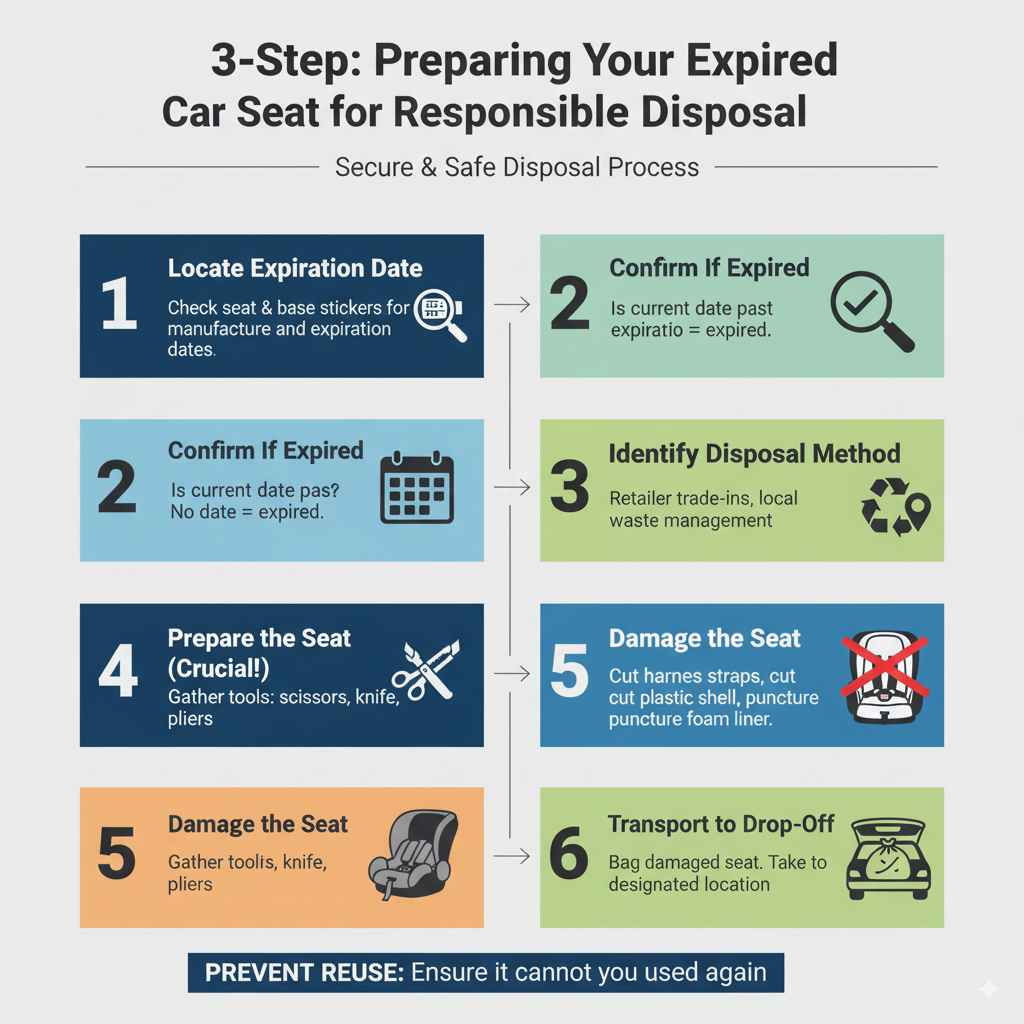
- Locate the Expiration Date: Check all stickers and molded areas on the seat and its base. Note the manufacture date and the expiration date.
- Confirm if Expired: If the current date is past the expiration date, or if you cannot find a date and suspect it’s old, it’s expired.
-
Identify a Disposal Method:
- Check local retailer websites for upcoming trade-in events.
- Visit your city/county’s waste management or recycling website to find local drop-off points.
- Search online for car seat recycling programs in your area.
-
Prepare the Seat (Crucial Step!):
- Gather Tools: You might need scissors, a utility knife, or pliers.
- Cut the Harness Straps: Use scissors or a knife to cut through each strap of the 5-point harness. Ensure they are cut in multiple places.
- Damage the Seat Shell: Use a utility knife to carefully cut through the plastic shell of the seat. Make several deep cuts, especially on stressed areas like corners or the back.
- Puncture the Foam: If there’s a foam liner (common in infant seats and some other types), puncture it in several places with a knife or screwdriver.
- Consider Tampering: If you have pliers, you can try to bend or break plastic connectors or buckles to make reassembly impossible.
- Transport to Drop-Off: Once you’ve thoroughly damaged the seat and its harness, place it in a large plastic bag or tie it up if needed. Take it to your designated recycling drop-off location or event.
By taking these steps, you ensure that the seat cannot be snatched from the trash or a drop-off bin and used by another family, potentially leading to a tragic accident.
FAQ: Your Top Car Seat Questions Answered
Q1: How do I know if my car seat is expired?
A1: Look for a sticker on the car seat or its base that clearly states the “Manufacture Date” and “Expiration Date.” Some dates are molded directly into the plastic. If you can’t find a date or the stickers are illegible, it’s best to assume it’s expired or its history is unknown, and therefore unsafe to use.
Q2: Can I donate an expired car seat to a thrift store or charity?
A2: No, absolutely not. Expired car seats are unsafe and should never be passed on for reuse. Only participate in dedicated recycling programs or events. General charities or thrift stores are not equipped to handle expired safety equipment.
Q3: What if my car seat has never been in a crash but is expired?
A3: Even if it has never been in a crash, an expired car seat is unsafe. The materials degrade over time from normal use, temperature fluctuations, and UV exposure, weakening its ability to protect your child in a real collision. Dispose of it according to recycling guidelines.
Q4: Where can I find car seat recycling events or drop-off locations?
A4: Check the websites of major retailers like Target, Walmart, or Buy Buy Baby for announcements about trade-in events. Your local municipality’s waste management website or Safe Kids Worldwide affiliated sites are also excellent resources for finding local recycling options.
Q5: How much does it cost to recycle an expired car seat?
A5: Many recycling events hosted by retailers are free. Some specialized recycling programs or municipal drop-offs might have a small fee, but it’s often minimal. The cost is usually well worth the peace of mind and environmental benefit.
Q6: What if I can’t find a specific car seat recycling program near me?
A6: If local programs aren’t available, you can still recycle it by preparing it for destruction and then contacting your standard trash/recycling service. Some will accept them if they are clearly dismantled and bagged, but always call them first to confirm their policy. Alternatively, a thorough DIY destruction (cutting straps, shell, and foam) and then placing it in your regular trash is better than letting someone else potentially find and use it, though less ideal environmentally than proper recycling.
Conclusion
Taking care of your child’s safety is your top priority, and that extends to ensuring their car seat is always up-to-date and in good condition. Understanding why car seats expire and knowing the proper, safe methods for disposing of them is a vital part of responsible car ownership. By following the steps outlined in this guide, you can confidently remove an expired car seat from use, prevent its unsafe reuse, and contribute to a more sustainable future through recycling.
Remember, proper disposal is just as important as proper installation and use. Never take shortcuts when it comes to your child’s safety. If you have any doubt about a car seat’s age, history, or condition, it’s always best to replace it with a new one and ensure you have a plan for its responsible recycling when its time comes.