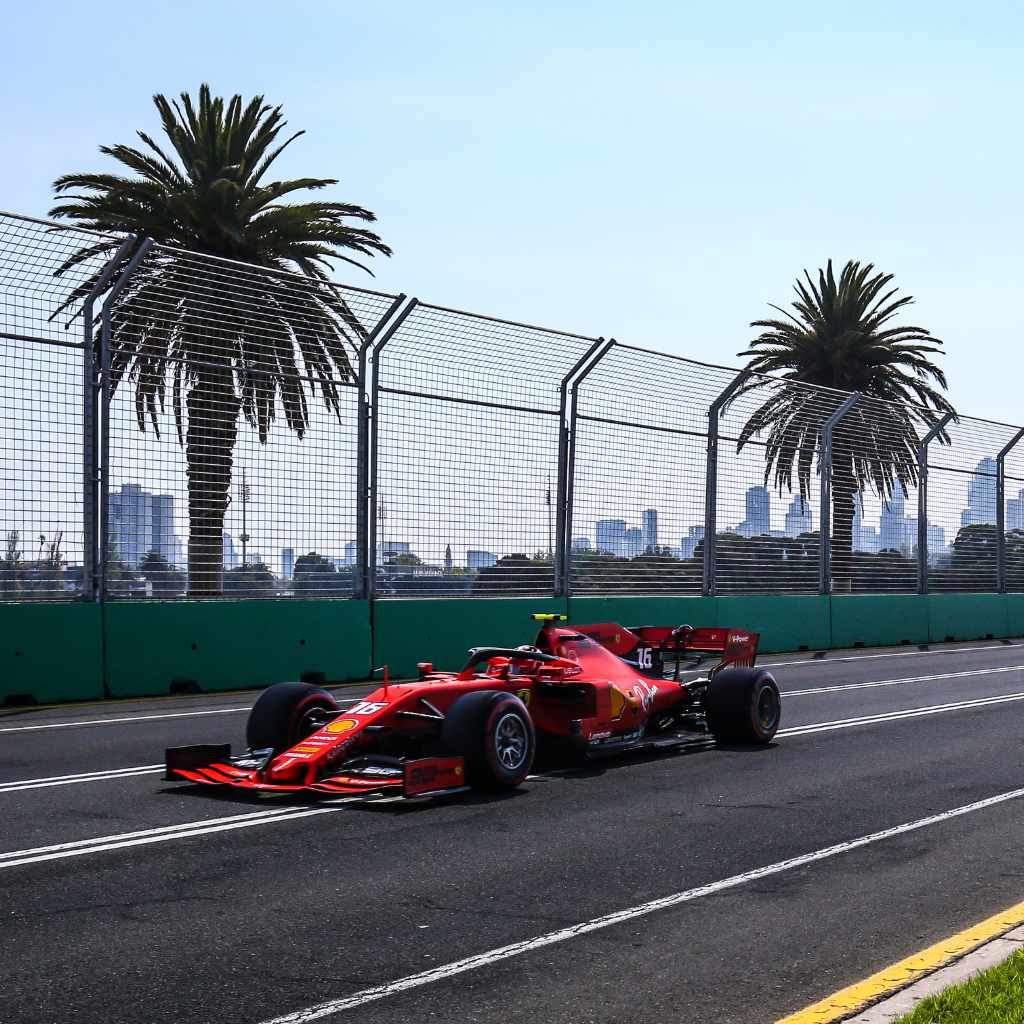
What Type of Car Is Red Bull F1? Unveiling the Details
Figuring out What Type of Car Is Red Bull F1? can be a tricky question, especially if you’re new to Formula 1 racing. It’s easy to get confused by all the jargon and technical terms. Don’t worry, we’re here to help! We’ll break down the basics so you can clearly see the Red Bull F1 car’s main characteristics, and how it is different from other types of vehicles. We’ll examine the car’s construction, function, and purpose. Prepare yourself for a clear, step-by-step exploration of everything you need to know.
The Formula 1 Racing Scene
Formula 1 is a sport known for its advanced technology and high speeds. The cars used in this sport are specifically engineered for the unique demands of racing at the highest level. These are not your average road cars; they are built for one thing: performance. Every aspect of a Formula 1 car, from its aerodynamics to its engine, is designed to give the driver a winning edge. The Red Bull Racing team is one of the top teams in Formula 1. Its cars are famous for their innovative designs and powerful performance on the track.
What Makes Formula 1 Cars Special?
Formula 1 cars are built to be extremely fast and efficient. They have incredible acceleration and braking capabilities. One of the main things setting F1 cars apart is their aerodynamic design. These cars are built to generate massive amounts of downforce, pushing them towards the ground and allowing them to take corners at extremely high speeds. These cars are also lightweight, which helps them accelerate quickly. The materials used, like carbon fiber, are strong and keep the weight down. These cars use advanced engines and cutting-edge technology.
- Aerodynamics. The shape of the car is crucial. Wings, splitters, and diffusers are used to manage airflow. This design helps the car stay on the track at high speeds by generating downforce. The cars are built to cut through the air, reducing drag. Aerodynamic changes are made during the season to improve performance.
- Engine Power. Formula 1 cars use high-performance engines, which are a combination of internal combustion engines and electric motors. These engines provide immense power, helping the cars accelerate at an amazing rate. The engine is carefully designed for both power and efficiency.
- Lightweight Construction. The use of materials like carbon fiber helps keep the weight of the car down. A lighter car can accelerate faster, brake more efficiently, and handle corners with greater precision. This is critical for overall performance on the track.
- Advanced Technology. F1 cars have advanced technology, from the engine control systems to the tires. Sensors are placed throughout the car to monitor performance in real-time. This helps engineers improve the car’s performance throughout a race.

The Red Bull F1 Car: A Detailed Look
The Red Bull F1 car is a marvel of engineering. It’s built to compete at the highest level of motorsport. Each car is made to meet the specific requirements of Formula 1 regulations. The team’s engineers and designers continuously refine the car to improve speed, handling, and overall performance. The car’s design has evolved over time, reflecting changes in regulations and advancements in technology. This ongoing development helps Red Bull stay at the forefront of the sport, competing for championships year after year.
Key Parts of a Red Bull F1 Car
Understanding the key parts of a Red Bull F1 car helps you see how they all work together. Each component has an important job. The chassis forms the main structure of the car, providing a strong and lightweight framework. The engine is the heart of the car, providing the power needed for high speeds. The aerodynamics, including the front and rear wings, are designed to create downforce, improving grip and handling. The tires, developed specifically for racing, provide the necessary traction on the track.
- Chassis. The chassis, or monocoque, is the main structure of the car. It’s usually made from carbon fiber. This material is strong, lightweight, and can withstand high stresses. The chassis is designed to protect the driver. It incorporates safety features like the survival cell.
- Engine. The engine in a Red Bull F1 car is a high-performance power unit. It’s a combination of a combustion engine and an electric motor. The hybrid system helps improve both power and efficiency. Engine regulations change periodically, so the teams must continually adjust and improve their designs.
- Aerodynamics. The car’s aerodynamic features, like the front and rear wings, are critical for performance. These components create downforce, which pushes the car towards the track. This helps the car take corners at high speeds without losing control. The shape of the car is adjusted to maximize the aerodynamic efficiency.
- Tires. Formula 1 tires are specially made for racing. The compounds of the tires vary, providing different levels of grip and performance in various conditions. Teams select tires based on the track’s characteristics and weather conditions. Tire management is a key part of race strategy.
The Evolution of Red Bull F1 Car Designs
Over the years, Red Bull has continually changed its car designs to stay competitive. The team has always been at the cutting edge of innovation. They use the latest technologies and design methods to improve performance. Design changes reflect the team’s commitment to pushing the boundaries of what is possible. These improvements often lead to on-track success, including multiple world championships. The Red Bull F1 cars represent the best in engineering and design.
- Early Designs. Red Bull’s early car designs focused on aerodynamics and engine performance. They used innovative concepts to gain a competitive edge. These early cars helped establish the team’s reputation as a front-runner.
- Adrian Newey’s Influence. Adrian Newey, a famous designer, has been key to Red Bull’s success. His designs are recognized for their creativity and performance. His input has helped the team consistently produce cars that win races and championships.
- Changes in Regulations. Rule changes in Formula 1 affect how cars are designed. Red Bull adapts to these changes, ensuring that its cars meet the latest regulations. This flexibility is critical for staying competitive.
- Technological Advancements. The team always incorporates the newest technological advancements. They use these advancements to improve the car’s efficiency and performance. This includes upgrades in engines, aerodynamics, and electronics.
What Sets Red Bull F1 Cars Apart
Red Bull F1 cars stand out from the other teams for several reasons. The team’s design philosophy focuses on maximizing performance. The team’s dedication to innovation, the engineers’ skill, and the drivers’ talent come together to create a winning combination. These elements help make the Red Bull F1 car a key competitor in Formula 1 racing. The car is also known for its reliable performance. The team’s cars are often at the front of the grid.
Unique Design Features
The Red Bull F1 cars often incorporate innovative design features. These features give them a competitive advantage. The team uses advanced aerodynamics to create exceptional downforce. The cars have unique suspension designs. The engine is carefully integrated with the chassis. These elements combine to create a car that excels on the track. These designs are a product of the team’s commitment to continuous improvement.
- Innovative Aerodynamics. Red Bull F1 cars use advanced aerodynamics. Their designs include features like complex front wings and diffusers. These elements improve downforce and reduce drag. The team is constantly adjusting its aerodynamics to optimize performance.
- Suspension Systems. The car’s suspension system is an important feature. It allows the car to handle bumps and changes in the track surface. The engineers design the suspension to provide maximum grip and stability.
- Engine Integration. The team works very closely with its engine supplier to ensure optimal integration. The engine and chassis are designed to work together to produce the best possible performance. This teamwork is important for overall car efficiency.
- Driver-Specific Adjustments. The Red Bull team often makes adjustments to the car for each race. These changes consider the track conditions and the driver’s preferences. This level of customization ensures that the driver can perform at their best.
Team Performance and Strategy
The performance of the Red Bull team is the result of a cohesive strategy. The team uses careful planning, with a strong focus on both the car and the race strategy. Teamwork among the engineers, mechanics, and drivers is important for success. The team’s track record includes numerous race wins and championship titles. This success is due to its strong performance and strategic planning.
- Strategic Planning. The team develops detailed plans for each race. These plans include decisions on tire choices, pit stop timing, and driver tactics. The team’s planning helps it make smart decisions under pressure.
- Engineering Excellence. The engineers use advanced tools and methods to improve the car’s performance. They analyze data from practice sessions and races to make adjustments. Their expertise is a key factor in the team’s success.
- Driver Skill. The drivers have exceptional skills and experience. They work closely with the engineers to give feedback. Their ability to handle the car at high speeds is critical.
- Pit Crew Efficiency. The pit crew is critical to the team’s success. They change tires and make adjustments to the car during pit stops. The team is famous for having some of the fastest pit stops in Formula 1 history.
Understanding Formula 1 Car Terminology
Learning the key terms used in Formula 1 helps you have a more comprehensive understanding of What Type of Car Is Red Bull F1? These terms describe the different components of the car. Understanding these terms will help you understand the engineering and technology behind these high-performance machines. These are essential terms when discussing the cars and the races.
Key Terms to Know
There are many important terms that are commonly used in Formula 1. Each term describes a part of the car or a process in racing. The terms explain the structure, the technology, and the techniques used in racing. Knowing these terms can greatly improve the experience of watching a race.
- Aerodynamics: This refers to the science of how air moves around an object. In a Formula 1 car, aerodynamics are crucial for generating downforce. This helps the car stick to the track. Aerodynamic components include wings, diffusers, and bargeboards. These are specifically designed to manage airflow.
- Chassis: The chassis is the main structure of the car, providing the framework for all other components. It protects the driver. It is made from lightweight materials, such as carbon fiber. The chassis is designed to withstand extreme forces.
- Downforce: This is the force that presses the car down onto the track. It’s generated by the car’s aerodynamic features, such as wings. More downforce means more grip. This allows the car to take corners at higher speeds.
- Engine: The engine is the power source of the car, responsible for propelling it forward. In Formula 1, the engines combine combustion with hybrid technology. The engine is carefully designed for maximum power and efficiency.
Advanced Technical Terms
Some of the terminology is more advanced. These words go into the specific engineering of the car. These terms can describe the finer details of the car’s design, its operation, and the racing strategies used. Mastering these terms will help you comprehend the technological and strategic aspects of F1 racing.
- Differential: This mechanism allows the wheels to turn at different speeds. This helps the car negotiate corners more efficiently. Differentials are crucial for optimizing traction.
- ERS (Energy Recovery System): ERS is a system that captures and reuses energy. This energy comes from braking and the engine’s exhaust. ERS gives the car extra power. This energy helps improve both power and efficiency.
- Ground Effect: This term describes how the airflow under the car can generate downforce. Ground effect aerodynamics is a key design element in modern F1 cars. It enables the car to maintain speed through corners.
- Telemetry: Telemetry is the process of collecting data from the car. The engineers use this data to monitor the car’s performance. Telemetry helps the team make adjustments.
Comparing Red Bull F1 Cars
Comparing the cars of the Red Bull team over time will give you a better understanding of how they have changed. The Red Bull F1 car’s design has changed over the years to stay competitive in the sport. These adjustments have allowed the team to stay at the top. The use of technology, the regulations, and driver performance all contribute to the car’s design.
Evolution Through the Years
The Red Bull F1 car has constantly evolved. It’s gone through multiple changes in design and technology. These changes are in response to the changing regulations and to advances in the field. These changes have led to the team’s success. The team’s designers and engineers have always been able to use new technology to push for more improvements on the racetrack.
| Year | Car Model | Key Changes | Results |
|---|---|---|---|
| Early | RB5, RB6 | Aerodynamic innovation, strong engine | Championships |
| Mid | RB8, RB9 | Advanced aerodynamics, engine development | Championships |
| Later | RB16, RB18 | Hybrid engine integration, aerodynamic refinements | Race wins |
- Early Years. Early Red Bull cars focused on aerodynamics and efficient engines. These cars had distinctive designs, giving Red Bull an edge on the track. This early design proved successful. It helped the team establish themselves as a top competitor.
- Adrian Newey’s Era. Adrian Newey’s ideas heavily influenced the design of the cars. His approach led to successful aerodynamics. These innovations have been an important factor in many wins and titles.
- Modern Designs. Modern Red Bull cars use hybrid engines and cutting-edge aerodynamics. These cars are made to meet the ever-changing demands of Formula 1 racing. These modern designs are an example of the team’s commitment.
- Performance Trends. By looking at the performance of the Red Bull cars over time, you can see how they have advanced. There have been many changes, including the engines, aerodynamics, and the racing strategies. These changes reflect the team’s ability to stay at the forefront.
Comparing the Competition
The Red Bull F1 cars compete against other top teams in Formula 1. Each team has unique design approaches. It is very important to evaluate the various characteristics of each vehicle to get a comprehensive view of the sport. Comparing car designs allows us to appreciate the variety of innovation in the sport.
- Mercedes. Mercedes is known for its engineering and engine power. They have often been tough competition for Red Bull. Mercedes has a good record and uses advanced design principles.
- Ferrari. Ferrari is a historic team in Formula 1, renowned for its heritage and passion. Ferrari’s cars have consistently shown strong performance. The team is known for its strong engines.
- McLaren. McLaren is another historic team that focuses on innovation and technology. They have a long history of success in Formula 1. McLaren’s cars use cutting-edge engineering.
- Other Teams. Teams like Aston Martin and Alpine are working to compete at the highest level. These teams are continually improving their cars. The diversity of the teams adds to the excitement of Formula 1 racing.
Frequently Asked Questions
Question: What’s the main function of a Formula 1 car?
Answer: The primary function of a Formula 1 car is to race at very high speeds, to beat the competitors and win races.
Question: What is a Formula 1 car made of?
Answer: Formula 1 cars are made of carbon fiber, aluminum, and other materials that are very strong and lightweight.
Question: Why are F1 cars so fast?
Answer: F1 cars are fast because of their powerful engines, lightweight designs, and advanced aerodynamics that create downforce.
Question: How are Formula 1 cars different from normal cars?
Answer: Formula 1 cars are designed specifically for racing and have features like high-performance engines, advanced aerodynamics, and lightweight construction, whereas normal cars are made for everyday driving.
Question: What do engineers do with the data collected from an F1 car?
Answer: Engineers analyze the data to improve the car’s performance, refine the design, and make strategic decisions during races.
Final Thoughts
Now, you have a better idea of What Type of Car Is Red Bull F1? These cars are highly specialized race cars built for top-level performance. They combine advanced engineering, innovative design, and strategic teamwork. We explored the cars, including their parts, technology, and performance. You’ve learned about the key terms, and you’ve seen the comparison of Red Bull’s cars. The best way to learn more is to continue watching Formula 1 races, reading about the teams and the technology, and sharing what you know with other fans. With your new knowledge, you can enjoy watching and discussing Formula 1 racing.