Wheel Cover for Car: Types, Sizing and Installation Guide
A wheel cover is a plastic or metal disc that snaps or bolts over a car’s steel wheel to hide the bare rim and mimic the look of an alloy wheel. A basic 4-piece set typically costs $20 to $70 and takes about 10 minutes to install with no tools at all.
Steel wheels are cheap and durable, but they look plain straight from the factory. Wheel covers fix that for a fraction of the cost of upgrading to real alloy wheels, while also shielding the lug nuts and wheel face from road grime, brake dust, and moisture that can lead to rust. This guide covers the different types of wheel covers, how to measure your wheel for a correct fit, the real installation steps, what they cost, and whether they genuinely affect fuel economy.
What Is a Wheel Cover, and How Is It Different From a Hubcap or a Rim?
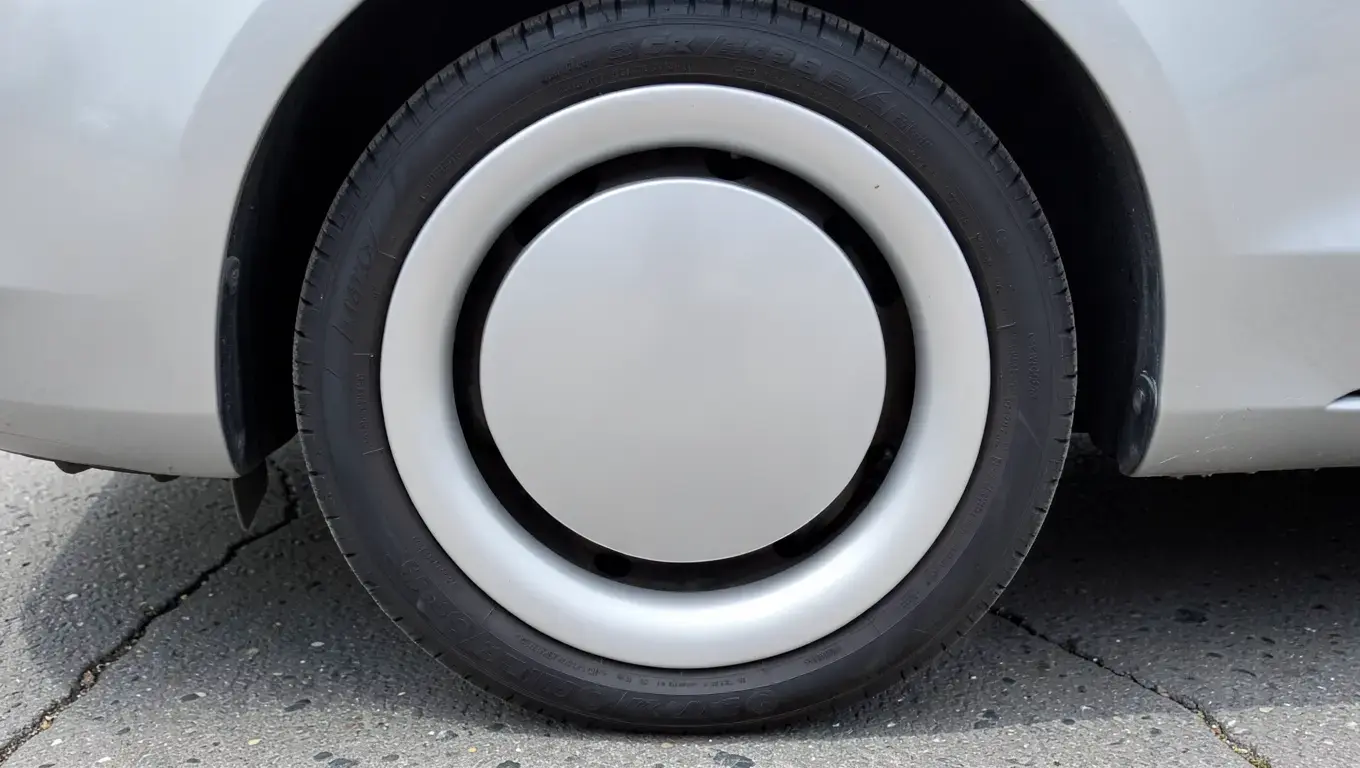
These three terms get used interchangeably, but they technically mean different things. A rim is the actual metal wheel itself — the structural part that the tire is mounted on. A hubcap, in the strictest sense, is a small cap that only covers the center hub and lug nuts, leaving the rest of the steel wheel visible. A wheel cover is the larger, full-face version that covers the entire outward-facing side of the wheel, lug nuts included, so the steel underneath is completely hidden.
In everyday use, most people say “hubcap” when they actually mean a full wheel cover, and manufacturers often use the two names on the same product listing. For this guide, “wheel cover” refers to the full-face style that most drivers are shopping for — the one that makes a steel wheel look like an alloy wheel from a few feet away.
Budget-Friendly Pick
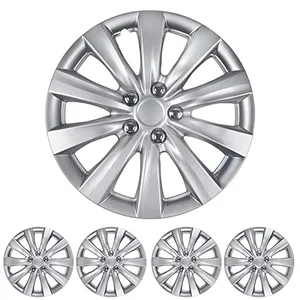 |
BDK 16-Inch Hubcaps, Set of 4 – $24.04 A 10-spoke ABS plastic design that snaps directly onto a bare 16-inch steel wheel, matching the “full-face wheel cover” style described above with no bolts or lug removal needed.
|
Types of Wheel Covers: Materials and Styles
Nearly every aftermarket wheel cover sold today is made from ABS plastic, the same durable, impact-resistant plastic used in bumpers and interior trim. It’s light, holds paint and chrome finishes well, and flexes slightly instead of cracking when it snaps onto the wheel. A smaller number of covers, usually just the small center-cap style, are made from stamped stainless steel, which costs more but resists fading and UV cracking better over many years in direct sun.
| Style | What It Covers | Typical Material | Best For |
|---|---|---|---|
| Full wheel cover | Entire wheel face, including lug nuts | ABS plastic | Making a steel wheel look like an alloy wheel |
| Hubcap / center cap | Just the center hub | ABS plastic or stainless steel | Alloy wheels missing their factory center cap |
| Lug nut covers | Individual lug nuts only | Stainless steel or chrome plastic | Dressing up wheels without hiding the rim design |
| Aero / smooth-face cover | Entire wheel face, flat and smooth | ABS plastic | Hybrids and EVs where reducing wheel-well turbulence matters |
Beyond material, wheel covers also come in different spoke patterns and finishes — simple 5-spoke and 10-spoke designs, mesh patterns, and flat aerodynamic discs. Chrome-finish covers throw off the most shine but also show swirl marks and water spots the fastest, so a satin or painted silver finish tends to hold up better if you wash your car by hand.
If you’d rather compare specific tested products side by side instead of buying based on general style, our hubcap comparison guide lines up two real options head-to-head on price and fit.
How to Find the Right Wheel Cover Size
Wheel covers are sold by wheel diameter in inches, and a mismatch of even half an inch means the cover won’t seat or clip correctly. Getting the size right is the single most common thing people get wrong on this purchase.
- Check your owner’s manual or the sticker inside the driver’s door jamb — it lists your factory tire and wheel size (for example, “P215/60R16” means a 16-inch wheel).
- If you can’t find that, measure straight across the face of the bare steel wheel, rim edge to rim edge, not including the tire.
- Count how many lug nuts your wheel has and note the bolt pattern, since some cover styles are lug-count specific rather than truly universal.
- Match that exact number to the cover’s listed size — common sizes are 14, 15, 16, and 17 inches, with 15 and 16 inch being the most common on older steel-wheel sedans and compact SUVs.
Most listings labeled “universal fit” are universal only within that one diameter and a compatible lug-nut style, not across every wheel size. When in doubt, buy from a listing that states your exact wheel size rather than a generic “fits most cars” claim.
How to Install a Wheel Cover: Snap-On vs. Bolt-On
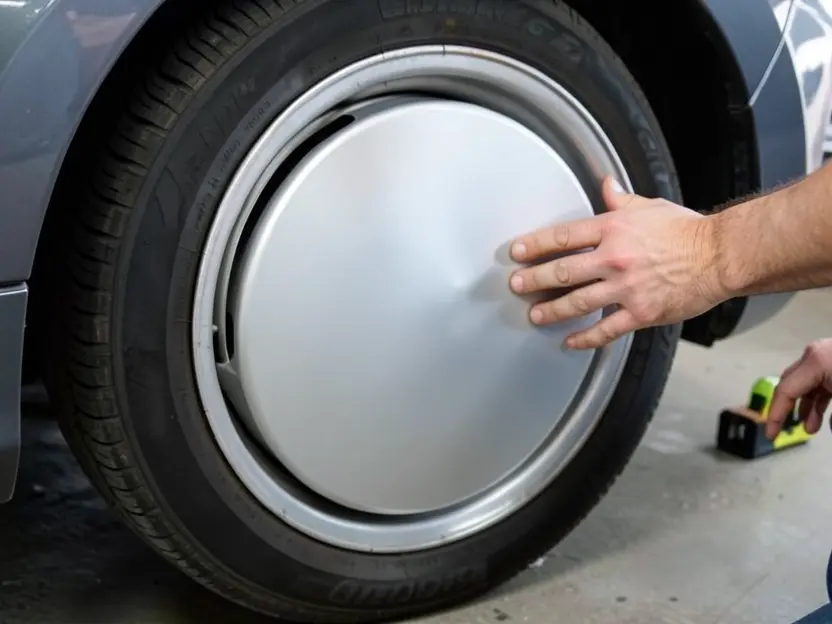
Most wheel covers on the market today are the snap-on style, which use spring steel clips molded into the back of the cover that grip the inner lip of the wheel. A smaller number, mostly on older trucks and vans, are bolt-on and thread onto the existing lug nuts using small retaining nuts included with the cover.
- Wipe down the wheel face so dirt doesn’t get trapped between the cover and the rim.
- Line up the cover’s valve stem cutout with the wheel’s actual valve stem.
- For snap-on covers, press firmly around the entire outer edge until you hear or feel each clip click into place — don’t just push the center, work your way around the rim.
- For bolt-on covers, thread the included retaining nuts onto the existing lug studs by hand, then snug them with the wrench provided.
- Give the cover a firm tug by hand after installing to confirm it’s fully seated before driving.
A cover that isn’t fully snapped in on all sides is the top cause of covers flying off at highway speed, so it’s worth the extra thirty seconds to check every clip point before you drive off.
How Much Do Wheel Covers Cost?
| Cover Type | Typical Price (Set of 4) |
|---|---|
| Basic ABS plastic, generic fit | $20 – $40 |
| OEM-style ABS plastic, brand-matched design | $40 – $80 |
| Stainless steel hubcaps / center caps | $50 – $150 |
| Individual replacement cover (1 piece) | $10 – $30 |
By comparison, a set of real aftermarket alloy wheels typically starts around $400–$600 for four wheels and climbs quickly from there, which is exactly why wheel covers remain such a popular way to change a car’s look on a small budget.
Do Wheel Covers Actually Improve Fuel Efficiency?
The honest answer is: it depends on the design, and for most decorative wheel covers the effect is too small to notice at the pump. A standard spoke-pattern or chrome-look wheel cover doesn’t meaningfully change the airflow around the wheel well, so any fuel-economy claim tied to those styles is mostly marketing.
Where this actually matters is with purpose-built aerodynamic covers — the flat, fully smooth discs you see on many hybrids and EVs from the factory. Automakers add those specifically to reduce turbulence in the wheel well at highway speed, and that design choice can shave a small but real amount off a vehicle’s drag coefficient. If fuel economy is your actual goal rather than just styling, look specifically for a cover described as “aero” or “low-drag,” not a decorative spoke design, and treat any specific mpg number in a listing with skepticism unless it comes from the vehicle manufacturer itself.
Wheel Cover Maintenance and Care
- Wash covers with the same soap and water you use on the rest of the car; avoid harsh wheel-cleaning acids on plastic covers, since some formulas can dull or discolor ABS plastic over time.
- Check the clips periodically, especially after hitting a pothole or curb hard, since a bent or cracked clip is the most common reason a cover loosens over time.
- Remove covers before rotating or replacing tires, then reinstall once the wheel is back on, rather than trying to work around them.
- Replace a cracked or missing cover promptly — besides looking bad, an exposed steel wheel face is more exposed to road salt and moisture, which speeds up surface rust.
Frequently Asked Questions
What Is the Purpose of a Wheel Cover?
A wheel cover hides a plain steel wheel so it looks like a more expensive alloy wheel, and it also protects the wheel face and lug nuts from road dirt, brake dust, and moisture that can cause rust over time.
How Do I Choose the Right Wheel Cover Size?
Check your owner’s manual or the tire sticker inside the driver’s door for your wheel diameter, or measure the bare wheel face directly. Match that number, along with your lug nut count, to the size listed on the cover before buying.
Can Wheel Covers Improve Fuel Efficiency?
Standard decorative wheel covers have little to no measurable effect on fuel economy. Only purpose-built smooth, aerodynamic covers — the type used on some hybrids and EVs — are designed to reduce drag, and even then the benefit is modest.
Are Wheel Covers Easy to Install?
Yes. Most wheel covers are the snap-on type and require no tools — you press them onto the wheel by hand until every clip around the rim locks into place. Bolt-on styles need only the small wrench included in the box.
Is a Wheel Cover the Same Thing as a Hubcap?
Not technically. A hubcap in the strict sense only covers the center hub and lug nuts, while a wheel cover covers the entire wheel face. In everyday conversation and most product listings, though, the two terms are used interchangeably.
Will a Wheel Cover Fall Off While Driving?
A properly sized, fully seated snap-on cover is safe at normal driving speeds. Covers come loose almost exclusively when they’re the wrong size, were only partially clipped in during installation, or have a cracked/bent clip from hitting a curb or pothole.
Conclusion
A quality wheel cover is one of the cheapest, fastest upgrades you can make to a car’s appearance. For $20 to $80 and about ten minutes with no tools, you can turn a plain steel wheel into something that reads as an alloy wheel from across a parking lot, while also keeping road grime and moisture off the lug nuts and wheel face.
The two things worth getting right are size and clip condition: measure your wheel diameter before you buy, and check that every clip is fully seated after installation. Get those two details correct and a good wheel cover will hold up for years of daily driving.
Products related to this article
Sponsored / affiliate links. As an Amazon Associate I earn from qualifying purchases. I may earn additional commission from eligible campaigns.