
When He Puts His Career First: Essential Guide
If a guy prioritizes his career, understand how to navigate this in your relationship. This guide offers practical tips for communication, setting boundaries, and ensuring both your needs are met. Learn to build a strong connection that respects his ambition and cherishes your partnership.
When He Puts His Career First: Essential Guide
It can feel tough when the person you care about seems to put their work ahead of your relationship. You might wonder where you fit in when long hours, business trips, or intense work pressures become the norm. It’s a common situation many couples face. This guide is here to help you understand why this happens and, more importantly, what you can do about it. We’ll walk through clear, simple steps to help you communicate your needs and build a relationship that thrives, even with career demands.
Understanding His Career Focus
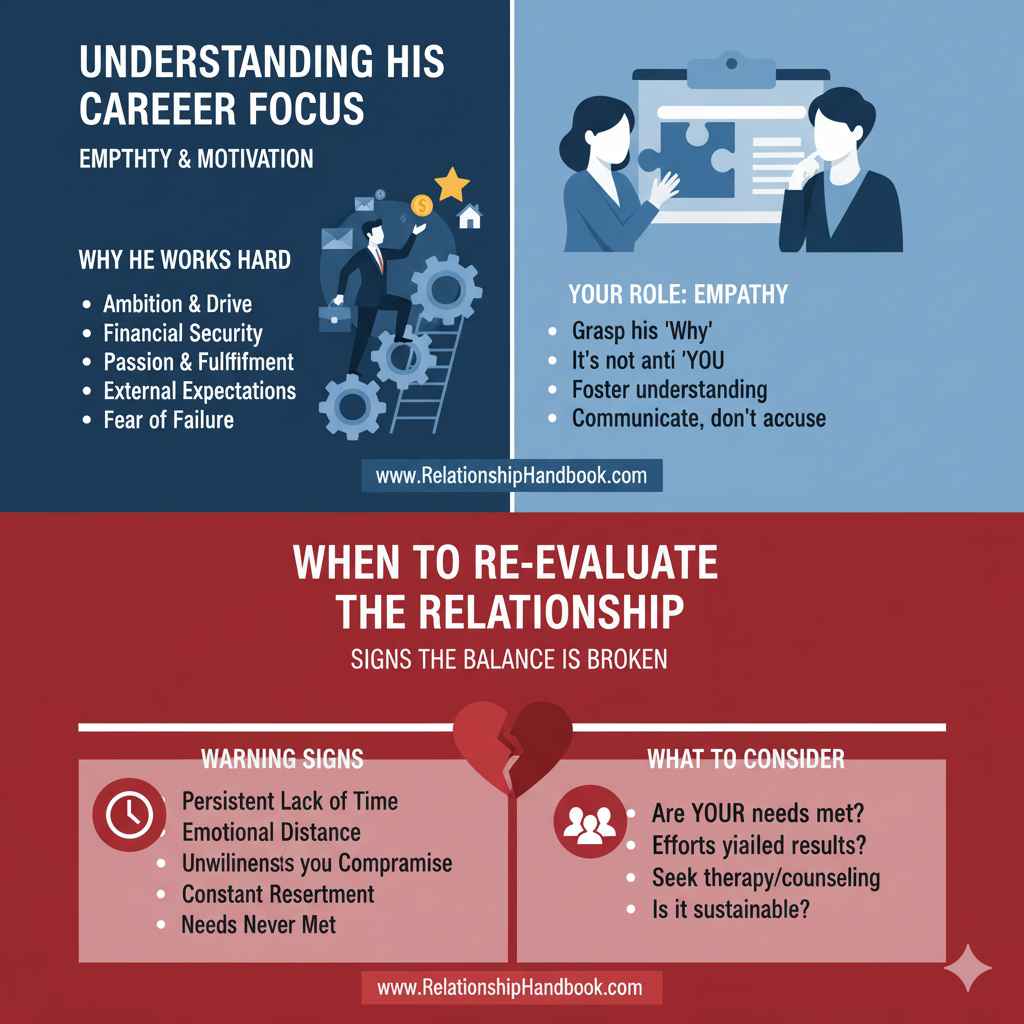
It’s important to try and grasp why your partner might be career-driven. Often, it’s not about a lack of love for you, but a deep-seated desire for success, security, or a sense of purpose tied to his profession. Many men are raised with the expectation that providing and achieving in their careers is a primary role. This can create a strong internal drive to excel, sometimes to the point where it heavily influences their time and energy.
Think about his motivations. Is he building something from the ground up? Is he trying to achieve a specific goal, like a promotion or a financial milestone? Understanding his “why” can foster more empathy and less personal hurt. It doesn’t mean you have to accept being last, but it helps frame the situation more constructively.
Why Careers Can Become a Top Priority
- Ambition and Drive: Many individuals have a natural desire to achieve and succeed in their chosen fields. This can be fueled by personal goals or external pressures.
- Financial Security: For some, a strong career is directly linked to providing for themselves and their loved ones. This can lead to a focus on earning potential and stability.
- Passion and Fulfillment: His job might be something he truly loves and finds deeply rewarding, offering a sense of purpose beyond personal relationships.
- External Expectations: Societal norms and upbringing can sometimes instill a belief that career success is a measure of a man’s worth.
- Fear of Failure: The pressure to succeed can be immense, leading to an all-consuming focus on work to avoid the perceived negative consequences of not succeeding.
Communicating Your Needs Effectively
Open and honest communication is the bedrock of any healthy relationship, especially when career demands are high. It’s vital to express how you feel without making accusations. Instead of saying, “You never have time for me,” try framing it around your feelings and specific, actionable requests.
Choose the right time to talk. Avoid bringing up sensitive topics when he’s stressed from work or exhausted. Look for a calm moment when you both have time to focus on each other. Remember, the goal is to find solutions together, not to create conflict.
Tips for a Productive Conversation
- Choose the Right Moment: Pick a time when you are both relaxed and can give each other your full attention.
- Use “I” Statements: Express your feelings by starting sentences with “I feel…” rather than “You always…” For example, “I feel a bit lonely when we don’t have much time together during the week.”
- Be Specific with Your Requests: Instead of general complaints, ask for concrete things. “Could we try to have one dedicated date night each week?” or “Would it be possible to have breakfast together on Saturday mornings?”
- Listen Actively: Pay attention to his perspective. He might be feeling pressure or stress you’re not aware of. Understanding his viewpoint is crucial.
- Focus on Solutions, Not Just Problems: Work together to find compromises that honor both his career needs and your relationship needs.
- Acknowledge His Efforts: If he makes an effort to spend time with you, acknowledge and appreciate it. Positive reinforcement can go a long way.
Finding a Balance: Setting Healthy Boundaries
Boundaries are essential for any relationship, but they are particularly important when one partner has a demanding career. Boundaries aren’t about controlling the other person; they’re about protecting your own well-being and the health of the relationship. They help ensure that your needs are also being met and that the relationship doesn’t get completely overshadowed by work.
Think of boundaries as agreements that help both of you feel respected and valued. They create a clear understanding of expectations regarding time, energy, and emotional availability. Without them, resentment can build up, which is damaging to any partnership.
Establishing Relationship Boundaries
When setting boundaries, it’s important to be clear, consistent, and fair. Here are some areas where boundaries can be particularly helpful:
- Dedicated Time: Agree on specific times that are reserved exclusively for your relationship, free from career interruptions. This could be weeknight dinners, weekend mornings, or a regular date night.
- “Off-Limits” Times: Designate certain periods when work talk is discouraged. For instance, after a certain hour in the evening, or during dedicated family time.
- Emotional Availability: While his career is important, ensure there are times when he is emotionally present for you, even if life is busy. This means being able to talk about your day, your feelings, and important relationship matters without constant distraction.
- Personal Space and Downtime: Recognize that he needs time to decompress after work. This doesn’t always have to be spent with you, but it’s important that he has space to recharge healthily, and you also have your own interests and downtime.
- Respecting Personal Time: Try not to call or text incessantly during his workday unless it’s urgent or you’ve previously agreed on it. This shows respect for his focus and work environment.
Example Boundary Scenarios
Here’s how boundaries might look in practice:
| Area | Boundary Example | Why it’s Important |
|---|---|---|
| Dedicated Couple Time | “Let’s agree to put our phones away and have a device-free dinner together at least three nights a week to reconnect.” | Ensures quality time for conversation and emotional connection, preventing the relationship from feeling like an afterthought. |
| Work Interruptions | “Can we aim for no work calls or emails after 8 PM on weeknights, unless it’s an absolute emergency?” | Allows for relaxation and personal time, preventing burnout and ensuring that your evenings are for connection, not constant work. |
| Weekend Chores vs. Fun | “I’m happy to help with some work-related tasks if needed, but I also want to make sure we have at least one full day each weekend dedicated to relaxation or activities we both enjoy.” | Balances shared responsibilities with the need for rest and enjoyment, preventing a feeling of constant obligation to work. |
Prioritizing Your Own Well-being and Interests
When your partner is deeply invested in his career, it can be easy to let your own life and interests take a backseat. This is a trap that can lead to feelings of resentment, loneliness, and a loss of your own identity. It’s crucial to remember that a healthy relationship involves two whole individuals, each with their own passions and needs.
This phase, while challenging, can also be an opportunity for you to grow. It might be the perfect time to explore hobbies you’ve always meant to, invest more in your friendships, or focus on your own career development. Having your own fulfilling life outside the relationship makes you a stronger partner and ensures you have sources of happiness that don’t solely depend on your partner’s availability.
Nurturing Your Personal Growth
- Invest in Your Hobbies: Pick up an old hobby or start a new one. Whether it’s painting, gardening, learning an instrument, or creative writing, having a passion project can be incredibly rewarding.
- Strengthen Friendships: Make time for friends. They offer support, companionship, and a different perspective. Going out with friends or having a girls’ night in can be rejuvenating.
- Focus on Your Career/Studies: If you are also pursuing career goals or education, this might be a time to advance them. Achieving personal success can boost your confidence and create a sense of shared ambition in the partnership. Resources like the Small Business Administration can offer guidance for entrepreneurial endeavors.
- Self-Care Rituals: Prioritize activities that help you relax and recharge. This could include exercise, meditation, reading, or simply taking a long bath.
- Set Your Own Goals: Have personal goals that don’t involve your partner’s career. This could be fitness goals, travel plans, or learning a new skill.
Navigating Social Events and Family Gatherings
Social events and family gatherings can become points of contention when one partner is frequently absent due to work. Planning ahead and communicating expectations can help reduce stress and disappointment.
Decide together which events are most important to attend. Sometimes, it might be a compromise where he attends one event and you attend another, or you might need to gracefully explain his absence to hosts or family members. It’s also okay to attend some events alone, especially if it’s a gathering with your own friends or family where his presence isn’t expected or crucial.
Strategies for Social Engagements
- Prioritize Key Events: Discuss which social or family events are non-negotiable. Which celebrations or gatherings are most significant to each of you?
- Early Communication: Inform hosts or organizers about potential work conflicts well in advance if possible.
- Attend Solo When Appropriate: For events that are more heavily oriented towards your social circle or family, feel empowered to attend alone. Explain your partner’s work commitments kindly.
- Compromise on Attendance: Could he attend for a shorter duration? Perhaps he can make an appearance for a specific part of the event (e.g., the main meal or a key ceremony).
- Plan “Make-Up” Time: If he misses an important event, plan a special outing or activity together to acknowledge what was missed and reconnect.
- Avoid Sidestepping Explanations: Be prepared to briefly and politely explain his absence if asked. “He’s working on a big project right now and couldn’t get away, but he sends his regrets!” is often sufficient.
When to Re-evaluate the Relationship
While it’s possible to navigate a relationship where a partner prioritizes their career, there are times when this focus can become detrimental. If your needs are consistently unmet, if communication breaks down completely, or if you feel unheard and unvalued over an extended period, it’s time to re-evaluate.
A relationship should be a source of joy and support, not constant stress or unhappiness. If efforts to communicate, set boundaries, and find balance have been made but haven’t yielded positive results, it’s important to consider whether the relationship is sustainable and fulfilling for you. Seeking advice from a therapist or counselor can provide valuable guidance during this process.
Signs It Might Be Time to Re-evaluate
- Persistent Lack of Time: Despite your best efforts, he consistently makes little to no time for you, even for essential connection.
- Emotional Distance: He’s unavailable emotionally, rarely engaging in deep conversations or showing empathy for your feelings.
- Unwillingness to Compromise: He’s resistant to discussions about balance, boundaries, or making changes that would benefit the relationship.
- Feeling Unappreciated: Your efforts to support his career go unnoticed, and you feel taken for granted.
- Constant Resentment: You find yourself harboring significant resentment, which is negatively impacting your happiness and the relationship.
- Your Needs are Never Met: You consistently feel that your fundamental needs for connection, affection, and partnership are not being addressed.
Frequently Asked Questions
When a guy puts his career first, does it mean he doesn’t love me?
Not necessarily. Many men are driven by ambition, a desire for security, or a deep passion for their work. While his career may be his top priority right now, it doesn’t automatically mean his feelings for you are secondary. Open communication is key to understanding his motivations and expressing your needs.
How can I support his career ambition without losing myself?
Support can come in many forms that don’t require sacrificing your own well-being. This includes being an encouraging and understanding partner, celebrating his successes, and creating a stable home environment. Crucially, it also means maintaining your own interests, friendships, and personal goals. This balance ensures you remain a fulfilled individual.
What if he works constantly and we never see each other?
This is a critical issue that needs addressing. Start by scheduling a calm conversation where you express your feelings using “I” statements. Suggest specific, small blocks of dedicated time, like a shared meal or a weekend morning. If he’s consistently unavailable even for these minimal interactions, it may require a deeper conversation about the relationship’s future.
Should I adjust my own career goals to match his?
It’s important that your career goals are aligned with your personal ambitions and values, not dictated by his. While you can support each other’s professional journeys, compromising your own core career aspirations solely to accommodate his may lead to future regret and resentment. Focus on finding a way for both of you to pursue your professional paths authentically.
How do I deal with feeling lonely or neglected?
Acknowledge these feelings as valid. Seek connection through friends, family, or your own hobbies. When speaking with your partner, explain how his absence makes you feel and suggest concrete ways he can connect with you, even briefly. Consistent support from your own network is also vital during challenging times.
What if his career demands are temporary (e.g., a startup phase)?
Understandable! If it’s a defined, temporary period with a clear end goal, you might approach it with more patience and focus on the long-term outcome. Discuss the estimated timeline and agree on how you’ll reconnect and readjust priorities once the demanding phase is over. Regular check-ins are essential to ensure the “temporary” phase doesn’t become permanent.
Conclusion
Navigating a relationship where your partner places a high priority on their career requires a blend of understanding, clear communication, and strong personal boundaries. It’s about finding a delicate balance where his professional ambitions are respected, but your needs for connection, intimacy, and partnership are also met. By fostering open dialogue, establishing healthy boundaries, nurturing your own interests, and knowing when to re-evaluate, you can build a resilient and fulfilling relationship that withstands the pressures of demanding careers. Remember, a strong partnership is built on mutual respect, effort, and a shared commitment to making time for what truly matters.