White Marks on Black Car After Polishing? Fixes
It can be frustrating to see white marks appear on your black car right after you’ve spent time polishing it. This is a common problem, especially for those new to car detailing. Sometimes polish residue can dry and become very visible on dark paint.
Don’t worry, these marks are usually easy to fix! We’ll show you a simple way to get rid of them so your car looks its best again. Read on to learn how to solve White Marks on Black Car After Polishing?
Fixes.
Dealing With White Marks on Black Car After Polishing
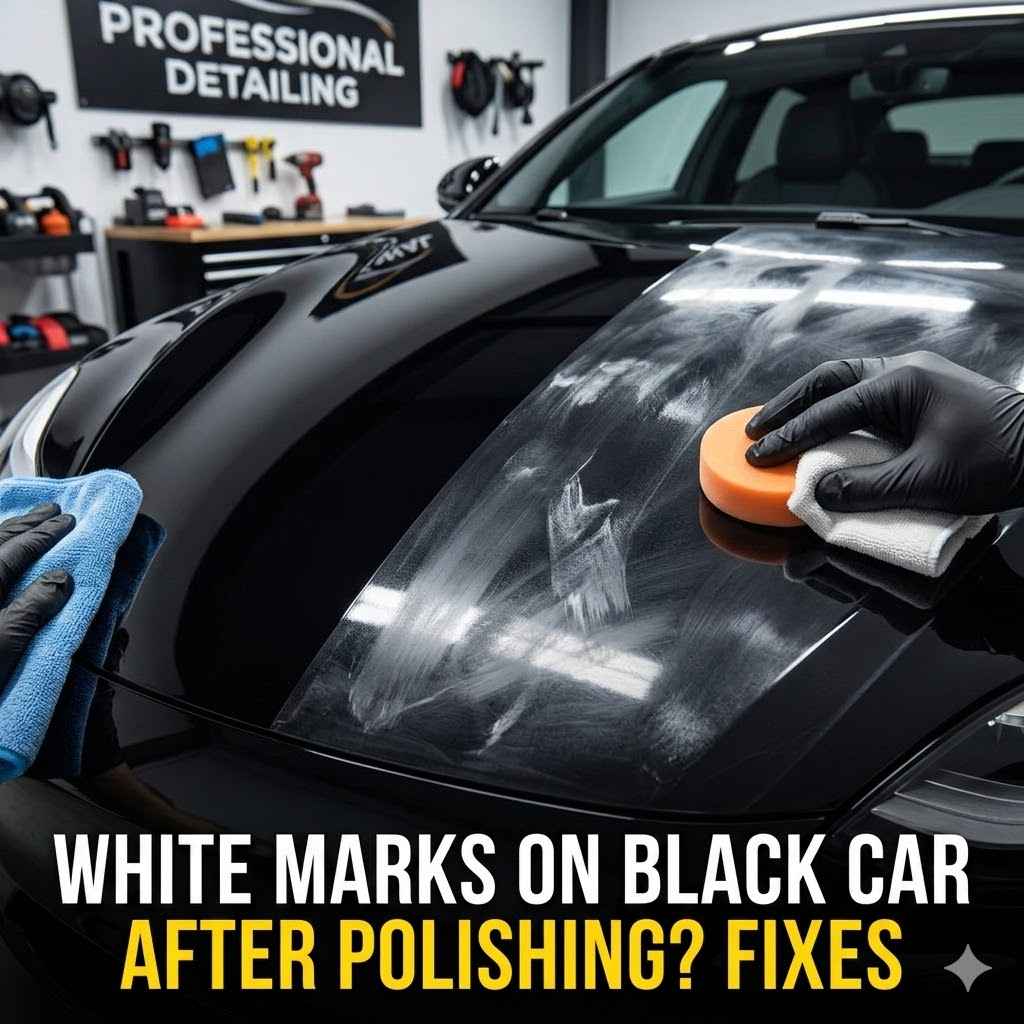
Seeing white marks on your black car after polishing is a common issue that can catch many car owners off guard. This usually happens when polishing compounds or waxes are not fully wiped away, or when they dry into the paint’s surface. On dark paint like black, these residues are much more noticeable, creating a hazy or chalky appearance.
For beginners, it’s easy to feel discouraged, thinking the polishing process has ruined the finish. This section will explain why these marks appear and how to start the process of removing them, setting the stage for a cleaner, more polished look.
Understanding Why White Marks Appear
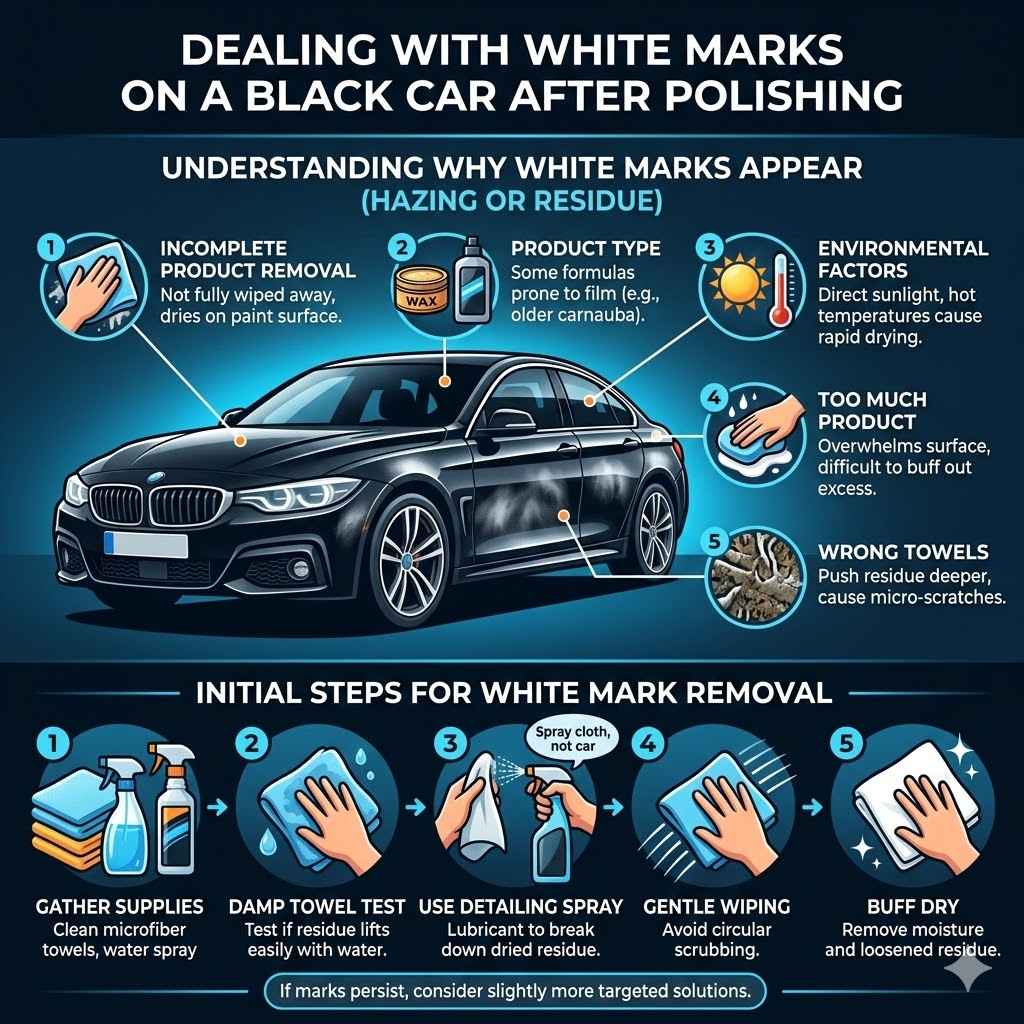
White marks, often called “hazing” or “residue,” are typically caused by polishing products drying on the surface of your car’s paint. When you use a polishing compound, it contains abrasives that clean and smooth the paint. It also has fillers and oils that can leave a film.
If this film isn’t completely removed before it dries, it can harden. This dried residue then reflects light in a way that looks white, especially against a dark color like black. The microscopic particles in the polish can get caught in the paint’s pores or on the surface.
This makes them hard to simply wipe off with a dry cloth. Sometimes, using too much product can also lead to this issue, as there’s simply more material left to remove.
Factors like temperature and humidity can also play a role. In warmer or drier conditions, polishing products tend to dry much faster. This gives you less time to wipe them away effectively.
The type of polish or wax you use matters too. Some products are more prone to leaving residue than others. For instance, older types of car waxes containing carnauba can sometimes leave a white film if not buffed out properly.
Modern synthetic sealants and ceramic coatings are generally less likely to cause this problem. Understanding these causes helps you prevent them next time.
The challenge for many car owners is not knowing the right technique or products to use for removal. They might try scrubbing with a dry towel, which can sometimes just spread the residue or even cause new scratches. This is why learning the correct steps for dealing with these marks is important.
It’s not about having fancy tools; it’s about knowing how to use simple items correctly.
Here are some reasons why these marks happen:
- Incomplete Removal of Product: The most frequent cause is not wiping away all the polish or wax before it dries completely. It’s like leaving dried soap suds on your car after washing.
- Product Type: Some polishing compounds and waxes are formulated with ingredients that can leave a white film. This is especially true for older wax formulas.
- Environmental Factors: Working in direct sunlight or hot temperatures makes products dry too fast. This leaves less time for proper buffing.
- Too Much Product: Applying excessive amounts of polish or wax can overwhelm the surface. This makes it difficult to remove all the excess.
- Using the Wrong Towels: Using abrasive or dirty towels can push the residue deeper into the paint or cause micro-scratches, making the marks look worse.
Initial Steps for White Mark Removal
Before you reach for harsh chemicals, the first step in removing white marks from your black car is a gentle approach. You want to try and lift the residue without damaging the paint underneath. Often, a simple, slightly damp microfiber towel can do the trick.
The key is to use a clean towel and a light touch. You’re not scrubbing; you’re gently lifting the dried product away. This method is safe for most finishes and is the least likely to cause any harm to your car’s paintwork.
It’s also the easiest way to start troubleshooting the problem.
If a damp towel isn’t enough, the next step involves a mild detailing spray. This spray acts as a lubricant. It helps to break down the dried residue.
It also makes it easier to wipe away without friction. Always spray the detailing spray onto the microfiber towel, not directly onto the car. This prevents overspray.
Then, gently wipe the affected area. This process is designed to be safe and effective for removing light residue. It’s important to work in small sections to ensure you don’t miss any spots or let the spray dry too quickly.
Remember to use a clean side of the towel or a fresh towel for each section.
Here’s a basic process to start with:
- Gather Your Supplies: You’ll need a few clean, soft microfiber towels and a good quality car detailing spray.
- Damp Towel Test: Lightly dampen a clean microfiber towel with water. Gently wipe over a small affected area. See if the white marks lift easily.
- Use Detailing Spray: If the damp towel doesn’t work, spray your detailing spray onto a clean microfiber towel.
- Gentle Wiping: Gently wipe the white marks in a straight line motion. Avoid circular scrubbing.
- Buff Dry: Immediately use a dry, clean microfiber towel to buff the area dry. This removes any remaining moisture or loosened residue.
If these initial steps don’t fully solve the problem, it’s time to consider slightly more targeted solutions. This is where knowing the specific type of residue and the paint surface helps. We’ll look at more advanced techniques that can tackle tougher marks.
Advanced Solutions for Stubborn White Marks
Sometimes, the gentle methods aren’t enough. When those white marks persist, it means the residue might be more baked into the paint. It could also be a different type of residue altogether.
This is when we move to more advanced, yet still safe, techniques to get your black car looking like new again. The goal is to break down the dried polish or wax effectively without causing any damage. We’ll explore specific products and methods that target these stubborn marks.
This ensures you can restore that deep, glossy black finish you love.
Using Clay Bars for Deep Cleaning
A clay bar is a fantastic tool for removing contaminants that are bonded to your car’s paint. These contaminants can include overspray, tar, bug residue, and yes, dried polishing compounds. When polish residue has become stubborn, a clay bar can gently lift it away.
It’s like a deep cleaning for your paint surface. Using a clay bar requires a lubricant, which is usually a detailing spray or a specialized clay lubricant. This spray creates a slippery surface, allowing the clay bar to glide over the paint without scratching.
Here’s how to use a clay bar:
- Wash the Car: Start by thoroughly washing and drying your car. This removes loose dirt that could cause scratches when claying.
- Prepare the Clay: Knead a small piece of clay bar until it is pliable.
- Apply Lubricant: Spray a generous amount of clay lubricant onto a small section of the car’s paint.
- Clay the Surface: Gently glide the clay bar over the lubricated area using light pressure. Move it back and forth in straight lines.
- Check the Clay: As you work, the clay will pick up contaminants. If the clay gets dirty, fold it in on itself to expose a clean surface.
- Wipe and Inspect: After claying a section, wipe it clean with a microfiber towel and inspect for any remaining white marks. Repeat if necessary.
Using a clay bar is an important step for achieving a truly smooth surface. It removes things that a wash alone cannot. For stubborn white marks left by polishing compounds, this step is often essential.
It prepares the paint for the next steps, like polishing or waxing, ensuring a flawless finish. The key is to be patient and work in small areas, always keeping the surface lubricated.
Here’s a statistic on paint contamination:
A study found that the average car’s paint surface can accumulate over 50 different types of contaminants from daily driving. These can dull the paint and affect how products adhere. Using a clay bar helps remove these, improving the overall appearance and protection.
The Role of Polish and Compound
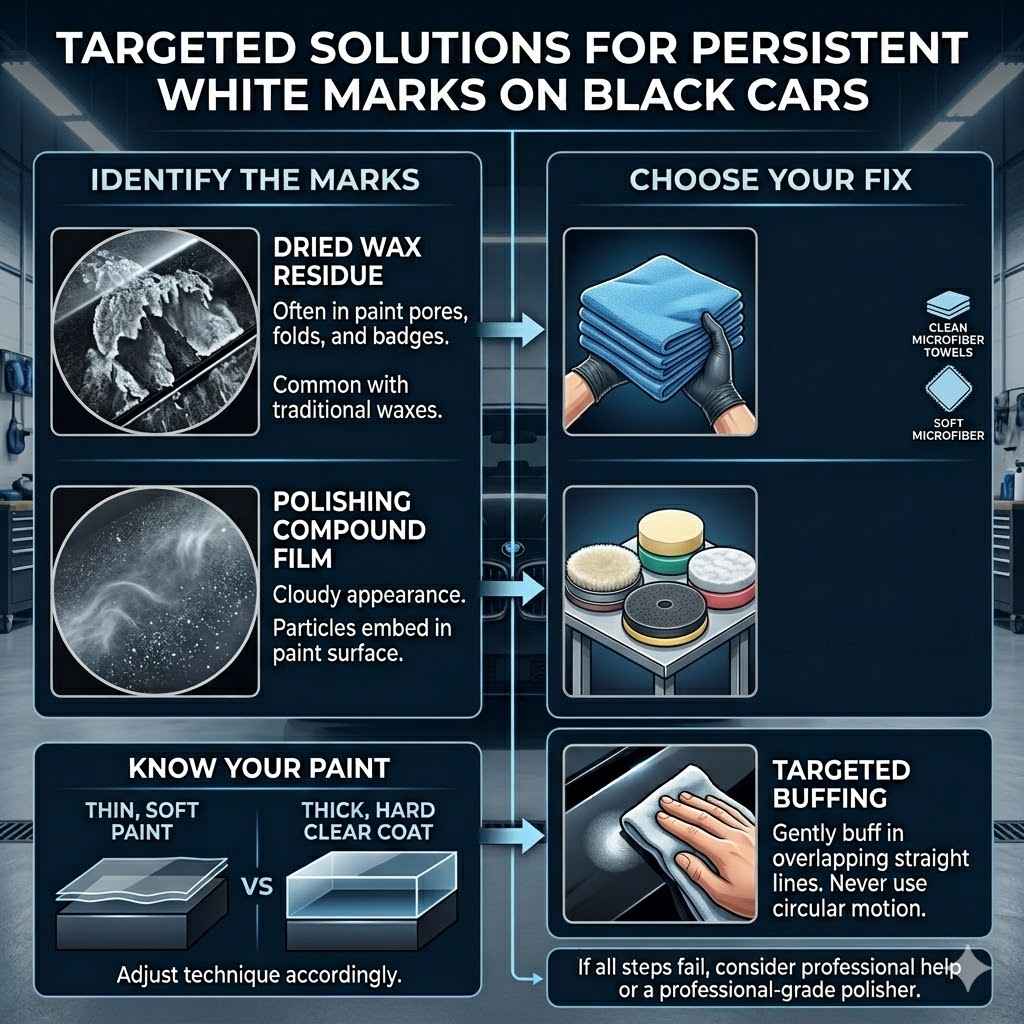
If the white marks are still visible after claying, they might be embedded in the paint’s clear coat or are a result of the original polishing process itself. This is where a polishing product, like a fine-cut polish or even a mild compound, might be needed. A polish contains very fine abrasives.
It works to remove a tiny layer of the clear coat. This can eliminate light scratches, swirl marks, and stubborn residue. A compound is more aggressive and used for deeper imperfections, but for white marks, a fine polish is usually sufficient and safer.
When applying polish, use a clean foam applicator pad or a polishing machine with a soft pad. Work in small sections. Apply a small amount of polish.
Gently rub it into the paint using overlapping motions. You don’t need to press hard. Let the product do the work.
After working the polish in, allow it to haze slightly, then buff it off with a clean microfiber towel. This process helps to remove any remaining trace of the white residue and restores shine.
Here’s how to use polish for residue removal:
- Choose the Right Product: Select a fine-cut polish or a swirl remover. Avoid aggressive compounds unless absolutely necessary.
- Apply to Pad: Put a few drops of polish onto a clean foam applicator or polishing pad.
- Work Small Areas: Polish a small section (about 2×2 feet) at a time. Use moderate pressure and overlapping strokes.
- Buff Off Residue: After polishing, let the polish haze for a moment. Then, gently buff it off with a clean microfiber towel.
- Inspect: Check the area for any remaining white marks. Repeat if needed, but be mindful of how much clear coat you are removing.
This step is crucial for correcting the surface at a microscopic level. It ensures that any lingering residue is physically removed. It also helps to smooth out the clear coat.
This makes the black paint look deeper and more reflective. Always use a good quality polish designed for painted surfaces. This ensures the best results without causing harm.
It’s a targeted solution for those persistent white spots.
Specialized Cleaners and Solvents
In cases where even a fine polish doesn’t fully remove the white marks, you might need to turn to specialized cleaners. These can include certain types of solvent-based cleaners designed to break down stubborn residues. However, it’s critical to use these with extreme caution, especially on a black car.
Some strong solvents can damage the paint or clear coat if used incorrectly or if they are too harsh.
Products like isopropyl alcohol (IPA) diluted with water can be very effective. A common mixture is a 1:1 ratio of IPA to distilled water. This solution can help to strip away leftover oils and residues from polishes and waxes.
Spray the diluted IPA onto a microfiber towel, not directly onto the paint. Then, gently wipe the affected area. Immediately follow up with a clean, dry microfiber towel to remove any moisture.
This method is effective but should be used sparingly, as it can also strip away existing wax or sealant protection.
Another option might be a dedicated bug and tar remover. These products are designed to dissolve sticky and hardened substances. If the white marks are particularly stubborn and seem almost “stuck” to the paint, a small amount applied to a microfiber towel can help.
Gently work the area. Always test these products on an inconspicuous spot first. This is to ensure they don’t react negatively with your car’s paint.
After using any strong cleaner, it’s wise to reapply a coat of wax or sealant to protect the paint.
Here are some examples of specialized cleaners and their uses:
- Isopropyl Alcohol (IPA) Solution: Great for removing oily residues from polishes and waxes. Usually diluted with distilled water (1:1 ratio is common). Use sparingly and always re-protect the paint afterward.
- Bug and Tar Remover: Effective for dissolving hardened or sticky residues that a normal wash won’t touch. Apply to a cloth, not directly to the paint.
- All-Purpose Cleaner (APC) with Caution: A diluted APC can sometimes help. Use a pH-neutral formula and a low dilution ratio (e.g., 10:1 or higher). Always test first.
It’s important to remember that these are more advanced solutions. They should be used only after gentler methods have failed. Always follow product instructions carefully.
Proper technique and caution are key to avoiding paint damage and achieving the desired results. A little patience and the right product can make a big difference.
Protecting Your Finish After Cleaning
After successfully removing the white marks from your black car, the job isn’t quite done. The final, critical step is to protect the paint. Cleaning, especially with more advanced methods like using IPA or polishing, can strip away any existing protective layers.
This leaves your car’s paint vulnerable. Applying a fresh coat of protection is essential. It helps to prevent future residue buildup and keeps your car looking its best.
It also adds a deep shine that complements the black finish.
The most common forms of protection are car wax and paint sealants. Wax, often made from carnauba, provides a beautiful, warm glow. It offers good protection for a few weeks to a couple of months.
Sealants are synthetic products. They typically last longer than waxes, offering protection for several months. Both work by creating a barrier on top of the clear coat.
This barrier repels water, dirt, and other contaminants. It also makes future cleaning much easier.
When applying wax or sealant, follow the product instructions. Generally, you’ll apply a thin, even layer using a foam applicator pad. Let it cure for the recommended time (usually a few minutes).
Then, buff it off with a clean, plush microfiber towel. A good layer of protection not only keeps your car looking good but also makes it easier to deal with problems like white marks in the future. It helps the next polish or wax application go on more smoothly.
Here’s a breakdown of protection options:
- Car Wax: Offers a deep, warm shine. Typically lasts 4-8 weeks. Easy to apply and buff off.
- Paint Sealant: Provides longer-lasting protection, often 4-6 months or more. Creates a synthetic barrier. Can have a glassier shine than wax.
- Ceramic Coating: The most durable option, lasting for years. Requires more careful application and is a more significant investment. Offers superior protection against chemicals and UV rays.
Choosing the right protection depends on your preferences and how much time you want to dedicate to maintaining your car’s finish. Even a simple coat of wax can make a big difference in protecting your black car. It helps to maintain that showroom shine and prevents future issues.
It’s the perfect way to finish the job after tackling those annoying white marks.
Preventing White Marks in the Future
Now that you know how to fix those frustrating white marks, let’s talk about how to avoid them altogether. Prevention is always better than correction, especially when it comes to keeping your black car looking its best. By understanding a few simple practices, you can significantly reduce the chances of seeing that chalky residue appear after polishing.
These tips focus on proper technique and product use. They aim to make your detailing sessions more successful and less stressful.
Proper Product Application Techniques
The way you apply polishing compounds, waxes, and sealants is key to preventing white marks. One of the most common mistakes is using too much product. A little goes a long way.
Over-applying can lead to excess material that’s difficult to remove. For polishes and compounds, start with a small, pea-sized amount on your applicator pad or machine polisher. For waxes and sealants, a thin, even layer is all that’s needed.
Another crucial technique is working in small sections. Don’t try to polish or wax the entire car at once. Focus on one panel or even half a panel at a time.
This allows you to properly work the product in and buff it off before it has a chance to dry and become stubborn residue. When buffing, always use a clean, high-quality microfiber towel. Flip the towel frequently to a clean side.
This ensures you’re lifting residue, not just spreading it around or scratching the paint.
Here are some application tips:
- Less is More: Use only the amount of product recommended by the manufacturer.
- Work in Sections: Tackle one small area at a time. This ensures thoroughness and prevents premature drying.
- Use Quality Towels: Invest in plush, clean microfiber towels. They are essential for effective buffing.
- Gentle Pressure: Let the product and the tool do the work. Excessive force can cause damage.
- Read Instructions: Always follow the specific application directions for the products you use.
By being mindful of these application techniques, you can make your polishing and waxing process much smoother. It will result in a cleaner finish with fewer white marks. This saves you time and effort in the long run.
It also contributes to the overall health and appearance of your car’s paint.
Choosing the Right Products for Black Cars
Not all car care products are created equal, and some are better suited for dark-colored cars like black. When selecting polishes, waxes, or sealants, look for products that are specifically formulated to enhance dark finishes or that are known to wipe off cleanly. Many reputable brands offer “black” or “dark” specific waxes.
These often contain darkening agents or fillers that can deepen the black color and hide minor imperfections.
For polishing compounds, opt for finer abrasives. These are less likely to leave behind significant residue that dries white. Read product reviews and look for recommendations from other black car owners.
Some synthetic sealants and spray waxes are also excellent choices. They are often designed for easy application and removal, making them less prone to causing hazing. They also tend to leave a slicker, more reflective finish.
Here’s what to look for in products:
- Dark-Specific Formulas: Products marketed for black or dark cars often enhance the color.
- Easy-Wipe-Off Formulas: Some products are designed to be buffed off with minimal effort, reducing residue risk.
- Fine-Cut Polishes: Less aggressive abrasives mean less chance of leaving stubborn white marks.
- Synthetic Sealants: These can provide durable shine and are generally easier to remove cleanly.
When in doubt, consult with professional detailers or online car care communities. They can offer valuable advice on which products perform best on black paint. Making informed product choices is a proactive step.
It helps ensure your detailing efforts result in a flawless finish, free from unwanted white marks. It also maximizes the visual impact of your car’s deep black paint.
Working in Optimal Conditions
The environment in which you detail your car can have a significant impact on the results. One of the most common reasons for white marks is working in direct sunlight or in hot temperatures. When your car’s surface is hot, polishing compounds and waxes dry extremely quickly.
This gives you very little time to wipe them away before they bond to the paint. This rapid drying is a primary cause of the stubborn white haze.
The ideal conditions for car detailing are in a cool, shaded area. An indoor garage is perfect. If you don’t have a garage, wait for a cloudy day or work in the early morning or late evening when the sun is not as intense.
This allows the products to stay wet longer. It gives you ample time to work them in and buff them off cleanly. Cooler temperatures also make the products easier to handle and prevent them from drying out on your applicator pads.
Consider these environmental factors:
- Shade is Essential: Always try to work in the shade. Direct sun heats up the paint and dries products too fast.
- Avoid Extreme Heat: High ambient temperatures also contribute to rapid drying of car care products.
- Moderate Humidity: Very dry air can also cause products to dry quickly, but extreme humidity can sometimes affect curing.
- Clean Air: Work in an area free from dust and debris that could settle on your wet paint.
By paying attention to the weather and choosing the right time and place to detail your car, you can greatly improve your chances of a perfect finish. This simple step can prevent many common detailing problems, including the dreaded white marks on black cars. It makes the entire process more enjoyable and the results more satisfying.
Frequently Asked Questions
Question: Can water alone remove white marks from my car?
Answer: Sometimes, if the marks are very light and fresh, a slightly damp microfiber towel can lift them. However, for most dried residue, water alone might not be enough. You’ll likely need a detailing spray or a dedicated cleaner.
Question: Should I use a machine polisher for these marks?
Answer: A machine polisher can be very effective, especially with a fine-cut polish. However, if you’re not experienced with one, it’s safer to start with hand application. If you do use a machine, be sure to use the correct pads and techniques to avoid damaging the paint.
Question: How long does it take for polish residue to become hard to remove?
Answer: It depends on the product and the conditions. In direct sunlight or high heat, residue can become difficult to remove within minutes. In cooler, shaded conditions, you might have 10-20 minutes before it starts to set.
Question: Will washing my car again remove the white marks?
Answer: A regular car wash might remove some very light, loose residue. However, dried-on polish or wax marks often require more targeted cleaning methods. A wash is a good first step, but usually not the complete solution.
Question: Is it safe to use household cleaners?
Answer: It’s generally not recommended. Household cleaners can be too harsh for automotive paint and may contain chemicals that can damage the clear coat or finish. Always use products specifically designed for car care.
Conclusion
Dealing with white marks on your black car after polishing can be a nuisance, but it’s a solvable issue. We’ve covered why these marks appear and shared simple, effective methods to remove them. From using damp towels and detailing sprays to employing clay bars and specialized cleaners, you have the tools.
Protecting your paint afterward with wax or sealant is your final, key step. With careful product application and working in the right conditions, you can prevent these marks from appearing in the first place. Enjoy your beautifully restored, glossy black car!