Why Does My Car Heat Up When Idling? Real Reasons
It’s a sinking feeling, isn’t it? You’re stuck in traffic, the engine’s humming along, and then you notice the temperature gauge creeping up. Your car is heating up while idling, and suddenly your mind races through all the worst-case scenarios.
You might worry about a breakdown, expensive repairs, or just the sheer annoyance of it all. This is a really common issue that leaves many drivers feeling worried and unsure of what’s happening under the hood. Let’s dive into why this happens and what you can do about it.
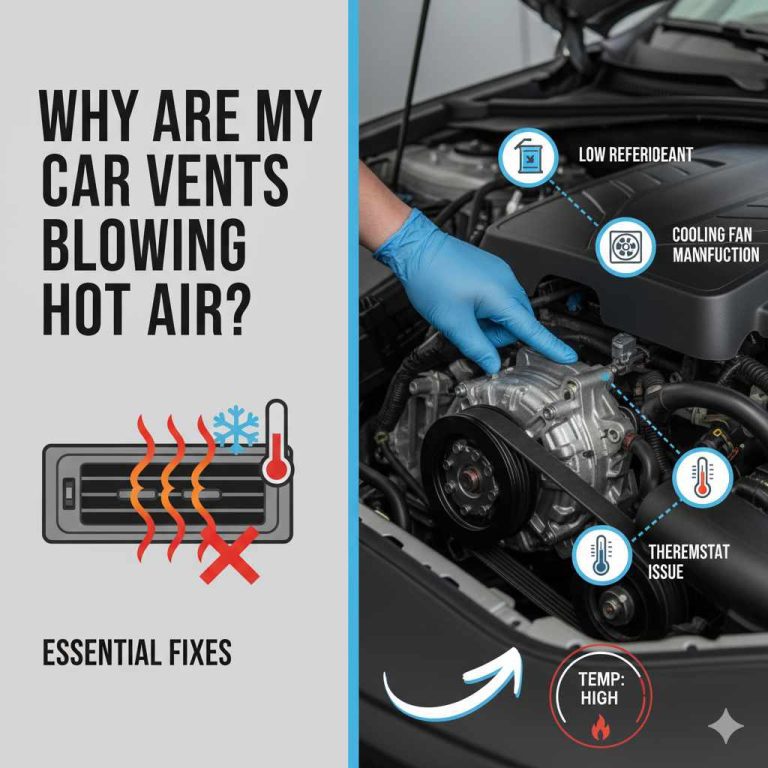
The most common reasons your car heats up when idling involve issues with the cooling system, airflow, or the engine’s exhaust. This often points to a problem with the radiator fan, low coolant levels, a clogged radiator, or a faulty thermostat. Addressing these can prevent serious engine damage.
What’s Happening When Your Car Heats Up at Idle?
When your car is moving, the air naturally flows through the radiator. This airflow helps cool down the engine’s coolant. Think of it like a constant, gentle breeze blowing over a hot object.
But when you’re stopped, like at a red light or in bumper-to-bumper traffic, that natural airflow stops. The car’s engine is still running and creating heat. It relies on other systems to keep things cool when it’s not moving.
If the temperature gauge starts climbing specifically when you’re sitting still, it means one of these crucial cooling systems isn’t working as well as it should. The engine’s heat builds up faster than the car can get rid of it. This can quickly lead to overheating, which is very bad for your engine.
It’s like trying to cool down a room by just standing there when the AC is broken; eventually, it just gets too hot.
My Car Overheated While Idling: A Story
I remember one sweltering August afternoon, stuck on the I-95. It was one of those days where the asphalt seemed to shimmer. I was maybe an hour from home, and the traffic ground to a complete halt.
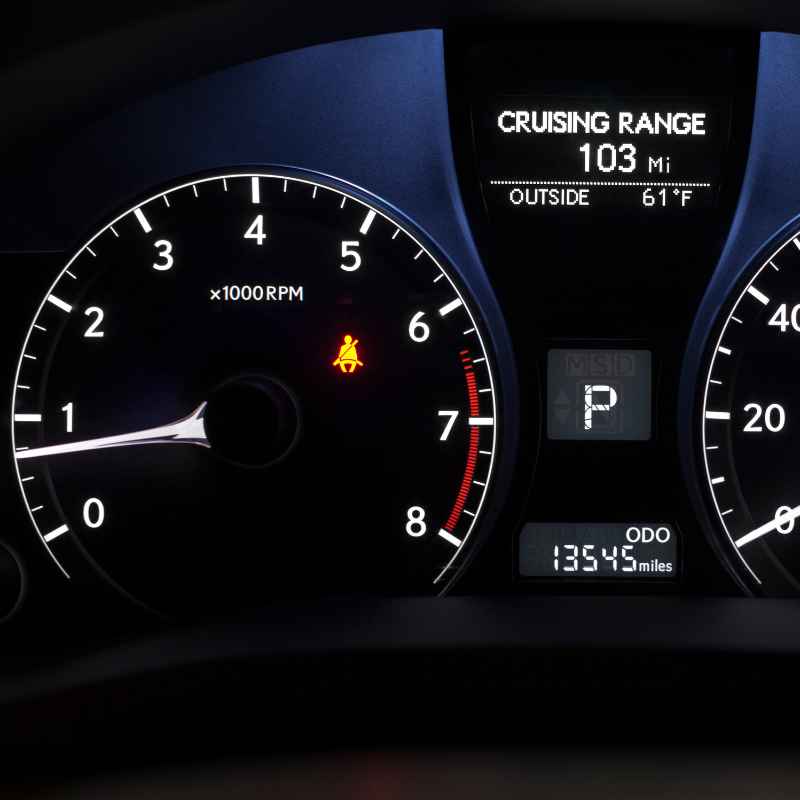
Cars were stopped everywhere. I had the AC blasting, trying to stay cool, when I glanced at my dashboard. The temperature needle was way past the halfway mark, creeping into the red zone.
My heart just sank. I turned off the AC immediately, hoping to give the engine a break. I could feel a little plume of steam, or maybe just really hot air, starting to waft from the hood.
I felt a knot of panic in my stomach, picturing a blown gasket or worse. The whole ride home after that was a slow crawl, windows down, praying the needle wouldn’t climb any higher.
The Engine Cooling System Explained Simply
Your car’s engine makes a lot of heat when it runs. The cooling system is like the car’s air conditioner for the engine. It uses a liquid called coolant (or antifreeze) to absorb this heat.
This hot coolant then flows to the radiator, which is like a small metal grid at the front of your car. Air passes through the radiator, cooling the liquid. A pump called the water pump pushes the coolant around.
A thermostat opens and closes to control when the coolant flows to the radiator. This whole system works to keep the engine at a safe temperature.
Common Culprits: Why the Heat Builds Up
When your car heats up at idle, it almost always comes back to problems in the cooling system. There are several key parts that work together to keep your engine cool. If even one of them falters, especially when you’re not getting that natural airflow, you’ll see the temperature rise.
The Radiator Fan Isn’t Kicking In
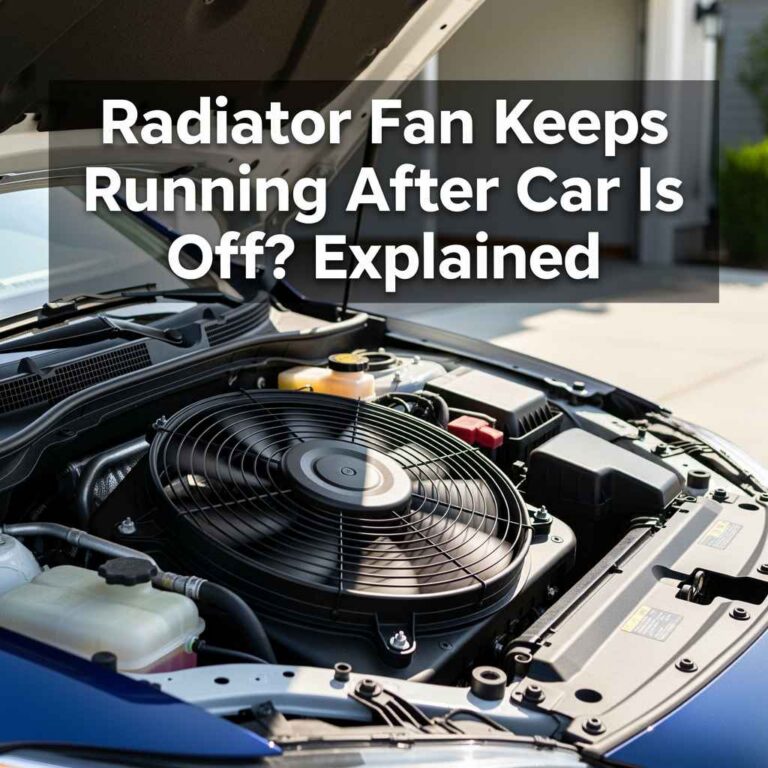
This is perhaps the most common reason. Your car has an electric or belt-driven fan attached to the radiator. Its job is to pull air through the radiator fins when the car is stopped or moving slowly.
If this fan isn’t working, the only cooling you get is from residual airflow, which isn’t enough when the engine is working hard.
Why it matters: Without the fan, the coolant can’t shed heat effectively when the car is stationary. The temperature rises rapidly because there’s no extra air being forced through the radiator. This is especially noticeable on hot days or when the car is under a load, like going uphill.
What to look for: Sometimes, you can hear the fan turn on. If you’re sitting in traffic and the temperature rises, try to listen for it. If you don’t hear it, or if it seems weak, it’s a strong sign something is wrong.
Electric fans can fail due to a bad motor, a blown fuse, or a faulty temperature sensor that tells the fan when to turn on.
Low Coolant Levels
Coolant is the lifeblood of your engine’s cooling system. It absorbs heat from the engine and carries it to the radiator to be released. If your coolant level is too low, there simply isn’t enough liquid to do the job.
This means the system can’t transfer heat away from the engine efficiently, especially at idle when heat generation is constant.
Why it matters: Low coolant means less heat transfer. The coolant that is there might get hotter faster. It also means less coolant is circulating, which can lead to hot spots within the engine.
A car needs the right amount of coolant to maintain its operating temperature, no matter the speed.
What to look for: Check your coolant reservoir. It’s usually a translucent plastic tank located under the hood. There are usually “min” and “max” lines on the side.
If the coolant is below the min line, you have a low level. You might also see puddles of colored liquid (green, orange, or pink) under your car, indicating a leak somewhere in the system.
A Clogged or Dirty Radiator
The radiator is designed to allow air to pass through its fins easily. Over time, dirt, bugs, leaves, and other road debris can build up on the outside of the radiator fins. This blocks airflow.
Internally, sediment or corrosion can build up, restricting the flow of coolant through the radiator tubes.
Why it matters: A clogged radiator can’t dissipate heat effectively. If air can’t get through the fins, the coolant won’t cool down. If coolant can’t flow freely inside the tubes, it can’t pick up heat from the engine efficiently.
This is like trying to breathe through a stuffy nose; everything slows down.
What to look for: Visually inspect the front of your radiator. If it looks caked in dirt or debris, it needs cleaning. You can sometimes see blockages by looking through the grille.
Internally, this is harder to spot and often requires a mechanic to flush the system and check for flow.
Faulty Thermostat
The thermostat acts like a valve. When the engine is cold, it stays closed, helping the engine warm up quickly to its optimal operating temperature. Once the engine reaches that temperature, the thermostat opens, allowing coolant to flow to the radiator to be cooled.
If the thermostat gets stuck in the closed position, or only partially opens, coolant won’t circulate properly to the radiator, even when the engine is hot.
Why it matters: A stuck thermostat traps hot coolant in the engine. It’s like a dam that won’t open. The engine gets hotter and hotter because the coolant can’t reach the radiator to be cooled down.
This problem can manifest at idle because the lack of flow becomes more critical when there’s no extra air to help.
What to look for: Sometimes a faulty thermostat can cause overheating at idle but not when driving at higher speeds. This is because at higher speeds, the engine might be running at a lower load, or the water pump can create enough flow even with a partially stuck thermostat. A common sign is the heater not blowing hot air, as the coolant isn’t circulating to the heater core.
Quick Scan: Cooling System Checkpoints
- Coolant Level: Is it between the MIN and MAX marks?
- Radiator Fan: Does it turn on when the engine is hot and idling?
- Radiator Exterior: Are the fins blocked by debris?
- Hoses: Are they firm or mushy? Any visible cracks or leaks?
- Temperature Gauge: Does it rise quickly at idle?
Water Pump Issues
The water pump is responsible for circulating the coolant throughout the engine and the cooling system. It’s powered by the engine itself, either by a belt or a timing chain. If the water pump impeller is worn, or if the pump is leaking, it won’t be able to push enough coolant through the system.
This reduced circulation means less heat is carried away from the engine.
Why it matters: A weak water pump means slow coolant flow. At idle, the engine generates a lot of heat. If the pump can’t move the hot coolant to the radiator fast enough, the engine will overheat.
You need strong circulation to manage that heat load.
What to look for: A failing water pump can sometimes make a whining or grinding noise. You might also see coolant leaks from the pump’s weep hole, which is a small hole designed to show if the pump seal is failing. If the belt driving the pump is loose or damaged, it won’t spin properly.
Air in the Cooling System
Air pockets in the cooling system can prevent coolant from reaching certain parts of the engine or radiator. This disrupts the flow of heat and can create hot spots. Air doesn’t absorb and transfer heat as well as coolant does.
So, when air gets into the system, those areas can overheat quickly.
Why it matters: Air is an insulator. If air is blocking the path of coolant flow, heat can build up in the engine. The coolant that is flowing might not be able to reach critical areas.
This means the engine can’t cool down properly, especially when it’s sitting still and relying on efficient circulation.
What to look for: Air can get into the system if there’s a leak, or if the system wasn’t properly bled after a coolant change or repair. Signs can include the temperature gauge fluctuating erratically, or the heater blowing cold air. Sometimes, you might hear gurgling noises from the dashboard area.
Contrast: Normal vs. Concerning Temperature Readings
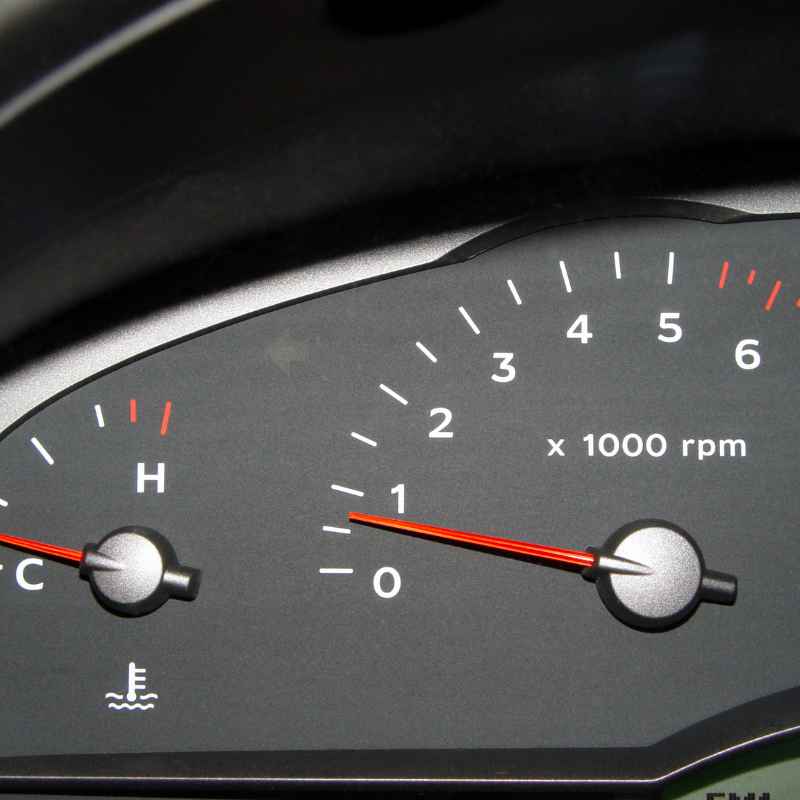
Normal: The temperature gauge stays steady in the middle range (usually around 195-220°F or 90-105°C). It might climb a little in heavy traffic on a very hot day, but quickly returns to normal when you start moving again.
Concerning: The temperature gauge climbs rapidly into the red zone while idling or in slow traffic. You might see steam from the engine. The warning light for high temperature comes on.
The engine feels excessively hot to the touch (be careful!).
Issues with the Radiator Cap
The radiator cap isn’t just a lid; it’s a pressure valve. It maintains pressure within the cooling system. This higher pressure raises the boiling point of the coolant, allowing it to work more effectively at higher temperatures.
If the cap is old, damaged, or doesn’t seal properly, it can’t hold the necessary pressure.
Why it matters: A faulty cap means the coolant can boil at a lower temperature. This leads to coolant loss through the overflow, and reduces the system’s ability to cool the engine. When the system isn’t pressurized, it’s less efficient, and this shows up most during periods of little airflow, like idling.
What to look for: Check the rubber seal on the cap for cracks or damage. If it looks worn or compressed, it might be time for a new one. A mechanic can test the cap to see if it holds the correct pressure.
Beyond the Cooling System: Other Possibilities
While the cooling system is the primary suspect, other issues can contribute to your car heating up at idle. These are less common, but still worth considering.
Clogged Catalytic Converter
The catalytic converter cleans up your car’s exhaust fumes. If it becomes clogged with carbon buildup or debris, it restricts the flow of exhaust gases. This restriction can cause excessive heat to build up in the exhaust manifold and engine.
This heat can then transfer to other components.
Why it matters: A clogged converter acts like a bottleneck for exhaust. The engine has to work harder to push gases out. This extra work generates more heat.
At idle, the engine is already running, and this added backpressure can make it feel hotter.
What to look for: Symptoms include a loss of engine power, a rotten egg smell from the exhaust, or a rattling sound from under the car. A mechanic can test for exhaust backpressure to diagnose this.
Problems with the Transmission Cooler (Automatic Transmissions)
Automatic transmissions generate a lot of heat, especially under load or in stop-and-go traffic. Most automatic transmissions have a cooler that uses engine coolant to dissipate this heat. If this cooler is blocked, or if there’s a leak between the transmission fluid and the coolant system, it can overwhelm the radiator’s cooling capacity.
Why it matters: If the transmission cooler is inefficient, the transmission fluid can get extremely hot. This heat can be transferred to the engine coolant through the shared radiator cooler. This extra heat load can cause the engine temperature to rise, particularly when the car isn’t moving and natural airflow is minimal.
What to look for: Overheating that coincides with transmission shifting issues or a burning smell could indicate a transmission cooler problem. Sometimes, the transmission fluid can contaminate the coolant, or vice versa, which can be seen during a coolant check.
Observational Flow: What to Do When the Gauge Climbs
- Notice: See the temperature gauge rising while stopped.
- Act Fast: Turn off the AC immediately.
- Listen: Try to hear if the radiator fan is running.
- Observe: Look for steam or other visible issues.
- Consider: If it’s getting serious, pull over safely.
- Get Help: If it keeps rising, don’t risk engine damage.
Lean Fuel Mixture
If your engine is running too lean (meaning there’s too much air and not enough fuel in the combustion mixture), it can cause higher combustion temperatures. While this is usually more noticeable under acceleration, in some cases, it can contribute to overall engine heat, which becomes more apparent at idle when other cooling mechanisms are less effective.
Why it matters: A lean mixture burns hotter. This extra heat has to be managed by the cooling system. If the cooling system is already taxed (e.g., low coolant, fan not working), this added heat from a lean mixture can push the engine temperature higher at idle.
What to look for: A check engine light is common with lean conditions. Other symptoms might include poor acceleration, hesitation, or misfires. This usually requires a diagnostic scan tool to identify.
Real-World Scenarios Where Idling Overheating Happens
Certain situations make your car more prone to heating up while idling. Understanding these can help you anticipate and avoid problems.
Hot Weather Conditions
On a scorching summer day, ambient temperatures are already high. The cooling system has to work harder just to keep up. When you add the lack of airflow from idling, the system is under immense strain.
Even a slightly underperforming cooling system can fail to keep the engine cool in extreme heat.
Why it matters: The outside air is hotter, so the radiator can’t cool the coolant as effectively. The engine’s heat generation doesn’t change. So, if the cooling system isn’t at 100%, the extra load of hot weather will expose its weaknesses, especially when the car is stationary.
Stop-and-Go Traffic
This is the classic scenario. You’re inching along, stopping and starting. The engine is running, but there’s minimal airflow through the radiator.
The radiator fan has to do all the work. If the fan isn’t strong enough, or if other parts of the cooling system are compromised, the temperature will climb steadily.
Why it matters: This is the exact situation the radiator fan is designed to handle. If the fan isn’t working, or if the system is already weak, extended periods of slow movement and idling in traffic will quickly lead to overheating. It tests the limits of your car’s ability to cool itself without natural airflow.
Driving Uphill or Under Load
When you’re driving uphill or towing something heavy, your engine is working harder. This means it’s generating more heat. While you are moving, which provides some airflow, the increased heat output can still overwhelm a less-than-perfect cooling system, especially if you have to slow down or stop during the ascent.
Why it matters: More work equals more heat. Even with airflow, if the engine is producing significantly more heat than usual, the cooling system must be in top condition. If there’s a slight issue, the added load of an incline can push the temperature over the edge, particularly if you then encounter slower speeds or a stop.
Myth vs. Reality: Overheating at Idle
Myth: My car only overheats at idle because it’s old.
Reality: Age can be a factor in component wear, but modern cars can also overheat at idle if their cooling systems are not maintained. A clogged radiator or a failed fan can happen to any car.
Myth: If my car doesn’t overheat while driving, I don’t need to worry about it idling.
Reality: Overheating at idle specifically points to a problem with the systems that supplement airflow, primarily the radiator fan or coolant circulation efficiency. It’s a distinct diagnostic clue.
What This Means for You: When to Worry and When It’s Okay
It’s important to know the difference between a slight temperature increase and a dangerous overheating situation. Most cars have a temperature gauge on the dashboard.
When It’s Probably Normal (with a Caveat)
On a very hot day, especially in prolonged stop-and-go traffic, you might see your car’s temperature needle climb slightly higher than its usual spot. It might go just above the halfway mark. As soon as you start moving again, and airflow increases, it should settle back down to normal.
This slight fluctuation can be normal for some cars under extreme stress.
The caveat: Even a slight, consistent rise that doesn’t return to normal quickly could still be a sign of a developing issue. It means the cooling system is struggling more than it should.
When You Should Be Concerned
You should be concerned if the temperature gauge enters the red zone. This means the engine is significantly hotter than it should be and is at risk of serious damage. You might also see steam coming from under the hood, or smell a sweet, hot coolant odor.
Immediate action is needed: If your car is overheating, the safest thing to do is pull over as soon as it is safe to do so. Turn off the engine. Do NOT open the radiator cap when the engine is hot, as the pressurized steam and coolant can cause severe burns.
Let the engine cool down completely (this can take 30-60 minutes or more) before attempting to check coolant levels or calling for assistance.
Simple Checks You Can Do
Before calling a mechanic, there are a few things you can check once the engine has cooled down:
- Coolant Level: Locate the coolant reservoir. Check if the level is between the “min” and “max” lines. If it’s low, you can add a 50/50 mix of coolant and distilled water.
- Radiator Fan: After the engine has cooled, you can try starting the car and letting it idle. Once the engine warms up, the fan should eventually kick on. If it doesn’t, this is a likely cause.
- Visible Leaks: Look under the car for any puddles of colored liquid (coolant). Check hoses and around the radiator for any signs of dripping.
Quick Fixes & Preventative Tips
Regular Coolant Checks: Make sure your coolant level is always at the proper mark. Use the correct type of coolant for your car.
Clean the Radiator: Periodically check and gently clean any debris from your radiator fins with water or compressed air.
Inspect Hoses: Look for any cracks, bulges, or signs of wear on the radiator hoses. Replace them if they feel mushy or brittle.
Listen for the Fan: Pay attention to whether your radiator fan is coming on when the car is idling and hot.
Don’t Ignore Warning Lights: If your check engine light or temperature warning light comes on, address it promptly.
Frequently Asked Questions About Car Idling Heat
Why does my car heat up more when the AC is on at idle?
The air conditioning system puts an extra load on the engine and also heats up the air passing through the condenser, which is usually located in front of the radiator. This extra heat can make it harder for the radiator to cool the engine, especially at idle when airflow is minimal. The radiator fan needs to work harder.
Can a bad radiator cap cause overheating at idle?
Yes, a bad radiator cap can absolutely cause overheating, especially at idle. The cap maintains pressure in the cooling system, which raises the boiling point of the coolant. If the cap is faulty and can’t hold pressure, the coolant can boil at a lower temperature, leading to inefficient cooling and potential overheating.
Is it normal for the temperature gauge to move up and down?
A little movement is normal, especially when the thermostat opens and closes. However, if the needle is fluctuating wildly or consistently climbing into the hot zone, it’s a sign of a problem. This could indicate low coolant, air in the system, or a faulty thermostat.
What is the difference between engine overheating and a hot engine?
A “hot engine” usually refers to an engine operating at its normal high temperature. “Overheating” means the engine temperature has gone beyond its safe operating range, putting components at risk of damage. The temperature gauge is your main indicator of this.
How long can I drive my car if it’s starting to overheat at idle?
It’s not recommended to drive a car that is overheating, even for a short distance. Continuing to drive can cause severe and expensive damage to the engine, such as a blown head gasket or warped cylinder heads. It’s best to pull over safely and let the engine cool down or call for a tow truck.
Can I just add more water to my coolant if it’s low?
In an emergency, adding plain water can help prevent immediate overheating. However, it’s not ideal for long-term use. Coolant is a mix of antifreeze and water, designed to prevent freezing in winter and boiling in summer, and also contains anti-corrosion additives.
If you add too much water, you reduce the coolant’s effectiveness and can leave the engine unprotected. It’s best to use the correct 50/50 coolant/water mix once the immediate emergency is over.
Final Thoughts on Idling Overheating
Seeing your car’s temperature gauge climb while sitting still can be a nerve-wracking experience. But most of the time, it’s a clear signal that your car is trying to tell you something is off with its cooling system. By understanding the common causes, like a faulty radiator fan or low coolant, you can be better prepared to diagnose the problem or have an informed conversation with your mechanic.
Regular checks and maintenance are your best defense against these frustrating issues, keeping your car running smoothly and safely on the road.
Products related to this article
Sponsored / affiliate links. As an Amazon Associate I earn from qualifying purchases. I may earn additional commission from eligible campaigns.