Why Does My Car Smell Like Paint: Essential Guide
A paint smell in your car often signals fresh paintwork, a fluid leak, or something dissolving. Identifying the source is key to ensuring your car’s safety and your well-being. This guide will help you pinpoint the cause and find a solution.
Has a strange, pungent odor suddenly filled your car? If it smells like fresh paint or harsh chemicals, it can be quite unsettling. You might wonder if it’s something serious or just a minor annoyance. Don’t worry! Many car owners encounter this issue, and understanding the cause is the first step to fixing it. This guide will walk you through the common reasons behind that paint-like smell and what you can do about it. We’ll keep things simple and straightforward, just like a friendly chat about car care. Let’s figure out what’s going on inside your vehicle, together!
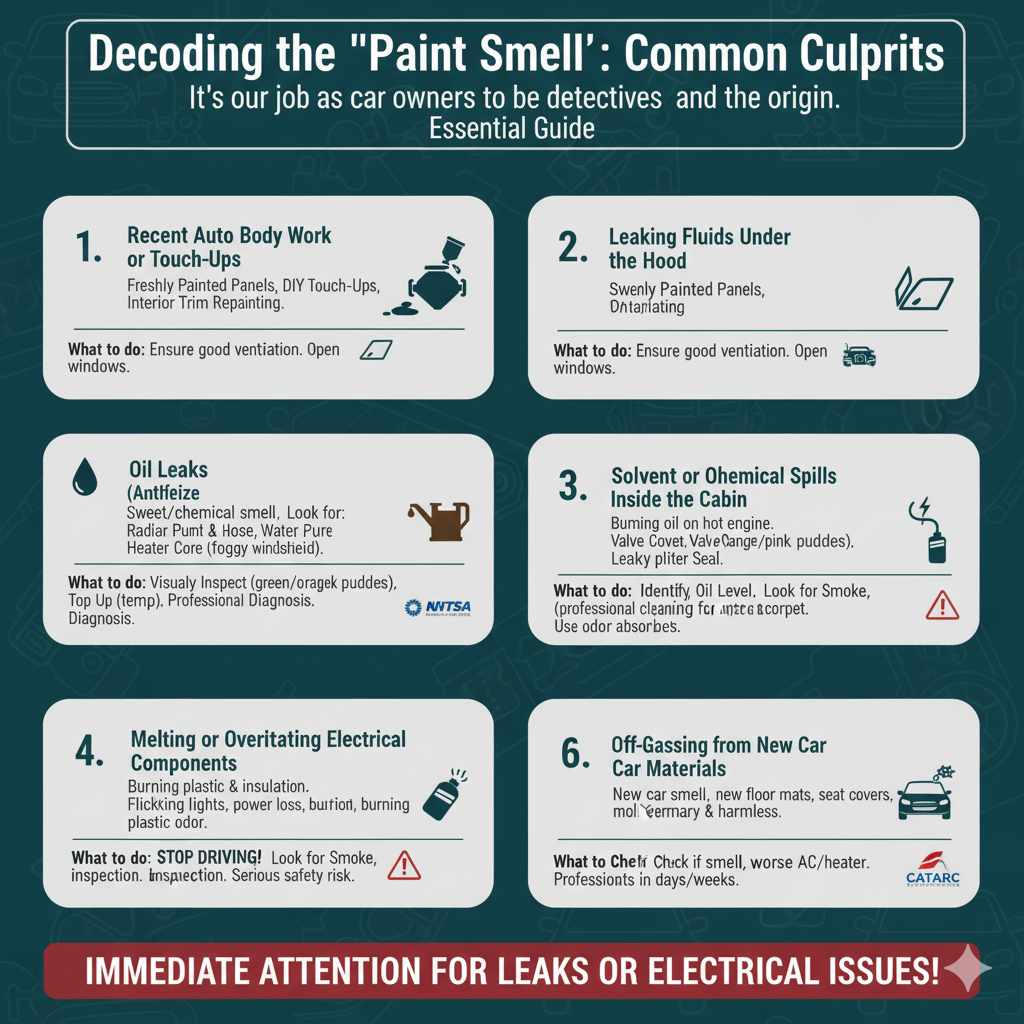
Decoding the “Paint Smell”: Common Culprits
That distinct “paint” smell can stem from a variety of sources, some harmless and temporary, others requiring immediate attention. It’s our job as car owners to be detectives and track down the origin of these odors. Think of it as a puzzle where each scent clue leads us closer to the solution. We’ll explore the most frequent reasons, helping you narrow down the possibilities.
1. Recent Auto Body Work or Touch-Ups
This is often the most obvious reason for a paint smell inside your car. If your vehicle has recently been repainted, whether professionally or by yourself, the lingering scent of fresh paint is completely normal. Modern automotive paints, especially those with high-VOC (Volatile Organic Compound) content, can take days or even weeks to fully cure and off-gas. The smell is typically strongest when the car is first out of the paint shop or garage and gradually dissipates over time.
- Freshly Painted Panels: If you had a scratch repaired or a panel repainted, the interior might have been exposed to overspray.
- DIY Touch-Ups: If you’ve attempted any minor paint touch-ups yourself, the fumes will be present.
- Interior Trim Repainting: Sometimes, the interior trim pieces might be painted or coated, leading to a similar smell.
What to do:
Ensure good ventilation. Opening windows while driving or parking in a well-ventilated area can help speed up the curing process and clear out the fumes. Avoid spending long periods in the car until the smell is gone. If the smell is extremely potent and doesn’t fade after a couple of weeks, it might be worth checking with the auto body shop.
2. Leaking Fluids Under the Hood
This is where the “paint smell” becomes a more serious concern. Certain fluid leaks, particularly those involving solvents or chemicals, can produce an odor that mimics fresh paint. These are often associated with engine components or the car’s cooling system.
Engine Coolant Leak (Antifreeze)
Engine coolant, often called antifreeze, has a distinct sweet or slightly chemical smell that some people describe as being similar to paint thinner or solvent. If your coolant is leaking, it can evaporate and enter the cabin through the HVAC system, or you might smell it when the engine is hot.
Why it smells like paint: Antifreeze contains ethylene glycol or propylene glycol, which have strong chemical odors. When hot, these compounds can produce fumes that, to some noses, resemble paint or chemical smells.
Where to look:
- Radiator and Hoses: Check for any visible leaks or damp spots around the radiator and the rubber hoses connected to it.
- Water Pump: The water pump seals can fail, causing coolant to leak.
- Heater Core: A leaking heater core is particularly problematic as it’s located inside the dashboard. This can result in a sweet smell inside the cabin, sometimes accompanied by fogging on the windshield.
What to do:
If you suspect an antifreeze leak, it’s crucial to address it immediately. Low coolant levels can lead to engine overheating, which is a costly repair.
- Visually Inspect: Look for puddles under your car (coolant is often brightly colored, like green, orange, or pink). Check fluid levels when the engine is cool.
- Top Up (Temporary Fix): If the level is low, add the correct type of coolant. However, this is a temporary solution; the leak needs to be repaired.
- Professional Diagnosis: Schedule an appointment with a mechanic to find and fix the leak.
You can learn more about coolant types and their importance from resources like the National Highway Traffic Safety Administration (NHTSA), which provides valuable safety information regarding vehicle fluids.
Oil Leaks
While oil typically has a distinct “oily” smell, when it burns off on hot engine components, it can sometimes produce fumes that are perceived as chemical or paint-like, especially to sensitive noses. Small amounts of oil dripping onto hot exhaust manifolds or engine parts can create this effect.
Why it smells like paint: Burning oil can release complex hydrocarbon compounds that have a pungent, sometimes metallic or chemical scent. This can be misinterpreted as a paint smell.
Where to look:
- Valve Cover Gasket: A common culprit for oil leaks.
- Oil Pan Gasket: Leaks here can drip onto exhaust components.
- Oil Filter Seal: A poorly fitted or damaged oil filter can leak.
What to do:
Similar to coolant leaks, oil leaks should be addressed promptly to prevent engine damage and potential fire hazards.
- Check Oil Level: Ensure your engine oil level is adequate.
- Look for Smoke: If you see smoke coming from under the hood, pull over safely and turn off the engine.
- Professional Repair: Have a mechanic inspect and repair any oil leaks.
3. Solvent or Chemical Spills Inside the Cabin
Did you recently transport something in your car that might have involved solvents, paints, adhesives, or strong cleaning agents? Even a small spill or a container that wasn’t sealed properly could lead to persistent fumes. These chemicals often have a powerful, sharp odor that can easily be mistaken for fresh paint.
- Carrying Supplies: Transporting paint, paint thinner, strong glues, or certain types of cleaners.
- DIY Detailing Products: Some interior or exterior car care products contain strong solvents.
- Leaking Containers: A leaky bottle of nail polish remover, perfume, or other strong-smelling liquid.
What to do:
- Identify the Source: Thoroughly inspect your car’s interior, including the trunk, under seats, and in door pockets.
- Clean the Area: If you find a spill, clean it up as thoroughly as possible using appropriate cleaning agents for the substance spilled. For porous materials like carpet or upholstery, this might require professional cleaning.
- Ventilate: Open windows and doors to air out the car. Consider using odor-absorbing products like baking soda or activated charcoal (available at most auto parts stores).
4. Melting or Overheating Electrical Components
This is a serious and potentially dangerous cause. In rare cases, a malfunctioning electrical component or wiring issue can overheat and begin to melt. The burning plastic and insulation can emit a acrid, chemical smell that some people describe as similar to paint.
Why it smells like paint: The melting of synthetic materials (plastics, rubber insulation) releases various chemical compounds, some of which can have a pungent, solvent-like aroma.
Warning Signs:
- The smell is accompanied by flickering lights, intermittent power loss to accessories, or a burning plastic odor.
- You might notice a burning smell specifically when certain electrical systems (like the radio or AC) are turned on.
What to do:
If you suspect an electrical issue, stop driving the car immediately and have it inspected by a qualified mechanic. Electrical problems can lead to fires and pose a significant safety risk. Do not attempt to diagnose or repair electrical issues yourself unless you have proper training and tools.
5. Off-Gassing from New Car Materials
If your car is brand new, or if you’ve recently had new interior components installed (like new floor mats, seat covers, or dashboard parts), you might be experiencing “new car smell.” While often pleasant, some of these materials can release VOCs that, to some individuals, have a chemical or paint-like odor. This is usually temporary and harmless.
What to do:
Similar to fresh paint, ventilation is key. Air out the car as much as possible. The smell should dissipate within a few days to a couple of weeks.
6. Issues with the HVAC System
Your car’s Heating, Ventilation, and Air Conditioning (HVAC) system circulates air throughout the cabin. If there’s a leak in a component that uses solvents (less common but possible) entering the airflow, or if a foreign substance has contaminated the system, it could lead to unusual smells. Mold or mildew in the system can cause musty smells, but sometimes other contaminants can create chemical odors.
What to do:
Check if the smell is more pronounced when the AC or heater is running. If so, it might be related to the HVAC system. A professional cleaning of the ventilation system might be necessary. For more information on automotive HVAC systems, you can refer to resources from organizations like the China Automotive Technology & Research Center (CATARC), which offers insights into automotive engineering and systems.
DIY Diagnostic Steps: Finding the Source
Before you rush to the mechanic, you can do some investigating yourself. Often, the culprit is right under your nose (or under the hood!). Here’s a simple, step-by-step approach to help you pinpoint the source of that paint smell.
Step 1: Note When the Smell Appears
Pay attention to when you notice the smell.
- All the time? This could indicate a persistent leak or off-gassing within the cabin.
- Only when the engine is hot? This points towards something under the hood, like leaking oil or coolant burning off.
- When the AC/heater is on? This suggests an HVAC system issue or something being drawn into the vents.
- After driving for a while? Could be related to engine temperature and fluid evaporation.
- When you first start the car? Might be a residual smell from a recent event or leak.
Step 2: Exterior Inspection (Engine Off & Cool)
Pop the hood and take a careful look. Remember, safety first! Ensure the engine is cool.
- Look for Leaks: Check for any wet spots, drips, or unusual staining around hoses, the radiator, engine block, and under the car. Notice the color of any fluids.
- Check Fluid Levels: Open the coolant reservoir when the engine is cool. Check your engine oil dipstick. Are they at the proper levels?
- Visible Damage: Look for any damaged or cracked hoses, loose connections, or signs of burning.
Step 3: Interior Inspection
Go through your car’s cabin systematically.
- Check for Spills: Look under mats, in seat crevices, door pockets, and the trunk for any signs of spilled liquids, especially paint, solvents, or cleaning agents.
- Sniff Test Zones: Try to isolate where the smell is strongest. Is it near the dashboard vents? Under the seats? In the trunk?
- Test HVAC: Turn the AC on and off, and the heat. Does the smell change or intensify?
Step 4: Simple Fluid Test (If Comfortable)
If you find a fluid that looks suspicious, you can try to identify it. Coolant is often brightly colored (green, orange, pink, yellow), while engine oil is typically dark brown or black when used. Gasoline has a very distinct, strong smell of its own, usually not mistaken for paint. Knowing the color can help you narrow down whether it’s a coolant or oil issue. For detailed information on identifying vehicle fluids, resources like Engineering ToolBox can provide useful comparative data on chemical properties and appearances.
When to See a Mechanic
While many issues can be diagnosed at home, some require professional expertise. It’s always best to err on the side of caution, especially when dealing with potential leaks or electrical problems.
You should head to a mechanic if:
- You suspect an engine coolant or oil leak. These can lead to serious and expensive engine damage if not repaired.
- You smell burning plastic or notice electrical issues like flickering lights or power loss. This is a fire hazard.
- You cannot identify the source of the smell after your DIY checks.
- The smell is strong, persistent, or accompanied by other worrying symptoms (e.g., engine overheating, strange noises).
- You’re not comfortable performing the checks yourself or are unsure about identifying fluids.
A mechanic has specialized tools and knowledge to pinpoint leaks, inspect electrical systems safely, and diagnose complex issues. It’s an investment in your car’s longevity and your own safety.
Tools and Supplies That Might Help
While not always necessary, having a few basic items can aid your investigation and cleanup:
| Tool/Supply | Purpose | Where to Find |
|---|---|---|
| Gloves (Nitrile or latex) | Keep hands clean when inspecting under the hood or cleaning spills. | Any pharmacy or supermarket. |
| Flashlight | Crucial for seeing into dark engine bays and under car seats. | Hardware stores, auto parts stores. |
| Basic Wrench Set / Socket Set | For checking hose clamps or minor adjustments if you’re comfortable. | Home improvement stores, auto parts stores. |
| Shop Rags / Paper Towels | For wiping up suspected leaks or spills. | Auto parts stores, supermarkets. |
| Spray Bottle with Water/Soap Solution | To help clean up spills or check for minor leaks (e.g., on AC lines). | Household cleaning aisle. |
| Baking Soda / Activated Charcoal Bags | To help absorb lingering odors inside the cabin. | Supermarkets, auto parts stores. |
| Fluid Identification Guide | Visual guides to help identify common automotive fluids by color and smell. | Online resources, automotive forums. |
Remember, the goal is simple and safe inspection. You don’t need to be a mechanic to perform these basic checks. For any task beyond simple visual inspection or minor cleaning, professional help is recommended.

Frequently Asked Questions (FAQ)
Q1: Is a paint smell in my car dangerous?
It depends on the source. A smell from recent auto body work is usually harmless and temporary. However, smells from leaking fluids (like antifreeze or oil) or burning electrical components can be dangerous and require immediate attention to prevent engine damage or fire hazards.
Q2: How long does the smell of fresh paint last inside a car?
The duration varies based on the type of paint and ventilation. High-VOC paints can take several weeks to fully cure and stop emitting fumes. Proper ventilation by opening windows can significantly speed up the process.
Q3: My car smells like paint when I use the AC. What could be wrong?
This could indicate that either a fluid leak (like coolant) is being drawn into the ventilation system, or there might be an issue with the HVAC system itself, possibly related to a component that has a solvent-like odor or a contaminant within the system.
Q4: Can I drive my car if it smells like paint?
If the smell is from recent paintwork, it’s generally safe to drive, provided ventilation is good. If you suspect a fluid leak or an electrical issue, it’s best to minimize driving and get it checked by a professional as soon as possible to avoid further damage or safety risks.
Q5: What if the smell is sweet, like paint thinner or solvent?
A sweet or solvent-like smell, especially if strong, can often indicate a leaking engine coolant (antifreeze).