Does Air Filter Affect Air Conditioning in a Car? Yes, Here’s Why
Yes, a dirty cabin air filter significantly affects your car’s AC — a clogged filter can reduce cabin cooling capacity by up to 35%, since restricted airflow means less air passes over the cold evaporator coils. Ignoring it strains the blower motor toward premature failure and can even freeze the evaporator solid. This guide covers exactly how it happens, when to replace the filter (usually 12,000-15,000 miles), and the 30-second visual check that tells you for certain.
The Hidden Hero: Your Cabin Air Filter
So, what exactly is this cabin air filter? Think of it as the lungs of your car’s interior. Its main job is to clean the air that comes into your car’s cabin.
This air passes through your AC and heating systems. The filter catches things like dust, pollen, smoke, and even tiny bugs. It stops them from getting into the air you breathe inside your car.
Most cars made in the last 15-20 years have one. They are usually located behind the glove box. Or sometimes under the dashboard.
They are designed to be replaced. Unlike the engine air filter, which you might think of more. This one is specifically for the comfort of the people inside the car.
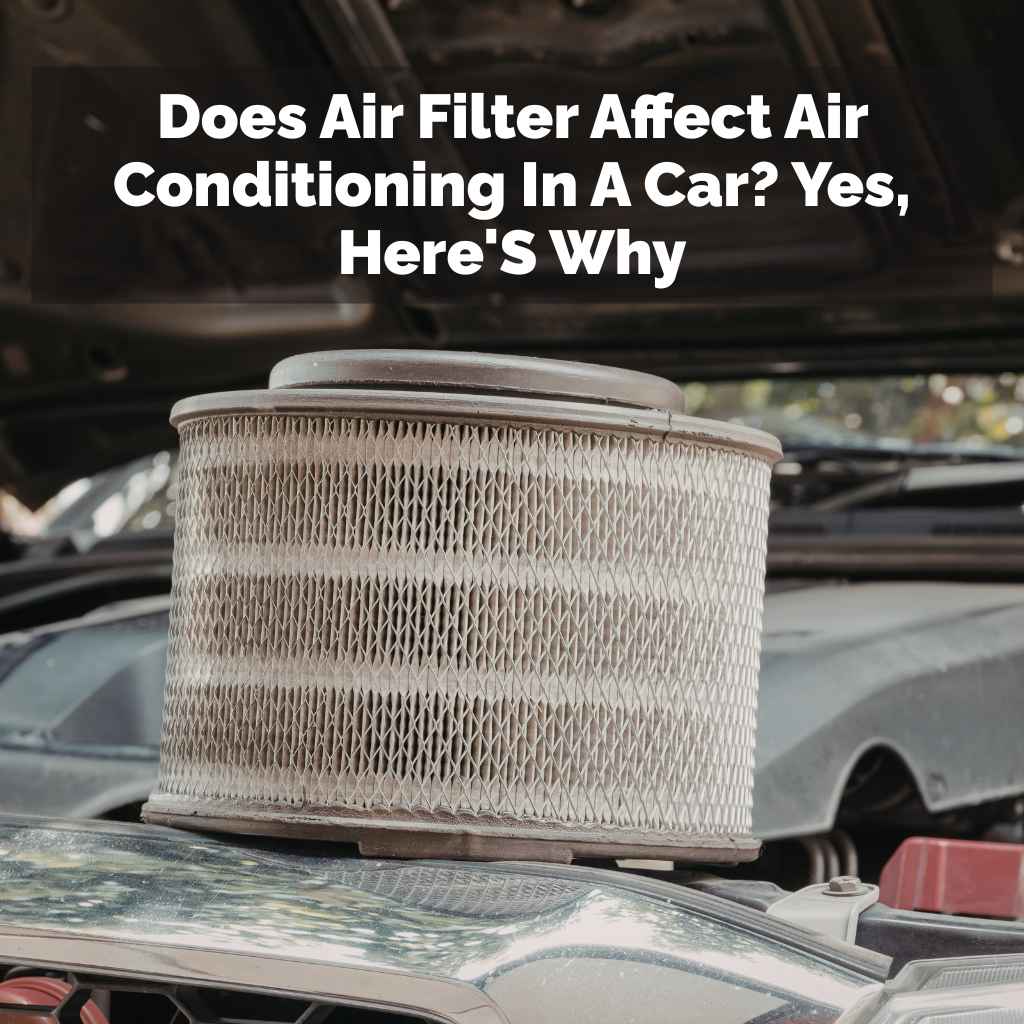
It’s a piece of filter material. It looks like a folded paper or a dense mesh. When the AC fan blows air, it has to push that air through this filter.
If the filter is clean, the air moves through easily. But if it’s packed with dirt, it’s like trying to breathe through a thick blanket.
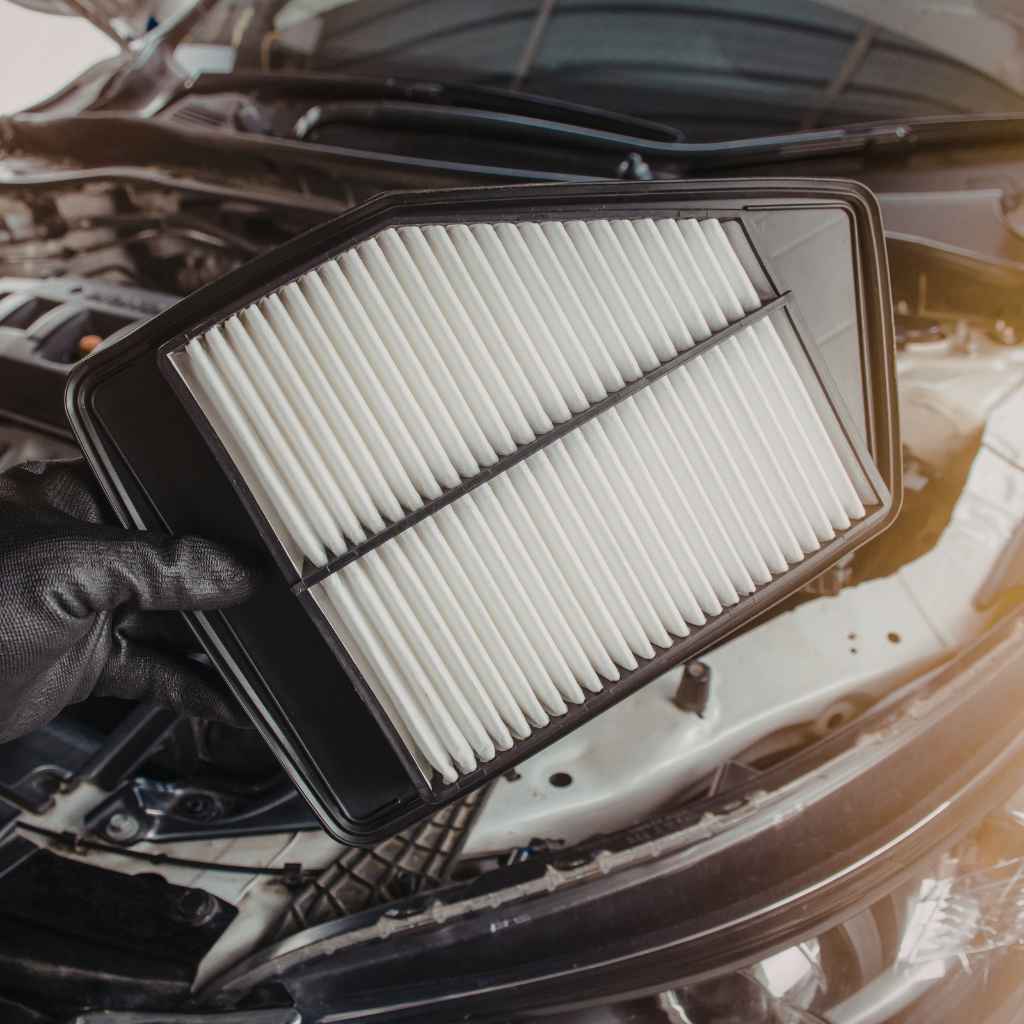
Why a Dirty Filter Kills Your AC’s Vibe
Let’s break down how a clogged air filter messes with your AC. It’s not magic. It’s just physics.
And a bit of common sense when you see it.
First, the biggest impact is on airflow. Your AC system needs air to flow over its cold coils. This is how it cools the air down.
If the filter is blocked, less air can get through. Imagine a fan trying to blow air through a clogged vacuum cleaner bag. It struggles.
Your car’s AC blower motor struggles too.
When airflow is weak, the AC can’t cool the cabin as well. Even if the system itself is working perfectly. The cold air just doesn’t get pushed out with much force.
You might get some cool air, but it won’t feel as cold. And it won’t reach all parts of the car. This leads to hot spots.
And a generally uncomfortable ride.
Also, the blower motor has to work harder. To try and force air through the blocked filter, the motor spins faster. Or it runs for longer periods.
This puts a strain on the motor. Over time, this can cause the motor to wear out. And eventually fail.
Replacing a blower motor is no small job. And it costs a good amount of money.
Another thing happens. When the air can’t flow freely, the system can get too cold in some spots. The evaporator coil inside your AC system can freeze over.
This happens because the warm air isn’t moving over it fast enough. Ice builds up. This ice blocks airflow even more.
And it stops the cooling process. You might hear strange noises. Or the AC might stop blowing cold air altogether.
Finally, a struggling AC system uses more fuel. Your car’s engine has to power the AC compressor. If the system is working overtime because of a bad filter, the engine works harder.
This means you’ll burn more gas. So, a simple filter issue can actually cost you money at the pump.
My Own Close Call With a Dusty Filter
I remember this one summer. It was sweltering hot, like the kind of heat that makes you sweat just standing still. I was driving my old sedan.
It had been a while since I’d really thought about its maintenance. I’d changed the oil. Checked the tires.
But the cabin air filter? Honestly, it wasn’t on my radar.
My AC had been acting up. It wasn’t blowing as cold as it used to. I figured the refrigerant was low.
Or maybe the compressor was on its way out. I was bracing myself for a hefty repair bill. I even called a mechanic to get an estimate.
He said he’d need to look at it first. But he warned me it could be pricey.
On the drive to his shop, I was feeling pretty miserable. The air coming out of the vents was barely cool. I felt this little pang of annoyance.
Why would my AC fail on the hottest day of the year? Then, as I was fiddling with the climate controls, I remembered reading something online once. About cabin air filters.
I decided to take a peek. I pulled over. Opened the glove box.
It was a bit of a puzzle to get it out. But after a few minutes, there it was. And oh boy.
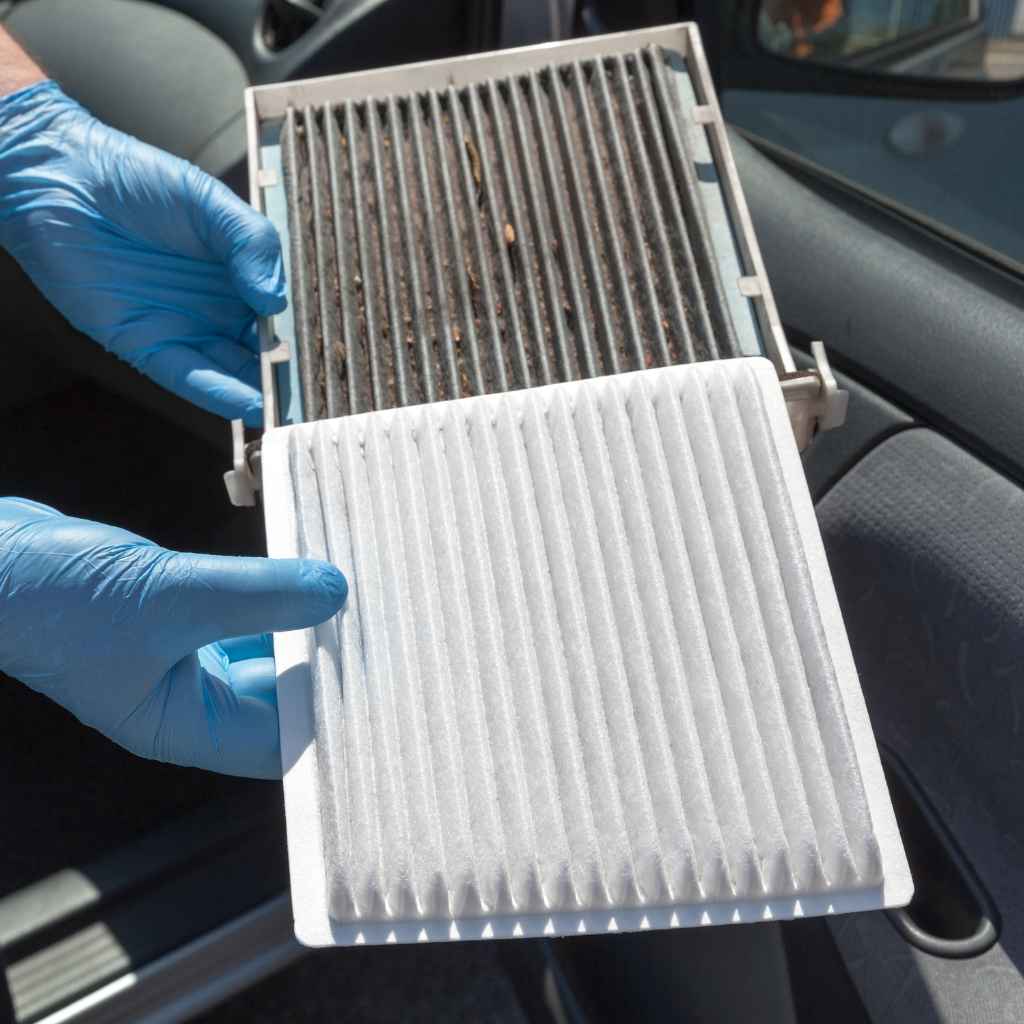
It looked like it had been through a sandstorm. It was caked in thick, grey dust. You could barely see the filter material.
It was completely clogged.
I went to the nearest auto parts store. Bought a new filter. It cost me maybe $20.
I swapped it out right there in the parking lot. It took maybe five minutes. I got back in the car.
Turned the AC on. And it was like night and day. The air came out strong and ice cold.
I couldn’t believe it.
That $20 filter saved me a mechanic’s visit and potentially hundreds of dollars. It taught me a huge lesson. Never underestimate the power of simple maintenance.
And the impact of a little part you can’t even see.
Cabin Air Filter: Quick Check Guide
What to look for:
- Color: A new filter is usually white or off-white. If yours is grey, black, or brown, it’s dirty.
- Texture: Feel the filter. If it’s stiff, hard, or you can’t see through it, it’s clogged.
- Debris: Hold it up to the light. Can you see leaves, bugs, or thick dust?
Where it’s usually found:
- Behind the glove compartment (most common).
- Under the dashboard on the passenger side.
- Under the hood near the windshield wipers (less common for cabin filters).
When Does the Filter Need Replacing?
This is a question many car owners ask. And the answer isn’t always a set number. But there are good guidelines.
Most car manufacturers recommend replacing the cabin air filter. This is usually every 12,000 to 15,000 miles. Or once a year.
Whichever comes first.
However, this is just a general rule. Several things can make you need to replace it sooner. Think about where you drive.
If you live in a dusty area, like near a desert or construction zones, your filter will clog faster. If you drive on dirt roads often, the same applies.
Are there a lot of trees where you live? This means more pollen and leaves. Especially in the fall, leaves can get sucked in.
They can block the filter quickly. If you live in a city with lots of traffic and pollution, your filter will also get dirty faster.
Do you or your passengers have allergies? Or asthma? If so, changing the filter more often is a really good idea.
A clean filter means cleaner air for you to breathe. This can make a big difference for your health and comfort. Some people choose to replace it every six months if they have severe allergies.
Also, pay attention to your car. If you notice a drop in AC performance. Or if you smell musty odors when you turn on the AC.
These are often signs that your cabin air filter needs checking. And likely replacing. Don’t wait until the AC stops working.
Proactive replacement is much cheaper.
Bench testing on clogged cabin filters has found reductions in cabin cooling capacity of up to 35%, with a clean filter cutting compressor runtime by 10-15% as the system reaches its set temperature faster.
It really shows how important this one part is.
Signs Your Cabin Air Filter Needs Attention
- Reduced AC/Heater Output: Airflow from vents is weak.
- Lingering Odors: Musty, stale, or unpleasant smells when the fan is on.
- Increased Allergy Symptoms: Sneezing, coughing, or watery eyes while driving.
- Noisy Blower Motor: Motor strains or makes unusual sounds.
- Foggy Windows: Windows fog up quickly, especially with the AC on.
The Engine Air Filter vs. The Cabin Air Filter: What’s the Diff?
It’s easy to get these two confused. They both filter air. But they do very different jobs.
And they are in different places.
The engine air filter is all about your car’s engine. Its job is to clean the air that goes into the engine for combustion. Engines need a lot of air to run.
This filter prevents dust, dirt, and debris from getting into the engine. Small particles can damage engine parts over time. So, this filter is crucial for engine health and performance.
The cabin air filter, as we’ve discussed, is for the air that comes into the car’s interior. It’s for your comfort and health. It cleans the air you breathe.
It doesn’t directly affect how the engine runs. But it’s vital for the AC and heating system’s efficiency.
Generally, the engine air filter needs to be checked and replaced more often than the cabin air filter. But both are essential. Many people know about the engine air filter because it’s often easier to access.
And its impact on how the car drives is more direct. The cabin filter’s impact is more on comfort and AC system longevity.
Think of it like this: the engine air filter is for the car’s body to breathe. The cabin air filter is for the passengers inside to breathe. Both need clean air to function at their best.
Engine Air Filter vs. Cabin Air Filter: Key Differences
Engine Air Filter:
- Purpose: Cleans air for engine combustion.
- Location: Under the hood, connected to the engine’s air intake system.
- Impact: Engine performance, fuel economy, engine life.
- Replacement Frequency: Often every 10,000-15,000 miles.
Cabin Air Filter:
- Purpose: Cleans air entering the car’s interior for passengers.
- Location: Usually behind the glove box or under the dash.
- Impact: AC/heater performance, air quality inside the car, blower motor life.
- Replacement Frequency: Often every 12,000-15,000 miles or yearly.
Cabin vs. Engine Air Filter: Which One Actually Controls Your AC?
A quick clarification most guides skip: the engine air filter (under the hood) has nothing to do with your AC’s cooling power. Only the cabin air filter, behind the glove box, sits in the path of the air your AC blows into the car. Confusing the two sends people hunting under the hood for an AC problem that’s actually behind the dashboard.
📊 A clogged cabin filter can cut cabin cooling capacity by up to 35%, while a clean filter typically cuts AC compressor runtime by 10-15% since the system reaches its set temperature faster. — Source: automotive HVAC bench-testing data reported by industry repair-shop technicians.
Best Cabin Air Filter Pick
EPAuto CP285 Premium Cabin Air Filter with Activated Carbon
An activated-carbon replacement filter that traps dust, pollen, and odors better than the thin single-ply filters some shops install by default.
- Best for: Restoring full AC airflow and cooling power
- Why we picked it: Activated carbon layer also fights the musty odor this guide covers
- Main drawback: Fitment is vehicle-specific, so confirm your model first
Compare more cabin air filter fitments
 Option 1 Puroma Cabin Air Filter with Activated Carbon (Toyota/Lexus fit)
|
 Option 2 Puroma Cabin Air Filter with Activated Carbon (Honda/Acura fit)
|
 Option 3 EPAuto CP134 Premium Cabin Air Filter with Activated Carbon
|
As an Amazon Associate we earn from qualifying purchases.
The Ripple Effect: More Than Just Cool Air
We’ve touched on this, but let’s really drive it home. A neglected cabin air filter doesn’t just mean less cold air. It’s a domino effect.
Reduced Fuel Efficiency: When the AC system works harder, the engine works harder. This means more fuel is burned. Over time, this adds up.
Especially with today’s gas prices. A simple filter replacement can save you money on gas. It’s a direct link between a small part and your wallet.
Wear and Tear on Components: As mentioned, the blower motor is a big one. It’s designed to move a certain amount of air. When it’s forced to push air through a thick blockage, it’s stressed.
This can lead to premature failure. Other parts of the AC system can also be affected. Like the evaporator.
If it freezes over, it can be damaged.
Air Quality and Health: This is huge. The cabin filter isn’t just about comfort. It’s about health.
It traps pollen, dust mites, mold spores, exhaust fumes, and other pollutants. If the filter is full, these particles can be recirculated into the cabin. Or they can start to grow mold and mildew on the filter itself.
This is what causes that musty smell. Breathing this air can be bad for anyone. But it’s especially concerning for people with asthma, allergies, or other respiratory issues.
System Overheating: In some extreme cases, a totally blocked filter can cause the AC system to overheat. This is because the lack of airflow prevents the system from dissipating heat properly. This can lead to temporary shutdowns or even damage to the compressor.
It’s a chain reaction. A dirty filter starts a cascade of problems. All stemming from one small, inexpensive part.
It’s the definition of proactive maintenance paying off.
Real-World Scenarios: Where Filter Issues Shine
Let’s think about where and when you might notice these filter problems the most. The environment plays a big role.
The Dusty Road Driver: If you live out in the country. Or frequently drive on unpaved roads. Your car kicks up a lot of dust and dirt.
This fine particulate matter gets everywhere. It will clog your cabin air filter much faster than someone who sticks to paved highways. In these conditions, checking the filter every six months might be wise.
The City Commuter: City driving means stop-and-go traffic. And higher concentrations of exhaust fumes. Also, consider construction zones.
These release a lot of airborne particles. Your filter is constantly working to keep this out of your car. This constant bombardment means it will fill up quicker.
The smell of exhaust can even start to seep into the cabin if the filter is too full.
The Allergy Sufferer: For people with seasonal allergies. Or year-round sensitivities. The cabin air filter is their first line of defense.
When pollen counts are high. Or when grass is being cut nearby. A clean filter is essential.
A clogged filter can’t trap these allergens effectively. Making your commute an uncomfortable experience. Some newer cars even have special filters designed to trap finer allergens.
The Car That Sits: Even if you don’t drive much, your cabin filter can degrade. If a car sits for a long time, especially outside, dust and debris can settle on the filter. Small insects might even make a home there.
Moisture can also cause mold or mildew to grow on the filter material. So, even low mileage cars benefit from annual filter replacement.
The “New Car Smell” Fader: Ever notice how that new car smell eventually fades? A big part of that is the off-gassing from new materials. But as your car ages, other smells can start to creep in.
Mold, old food particles, pet dander. A clean cabin filter helps to keep these odors at bay. A dirty one just traps them and makes them worse.
Cabin Filter Impact Zones
High-Dust Environments:
- Rural roads
- Construction areas
- Desert climates
High-Pollution Environments:
- Heavy city traffic
- Industrial zones
- Areas with frequent smog
Allergy Hotspots:
- Near farms or fields
- Areas with abundant flowering trees/plants
- During peak pollen seasons
What Does This Mean For You? Simple Checks You Can Do
So, how do you know if your filter is the culprit? And what should you do about it? It’s simpler than you think.
When it’s normal: It’s normal for your AC to work slightly less efficiently in extreme heat. Or for your heater to struggle a bit on the coldest days. These are system limits.
It’s also normal to hear the fan running. And to feel air coming from the vents.
When to worry: You should worry if there’s a noticeable drop in airflow. If the air coming out is warm when it should be cold. Or if you smell bad odors.
If the blower motor sounds strained. Or if your windows fog up constantly when you use the AC. These are all red flags pointing to a potential cabin air filter issue.
Simple checks: The easiest check is visual. Consult your car’s manual to find the cabin air filter location. Most likely, it’s behind the glove box.
You’ll usually need to unclip or unscrew the glove box to access it. Once you can see the filter, take it out. Hold it up to the light.
If you can barely see light through it, it’s time for a new one. If it’s thick with dirt, dust, or debris, it’s time. If it looks significantly discolored (dark grey, black, or brown), it’s time.
It’s a very straightforward visual inspection.
What if it’s not the filter? If you check your filter and it looks perfectly clean, then the issue might be elsewhere. It could be low refrigerant. A failing blower motor.
Or a problem with the AC compressor. In those cases, it’s time to see a mechanic. But checking the filter first is always the cheapest and easiest step.
I’ve had friends who spent hundreds of dollars on AC repairs. Only to find out it was just a dirty cabin filter. It’s a common oversight.
But an easy one to catch.
Quick Fixes and Tips for a Happy AC
Here are some tips to keep your car’s AC running smoothly. And to make sure your cabin filter is doing its job.
- Check Your Manual: Always refer to your car’s owner’s manual. It will tell you the recommended replacement interval for your specific make and model. It will also show you exactly where the cabin air filter is located.
- Inspect Regularly: Even if you’re not at the recommended mileage, make it a habit to check your filter. Do it when you get your oil changed. Or once a year. It takes minutes.
- Use Quality Filters: When you buy a replacement, choose an OEM or reputable activated-carbon filter — cheap single-ply filters clog faster and trap fewer particles.
- Consider Your Driving Habits: If you drive in dusty or polluted areas, plan to replace your filter more often than the standard recommendation.
- Don’t Forget the Smell Test: If you notice any musty or strange smells when you turn on your AC or heater, check your cabin air filter immediately.
- Cleanliness is Key for Allergies: If you or your family members suffer from allergies or asthma, consider replacing your cabin air filter every six months, regardless of mileage.
- DIY is Easy: In most cars, changing the cabin air filter is a simple DIY task. You don’t need special tools. This can save you money on labor costs at a repair shop.
- Run Your Fan: Even when you don’t need the AC or heat, running the fan periodically can help circulate air and prevent moisture buildup within the system.
Pro Tips for Filter Care
Set a Reminder: Use your phone or calendar to remind you when it’s time to check or replace your cabin air filter. Annual reminders are great!
Keep a Spare: If you drive in very harsh conditions, consider keeping a spare filter in your trunk. You might need it sooner than you think.
Proper Disposal: Old filters are generally not recyclable. Dispose of them in your household trash.
Frequently Asked Questions About Car Air Filters and AC
Does a dirty air filter really affect my car’s AC cooling power?
Yes, absolutely. A clogged air filter restricts the amount of air that can flow through your AC system. This means less air passes over the cold evaporator coils.
So, the air that does come out won’t be as cold. It makes your AC work much harder to try and cool the cabin.
How often should I replace my car’s cabin air filter?
Most car manufacturers recommend replacing the cabin air filter every 12,000 to 15,000 miles or once a year. However, if you drive in dusty or polluted areas, or if you have allergies, you may need to replace it more often, perhaps every six months.
Can a cabin air filter cause my AC to make strange noises?
Yes, it can. When the filter is clogged, the blower motor has to work harder to push air through it. This extra strain can cause the motor to make whining, groaning, or buzzing noises.
In some cases, the increased air pressure against the blockage can also create whistling sounds.
What is the difference between a cabin air filter and an engine air filter?
The cabin air filter cleans the air that enters your car’s interior for passenger comfort and health. The engine air filter cleans the air that goes into your car’s engine for combustion. They serve different purposes and are located in different places.
A dirty cabin filter affects AC performance, while a dirty engine filter affects engine performance.
My car smells musty when I turn on the AC. Is it my cabin filter?
A musty smell is a very common sign of a dirty or moldy cabin air filter. The filter traps moisture, dust, and organic debris, which can lead to mold and mildew growth. Replacing the filter usually solves this problem.
It’s also a good idea to have your AC system cleaned.
Is it expensive to replace a cabin air filter?
No, replacing a cabin air filter is typically very inexpensive. The filters themselves usually cost between $15 and $40. For most cars, it’s a DIY job that takes only a few minutes and requires no special tools.
This makes it one of the most cost-effective maintenance tasks you can do.
Final Thoughts on a Breath of Fresh Air
So there you have it. A tiny piece of cardboard and filter material holds a lot of power over your car’s comfort. It’s easy to overlook.
But the impact of a dirty air filter on your air conditioning system is significant. From reduced cooling power to increased fuel use and potential damage to your AC components.
Taking a few minutes each year to check and replace your cabin air filter is a smart move. It’s a simple step that keeps your AC running at its best. It ensures you breathe cleaner air.
And it can save you money in the long run. Don’t let a clogged filter ruin your drive. Keep it clean, and enjoy a cool, comfortable ride.
Products related to this article
Sponsored / affiliate links. As an Amazon Associate I earn from qualifying purchases. I may earn additional commission from eligible campaigns.
 Set of 4 PA30093 cabin air filter with Activated Carbon Fits for Kenworth T680 T700 T800 T880 Peterbilt 567 579 Cummins ISX ISX12 ISX15 X15 ISXG Replace X19987001 AF55839 P640110
 Lueytut 16 PCS Car Air Conditioning Valve Core Kit, R134a R12 Valve Core Repair Accessory with Disassemblyl Tool, Universal AC System Charging Port Maintain Accessories, for Most Cars (Black)