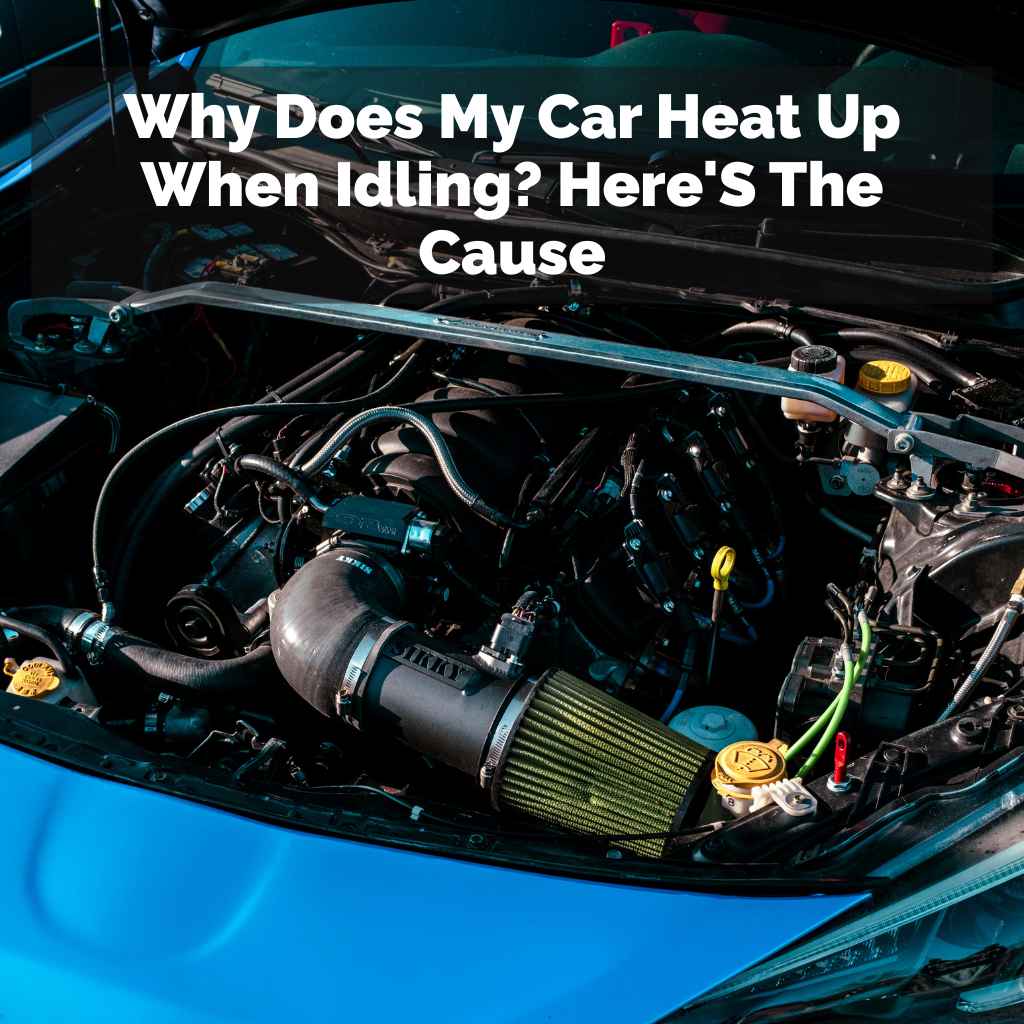
Why Does My Car Heat Up When Idling? Here’S The Cause
It’s a worrying sound. Your car’s temperature gauge creeps up. You’re just sitting there, not even driving. This can make anyone nervous, especially when you’re stuck in traffic or waiting for someone. Why does your car get hot when it’s not moving?
It feels like it shouldn’t happen. When you drive, air rushes over the engine. This helps cool it down. So, when the car is stopped, that airflow stops too. The cooling system has to work harder. It relies on other parts to keep things chill.
We’ll break down the main reasons this happens. You’ll learn what to look for. You’ll understand how the system works. This knowledge helps you spot problems early. It can save you a lot of stress and money later on.
When your car’s engine heats up while idling, it means the cooling system isn’t removing heat fast enough without airflow from driving. Common culprits include low coolant, a faulty thermostat, radiator fan issues, or a blocked radiator.
Understanding Your Car’s Cooling System
Your car’s engine makes a lot of heat when it runs. This heat needs to go somewhere. If it builds up too much, parts can break. That’s where the cooling system comes in. It uses a special liquid called coolant.
Coolant flows through small channels in the engine. It picks up the extra heat. Then, it travels to the radiator. The radiator is at the front of your car. It has lots of thin metal fins. Air passes through these fins. This cools the hot coolant inside.
A water pump pushes the coolant around. A thermostat controls the flow. It opens when the engine is hot. This lets coolant reach the radiator. When the engine is cold, it stays closed. This helps the engine warm up faster. It’s a smart system designed to keep things just right.
The Role of the Radiator Fan
When you’re driving, the car’s speed pushes air through the radiator. This is usually enough. But when you’re stopped, there’s no speed. That’s when the radiator fan becomes super important. It’s like a big, powerful fan attached to the radiator.
This fan turns on automatically. It kicks in when the coolant gets too hot. It sucks air through the radiator. This helps cool the liquid even when the car is not moving. If this fan isn’t working right, your car can overheat at idle.
What Happens When Airflow Stops?
Driving provides natural cooling. Air rushes past the car. It goes through the radiator’s fins. This takes heat away from the coolant. When your car is idling, this natural airflow is gone. The cooling system has to work harder.
It relies on the fan and the coolant itself. The water pump keeps circulating the coolant. The thermostat opens to let it flow. But without that external airflow, the radiator can’t get rid of heat as fast. The temperature can start to climb.
Common Causes of Overheating at Idle
There are several reasons your car might heat up more when it’s stopped. Most of them point to a problem with the cooling system. Let’s look at the most common ones.
1. Low Coolant Level
This is often the simplest fix. Coolant is the lifeblood of the system. It absorbs engine heat. If there isn’t enough of it, it can’t do its job well. The system needs to be full to work properly.
Low coolant can happen from leaks. It can also happen if it just evaporates over time. You should check your coolant level regularly. It’s usually a clear or colored liquid in a plastic tank. Make sure it’s between the min and max lines.
2. Faulty Radiator Fan
As we talked about, the fan is key when you’re stopped. If it’s not spinning, or not spinning fast enough, heat builds up. The fan has an electric motor. It can fail. Sometimes a fuse or relay for the fan blows.
You can often tell if the fan is working. Let your car idle until it gets warm. Listen for the fan to turn on. You might also see it spinning. If it’s not, that’s a big clue. It needs to be fixed.
3. Clogged Radiator
The radiator has many small tubes. Coolant flows through these tubes. Over time, rust and gunk can build up inside. This makes the tubes narrow. It blocks the flow of coolant.
A blocked radiator can’t cool the coolant effectively. Even if the fan is working, the hot liquid can’t pass through easily. This causes the engine temperature to rise, especially when idling. You might see rust-colored coolant if this is the case.
4. Bad Thermostat
The thermostat controls coolant flow. It’s like a valve. It stays closed when the engine is cold. This helps it warm up fast. Once it reaches a certain temperature, it opens. This lets hot coolant go to the radiator.
If the thermostat gets stuck closed, coolant can’t reach the radiator. The engine will overheat. This can happen even when you’re driving. But it will definitely cause issues when idling. The engine keeps making heat, but the coolant can’t escape.
5. Water Pump Failure
The water pump is driven by the engine. It’s what moves the coolant. If the pump’s impeller is damaged or worn, it won’t move enough fluid. The coolant sits in the engine, getting hotter and hotter.
A failing water pump can make a whining sound. Sometimes it leaks coolant from its housing. It’s a critical part. If it stops working, the engine will overheat very quickly.
My Own Stumble with an Overheating Engine
I remember one sweltering summer day. I was stuck in a really bad traffic jam. It was the kind where you barely move for an hour. My car’s temperature gauge started creeping up. I started to panic a little. I looked at the needle. It was nearing the red zone.
My heart sank. I had never had a car overheat before. I pictured a tow truck and a huge repair bill. I turned off the AC, hoping that would help. The engine still felt hot. I started thinking about what could be wrong. Was it the fan? Was the coolant low?
I was so focused on the rising needle. I kept glancing at it. The air inside the car got hotter too. The sweat was dripping down my back. Then, I remembered my dad telling me about this. He said sometimes the fan clutch can go bad. Or the fan motor itself.
The traffic finally started to move a little. As I picked up speed, I watched the gauge. Slowly, it started to come back down. It went back to the normal spot. I felt a huge wave of relief. That experience taught me a lot. It showed me how much I relied on that airflow. And it made me realize I needed to check my fan more often.
Signs of a Cooling System Problem
Besides the temperature gauge rising, there are other signs. You might see steam coming from under the hood. This is usually a sign of a coolant leak. The coolant is very hot and turning into steam. Don’t open the radiator cap when this happens! It’s under pressure and can scald you badly.
You might also notice a sweet smell. This is often leaking coolant. It has a distinct smell, sometimes like syrup. You might also see puddles of colored liquid under your car. This is a clear sign of a leak.
Sometimes, you might hear strange noises. A bad water pump can whine or groan. A fan that’s going bad might make a rattling or grinding sound. These sounds are not normal. They often point to a part that needs attention.
Checking Your Coolant Level
Checking your coolant is a simple step. It’s something most people can do. First, make sure your engine is cold. Never open the radiator cap when the engine is hot. You can get seriously burned.
Find the coolant reservoir. It’s usually a translucent plastic tank. It will have “Min” and “Max” lines on it. The coolant level should be between these two lines. If it’s low, you can add coolant. Use the type recommended in your car’s manual. You can buy it at auto parts stores.
If you have to add coolant often, you likely have a leak. This is something you need to get checked. A small leak can become a big problem.
How to Test Your Radiator Fan
You can usually test your radiator fan yourself. Let your car idle. Let it run for about 10-15 minutes. Keep the hood open. Your car’s engine should get warm. The fan should turn on by itself at some point.
If the fan doesn’t come on, there’s a problem. It could be the fan motor. It could be a fuse. It could be a sensor that tells the fan when to turn on. You might need to consult your car’s manual. Or, take it to a mechanic to diagnose.
What is a Thermostat in a Car?
A thermostat is a small metal valve. It sits in the engine’s cooling system. Its job is to control the flow of coolant. It helps the engine reach its ideal operating temperature. And then it helps keep it there.
When the engine is cold, the thermostat is closed. This stops coolant from going to the radiator. This helps the engine warm up faster. This is good for efficiency and emissions.
Once the engine reaches a certain temperature, the thermostat opens. It’s usually around 180-200 degrees Fahrenheit. This allows hot coolant to flow to the radiator. The radiator then cools the coolant down. Then it flows back to the engine.
If the thermostat gets stuck closed, the hot coolant can’t get to the radiator. The engine will overheat. If it gets stuck open, the engine might take a very long time to warm up. Or it might not get warm enough. This also affects efficiency.
Understanding Coolant Types
Coolant is not just water. It’s a mix of antifreeze and water. Antifreeze stops the water from freezing in the winter. It also stops it from boiling over in the summer. It contains additives to prevent corrosion.
There are different types of coolant. They come in different colors. Common colors are green, orange, pink, and blue. It’s important to use the right type for your car. Your owner’s manual will tell you what to use. Mixing different types can damage your cooling system.
The Purpose of the Water Pump
The water pump is like the heart of the cooling system. It circulates the coolant. Without it, the coolant would just sit there. It wouldn’t be able to pick up heat from the engine. And it wouldn’t go to the radiator to get cooled.
The water pump is usually driven by a belt connected to the engine’s crankshaft. Some newer cars have electric water pumps. These are controlled by the car’s computer.
If the water pump fails, the engine will overheat very fast. You might hear a grinding or whining sound. You might also see a leak from the pump itself.
Experience: The Blocked Radiator and the “Sweet” Smell
I remember helping a friend with her car once. It was an older sedan. She complained that her car was getting hot. Especially when she was stuck in town. She said she could sometimes smell a weird, sweet smell.
We popped the hood. I looked around. I didn’t see any obvious leaks. The coolant level seemed okay. But the engine did feel quite hot. We let it run for a bit. The fan wasn’t coming on, which was odd. But the main concern was how hot the engine got.
I asked her if she had it serviced recently. She said not for a while. We took a closer look at the radiator. It looked a bit dirty on the outside. But the real problem was inside. The coolant that was circulating looked very dark. Almost black and rusty.
That was the sign. The inside of the radiator was likely clogged. The rust and sediment were blocking the flow. The sweet smell was probably coolant leaking slightly from a weak spot. Because the radiator was blocked, it couldn’t cool the engine properly.
We decided to flush the cooling system. This involves draining the old coolant. Then running a cleaner through it. And then refilling it with fresh coolant. It was a messy job. But after we did it, her car ran much cooler. The fan started working again too. It seemed like the system had been so stressed, something else gave out.
This taught me that even if you don’t see a big leak, clogs can be serious. And that sweet smell is a warning.
When Is It Normal for a Car to Heat Up at Idle?
It’s normal for your car’s temperature gauge to rise slightly when idling. Especially on a hot day. Or if you’ve been driving hard. The system is designed to handle this. It should not go into the red zone, though.
If the gauge goes up a little, and then comes back down as you start driving, that’s usually okay. It means the cooling system is working as intended. It’s managing the heat.
However, if the needle consistently climbs higher and higher. And it doesn’t come down. Or if it reaches the red zone. That’s when you have a problem.
What to Do If Your Car Starts Overheating
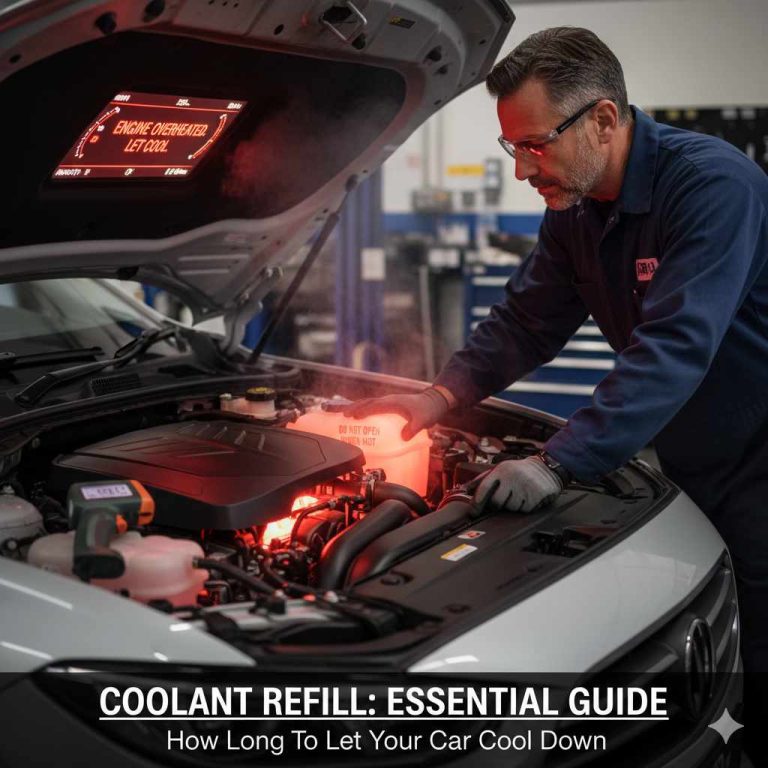
If your car’s temperature gauge goes into the red, pull over as soon as it’s safe. Don’t keep driving. You risk serious engine damage. Turn off the engine. Let it cool down completely. This can take an hour or more.
Once it’s cool, check the coolant level. If it’s very low, you can try adding coolant. But find out why it was low first. Was there a leak?
If you see steam, do not open the hood or the radiator cap. Wait for it to cool down completely.
If you’re not comfortable checking things yourself, call for roadside assistance. It’s better to be safe than sorry. A small problem can become a very expensive repair if ignored.
Checking for Leaks
Leaks are a common reason for low coolant. You can look for obvious signs. Check hoses for cracks or bulges. Look at the radiator itself for any wet spots or corrosion. Check the water pump area for drips.
Sometimes leaks are small. They might only show up when the engine is hot. Or they might be in places that are hard to see. If you suspect a leak, a mechanic can perform a pressure test. This will help find hidden leaks.
Other Potential Issues
Radiator Cap: The radiator cap seals the system. It also maintains pressure. If the cap is old or damaged, it might not seal properly. This can lead to coolant loss. It can also cause the coolant to boil at a lower temperature.
Head Gasket: A blown head gasket is a serious problem. It can cause coolant to leak into the engine cylinders. This can cause white smoke from the exhaust. It can also cause the engine to overheat.
Blocked Hoses: The hoses carrying coolant can collapse internally. This can restrict flow. It’s less common than a radiator clog, but it happens.
Real-World Scenario: A Hot Day in Phoenix
Imagine you’re driving through Phoenix in July. The outside temperature is 110 degrees Fahrenheit. You hit a long stretch of slow traffic. Your car’s air conditioner is blasting. The engine is working hard to power the AC and move the car.
Even with a healthy cooling system, the temperature gauge might creep up a little. This is normal. The system is under a lot of stress. But if it goes into the red, then something is wrong. The fan should be working overtime. The coolant should be circulating at its best.
If your car overheats in extreme heat like this, it’s a sign that your cooling system might be weak. Or it has a problem that the extra heat is exposing.
Your Car’s Cooling System: A Delicate Balance
The cooling system is a balance of parts working together. The pump pushes fluid. The thermostat controls flow. The radiator cools the fluid. The fan helps when there’s no air. The coolant itself does the heavy lifting.
Any one of these parts failing can cause problems. Especially when the car is idling. This is when the system relies most on its internal mechanisms. Not the natural airflow from driving.
What This Means for You
Understanding why your car heats up at idle is key. It’s not just a minor annoyance. It’s a warning sign. Ignoring it can lead to expensive repairs.
When It’s Normal
Slight rise in temperature on very hot days.
Slight rise after hard driving.
Gauge returning to normal as you drive.
When to Worry
Gauge steadily climbing into the red zone.
Steam coming from under the hood.
Sweet smell indicating coolant leak.
Strange noises from the engine bay.
Coolant warning light comes on.
Simple Checks You Can Do
Check coolant level when engine is cold.
Listen for the radiator fan to turn on.
Look for obvious leaks or damage to hoses.
Quick Tips for Cooling System Health
Regular Coolant Checks: Make it a habit to check your coolant level. Do it every few months. Or before a long trip.
Flush Your System: Follow your car’s maintenance schedule for coolant flushes. This removes old, dirty coolant. It prevents clogs.
Inspect Hoses and Belts: Look for cracks, leaks, or wear on hoses. Check belts for fraying or looseness.
Use the Right Coolant: Always use the type of coolant recommended in your owner’s manual.
Address Leaks Promptly: Don’t ignore small drips. They can get bigger.

Frequently Asked Questions
What should I do if my car overheats while driving?
If your car’s temperature gauge goes into the red, pull over safely and turn off the engine. Let it cool down completely before checking anything. Do not open the radiator cap while hot. If you are unsure, call for roadside assistance.
How often should I check my car’s coolant?
It’s a good idea to check your coolant level at least once a month. You should also check it before any long road trips, especially in hot weather.
Can I just add water to my car if the coolant is low?
In an emergency, you can add water to top off the coolant if it’s very low. However, you should use the correct type of antifreeze/coolant mix recommended by your car’s manufacturer as soon as possible. Pure water doesn’t offer the same protection against freezing and boiling.
What does a sweet smell from my car mean?
A sweet smell, often described as syrupy, usually indicates a coolant leak. Coolant is toxic, so it’s important to address leaks promptly and clean up any spilled coolant.
Is it bad if my car’s temperature gauge goes up a little when idling?
A slight rise in the temperature gauge when idling is often normal, especially on hot days or after heavy driving. The system should be able to cool itself down as you drive. However, if the gauge consistently goes higher or enters the red zone, it signals a problem.
How do I know if my radiator fan is working?
You can test your radiator fan by letting your car idle for about 10-15 minutes with the hood open. The fan should turn on automatically as the engine heats up. If it doesn’t, there is an issue with the fan or its related components.
Can a bad radiator cap cause overheating?
Yes, a faulty radiator cap can cause overheating. The cap maintains pressure in the cooling system, which raises the boiling point of the coolant. If the cap doesn’t seal properly, the system loses pressure, allowing the coolant to boil over at a lower temperature.
Final Thoughts on a Cool Engine
Keeping your car’s cooling system in good shape is vital. It’s not just about preventing overheating. It’s about making sure your engine runs smoothly. And lasts for a long time. Pay attention to your car’s signals. Those little quirks can save you big problems down the road.
Products related to this article
Sponsored / affiliate links. As an Amazon Associate I earn from qualifying purchases. I may earn additional commission from eligible campaigns.