Why Is My Car Running Cold? Causes & Easy Fixes
Your car running cold means the engine temperature gauge stays below its usual operating range. This often points to a faulty thermostat stuck open, low coolant levels, or issues with temperature sensors, impacting fuel efficiency and engine wear.
What It Means When Your Car Runs Cold
When your car’s engine runs too cold, it means it isn’t reaching its designed operating temperature. Think of your engine like your body. It works best when it’s at a specific, warm temperature.
When it’s too cold, things just don’t work as smoothly.
An engine’s temperature is carefully controlled. This is done mainly by the thermostat. It acts like a gatekeeper.
It opens and closes to let coolant flow. Coolant is the special fluid that keeps your engine from getting too hot or too cold. It circulates through the engine, absorbing heat.
Then, it goes to the radiator. The radiator lets that heat escape into the air.
If the engine stays too cold, the thermostat might be stuck open. This means coolant is always flowing, even when the engine is just starting up. So, the engine never gets a chance to warm up properly.
This constant flow stops the engine from reaching its happy temperature zone.
Another reason is low coolant. If there isn’t enough coolant, the system can’t regulate the temperature well. It might not be able to warm up, or it might not be able to cool down enough.
This can lead to the engine running cold or, sometimes, overheating.
Sometimes, the problem isn’t with the coolant flow. It could be a sensor. The engine coolant temperature (ECT) sensor tells the car’s computer how hot the engine is.
If this sensor is faulty, it might send wrong information. The computer then adjusts things incorrectly. This can make the car think it’s colder than it is.
It might then try to warm it up by running the engine richer, which wastes fuel.
All these issues mean your engine isn’t performing at its best. It’s like trying to run a race with chilly muscles. They just don’t perform as well.
This can lead to other problems down the road.
My Story: The Mysterious Cold Engine
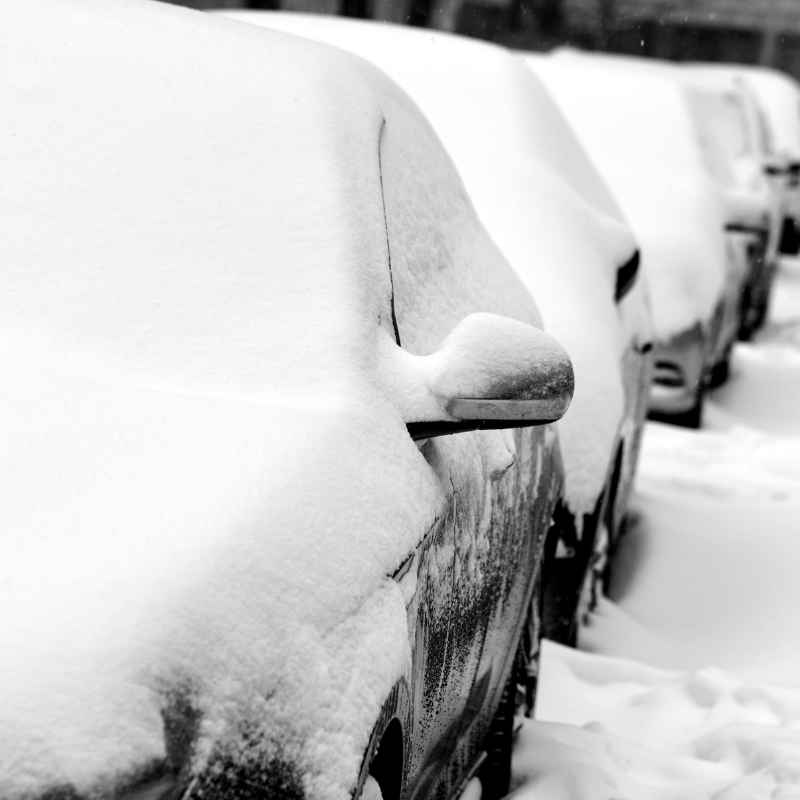
I remember this one time, a few winters ago. It was freezing outside, typical for January. I hopped in my old trusty sedan to run some errands.
As I pulled out of my driveway, I glanced at the dashboard. The temperature gauge was still sitting on the very bottom peg. I thought, “Okay, it’s cold out, it’ll warm up.”
I drove for about twenty minutes, mostly highway miles. I was listening to a podcast, lost in thought. Then, I realized with a jolt that the needle hadn’t moved an inch.
It was still cold. I felt a little knot of worry in my stomach. My car usually warms up pretty quickly.
This felt wrong.
I pulled into a gas station, trying to shake off the unease. I popped the hood, even though I’m not a mechanic. I just looked around.
Everything seemed… normal? No obvious leaks, no strange smells. I finished my errands, but the temperature gauge stayed stubbornly low the entire time.
It felt like I was driving around with my car’s jacket still on. I ended up taking it to my mechanic later that week. Turns out, the thermostat was indeed stuck open.
He replaced it, and like magic, the needle climbed to its normal spot on the gauge. It was a simple fix, but it taught me a valuable lesson about paying attention to even the small warning signs.
Temperature Gauge Basics
What is the normal range? Most car temperature gauges have a “normal” zone marked. This is usually somewhere in the middle of the gauge. Your engine is happiest here.
What does a low reading mean? If the needle stays on the left or bottom part of the gauge, the engine is too cold. This is what we’re talking about.
What does a high reading mean? If the needle goes to the right or top, the engine is overheating. This is a more urgent problem.
What if the gauge flickers? This can mean a loose connection or a failing sensor. It’s worth checking out.
Common Culprits Behind a Cold Engine
There are a few main reasons why your car might be running cold. They often involve the cooling system. This system is a network of parts working together to keep your engine at the right heat.
1. The Thermostat Stuck Open
This is the most common cause. The thermostat is a small, metal valve. It’s usually located where the engine’s coolant hoses connect to the engine block.
Its job is to control coolant flow. When the engine is cold, the thermostat stays closed. This stops coolant from going to the radiator.
This way, the engine warms up faster.
Once the coolant reaches a certain temperature, the thermostat opens. This lets hot coolant flow to the radiator. The radiator then cools it down.
If the thermostat gets stuck in the open position, coolant will always flow to the radiator. Even when the engine is cold, the coolant is being cooled. The engine never gets a chance to reach its normal operating temperature.
Symptoms of a thermostat stuck open include:
- The temperature gauge staying low.
- The heater blowing cool air, even when the engine should be warm.
- Poor fuel economy.
2. Low Coolant Level
Coolant, also called antifreeze, is vital. It circulates through your engine to manage heat. If your coolant level is too low, the system can’t do its job properly.
This can lead to the engine not warming up enough.
Low coolant can happen due to leaks. These leaks can be small and slow, or they can be quite obvious. You might see puddles of colored liquid under your car.
The color is usually green, orange, pink, or yellow.
If the coolant level is low, the engine might not reach its optimal temperature. This is because there isn’t enough fluid to absorb and transfer heat effectively. It’s like trying to fill a bathtub with a trickle of water; it takes a long time to get warm.
3. Faulty Engine Coolant Temperature (ECT) Sensor
This sensor is like the engine’s thermometer. It measures the coolant’s temperature. It then sends this information to the car’s computer (ECU).
The ECU uses this data to control various engine functions. These include fuel injection, ignition timing, and the cooling fans.
If the ECT sensor fails, it can send incorrect readings. A common failure is sending a reading that’s much colder than the actual engine temperature. The ECU then thinks the engine is always cold.
In response, it might command the engine to run “rich.” This means it injects more fuel than usual. This can improve warm-up but wastes gas. It also doesn’t fix the underlying problem.
Symptoms of a faulty ECT sensor include:
- The temperature gauge reading incorrectly (often too low).
- Check Engine light coming on.
- Poor fuel economy.
- Rough idling.
- Increased exhaust emissions.
Coolant vs. Antifreeze
What’s the difference? Antifreeze is the concentrated chemical. Coolant is the mixture of antifreeze and water. You buy antifreeze and mix it with water, or buy pre-mixed coolant.
Why mix it? Water alone boils too easily. Antifreeze alone is too thick. The mix is best for temperature control and preventing rust.
What type? Different cars use different types of coolant. Check your owner’s manual. Using the wrong type can cause damage.
How often to change? Most manufacturers recommend changing coolant every 30,000 to 50,000 miles. Some newer coolants last longer.
4. Cooling Fan Issues
While often associated with overheating, cooling fans can also play a role in an engine running too cold. This is less common but can happen. The cooling fan helps draw air through the radiator when the car is moving slowly or stopped.
If the fan runs constantly, even when it’s not needed, it could over-cool the engine. This might be due to a faulty fan relay or temperature switch. The fan is supposed to kick on when the engine reaches a certain temperature and turn off when it cools down.
If it stays on, it keeps cooling the coolant more than necessary.
This is more likely to be an issue in warmer weather when the engine naturally generates more heat. However, in very cold weather, a fan stuck on could contribute to keeping the engine temperature down.
5. Radiator Cap Problems
The radiator cap does more than just seal the radiator. It’s a pressure valve. It keeps the cooling system under pressure.
This pressure raises the boiling point of the coolant. A faulty radiator cap might not hold pressure properly. This can cause the coolant to boil at a lower temperature.
While this usually leads to overheating, it can sometimes impact the overall temperature regulation. If the system can’t maintain the correct pressure, the coolant’s efficiency can be compromised. This can make it harder for the engine to reach and maintain its ideal operating temperature.
Quick Checks for Coolant Leaks
Look under your car: Check for colored puddles after the car has been parked.
Inspect hoses: Look for cracks, bulges, or wet spots on hoses and connections.
Check the radiator: Look for signs of corrosion or leaks on the radiator itself.
Examine the reservoir: Make sure the coolant overflow reservoir is at the correct level when the engine is cold.
Real-World Scenarios and Habits
Understanding why your car runs cold also involves looking at where and how you use it. Certain driving habits and environments can contribute to or highlight these issues.
Driving in Cold Climates
If you live in a place with very cold winters, you’ll notice engine temperature issues more. The outside air is already cold. This makes it harder for the engine to warm up.
In these conditions, a slightly faulty thermostat or a small coolant leak can become very apparent. The engine just struggles to reach its normal operating temperature.
In these regions, car manufacturers design cooling systems to work efficiently in both hot and cold weather. But extreme cold puts extra strain on these systems. It means that components like the thermostat and radiator need to be in top condition.
Short Trips and Stop-and-Go Traffic
If you mostly take short trips, your car might not get hot enough. For example, driving only a few miles to the grocery store. The engine might start warming up, but before it reaches its optimal temperature, you turn it off.
Over time, this can prevent the engine from reaching its ideal operating heat. It’s like skipping your warm-up before exercising.
Similarly, a lot of stop-and-go driving in traffic can affect temperature. While the engine is running, it’s not getting much airflow through the radiator. This is usually when the cooling fans are crucial.
If there are issues with the fans or thermostat, this situation can make the engine run cooler than it should.
Aging Vehicles
Older cars are more prone to cooling system problems. Rubber hoses can become brittle and crack. Metal parts like the radiator and thermostat can corrode and develop leaks.
Seals can degrade over time. This means that regular maintenance is even more important for older vehicles.
A car that’s ten or fifteen years old might have parts that are nearing the end of their lifespan. A thermostat that has served well for years might finally start to falter. A radiator might have small pinhole leaks that worsen with age and pressure cycles.
Impact on Engine Oil
Why it matters: Engine oil needs to reach a certain temperature to lubricate effectively. When the engine runs too cold, the oil might not get hot enough. This can prevent it from thinning out properly.
Thicker oil: Thicker oil means more friction. This can increase wear on engine parts over time.
Moisture buildup: Cold engines can lead to condensation. This moisture can mix with the oil. It can form a sludgy substance.
This sludge can block oil passages.
Reduced efficiency: The engine won’t run as smoothly or efficiently when the oil isn’t at its best working temperature.
What This Means for You and Your Car
An engine that consistently runs too cold isn’t just a minor annoyance. It can lead to several problems that affect your car’s performance, efficiency, and longevity.
Reduced Fuel Economy
This is one of the most noticeable effects. When the engine is too cold, the car’s computer injects more fuel. It does this to try and warm the engine up.
This is called running “rich.” So, you’ll find yourself visiting the gas station more often. This wastes money and is bad for the environment.
Think of it like wearing a thick coat on a mild day. You’re using more energy than you need to. Your car is burning more fuel than it should.
This inefficiency can add up significantly over time. Your miles per gallon will drop.
Increased Engine Wear
Engines are designed to operate within a specific temperature range. This is where all the parts fit together perfectly and the oil flows best. When an engine runs too cold, several things happen that increase wear.
First, the combustion process isn’t as efficient. This can lead to unburnt fuel entering the exhaust. It can also mean less effective lubrication.
The oil might not get hot enough to thin out properly. Thicker oil causes more friction between moving parts. This friction wears them down faster.
Second, cold engines can lead to condensation. Water vapor from the combustion process can condense inside the engine. This moisture can mix with the oil.
It can form sludge. This sludge can clog oil passages. It prevents oil from reaching vital engine components.
This leads to accelerated wear on things like pistons, rings, and bearings.
Poor Heater Performance
If your car is running cold, your heater won’t work well either. The heater in your car uses the hot coolant from the engine. It blows air over a small radiator (the heater core) filled with this hot coolant.
If the coolant isn’t getting hot enough, there’s not much heat to transfer to the air.
So, on a cold day, you might find yourself shivering even with the heater on. This is a clear sign that the engine isn’t reaching its proper operating temperature. It’s a direct link between the engine’s heat and your comfort.
Emissions Issues
When an engine runs too cold, it doesn’t burn fuel as cleanly. This leads to higher emissions. The catalytic converter in your exhaust system needs to be hot to work effectively.
If the engine is too cold, the catalytic converter might not reach its optimal operating temperature. This means it can’t convert harmful pollutants into less harmful ones as well.
This can cause your car to fail emissions tests. It also means more harmful gases are released into the air. Modern cars have sophisticated systems to control emissions.
But they rely on the engine running within its designed temperature range.
When is it Normal for the Gauge to Be Low?
Starting the car: Right after you start a cold engine, the needle will be at its lowest. This is normal. It should start to climb as you drive.
Very cold weather: In extreme cold, on very short trips, it might take longer to reach normal. But it should still get there.
Downhill coasting: If you’re going downhill for a long time with little to no throttle, the engine might cool down a bit. The needle might drop slightly, but it shouldn’t stay there.
Turned off engine: Obviously, if the engine is off, the gauge will be at its lowest. That’s expected.
Simple Checks You Can Do
While some car issues require a mechanic, there are a few simple checks you can do yourself to see if you can spot a problem. Always remember to be safe. Let the engine cool down before touching anything hot.
Wear gloves if you’re unsure.
Check Your Coolant Level
This is the easiest and most important check.
- Locate the coolant reservoir. It’s usually a translucent plastic tank with “MIN” and “MAX” markings. It’s connected to the radiator.
- Check the level when the engine is cold. The coolant level should be between the MIN and MAX lines.
-
If it’s low, you have a potential leak or need to top it up.
Use the correct type of coolant specified in your owner’s manual.
Inspect Hoses and Radiator
With the engine cold, gently squeeze the main coolant hoses that connect to the radiator. They should feel firm but not brittle or mushy. Look for any cracks, bulges, or wet spots.
Also, look at the radiator itself. Check for any signs of corrosion or leaks around the tanks or fins.
Monitor Heater Output
While driving, pay attention to your heater. Does it blow warm air? If it blows cool air even after the engine has been running for a while, it’s a strong sign the engine isn’t getting hot enough.
This is a good indicator that something is wrong with the temperature regulation.
Listen for Fan Operation
When your car is idling and has been running for a bit, especially if you’ve run the AC, listen for the cooling fan. It should cycle on and off. If your engine is hot and the fan isn’t running, that could be a problem (though this usually leads to overheating, not running cold).
When to Call a Professional
Persistent low temperature: If your gauge consistently stays low after driving for 20-30 minutes, it’s time for a mechanic.
Coolant leaks: If you see puddles of coolant or the level drops quickly, get it checked.
Check Engine Light: This light can come on for many reasons, including sensor issues. A mechanic can diagnose it.
Strange noises: Any new or unusual sounds from the engine bay related to the cooling system.
Heater not working: If your heater blows cold air and you can’t find an obvious cause.
When to See a Mechanic
While simple checks are helpful, some problems are best left to the experts. If you’ve done your basic checks and the issue persists, or if you’re not comfortable performing the checks, it’s time to visit your trusted mechanic.
A mechanic has specialized tools and knowledge to diagnose complex issues. They can accurately test the thermostat, sensors, radiator, and fan operation. They can also identify hard-to-find coolant leaks.
Don’t ignore the problem. An engine running too cold can lead to costly repairs down the line. Addressing it early is always the smartest choice for your car’s health and your wallet.

Frequently Asked Questions
Why is my car’s heater blowing cold air when the engine should be warm?
This often means your engine isn’t reaching its normal operating temperature. The heater uses hot coolant from the engine to warm the air. If the coolant isn’t hot enough, the heater will blow cold air.
A common cause is a thermostat stuck open, or low coolant levels.
Can a car running cold damage the engine?
Yes, it can. Running too cold means the engine isn’t operating efficiently. This can lead to increased wear on engine parts due to poor lubrication and condensation.
It also results in poor fuel economy and can cause emissions issues. Over time, this can lead to more serious damage.
How often should I check my coolant level?
It’s a good idea to check your coolant level at least once a month. You should also check it before any long road trips. Always check it when the engine is cold.
If you notice the level dropping frequently, you likely have a leak.
What is the difference between a faulty thermostat and a faulty temperature sensor?
A thermostat controls the flow of coolant to the radiator. If it’s faulty and stuck open, coolant constantly circulates, preventing the engine from warming up. A temperature sensor measures the coolant’s temperature and sends that data to the car’s computer.
If it’s faulty, it sends incorrect information, potentially making the computer think the engine is colder than it is.
Is it okay to drive my car if the temperature gauge stays low?
While it might not be an immediate emergency like overheating, it’s not recommended to drive your car for extended periods if it’s running too cold. It leads to poor fuel economy, increased engine wear, and can cause other issues. It’s best to get it diagnosed and fixed as soon as possible.
What kind of coolant should I use?
You should always use the specific type of coolant recommended in your vehicle’s owner’s manual. Different cars use different types of antifreeze (e.g., IAT, OAT, HOAT). Using the wrong type can cause corrosion and damage to your cooling system components.
If you’re unsure, consult your mechanic.
Conclusion
It can be confusing when your car’s temperature gauge acts strangely. An engine running cold might seem less alarming than one overheating, but it’s still a sign something isn’t right. From faulty thermostats to low coolant, these issues impact performance and can lead to bigger problems.
By understanding the common causes and performing simple checks, you can often catch these issues early. Don’t ignore the signs your car gives you; a healthy engine is a happy engine.
Products related to this article
Sponsored / affiliate links. As an Amazon Associate I earn from qualifying purchases. I may earn additional commission from eligible campaigns.