Are Burnouts Bad for an Automatic Car: Risks and Facts Revealed
Have you ever wondered if doing burnouts in your automatic car could cause damage? Maybe you’ve seen it in movies or at car shows and thought, “Is this safe for my ride?” You’re not alone.
Burnouts look exciting, but they can put a lot of stress on your vehicle’s engine and transmission. If you care about keeping your automatic car running smoothly, it’s important to understand the risks involved. Keep reading to find out what really happens under the hood and how burnouts might affect your car’s performance and lifespan.
How Automatic Transmissions Work
Understanding how automatic transmissions work helps explain their limits. Automatic cars shift gears without driver input. They use complex parts to manage power from the engine to the wheels.
The transmission controls gear changes based on speed and engine load. It uses a fluid system to connect engine power smoothly. This system lets the car move without stalling or jerking.
Torque Converter
The torque converter replaces the clutch in an automatic car. It uses a fluid coupling to connect the engine and transmission. This lets the engine keep running while the car stops.
Planetary Gear Sets
Planetary gear sets create different gear ratios in automatic transmissions. They help the car change speeds smoothly. These gears work together to provide power and control.
Hydraulic System
The hydraulic system controls gear shifts in an automatic transmission. It uses transmission fluid pressure to move gears. This system makes gear changes quick and smooth.
Transmission Control Unit
The Transmission Control Unit (TCU) manages gear shifts electronically. It reads data from sensors to choose the right gear. The TCU helps improve fuel efficiency and performance.
What Happens During A Burnout
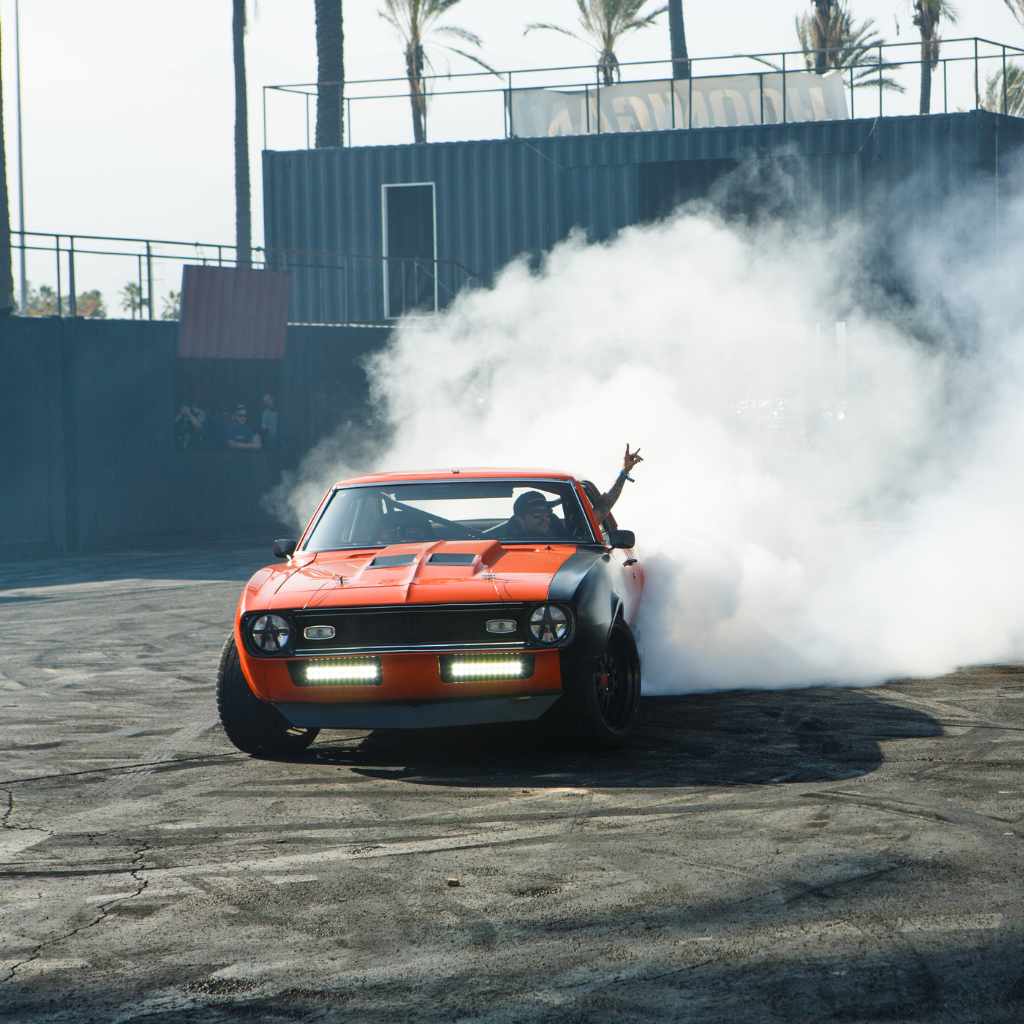
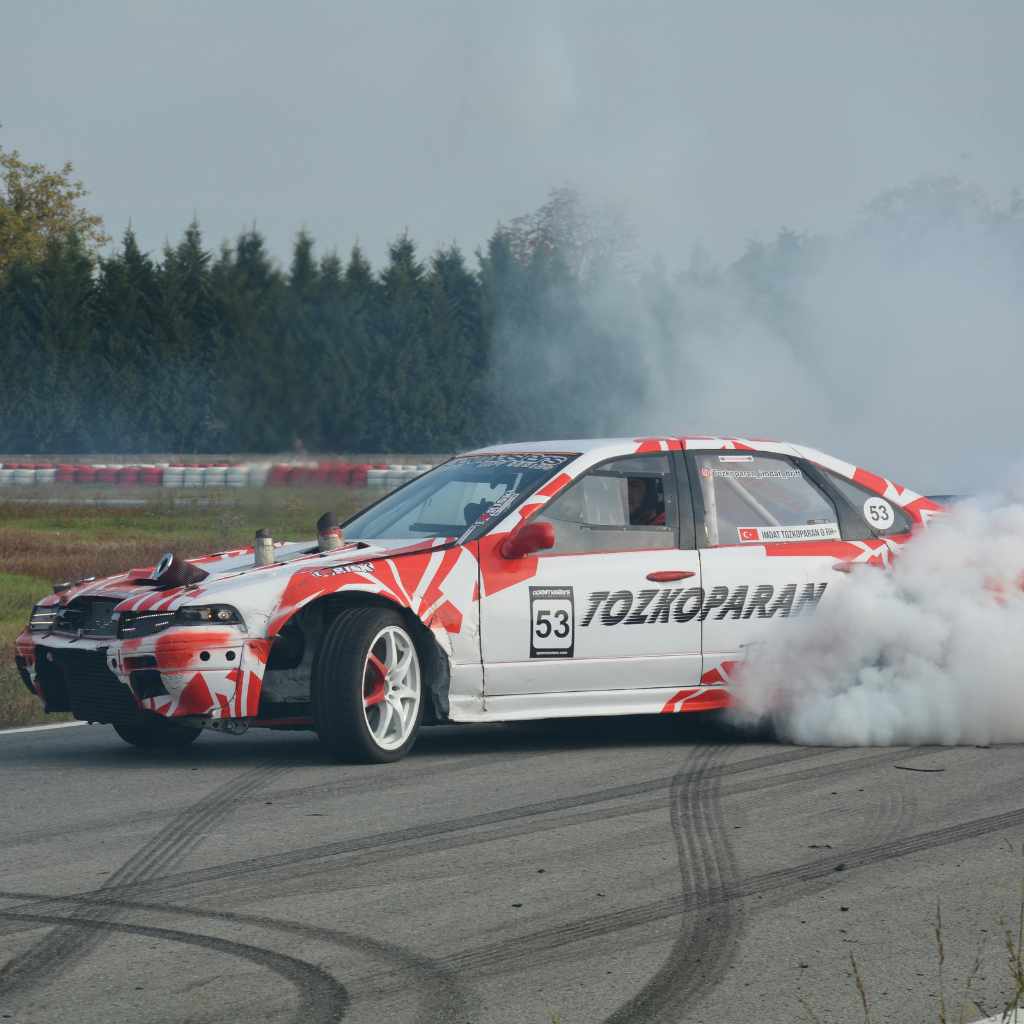
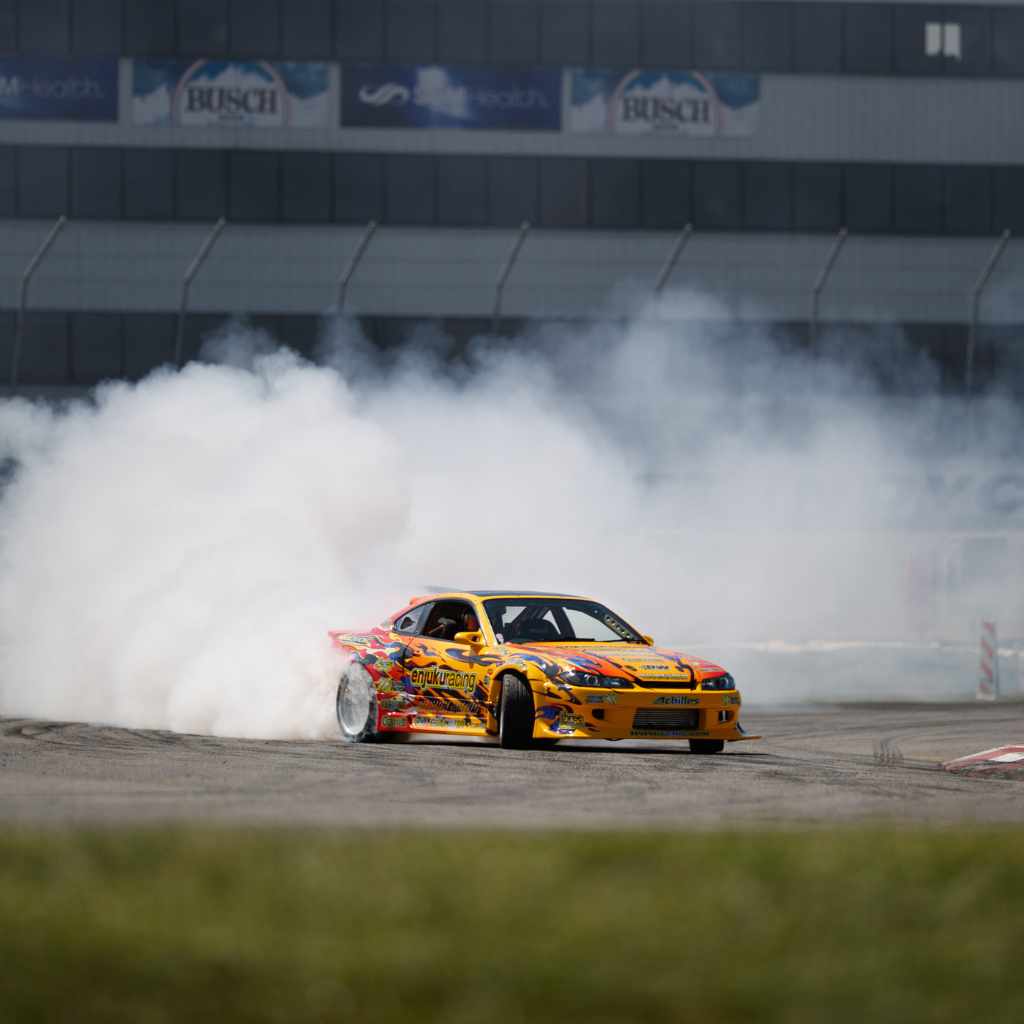
Burnouts are a common sight in car shows and racing events. They happen when the driver spins the wheels while the car stays mostly still. This action creates smoke and a loud noise. Understanding what happens during a burnout helps explain its effects on an automatic car.
What Causes The Tires To Spin?
The driver presses the gas pedal hard while holding the brake. This makes the engine turn fast. The car’s wheels try to move but the brake stops them. The tires start to spin on the spot. This spinning creates heat and smoke.
How Does The Transmission React?
In an automatic car, the transmission changes gears by itself. During a burnout, it works harder than normal. The transmission transfers power from the engine to the wheels. The sudden high power can cause strain on the transmission parts.
What Happens To The Tires?
Tires lose grip and begin to slide on the road surface. The friction heats the rubber quickly. This causes the smoke seen during burnouts. The heat can wear down the tire tread fast and unevenly.
What About The Engine And Other Parts?
The engine runs at high speed for a short time. This can cause extra wear and tear. Other parts like the driveshaft and differential also face stress. These components work harder to keep the wheels spinning.
Potential Damage From Burnouts
Burnouts may look cool, but they can harm your automatic car. The intense spinning tires cause stress on many parts. This can lead to costly repairs and reduce your car’s life. Knowing the risks helps you protect your vehicle better.
Transmission Wear
Burnouts force the transmission to work hard. Automatic transmissions rely on smooth power shifts. Spinning tires cause the transmission to slip and overheat. This leads to faster wear of internal parts. Repairing or replacing transmissions can be expensive and time-consuming.
Overheating Risks
Heat builds up quickly during burnouts. The engine and transmission get hotter than normal. Overheating can damage seals and gaskets. It can also cause fluid breakdown, lowering lubrication. This raises the chance of mechanical failure and costly fixes.
Tire And Drivetrain Stress
Burnouts put extra force on tires and drivetrain parts. Tires wear unevenly and lose tread fast. Drivetrain components like axles and differential face high stress. This can cause cracks or breaks over time. Replacing these parts adds to maintenance costs and downtime.
Myths About Burnouts In Automatic Cars
Many people believe burnouts in automatic cars cause huge damage. These ideas spread quickly online and among car fans. Some myths are true, but many are wrong or exaggerated.
Understanding these myths helps drivers make safer choices. Let’s clear up the most common myths about burnouts in automatic cars.
Burnouts Always Destroy The Transmission
Not every burnout ruins the transmission. Modern automatics have protections to limit damage. Short burnouts may cause little harm if done carefully. Long or repeated burnouts increase risk significantly.
Automatic Cars Cannot Do Burnouts
Many think automatics cannot do burnouts. Actually, some automatics can, especially with manual mode or sport settings. The car’s power and traction control affect this ability. Not all automatics are the same.
Burnouts Cause Immediate Engine Failure
Burnouts do not cause instant engine failure. Engines can handle short, controlled burnouts. Overuse or poor technique may lead to overheating or wear. Regular maintenance reduces risks.
All Burnouts Are Bad For Tires And Brakes
Burnouts wear tires and brakes but not always badly. A single burnout causes minor tire wear. Frequent burnouts reduce tire life and brake performance. Careful driving limits this damage.
Signs Your Car Has Suffered Damage
Burnouts put a lot of stress on automatic cars. Sometimes, this stress causes damage. Knowing the signs helps protect your vehicle and save repair costs. Watch your car closely after any burnout.
Some signs are easy to spot. Others need more attention. Catching damage early means fixing problems before they get worse.
Unusual Transmission Behavior
Your automatic transmission may act strange after a burnout. Shifting may become rough or delayed. You might hear grinding noises or feel jerks. These signs show the transmission could be damaged.
Burnt Smell Or Smoke
A strong burnt smell near the engine or transmission is a warning sign. Smoke coming from under the hood also signals trouble. These happen when parts overheat due to excessive stress.
Slipping Gears
If the car slips out of gear or hesitates to engage, damage might exist. This happens when transmission bands or clutches wear out. The car may struggle to keep speed or stall.
Fluid Leaks
Check for leaks under the car. Transmission fluid leaks often appear as red or brown stains. Low fluid levels cause poor performance and can lead to major damage.
Overheating Engine Or Transmission
Burnouts generate lots of heat. If your engine or transmission overheats often, damage is likely. Overheating reduces the lifespan of many car parts.
Safe Alternatives To Burnouts
Burnouts can damage an automatic car’s transmission and tires. They cause unnecessary wear and tear. Safer ways exist to enjoy your car without risking costly repairs.
These alternatives help protect your vehicle. They also provide fun driving experiences. Try these safe options to keep your car healthy and enjoy driving.
Controlled Acceleration On Open Roads
Find empty, open roads for safe acceleration practice. Gradually increase speed without spinning tires. This method avoids tire damage and stress on the transmission.
Use A Track Or Designated Area
Visit a race track or designated driving area. These places have safety rules and proper surfaces. They allow fast driving without damaging your car or public roads.
Practice Smooth Launches
Practice launching your car smoothly from a stop. Avoid sudden wheel spin or harsh braking. This keeps your transmission and tires in better condition.
Perform Donuts At Low Speed
Try slow-speed donuts in a safe, open space. Keep the throttle low to prevent tire wear. This technique offers fun without risking major damage.
Tips To Protect Your Automatic Transmission
Protecting your automatic transmission is key to a smooth, long-lasting ride. Simple care steps keep your transmission healthy and prevent costly repairs. Follow these tips to extend your car’s life and avoid transmission damage.
Check Transmission Fluid Regularly
Transmission fluid lubricates parts and cools the system. Low or dirty fluid causes slipping and overheating. Check fluid levels monthly. Use the right fluid type for your car. Change fluid as the owner’s manual suggests.
Avoid Excessive Burnouts
Burnouts strain the transmission and cause heat build-up. Heat breaks down transmission fluid and wears parts fast. Limit burnouts to protect gears and seals. Drive gently after burnouts to cool down the system.
Use The Correct Gear
Always start in “Park” or “Neutral” before shifting to “Drive.” Avoid shifting while moving. This prevents damage to transmission parts. Use lower gears on hills to reduce stress on the transmission.
Let Your Car Warm Up
Cold transmission fluid flows slowly. Let your car idle for a minute before driving. This warms the fluid and improves lubrication. Warm fluid reduces wear and tear on parts.
Schedule Regular Transmission Service
Professional check-ups catch problems early. Mechanics can replace fluid and filters. They inspect for leaks and worn parts. Regular service keeps your transmission in good shape.
Frequently Asked Questions
Are Burnouts Harmful To Automatic Transmissions?
Yes, burnouts can damage automatic transmissions by causing excessive heat. This heat can wear out transmission fluid and internal components, reducing the vehicle’s lifespan and performance.
Can Burnouts Cause Engine Damage In Automatics?
Burnouts can strain the engine by increasing RPMs rapidly. This can lead to overheating and premature wear, especially if done frequently or without proper cooling.
Does Doing Burnouts Void Automatic Car Warranty?
Many manufacturers consider burnouts as misuse. Performing burnouts may void your car’s warranty, leaving you responsible for costly repairs.
How Do Burnouts Affect Tire Life On Automatics?
Burnouts cause rapid tire wear due to excessive friction. This results in bald tires needing frequent replacement, increasing maintenance costs.
Conclusion
Burnouts can harm an automatic car’s engine and transmission. They cause extra heat and wear parts faster. This can lead to costly repairs down the road. Avoid doing burnouts to keep your car in good shape. Drive smoothly and treat your car with care.
This helps your vehicle last longer and run better. Remember, quick fun can lead to long-term problems. Taking care of your car is always the smart choice.